
Work gloves
Use it for: Protects your hands from sharp metal edges, dirty water, and hidden debris in the well.
Shop work glovesTo clear a basement window well drain, remove leaves and mud from the well, expose the drain opening, loosen the clog by hand or with a small drain tool, then flush it with water until the well empties normally.
A window well drain usually clogs because the well fills with leaves, roof grit, mulch, and silt. The goal is to clear the blockage without forcing more debris down the pipe. Work slowly, keep the area clean as you go, and stop if you find standing water that will not drop, a crushed drain, or signs the water problem is coming from somewhere else.
Before you start: Match the part or procedure carefully before you start. Stop if the repair becomes unsafe or unclear.
Use it for: Protects your hands from sharp metal edges, dirty water, and hidden debris in the well.
Shop work gloves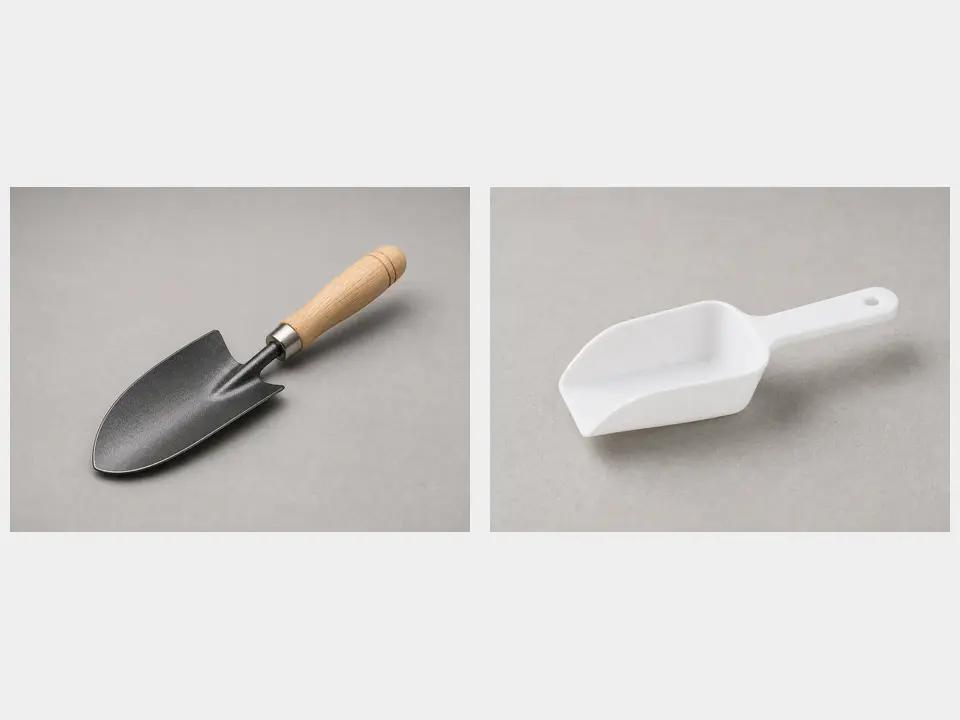
Use it for: Lets you remove wet leaves, mud, and gravel without damaging the drain area.
Shop a hand scoop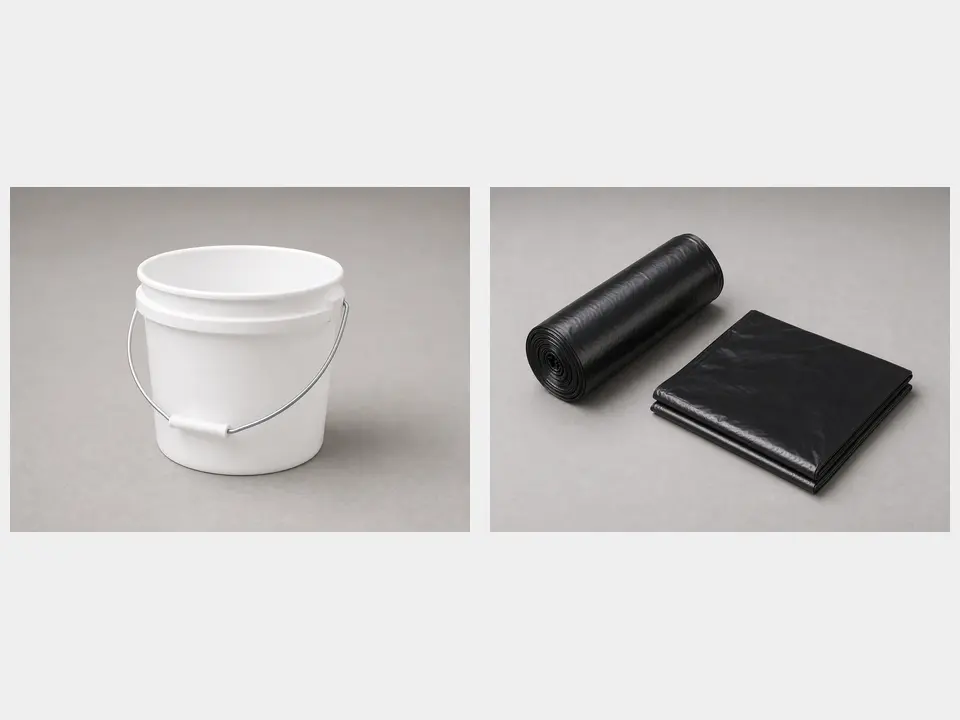
Use it for: Gives you a place to put debris so it does not fall back into the well.
Shop buckets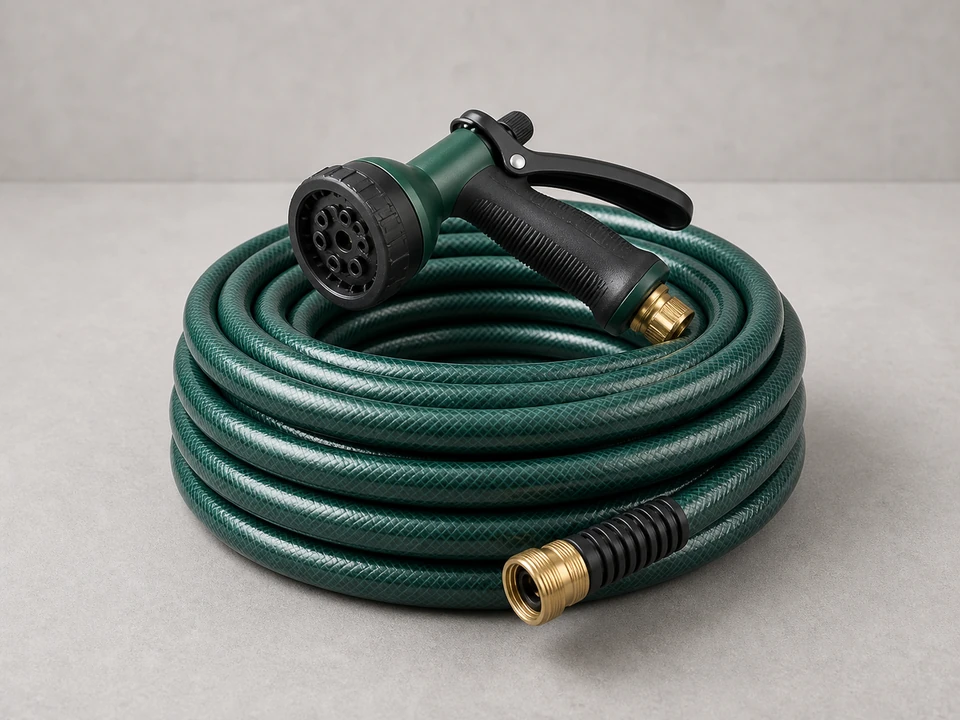
Use it for: Used to flush the drain and test whether water is moving away properly.
Shop a hose nozzle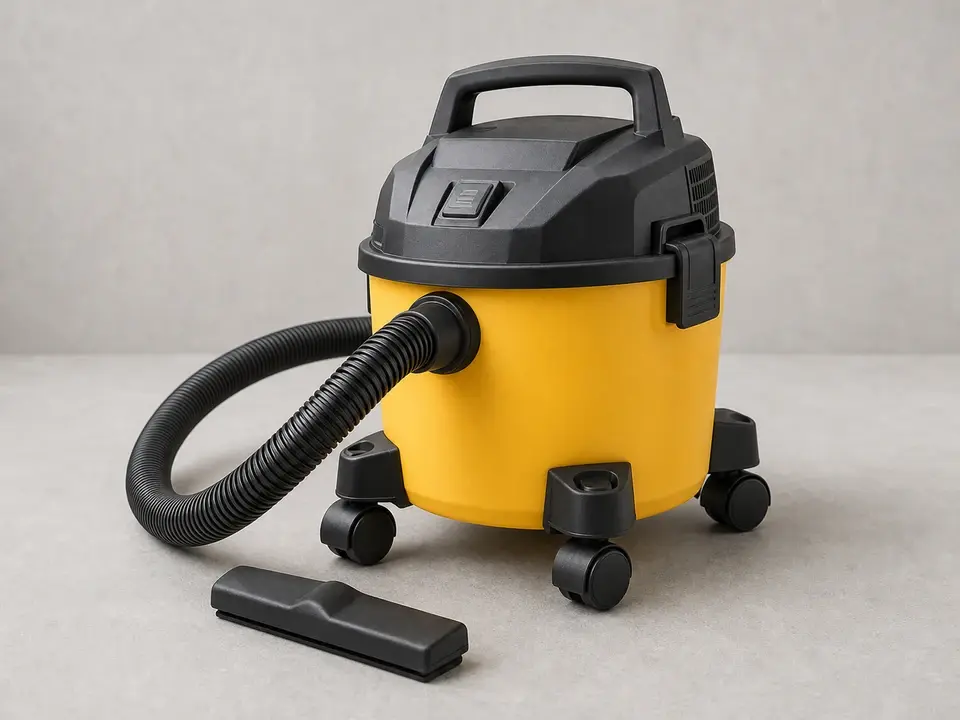
Use it for: Helpful for sucking out muddy water and loose silt around the drain opening.
Shop wet dry vacs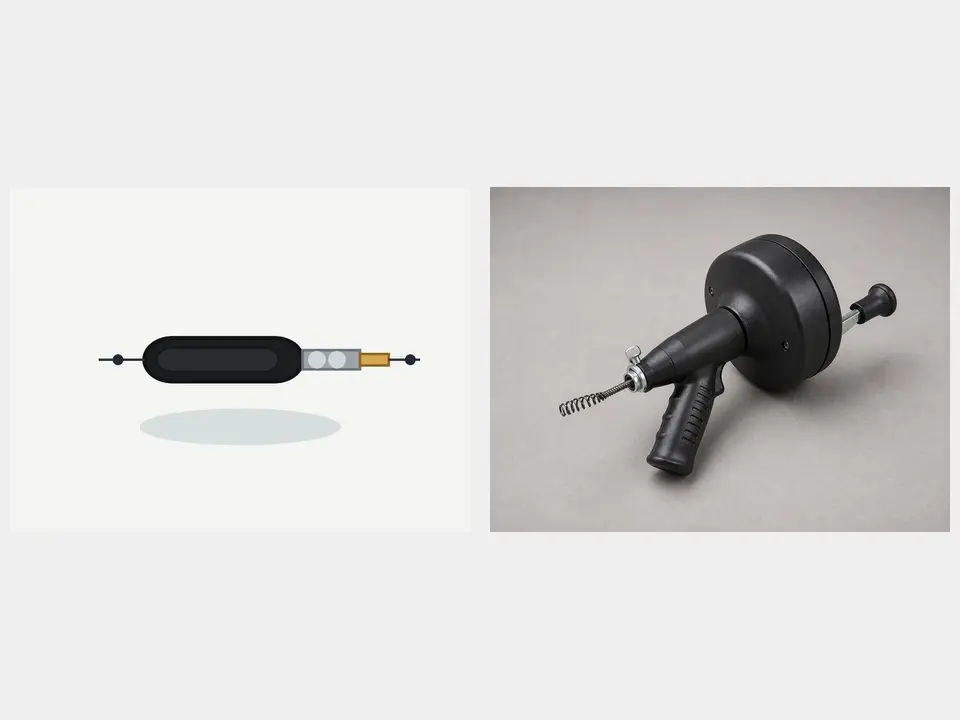
Use it for: Helps break up a stubborn clog in the drain line without heavy equipment.
Shop small drain clearing toolsAs an Amazon Associate I earn from qualifying purchases. Repair Riot may earn a commission at no extra cost to you.
If it works: You have good reason to treat this as a clogged window well drain, not just surface splash or a separate window leak.
If it doesn’t: If the well is dry and the leak seems to come from the window frame, siding, or wall above, troubleshoot the exterior leak path instead of clearing the drain first.
If it works: The bottom of the well is exposed and the drain area is no longer buried under debris.
If it doesn’t: If muddy water keeps hiding the bottom, vacuum out the water with a wet/dry vac so you can keep cleaning.
If it works: The drain opening is visible and loose material at the top of the clog has been removed.
If it doesn’t: If you still cannot reach open drain space, continue vacuuming or scooping until the top of the blockage is cleared enough to flush or snake.
If it works: Water starts draining out of the well instead of rising and sitting at the bottom.
If it doesn’t: If the line still will not take water after several careful attempts, the clog may be deeper in the drain run and may need professional clearing.
If it works: The well is clean enough that normal rainwater can reach the drain without carrying a fresh pile of debris into it.
If it doesn’t: If the well keeps filling with roof runoff, overflowing gutters, or soil washing in from above, correct that outside drainage issue too or the clog will return.
If it works: The well drains normally during the test and remains clear during actual wet weather.
If it doesn’t: If the well still holds water after cleaning, the drain line may be partially collapsed, disconnected, or tied into a drainage system that is blocked farther downstream.
As an Amazon Associate I earn from qualifying purchases. Repair Riot may earn a commission at no extra cost to you.
Most clogs come from leaves, roof grit, mulch, and silt washing into the well over time. Once the bottom fills with debris, water cannot reach the drain opening easily.
Usually no. High pressure can pack debris deeper or damage an older drain connection. A garden hose, wet/dry vac, and small hand auger are safer first choices.
It may be buried under mud or stone at the bottom of the well. Remove debris carefully and vacuum out standing water if needed. If you still cannot locate it, the well may not have a functioning drain or it may be buried too deeply to service easily.
If the opening is clear but water still backs up immediately during flushing, the blockage is likely farther down the line. A deeper clog, crushed pipe, or downstream drainage problem is more likely than simple surface debris.
Only enough to restore the original clean stone around the drain area. Do not bury the opening or cover it with fine soil, fabric, or debris that will slow drainage again.