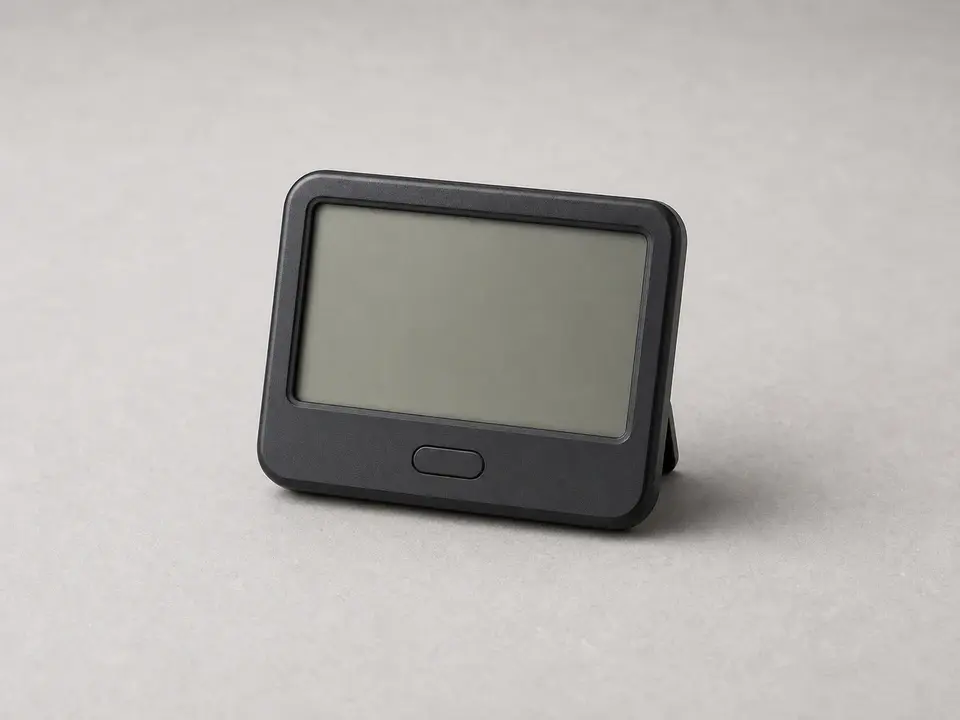
Digital hygrometer
Use it for: To check the basement humidity level before and after you make changes.
Shop digital hygrometersTo reduce basement humidity, first make sure you are dealing with damp air and not an active leak, then lower outside water around the foundation, improve airflow, seal easy air leaks, and run a properly sized basement dehumidifier continuously until the space stabilizes.
A basement usually stays humid for one of three reasons: outside water is getting too close to the foundation, damp air is trapped with poor airflow, or the space is not being dried fast enough. This walkthrough starts with the simple checks and moves toward the fixes that make the biggest difference for most homes.
Before you start: Choose a unit sized for a basement, with a drain hose option if you do not want to empty the bucket often. Stop if the repair becomes unsafe or unclear.
Use it for: To check the basement humidity level before and after you make changes.
Shop digital hygrometers
Use it for: To inspect corners, walls, rim joists, and utility areas for damp spots or staining.
Shop LED work lights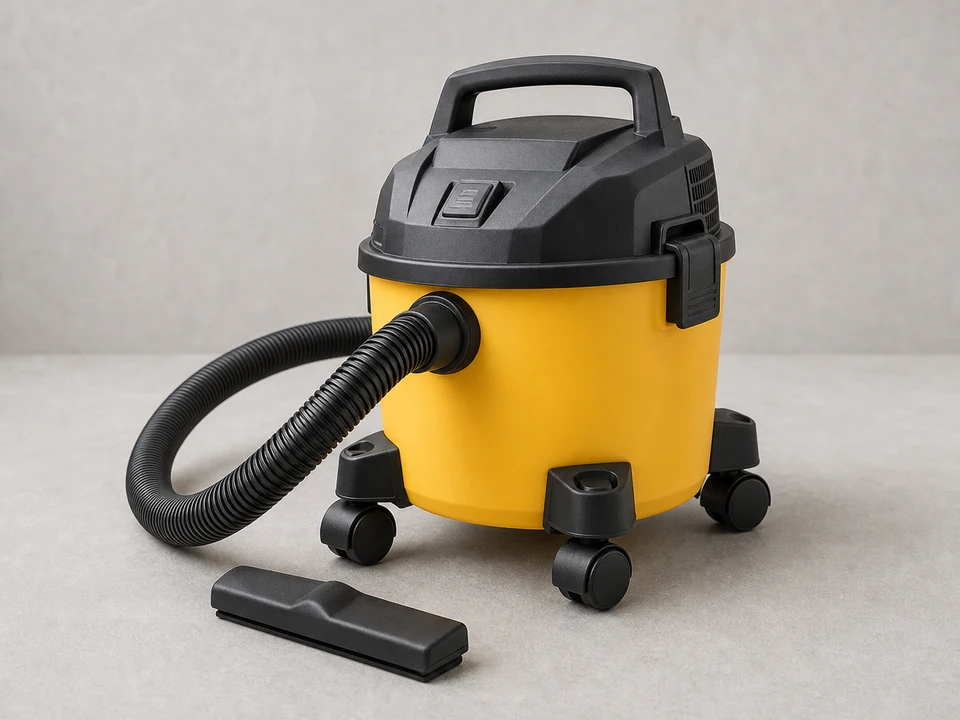
Use it for: To remove small amounts of standing water and clean up damp debris before drying the space.
Shop wet dry vacs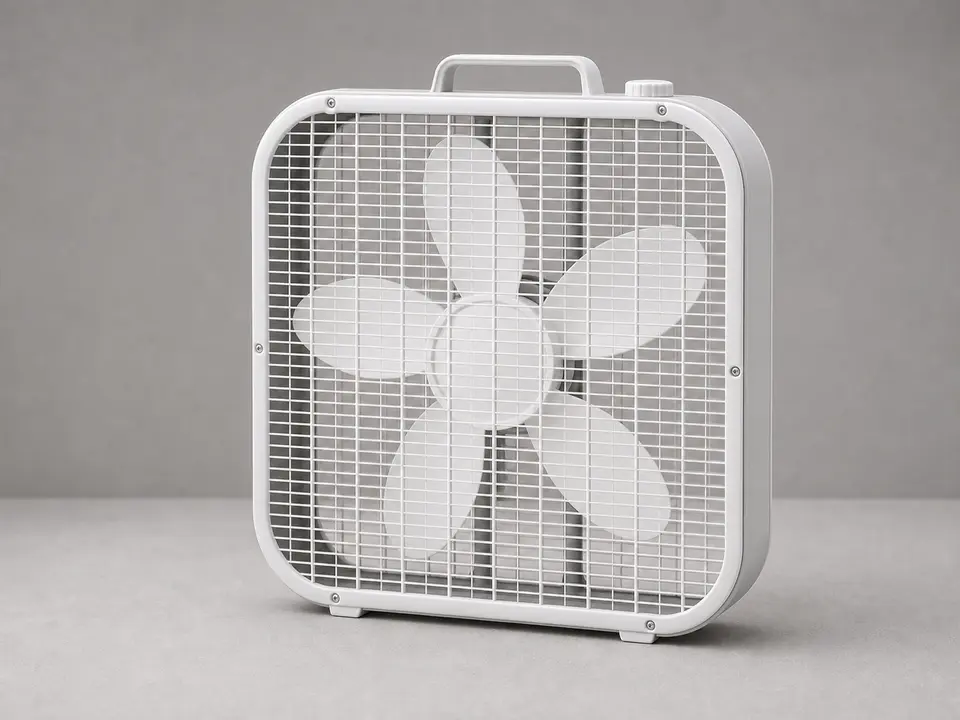
Use it for: To keep air moving while the basement dries out.
Shop box fans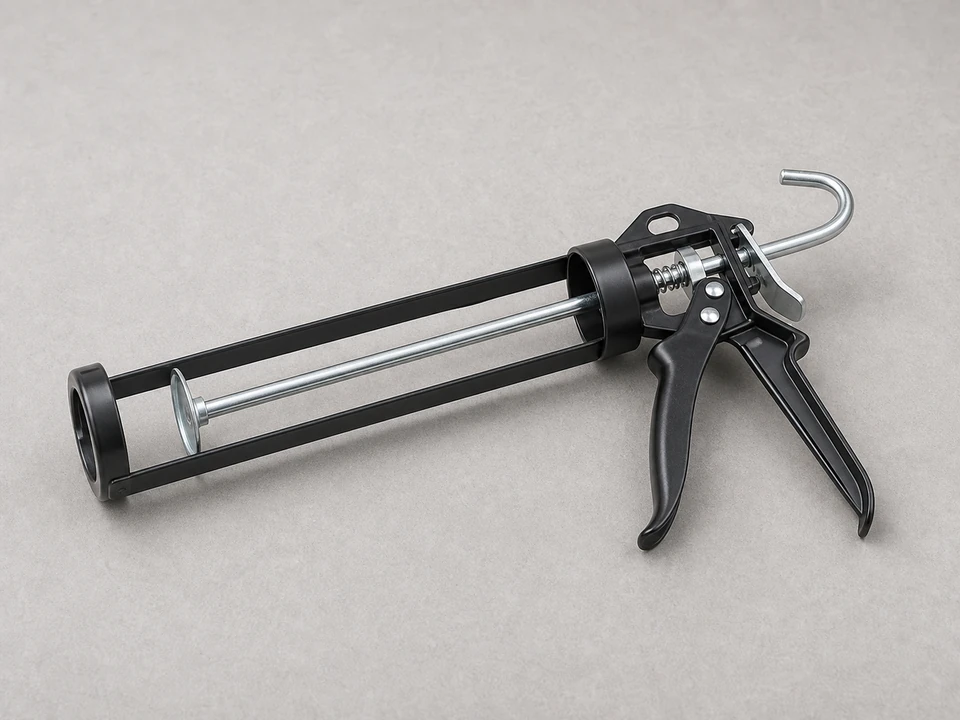
Use it for: To apply sealant around small gaps where humid outside air can enter.
Shop caulk guns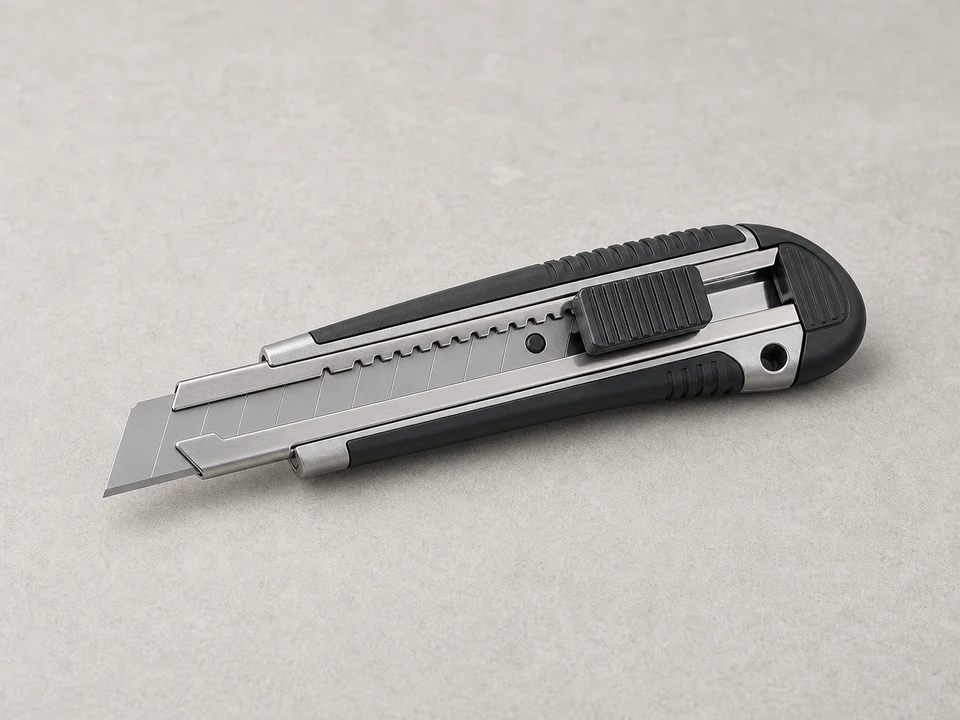
Use it for: To trim old caulk or open packaging for sealants and weatherstripping.
Shop utility knivesAs an Amazon Associate I earn from qualifying purchases. Repair Riot may earn a commission at no extra cost to you.
If it works: You have confirmed the basement feels damp because of humid air, condensation, or general moisture buildup rather than a single obvious leak source.
If it doesn’t: If you find a clear plumbing leak, appliance leak, or water entering through a wall or floor crack, fix that source first before trying to dry the air.
If it works: The basement is cleaner, less cluttered, and no longer holding extra moisture in stored materials.
If it doesn’t: If the space still feels wet or smells stronger after cleanup, continue with drainage and drying steps because the moisture source is likely ongoing.
If it works: Rainwater is less likely to collect next to the foundation and feed basement moisture.
If it doesn’t: If the basement still gets noticeably wetter after rain, the home may need more drainage work than simple maintenance can provide.
If it works: Air is moving better, and the basement is taking in less warm humid air from outside.
If it doesn’t: If the basement still feels clammy, move on to active drying with a dehumidifier because airflow alone is usually not enough.
If it works: The dehumidifier is running continuously and the basement humidity starts trending down toward a more comfortable, drier range.
If it doesn’t: If the unit runs constantly with little improvement, the basement may need a larger-capacity unit or there may still be an uncorrected water source feeding the humidity.
If it works: Humidity stays lower through normal weather changes, the basement smells cleaner, and damp surfaces are no longer returning quickly.
If it doesn’t: If humidity rises right back up after rain or the dehumidifier cannot keep up, revisit the outside drainage and leak checks or bring in a pro to look for hidden water entry.
As an Amazon Associate I earn from qualifying purchases. Repair Riot may earn a commission at no extra cost to you.
A basement should generally feel dry and stable, not clammy. If your hygrometer keeps showing high humidity and you notice musty smells or condensation, it is time to improve drying and moisture control.
Sometimes, but not during muggy weather. If outdoor air is more humid than the basement air, open windows can make the problem worse. A dehumidifier is usually the more reliable fix.
Moisture can come from damp soil around the foundation, poor drainage outside, humid outdoor air leaking in, condensation on cool surfaces, or stored materials holding moisture. You do not need a visible puddle to have a humidity problem.
Many basements need one during humid seasons, and some need one year-round. If humidity rises again when you turn it off, keep using it while you continue improving drainage and air sealing.
No. A dehumidifier helps remove moisture from the air, but it does not stop active water entry. If water is coming through the foundation, fix that source first.