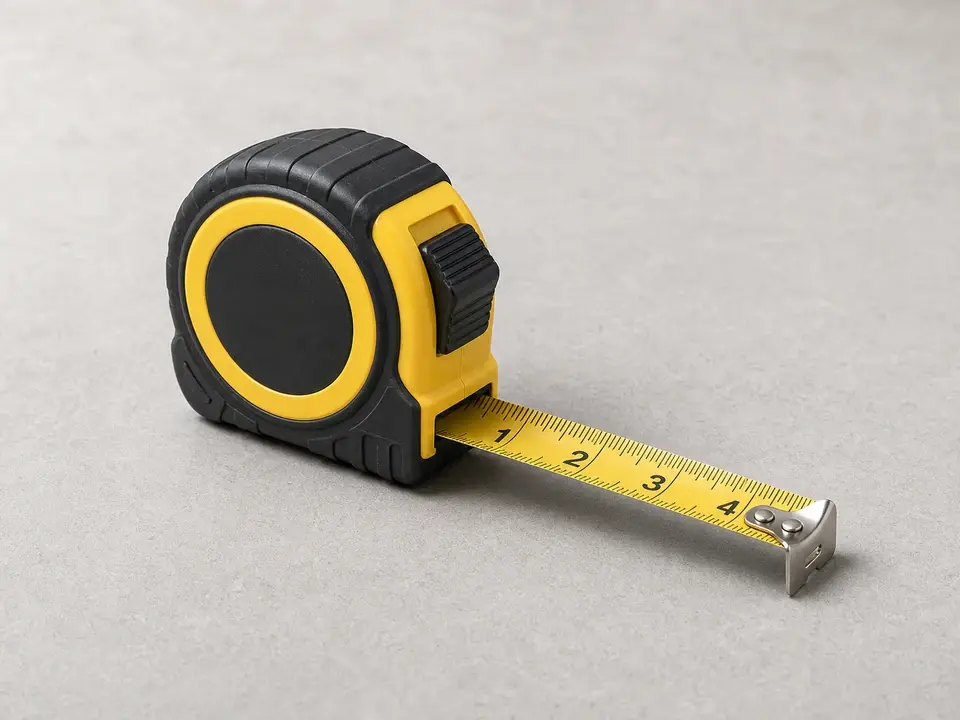
Tape measure
Use it for: To measure the downspout outlet and the distance to a safe discharge area.
Shop tape measuresTo extend downspout discharge away from the house, add a downspout extension or drain pipe that carries roof runoff several feet away from the foundation to a spot that slopes away and drains well.
This is a good fix when water from a gutter downspout is dumping right beside the house, soaking the soil, or contributing to a wet basement or crawlspace. The goal is simple: catch the water at the downspout outlet and move it far enough away that it cannot run back toward the foundation.
Before you start: Choose an extension that matches your downspout size and outlet shape, and make sure it can carry water to a spot that drains away from the foundation without creating a trip hazard. Stop if the repair becomes unsafe or unclear.
Use it for: To measure the downspout outlet and the distance to a safe discharge area.
Shop tape measures
Use it for: To protect your hands while handling metal edges, dirt, and fittings.
Shop work gloves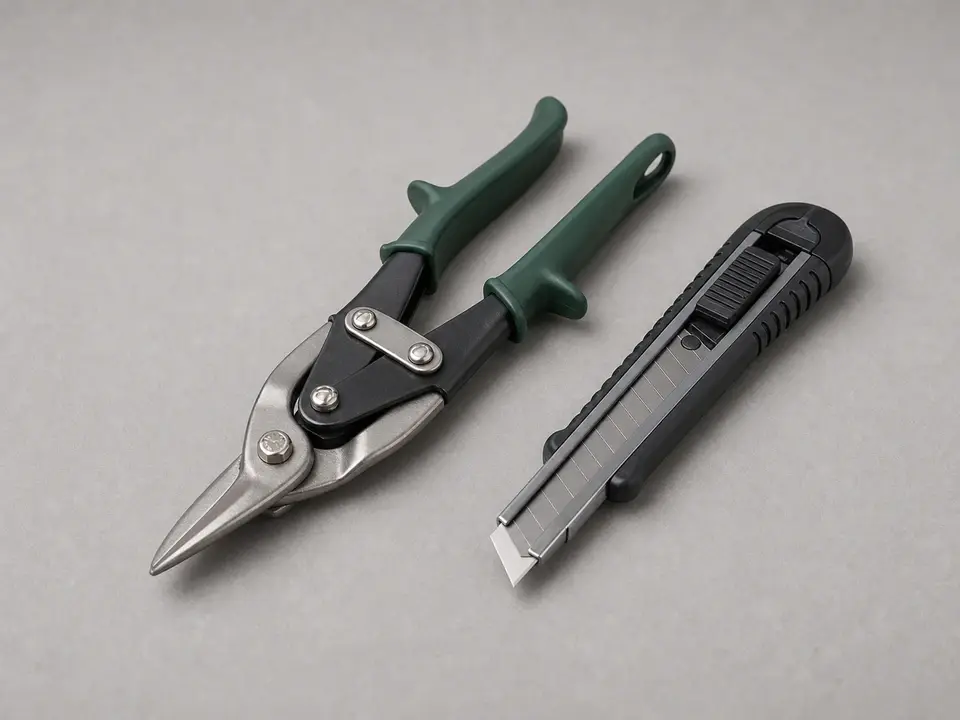
Use it for: To trim flexible extension material or light metal parts if needed.
Shop cutting tools for downspout extensions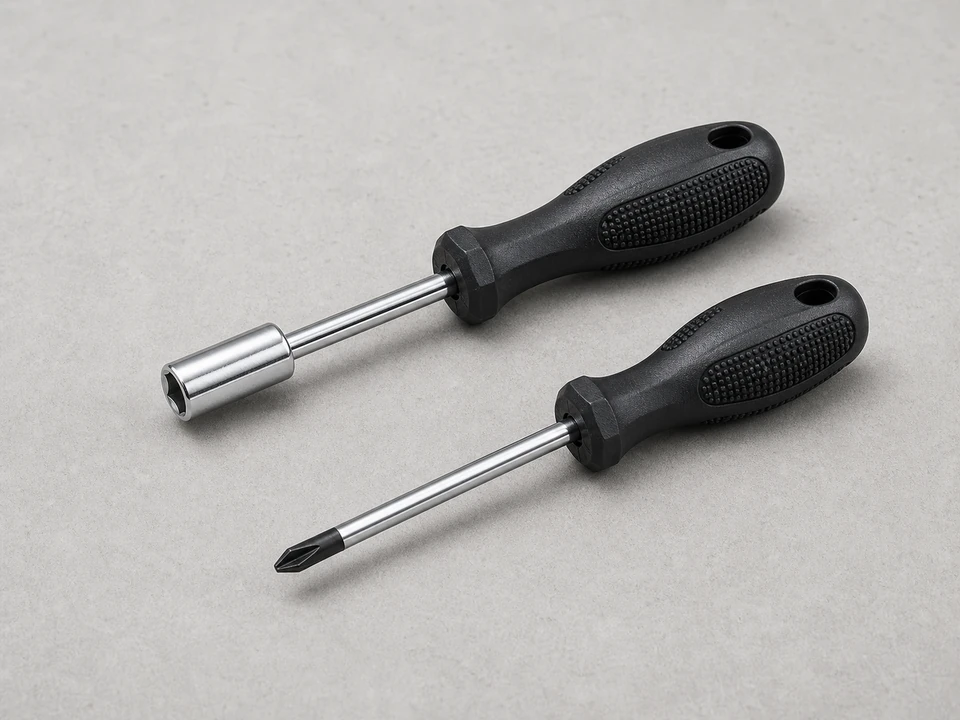
Use it for: To tighten screws or clamps on elbows and extension fittings.
Shop screwdrivers and nut drivers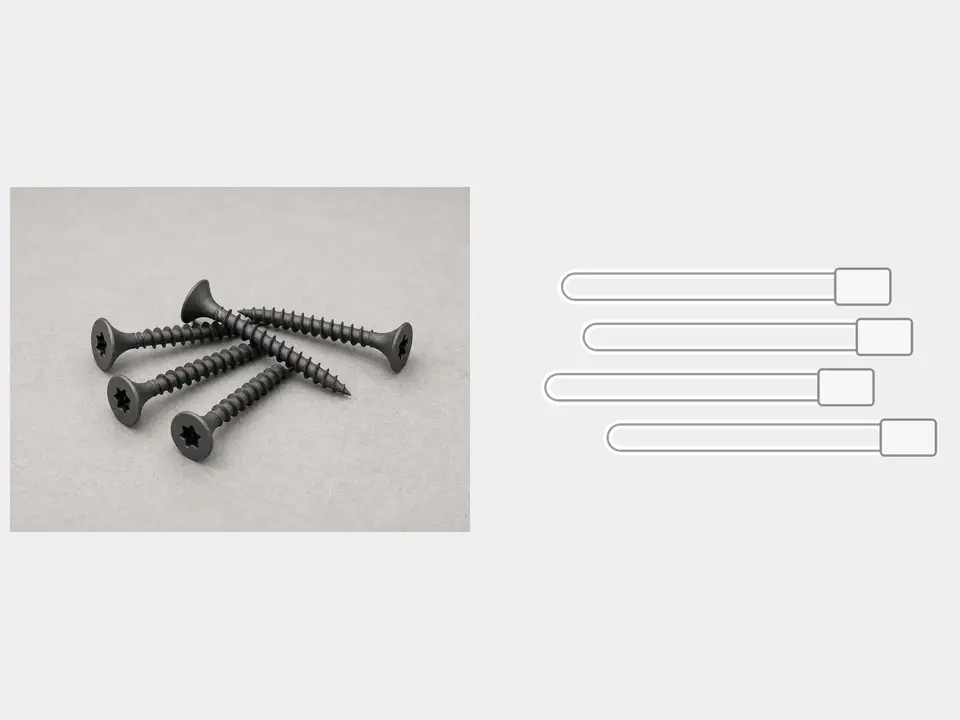
Use it for: To secure the extension so it does not pull apart during heavy rain.
Shop downspout fasteners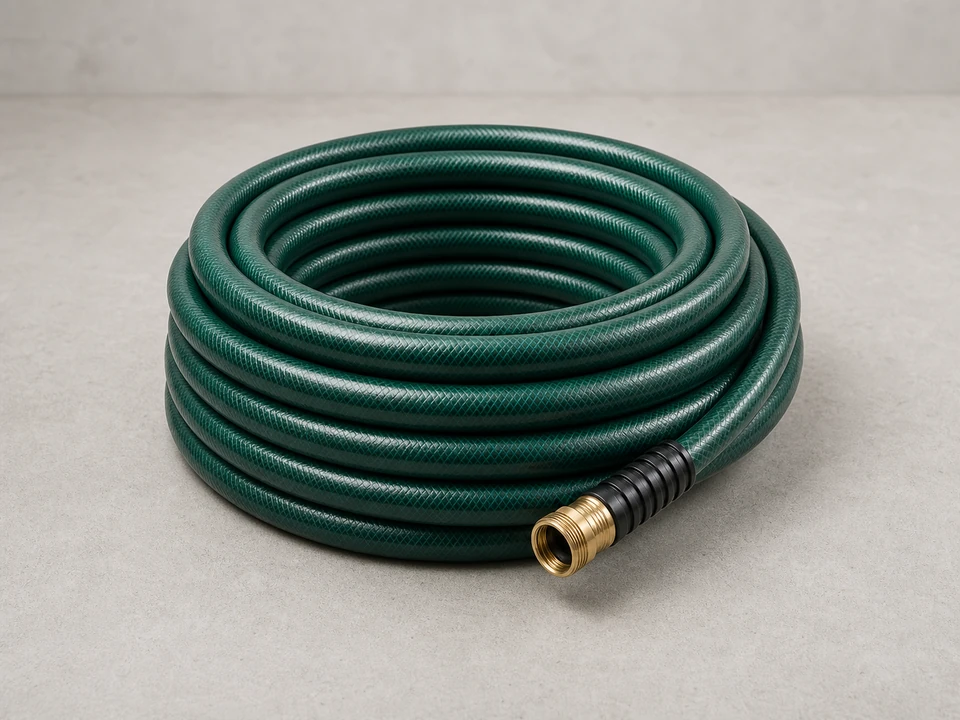
Use it for: To test the flow before the next storm.
Shop garden hosesAs an Amazon Associate I earn from qualifying purchases. Repair Riot may earn a commission at no extra cost to you.
If it works: You confirmed that roof runoff is discharging too close to the foundation and that an extension is the right next step.
If it doesn’t: If the downspout already discharges well away from the house, look for a different cause such as clogged gutters, poor grading, or water entering through cracks or openings.
If it works: You have a clear path and a safe discharge point for the water.
If it doesn’t: If you cannot find a route that drains away safely, use a different extension style or rethink the discharge location before installing anything.
If it works: The extension is attached firmly and points toward the discharge path.
If it doesn’t: If the fit is loose or awkward, remeasure the outlet and switch to a connector or extension that matches the downspout size and shape better.
If it works: The extension reaches the discharge area and has a clear downhill path away from the foundation.
If it doesn’t: If water would have to travel uphill or through a sag, shorten, reroute, or support the extension until the flow path stays downhill.
If it works: Water moves through the extension cleanly and discharges away from the house without backing up near the foundation.
If it doesn’t: If flow is weak or leaking, straighten the run, tighten the joints, and clear any blockage in the gutter or downspout before testing again.
If it works: The extension stays put in real rain and keeps roof runoff away from the foundation area.
If it doesn’t: If the area near the house still gets saturated, extend the discharge farther, improve the ground slope, or address other drainage problems around the foundation.
As an Amazon Associate I earn from qualifying purchases. Repair Riot may earn a commission at no extra cost to you.
Far enough that water cannot soak back into the foundation area. In practice, more distance is usually better as long as the discharge point drains well and does not create a hazard.
Yes, if it fits the outlet well and can be laid out with a steady downhill path. Flexible extensions are easy to install, but they can sag or clog if they are kinked or left in a low spot.
The extension may be too short, the ground may slope back toward the house, or the gutter and downspout may still be clogged. Sometimes the real problem is poor grading, not just the discharge point.
You can, but only if you can maintain a reliable downhill slope and avoid hidden utility lines. A surface extension is simpler to inspect and easier to correct if flow problems show up.
Usually yes. A loose connection can pop apart in a heavy storm and send water right back beside the house, which defeats the whole repair.