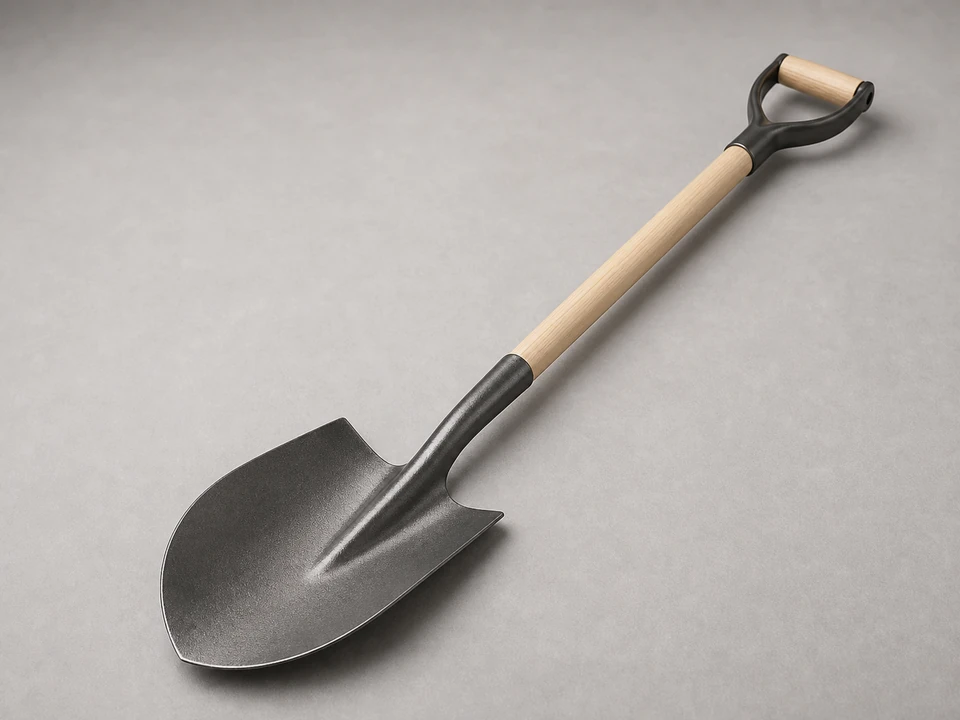
Round point shovel
Use it for: To move soil, cut high spots, and place fill where the grade is low.
Find a round-point shovelTo regrade soil away from a foundation, add and shape compactable soil so the ground slopes away from the house instead of toward it.
This is the right fix when rainwater sits against the foundation, splashes onto the wall, or runs back toward the house. The goal is a steady outward slope, firm enough to hold its shape after rain.
Before you start: Choose tools and fill material that let you build a gentle slope away from the house. Use clean fill dirt for bulk buildup, not mulch alone. Stop if the repair becomes unsafe or unclear.
Use it for: To move soil, cut high spots, and place fill where the grade is low.
Find a round-point shovel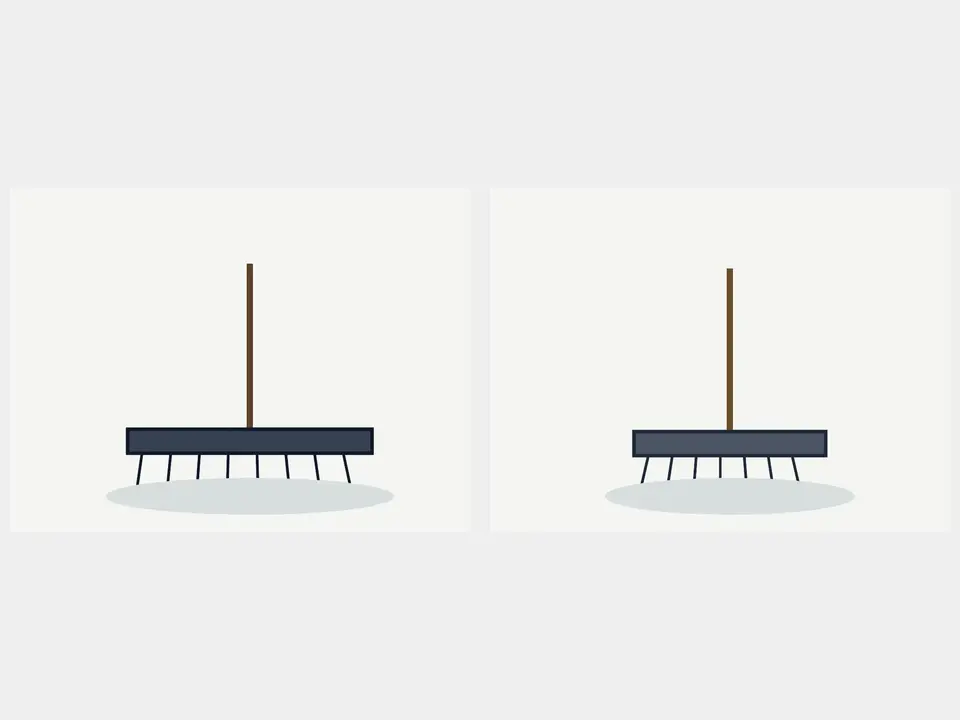
Use it for: To spread and smooth soil into an even slope.
Find a grading rake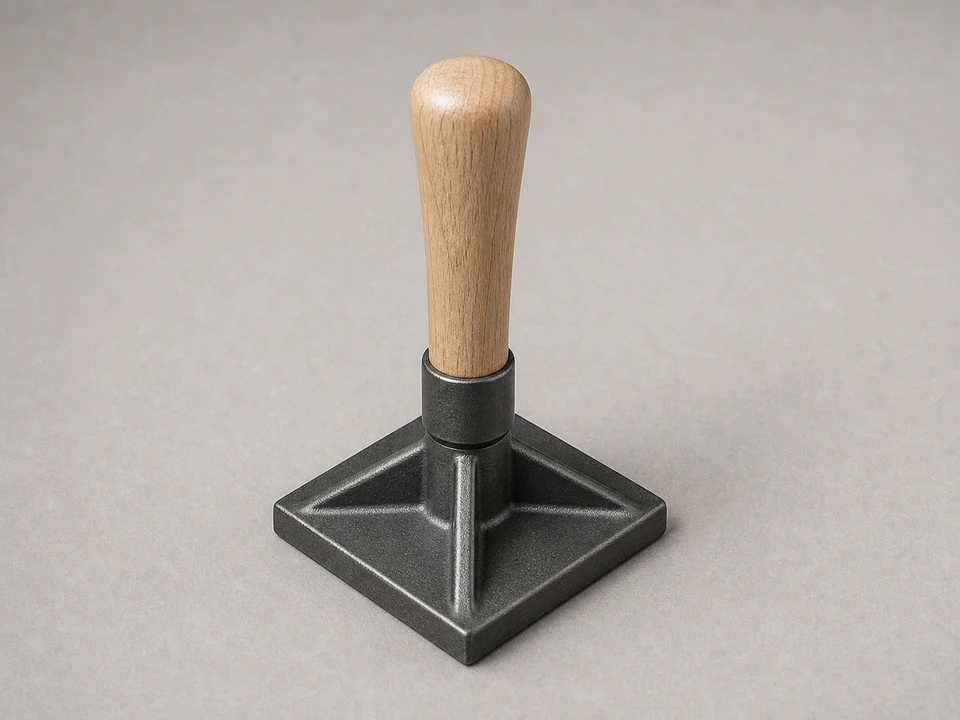
Use it for: To compact added soil so it does not settle quickly after the first storm.
Find a hand tamper
Use it for: To move fill dirt or topsoil along the foundation more easily.
Find a wheelbarrow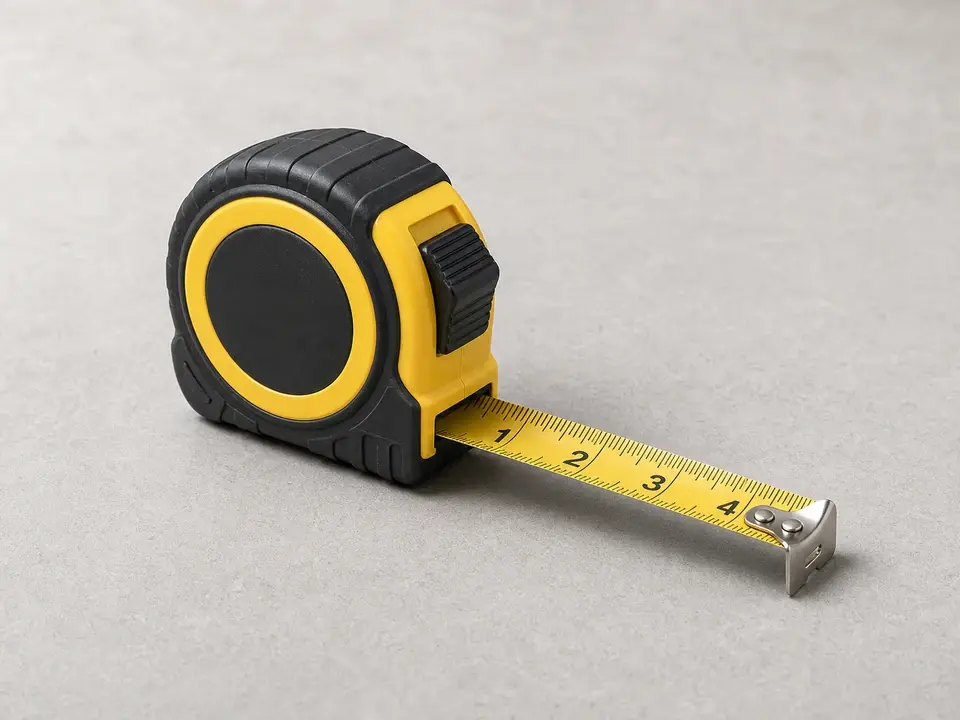
Use it for: To check clearance below siding and confirm the slope is consistent.
Find a tape measure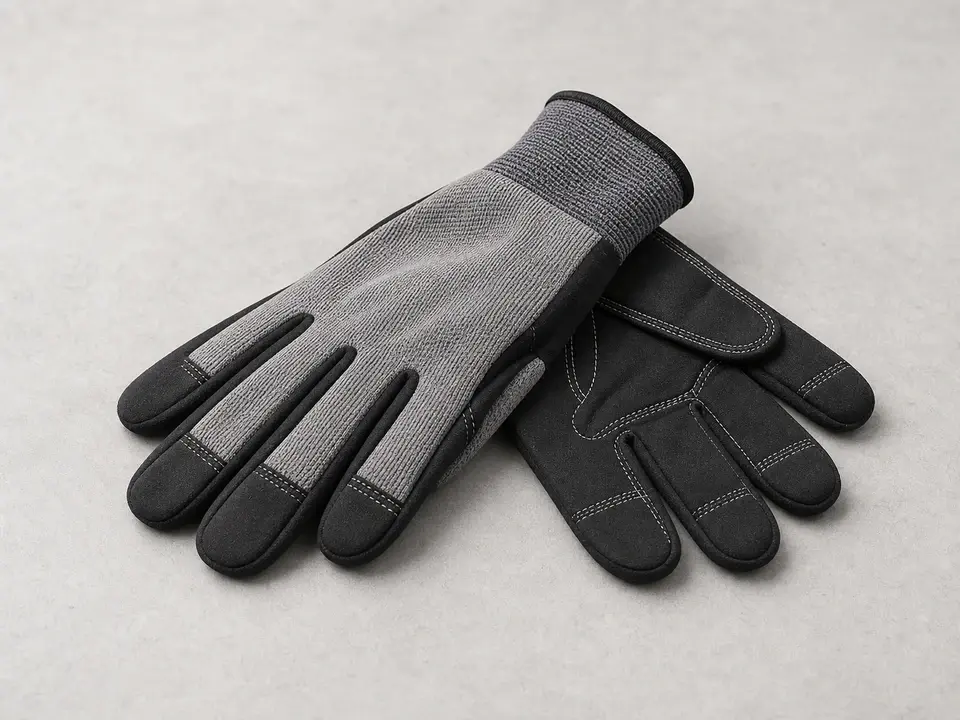
Use it for: To protect your hands while digging, raking, and compacting.
Find work glovesAs an Amazon Associate I earn from qualifying purchases. Repair Riot may earn a commission at no extra cost to you.
If it works: You have identified one or more sections where water is being directed toward the foundation and regrading is a sensible next step.
If it doesn’t: If the ground already slopes away well, focus on gutters, downspout extensions, window wells, or cracks instead of changing the grade.
If it works: The work area is exposed, clean, and ready for soil to be cut, added, and shaped.
If it doesn’t: If landscaping blocks access, temporarily move it now rather than trying to grade around it.
If it works: The ground is roughly shaped so the highest point is near the house and the soil falls away from the foundation.
If it doesn’t: If the area still has a bowl shape, keep cutting the outer high edge or add more compactable fill near the wall until runoff has a clear path away.
If it works: The new grade is smooth, firm, and shaped to shed water away instead of holding it.
If it doesn’t: If footprints sink deeply or the surface feels fluffy, tamp again and add soil in thinner lifts rather than one thick loose layer.
If it works: The area looks finished and the surface treatment still allows water to move away from the house.
If it doesn’t: If decorative materials keep sliding back toward the wall, reduce the thickness and recheck the slope underneath.
If it works: Water drains away from the house, the soil holds its shape, and the problem area stays drier after real use.
If it doesn’t: If water still returns to the wall, extend the graded area farther out, correct downspout discharge, or move to a larger drainage solution such as a swale or drain.
As an Amazon Associate I earn from qualifying purchases. Repair Riot may earn a commission at no extra cost to you.
Use clean fill dirt for bulk buildup because it compacts better than loose organic soil. If you want a nicer finish for grass, add a thin top layer of topsoil after the base grade is set.
No. Mulch is not a stable grading material. It settles, floats, and washes away. Shape the grade with soil first, then add mulch lightly on top if you want it.
Far enough that water clearly leaves the wall area instead of turning back. The exact distance depends on the yard, but the key is a continuous outward slope with no low pocket near the house.
Yes, but fix the downspout discharge too. Regrading helps surface water move away, but a downspout dumping beside the house can overwhelm even a decent slope.
Call for help if you see structural cracking, major settlement, severe erosion, standing water that never dries, or a drainage pattern that involves neighboring property, retaining walls, or large hardscape areas.