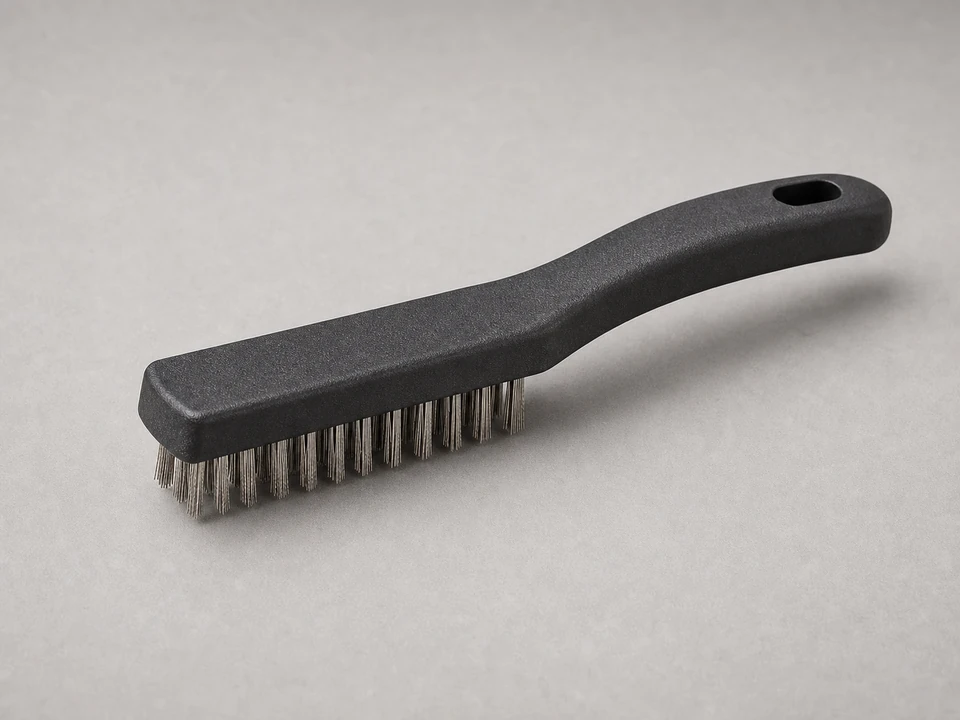
Wire brush
Use it for: To remove loose paint, old surface seal, and debris so the new kit can bond to the concrete.
Shop wire brushesReplace a basement foundation crack injection kit when you have a non-structural crack that is leaking or has leaked before, and the old ports, paste, or injection material did not hold. The basic job is to clean and dry the crack, install fresh ports and surface seal, inject the new material, and then confirm the wall stays dry.
This repair works best on a typical poured concrete wall crack that is accessible from inside the basement. If the crack is widening, the wall is bowing, blocks are shifting, or water is coming from the floor joint instead of the crack itself, this is probably not the right repair.
Before you start: Match the replacement part to your exact basement foundation before ordering.
Use it for: To remove loose paint, old surface seal, and debris so the new kit can bond to the concrete.
Shop wire brushes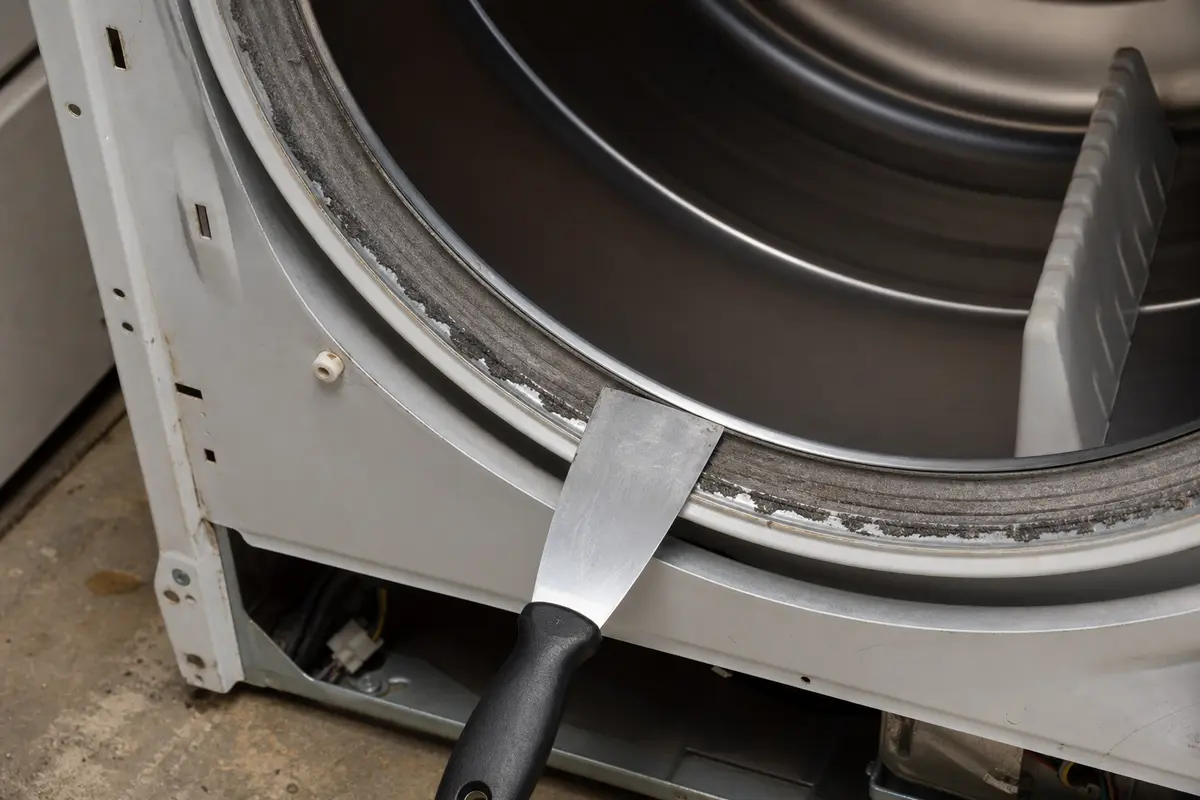
Use it for: To scrape off failed patch material and spread the surface seal over the crack and ports.
Shop putty knives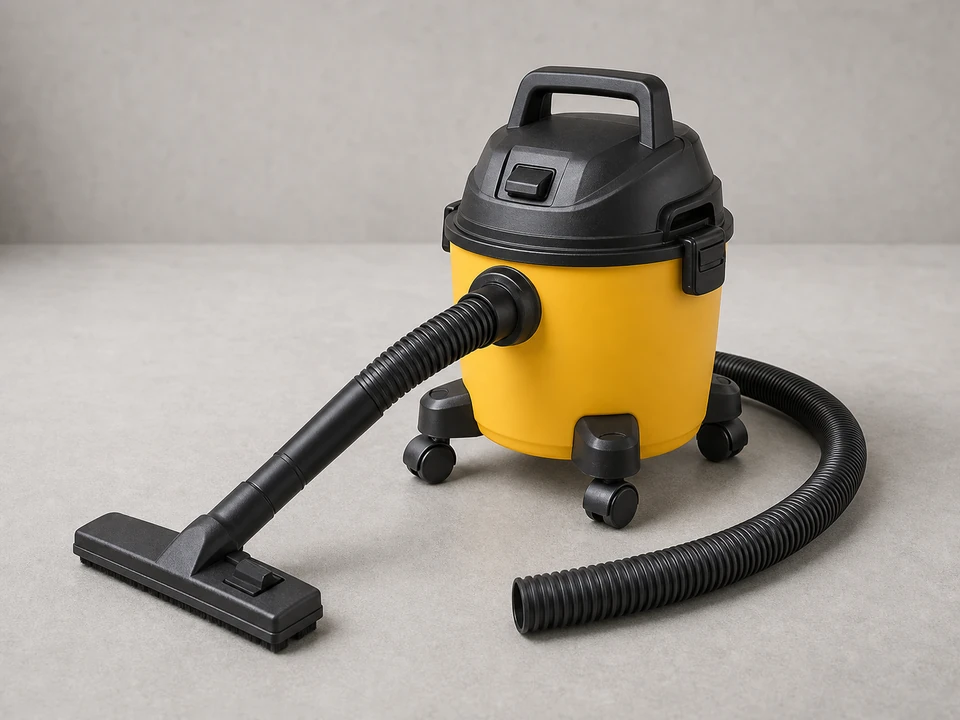
Use it for: To pull dust out of the crack area before you install the new ports and seal.
Shop wet dry vacuums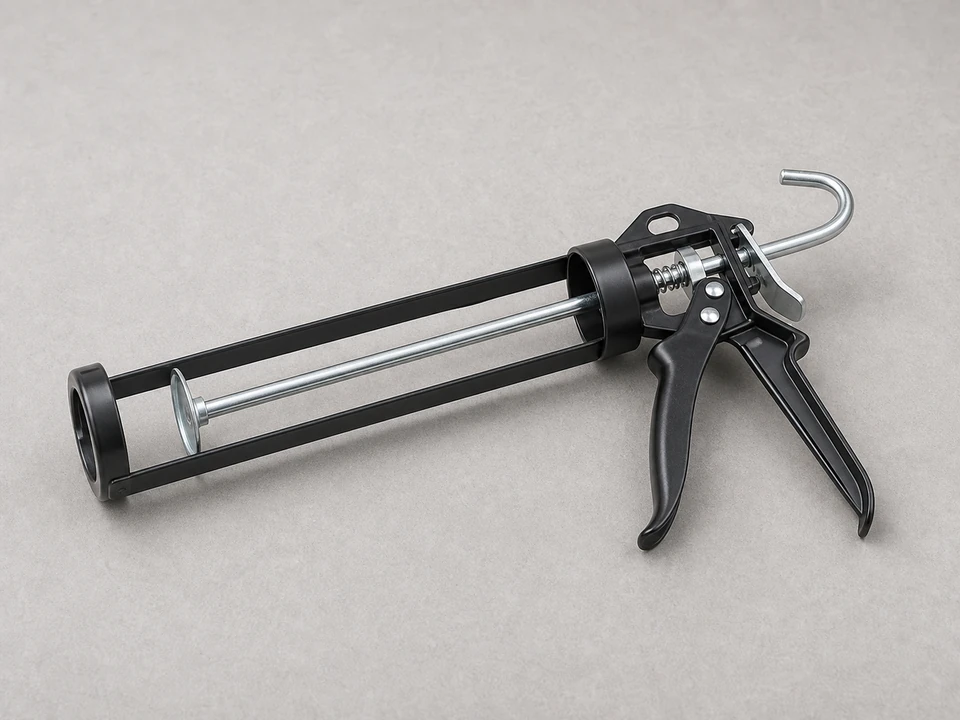
Use it for: Some crack repair kits use cartridges that need a standard caulk gun for injection.
Shop caulk guns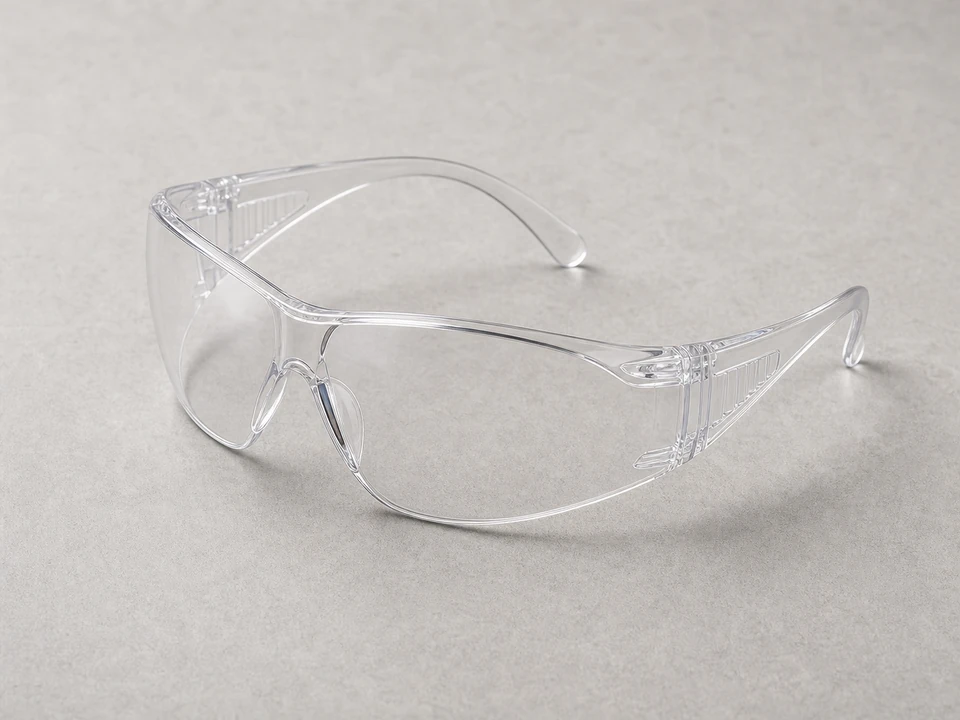
Use it for: To protect your eyes from dust, chips, and splashes while cleaning and injecting.
Shop safety glasses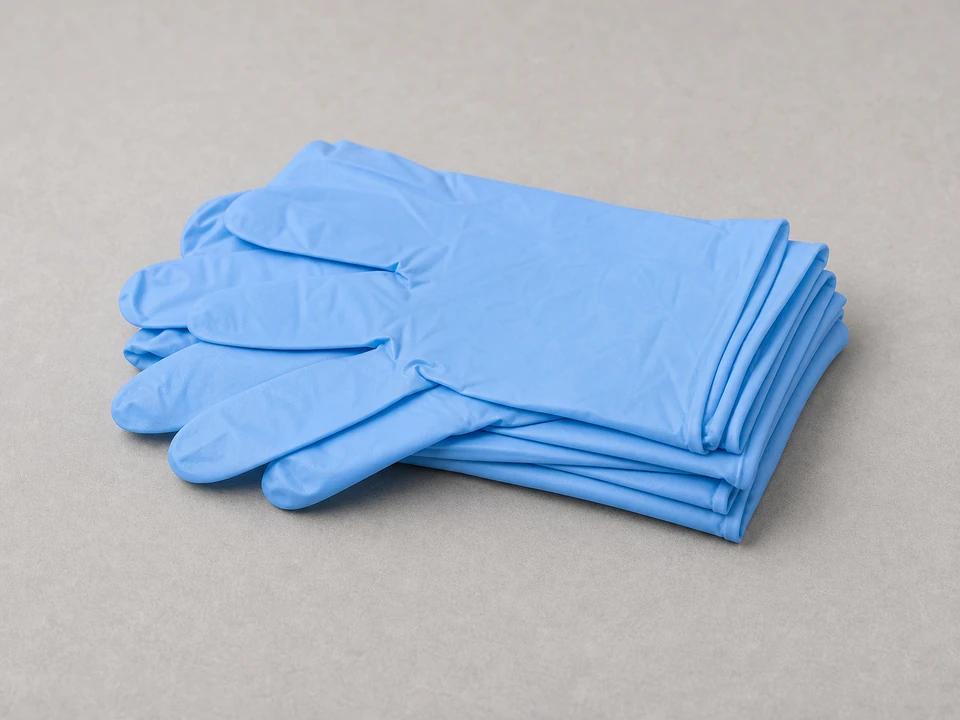
Use it for: To keep sealant and injection material off your skin during the repair.
Shop nitrile glovesAs an Amazon Associate I earn from qualifying purchases. Repair Riot may earn a commission at no extra cost to you.
If it works: You have a visible wall crack that appears stable and accessible, and replacing the crack injection kit matches the problem.
If it doesn’t: If the moisture is coming from the cove joint, a wall penetration, or a plumbing leak, switch to the repair that matches that source instead of injecting the crack.
If it works: The crack line and surrounding concrete are clean, solid, and dry enough for the new kit to bond.
If it doesn’t: If old material is still firmly stuck but loose at the edges, keep scraping until only solid, well-bonded material remains or the concrete is exposed.
If it works: The crack is sealed on the surface, the ports are attached firmly, and the repair area is ready for injection.
If it doesn’t: If a port shifts or pulls loose before curing, remove it, clean the spot again, and reset it before moving on.
If it works: Injection material has moved from port to port, showing the crack is filling through its length.
If it doesn’t: If material does not reach the next port, pause and check for a missed opening, a loose port, or a gap in the surface seal before continuing.
If it works: The repair has cured, the wall is cleaned up, and you can clearly inspect the finished crack line.
If it doesn’t: If the material is still soft, give it more cure time before removing ports or stressing the area.
If it works: The crack stays dry under real-world conditions, and the replacement repair is holding.
If it doesn’t: If you still see moisture, the crack may not be fully filled, the leak source may be elsewhere, or the wall may need a different waterproofing or structural repair approach.
Match the replacement part to your exact basement foundation before ordering.
As an Amazon Associate I earn from qualifying purchases. Repair Riot may earn a commission at no extra cost to you.
No. These kits are usually best for accessible cracks in poured concrete walls. If the wall is block, stone, badly deteriorated, or structurally moving, a simple injection repair may not be the right fix.
Yes, if the old ports, paste, or patch are loose or failed. The new kit needs a clean, solid surface to bond well and seal the crack properly.
A slightly damp wall may still be repairable with some products, but active running water is a different situation. If water is flowing through the crack, stop and use a product meant for active leaks or get a pro involved.
On a vertical wall crack, start at the lowest port and work upward. That helps the material fill the crack and push air out as it rises.
The best check is real weather. Inspect the wall during the next heavy rain or similar wet conditions and look for any fresh dampness, staining, or seepage along the repaired crack.