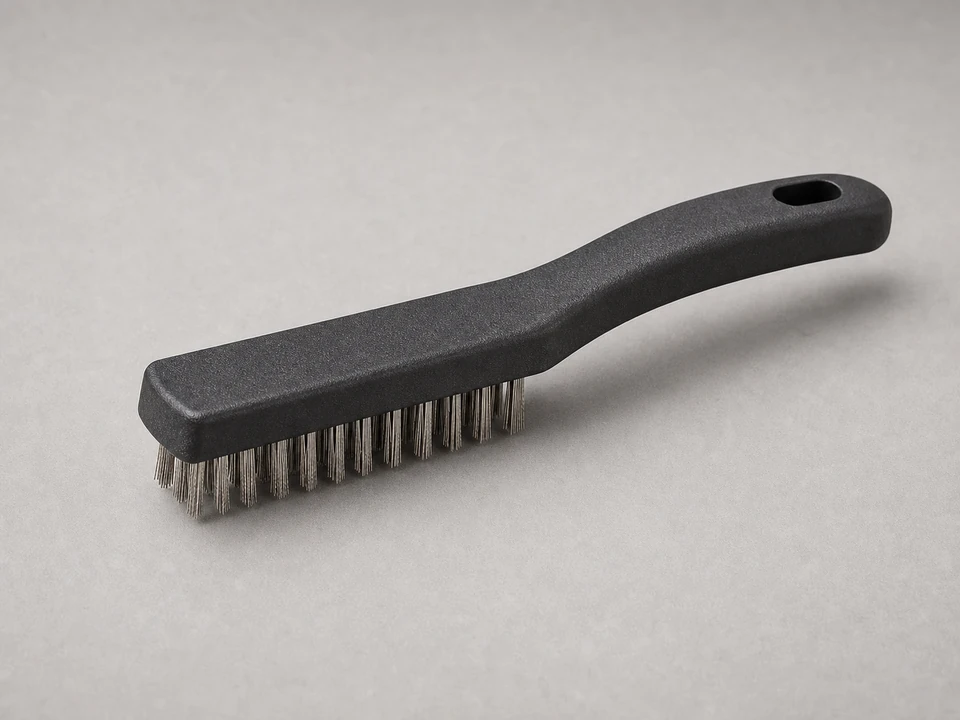
Wire brush
Use it for: To remove loose coating, dirt, and old patch material so the new kit can bond.
Shop wire brushesTo replace a foundation crack injection kit, first confirm the leak is coming from a non-structural crack you can reach from inside, then remove loose old material, install the new ports and surface paste, inject the sealant, and let it cure before checking for new moisture.
This repair works best for a typical vertical or slightly diagonal foundation wall crack that seeps water but is otherwise stable. If the wall is bowing, shifting, or actively crumbling, this is no longer a simple kit replacement.
Before you start: Match the replacement part to your exact basement foundation before ordering.
Use it for: To remove loose coating, dirt, and old patch material so the new kit can bond.
Shop wire brushes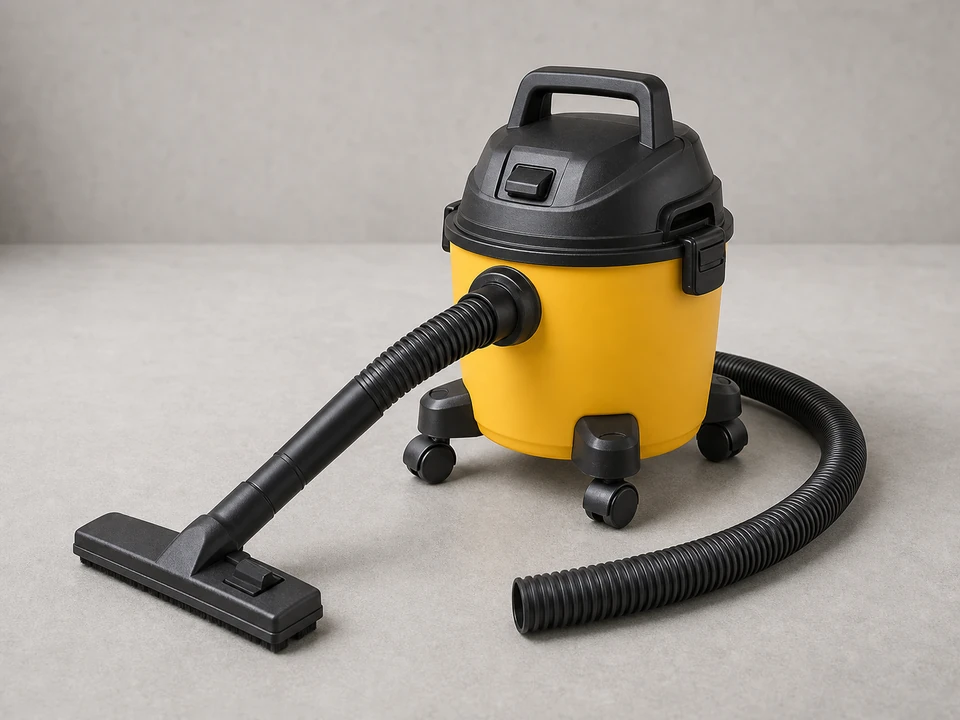
Use it for: To clear dust from the crack and wall surface before applying paste and ports.
Find a shop vacuum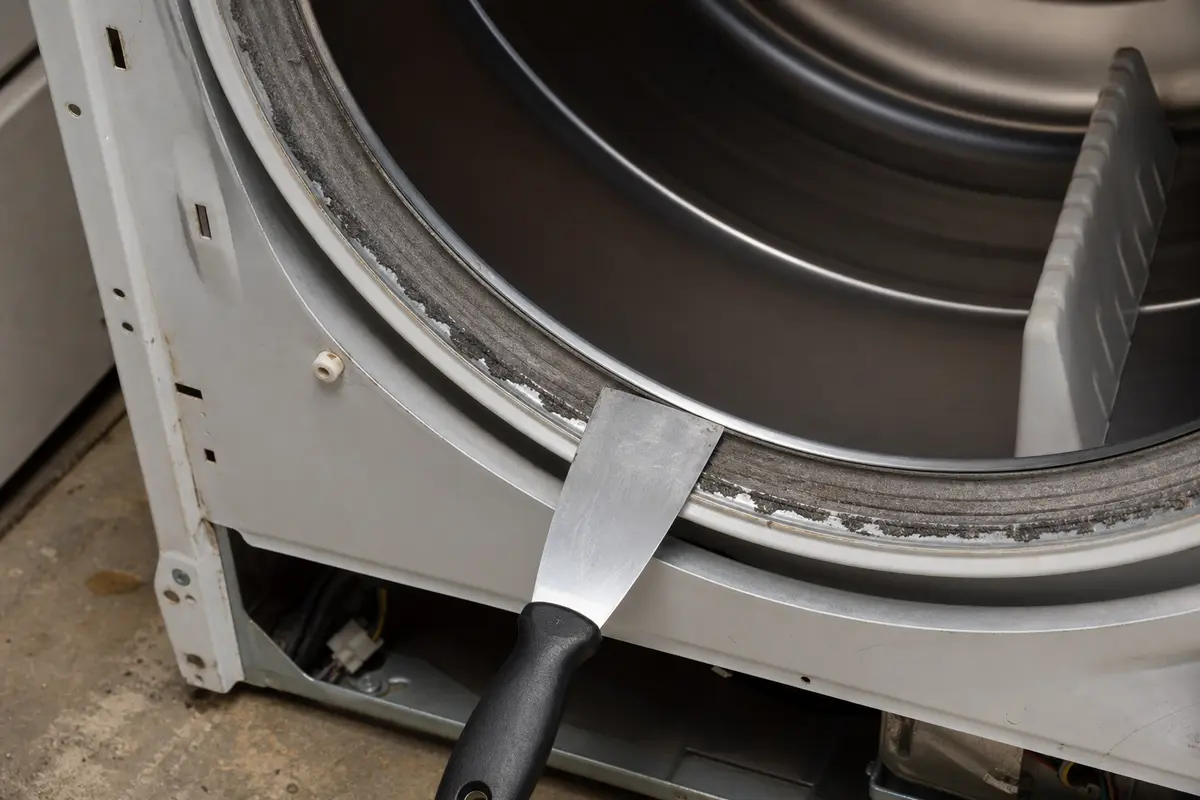
Use it for: To spread surface seal paste over the crack and around the injection ports.
Buy a putty knife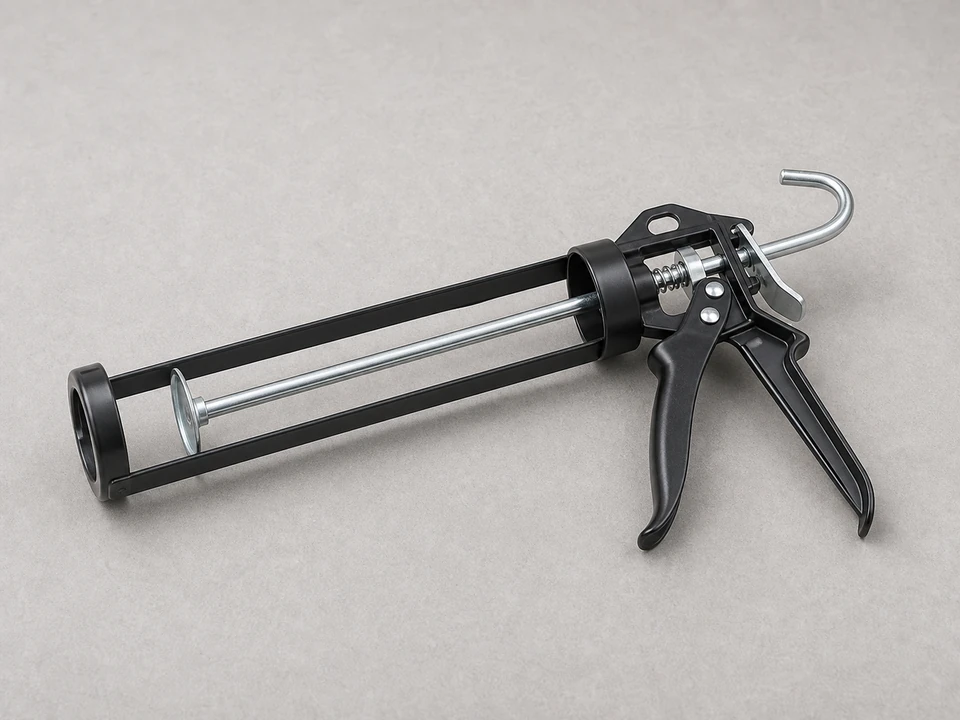
Use it for: Some repair materials come in cartridges and need a standard caulk gun for application.
Shop caulk guns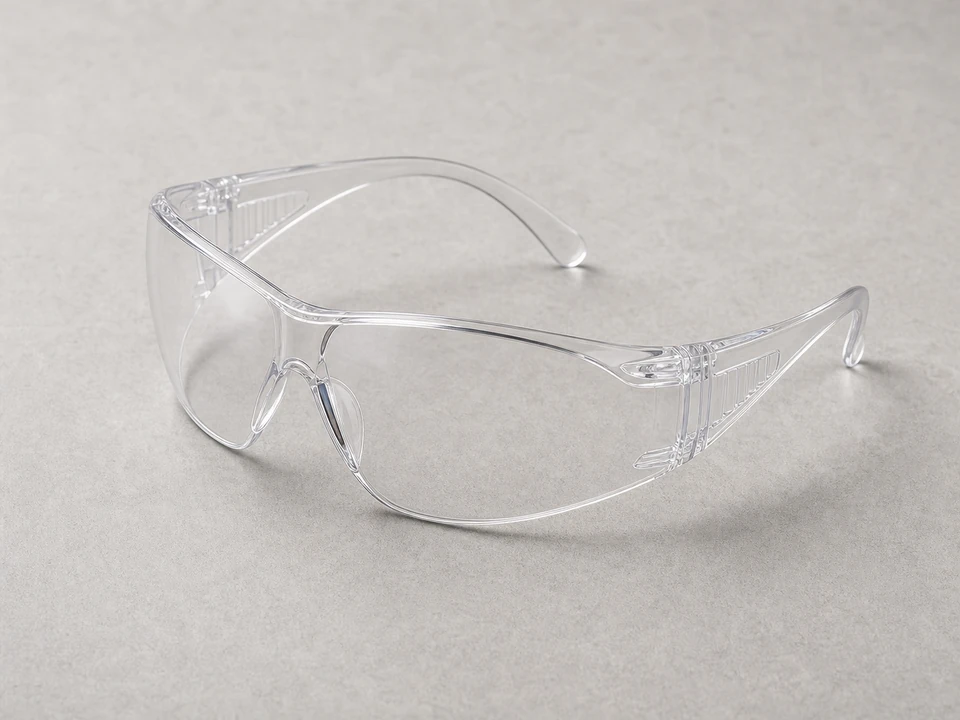
Use it for: To protect your eyes from dust, chips, and splashes while cleaning and injecting.
Get safety glasses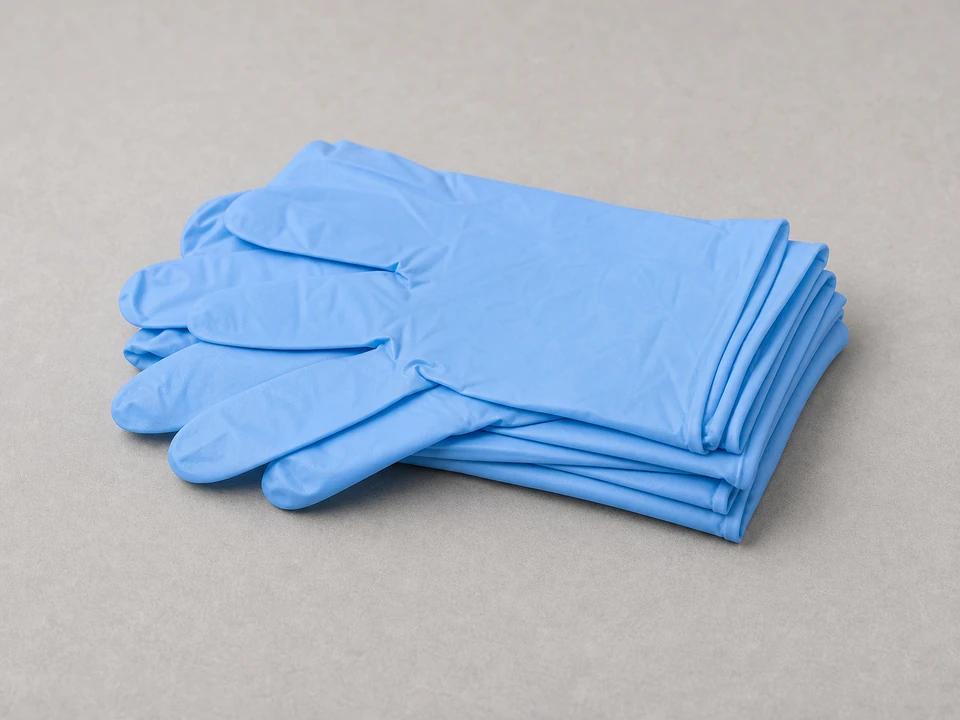
Use it for: To keep resin and surface paste off your skin during the repair.
Buy nitrile glovesAs an Amazon Associate I earn from qualifying purchases. Repair Riot may earn a commission at no extra cost to you.
If it works: You have a reachable crack that appears stable enough for an injection repair and a kit that fits the job.
If it doesn’t: If the moisture is coming from a floor joint, window, pipe penetration, or exterior grading issue instead, switch to the repair that matches that source before using the kit.
If it works: The wall surface is clean, solid, and ready for the new ports and surface seal.
If it doesn’t: If old material is still firmly bonded and not interfering with the new layout, leave only the sound material in place and continue after cleaning the surrounding surface.
If it works: The crack face is sealed and the ports are attached firmly enough for injection.
If it doesn’t: If a port will not stay attached, clean that spot again and reapply fresh paste before trying to inject.
If it works: Injection material has moved through the crack path and each port has been filled in sequence.
If it doesn’t: If material immediately blows back out around a port or through an unsealed section, stop injecting there, reseal the leak point on the surface, let it set, and continue once the face is tight.
If it works: The repair has cured and the wall surface is finished enough for monitoring.
If it doesn’t: If the material is still soft or tacky, give it more cure time based on room temperature and humidity before trimming or testing the repair.
If it works: The repaired crack stays dry and shows no signs of renewed leakage or movement.
If it doesn’t: If the same area still leaks, the crack may not have filled completely or the water may be entering from a different path, so inspect the exterior drainage and consider a second diagnosis before repeating the repair.
Match the replacement part to your exact basement foundation before ordering.
As an Amazon Associate I earn from qualifying purchases. Repair Riot may earn a commission at no extra cost to you.
No. It is best for a stable crack that is leaking or has leaked before. If the wall is shifting, bowing, or breaking apart, a kit is not the right fix by itself.
You should remove loose or failed material so the new kit can bond to solid concrete or masonry. Sound material that is firmly attached and not in the way can sometimes stay.
Most vertical crack repairs start at the bottom so the material pushes air upward and fills the crack as it rises. Always follow the instructions included with your kit.
Wait for the full cure time listed by the kit, then monitor the area during the next rain or wet period. A dry wall right after application is not enough by itself.
The crack may not have filled completely, or the water may be entering from another path such as exterior drainage, a floor joint, or another hidden crack. Recheck the source before repeating the repair.