
Work gloves
Use it for: Protects your hands from sharp cabinet edges and dirty buildup.
Shop work glovesTo clean an HRV / ERV core, turn the unit off, remove the core, clean it the way the core material allows, let it dry fully, then reinstall it and confirm normal airflow.
A dirty core can cut airflow and reduce heat or energy recovery. The main goal is to clean buildup without bending, soaking, or damaging the core. If you are not sure whether your core is washable, treat it gently and verify the cleaning method from the unit label or owner paperwork before using water.
Before you start: Match the part or procedure carefully before you start. Stop if the repair becomes unsafe or unclear.
Use it for: Protects your hands from sharp cabinet edges and dirty buildup.
Shop work gloves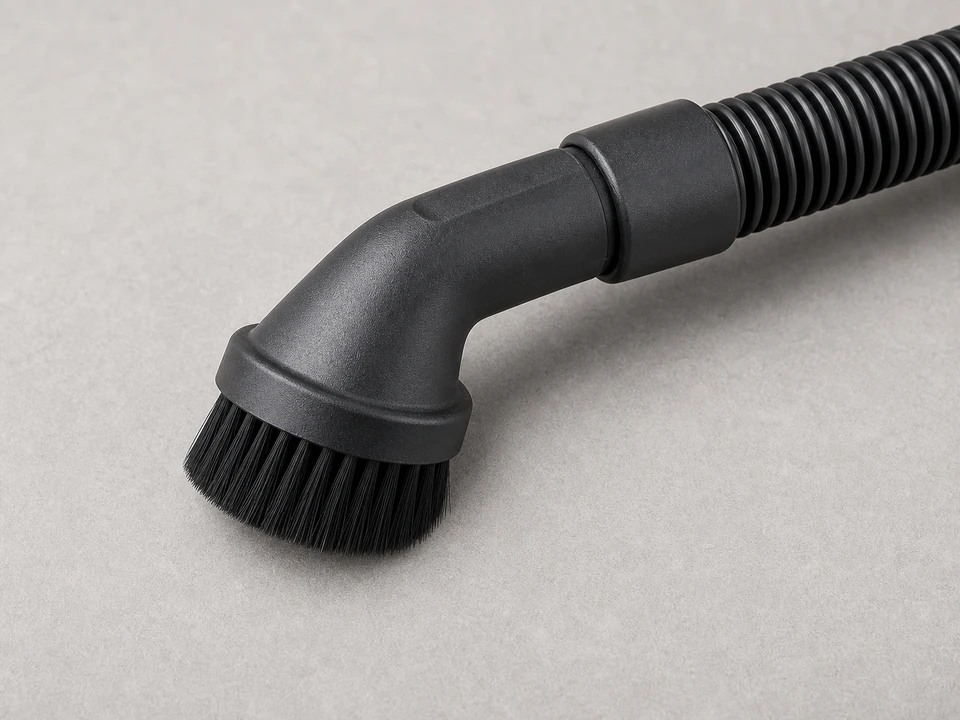
Use it for: Lifts loose dust from the core and inside the compartment without scraping it.
Shop vacuum brush attachment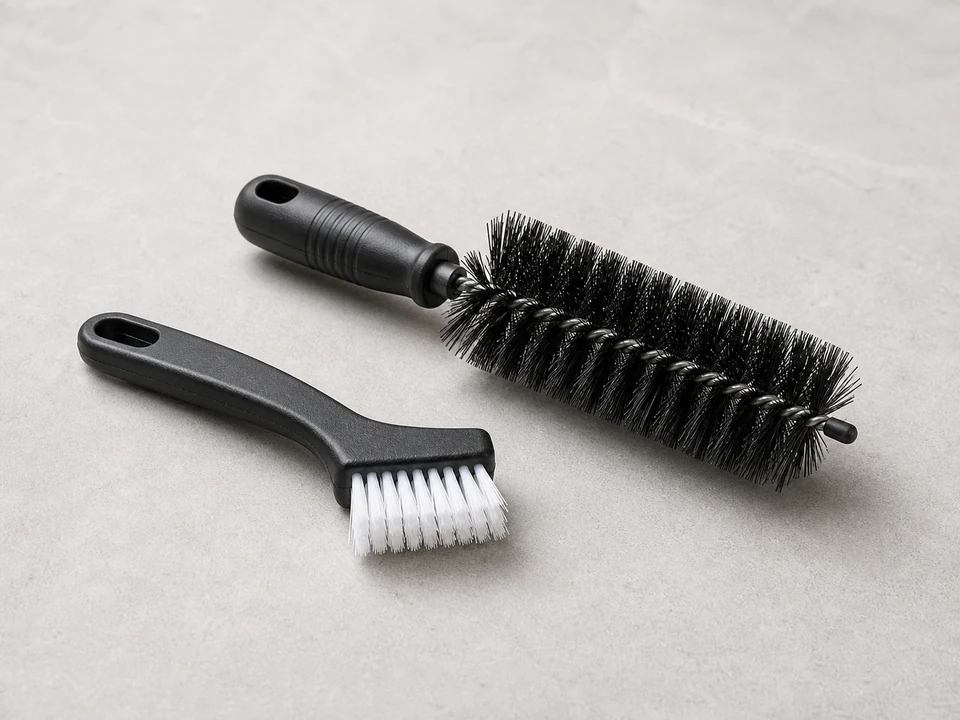
Use it for: Helps loosen lint and dust from corners and face surfaces gently.
Shop soft cleaning brush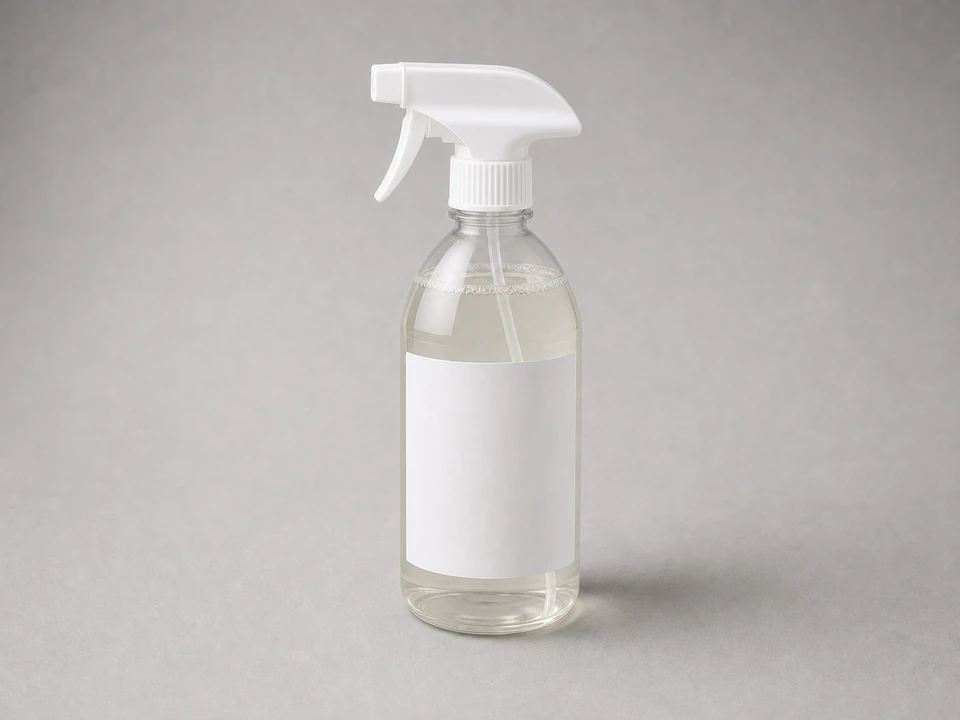
Use it for: Lets you rinse or apply mild soapy water lightly if the core is washable.
Shop spray bottles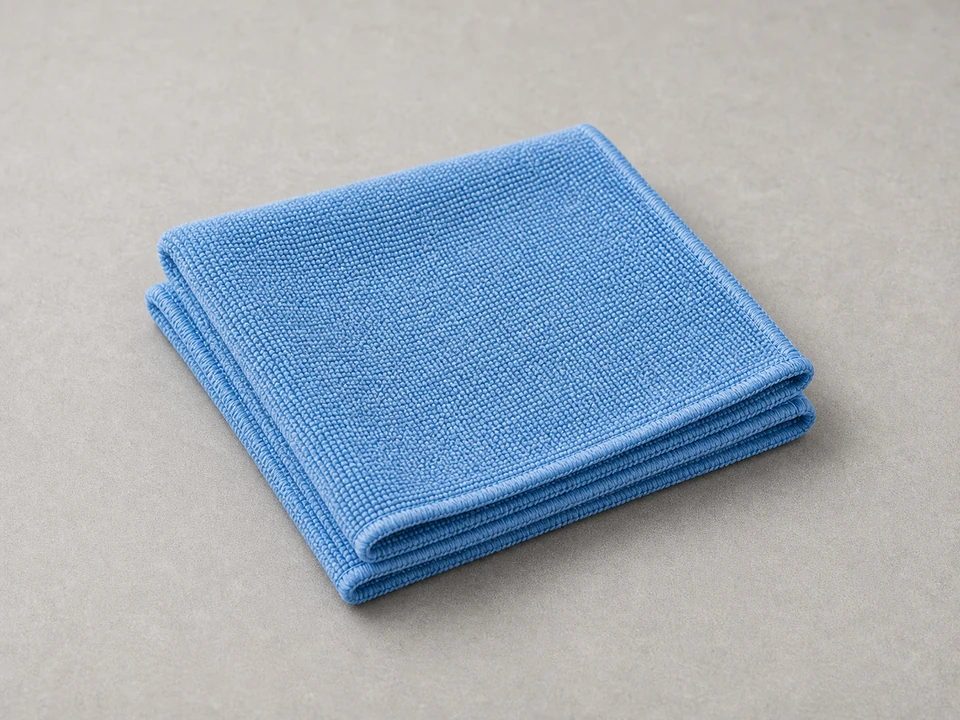
Use it for: Useful for wiping the cabinet, door gasket area, and any drips.
Shop microfiber cloths
Use it for: Gives you a safe place to rinse a washable core without dropping it.
Shop utility tubsAs an Amazon Associate I earn from qualifying purchases. Repair Riot may earn a commission at no extra cost to you.
If it works: You have confirmed the core and surrounding area are dirty enough to justify cleaning.
If it doesn’t: If the core looks clean and the filters are the only dirty part, service the filters first and then recheck airflow.
If it works: The core is out and supported safely without damage.
If it doesn’t: If the core feels stuck, look for a latch, retainer, or buildup in the tracks instead of forcing it.
If it works: Loose lint and dust are removed and the core surface looks clearer.
If it doesn’t: If dust is packed into the passages, move on to a light rinse only if the core is confirmed washable.
If it works: The core is cleaned without harsh force or chemical damage.
If it doesn’t: If buildup remains after gentle cleaning, repeat a light rinse once more rather than scrubbing aggressively.
If it works: The core is fully dry, back in place, and the cabinet is closed up properly.
If it doesn’t: If the core still feels damp, give it more drying time before restarting the unit.
If it works: The unit runs normally, airflow improves, and the repair holds during real operation.
If it doesn’t: If airflow is still weak, service the filters, outdoor hoods, and drain path next, or move on to a deeper diagnosis for fan, control, or duct issues.
No. Some cores can be rinsed gently, while others should only be vacuumed or brushed clean. If you are not sure, use dry cleaning only until you confirm the correct method from the unit label or owner information.
A good homeowner routine is to inspect it seasonally and clean it when you see dust buildup or reduced airflow. Homes with more dust, pets, or renovation debris may need more frequent service.
Usually none, or just a small amount of mild soap on a washable core. Avoid bleach, solvents, degreasers, and anything strongly scented or corrosive.
The next likely causes are dirty filters, blocked exterior hoods, a drainage or frost issue, fan trouble, or duct restrictions. Cleaning the core helps only if the core was the main restriction.
Replace it if the media is torn, crushed, separating, mold-damaged, or no longer fits and seals correctly. A damaged core will not recover properly with cleaning alone.