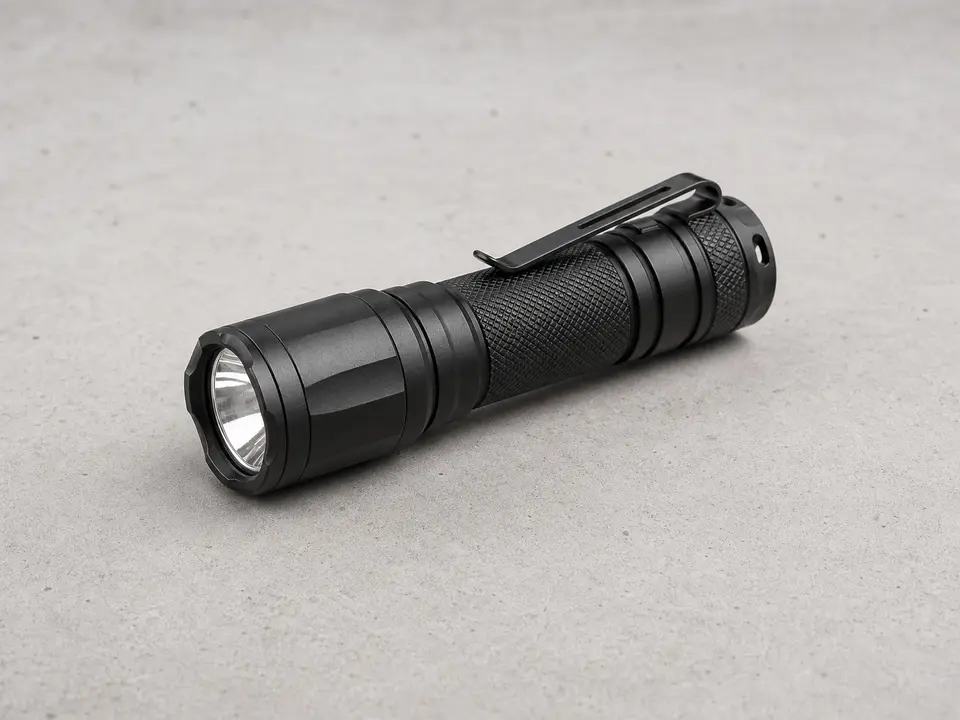
Flashlight
Use it for: Helps you spot the weep holes and see packed dirt or blockage inside the opening.
Shop small flashlightsTo clean window weep holes, open the sash if needed, find the small drain openings at the bottom of the exterior window frame or track, remove visible dirt, then clear the passage gently with a plastic pick, small brush, or short burst of air and confirm water drains out freely.
Weep holes are built-in drain openings that let water escape from parts of the window frame. When they clog with dirt, paint, insect debris, or old caulk, water can sit in the frame and show up as leaks, staining, or a musty smell. This is usually a simple cleaning job, but you want to do it gently so you do not damage the frame or force water deeper into the wall.
Before you start: Window weep holes vary by frame style. Use small non-marring cleaning tools that fit the opening without enlarging or damaging it. Stop if the repair becomes unsafe or unclear.
Use it for: Helps you spot the weep holes and see packed dirt or blockage inside the opening.
Shop small flashlights
Use it for: Lets you loosen debris without scratching metal or vinyl frames.
Shop plastic picks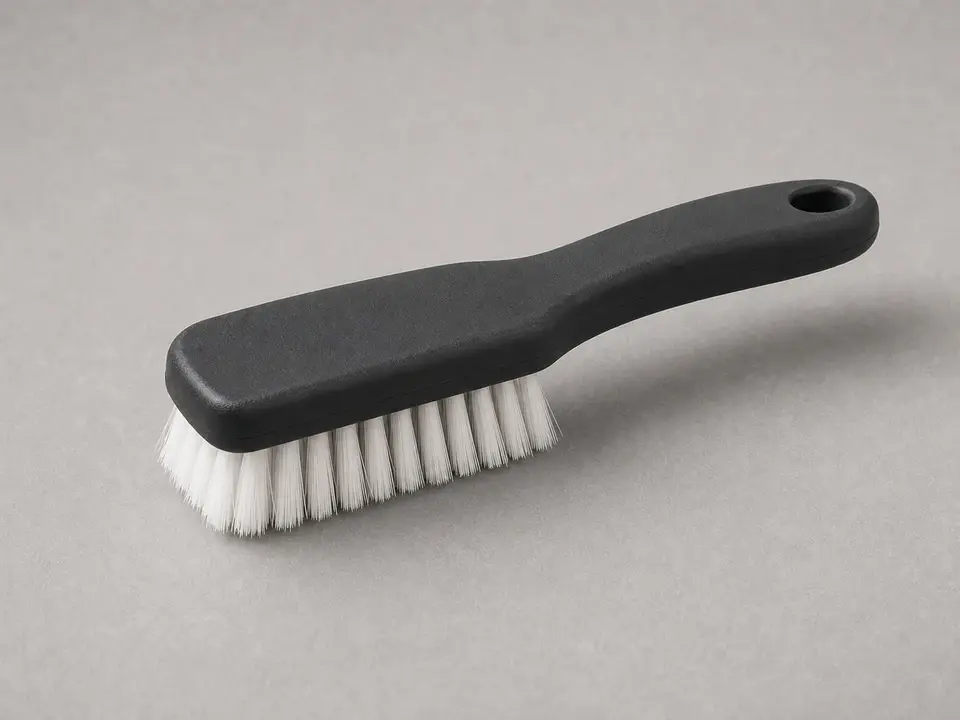
Use it for: Useful for brushing out dirt from the track and around the drain opening.
Shop small cleaning brushes
Use it for: Can push loose debris out of the drain path after you break it up.
Shop compressed air dusters
Use it for: Used to test whether the weep holes are draining properly after cleaning.
Shop spray bottles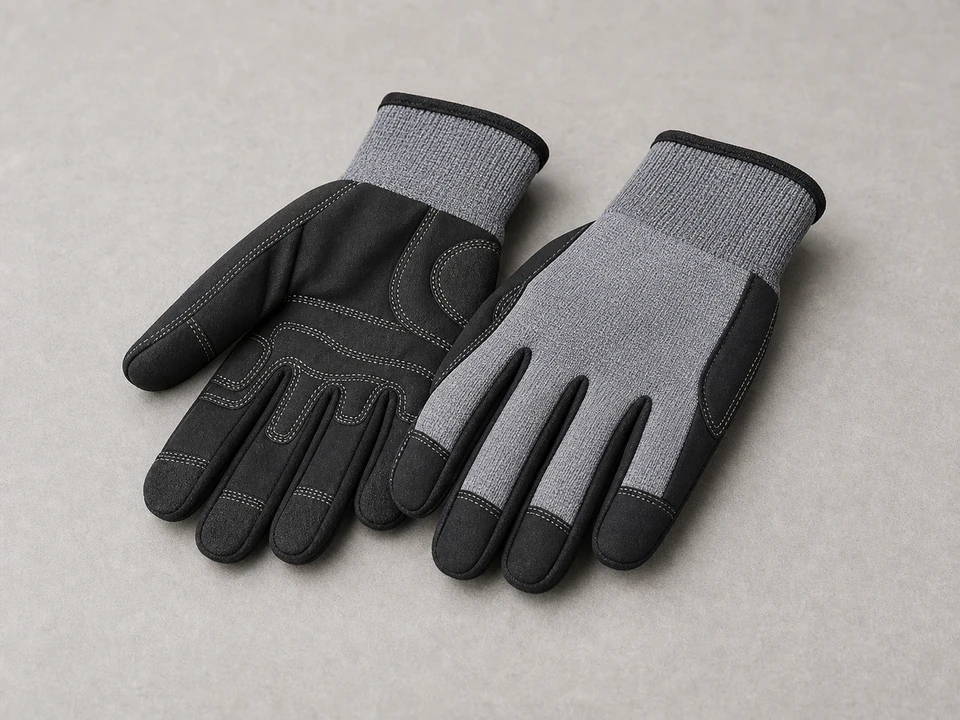
Use it for: Protects your hands from sharp debris, old metal edges, and dirty buildup.
Shop work glovesAs an Amazon Associate I earn from qualifying purchases. Repair Riot may earn a commission at no extra cost to you.
If it works: You found the drain openings and the issue appears to be blocked drainage rather than a larger window failure.
If it doesn’t: If you cannot find any weep holes, check the window from the exterior and look along the bottom frame for small slots or covered drain openings. If water is entering from the top or sides instead, this cleaning may not solve the leak.
If it works: The track and frame are clean enough to work in, and each weep hole is visible.
If it doesn’t: If paint, caulk, or grime is covering the openings, clean the surface first so you can tell where the actual drain path begins.
If it works: Debris comes out of the opening and the weep holes look visibly clearer.
If it doesn’t: Repeat with the brush and plastic pick. If the blockage feels solid and does not break up, it may be paint, hardened caulk, or internal damage rather than simple dirt.
If it works: The whole drainage area is clean, not just the visible hole opening.
If it doesn’t: If the track keeps filling with debris from damaged weatherstripping, crumbling frame parts, or exterior dirt washing in, address that source or the clog will return.
If it works: Water moves through the frame and drains out of the weep holes instead of pooling in the track.
If it doesn’t: Clean the openings again and retest. If water still will not drain, the blockage may be deeper inside the frame or the leak may be coming from another part of the window assembly.
If it works: The window drains normally and the original water backup problem does not return.
If it doesn’t: If water still shows up indoors, inspect for failed caulk, flashing problems, cracked frame parts, or other leak paths beyond the weep holes.
They are drain openings built into many window frames. Their job is to let water that gets into the track or frame drain back out before it collects and causes leaks or damage.
Most are near the bottom of the exterior frame or at the lower track area. They often look like small slots or round openings spaced along the bottom of the window.
It is better not to. Metal tools can scratch the frame, enlarge the opening, or damage internal parts. A plastic pick, zip tie, or small nylon brush is safer.
Check them at least once or twice a year, and more often if your windows collect pollen, dust, leaves, or insect debris. It also makes sense to check them anytime you notice standing water in the track.
No. It helps when water is backing up because the frame cannot drain. If the real problem is failed caulk, bad flashing, cracked frame parts, or water entering from above, you will need a different repair.