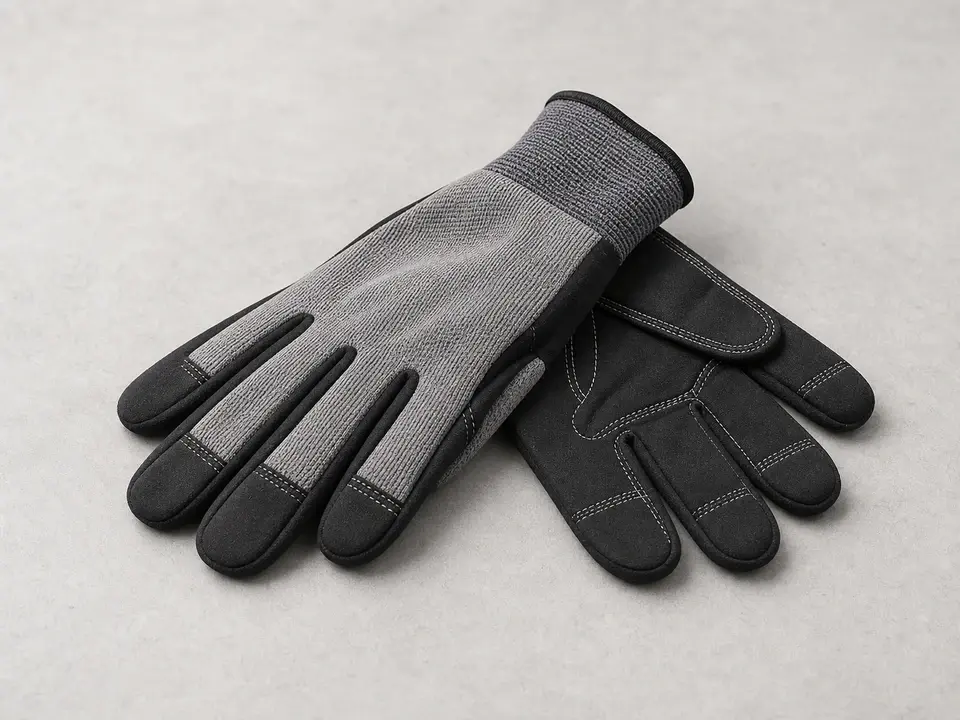
Work gloves
Use it for: Protects your hands from sharp window frame edges, old staples, and brittle seal material.
Shop work glovesTo replace basement window weatherstripping, first confirm the old seal is flattened, torn, loose, or missing, then remove it, clean the mounting surface, install matching new weatherstripping, and test the window for a snug close without binding.
This is a manageable homeowner repair if the window frame is still solid and the sash operates normally. The key is using the right weatherstripping shape and putting it on a clean surface so it seals instead of peeling back off.
Before you start: Match the profile, length, and window compatibility before ordering.
Use it for: Protects your hands from sharp window frame edges, old staples, and brittle seal material.
Shop work gloves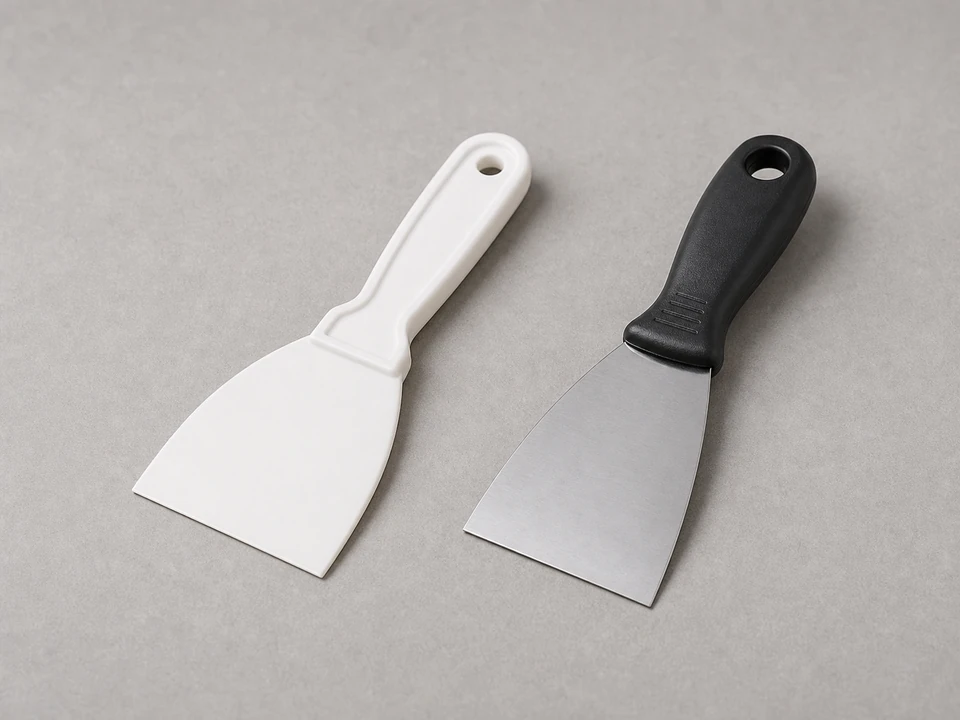
Use it for: Helps lift old weatherstripping and scrape away leftover adhesive without gouging the frame.
Shop scrapers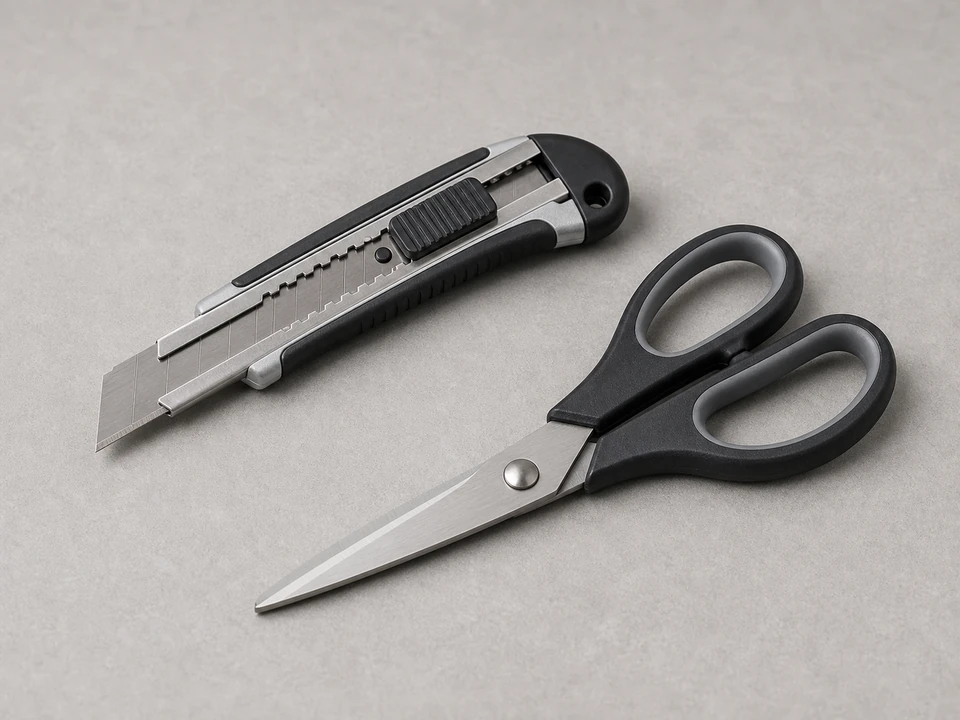
Use it for: Cuts the new weatherstripping cleanly to length.
Shop utility knives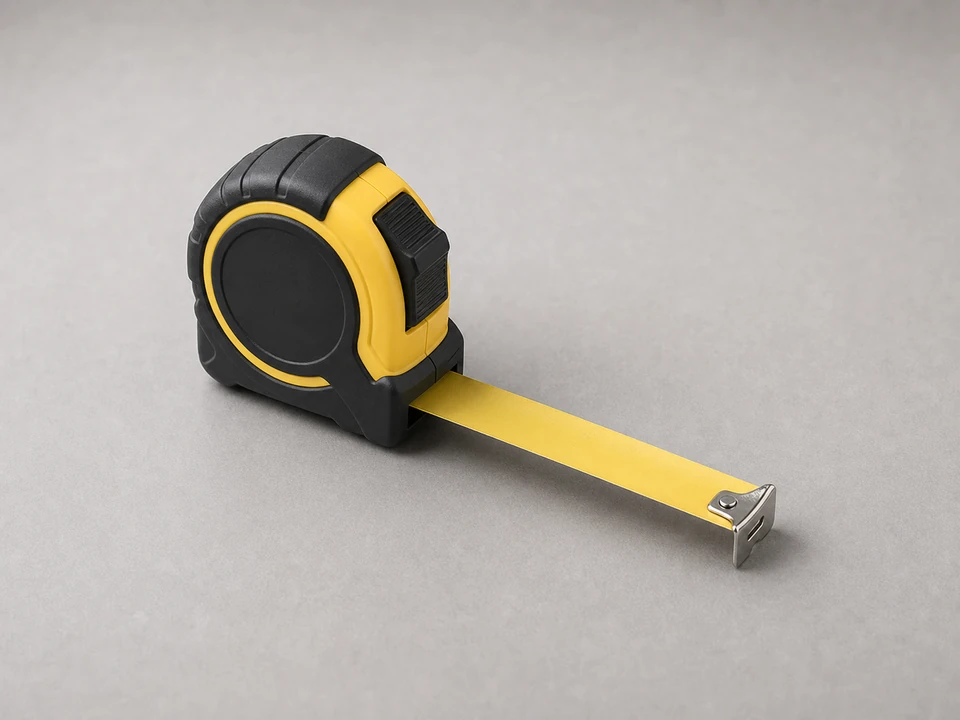
Use it for: Lets you measure each side so the replacement seal fits correctly.
Shop measuring tapes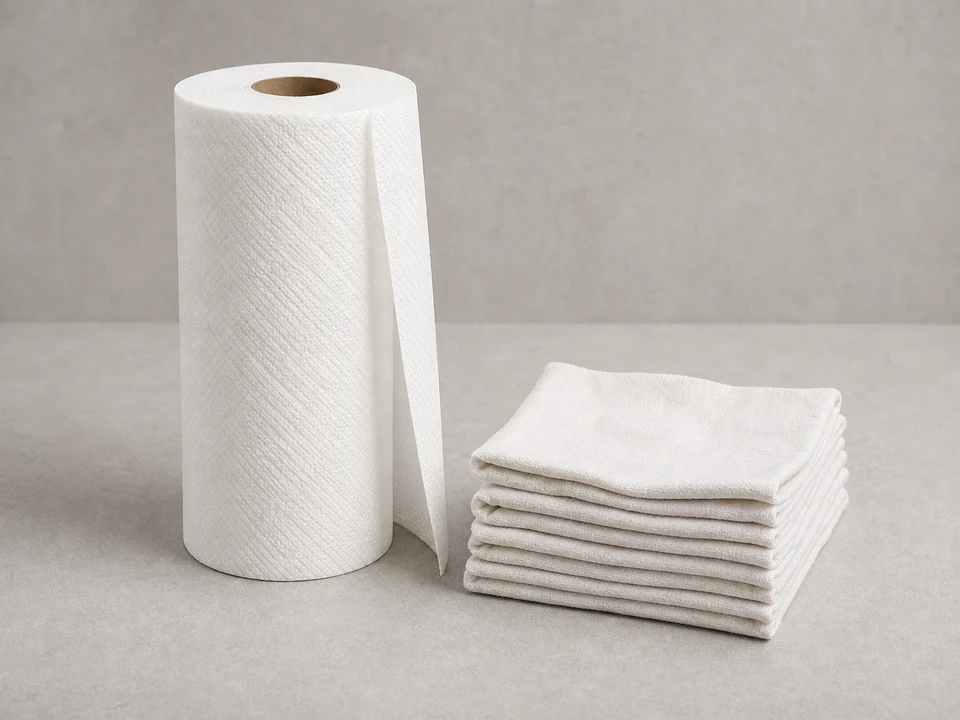
Use it for: Used to wipe dirt, dust, and adhesive residue from the frame before installation.
Shop cleaning rags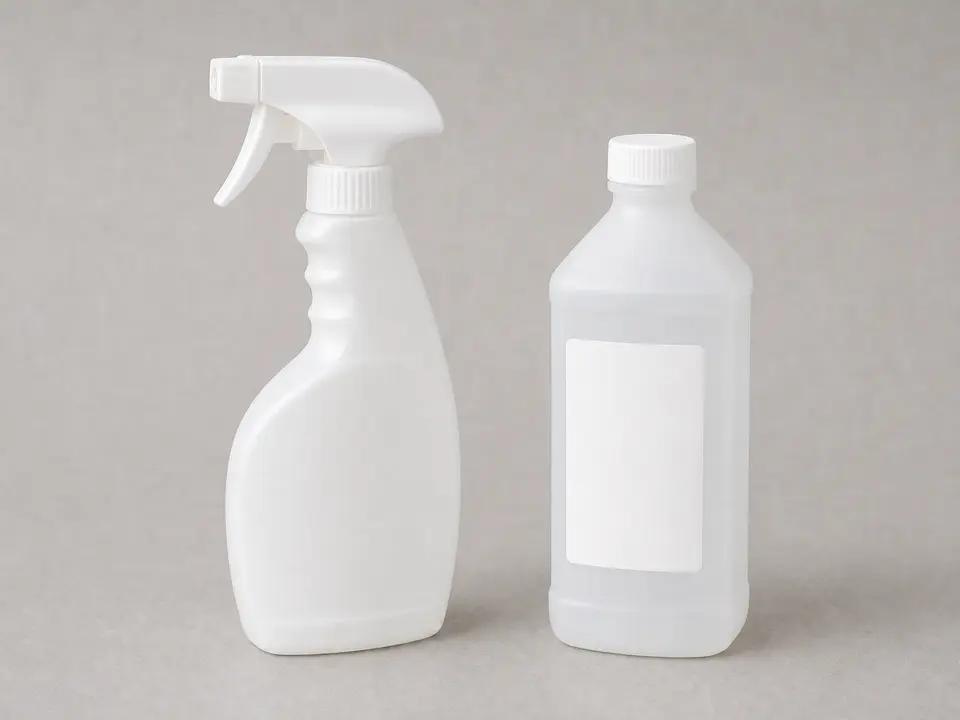
Use it for: Cleans the contact surface so adhesive-backed weatherstripping sticks better.
Shop rubbing alcoholAs an Amazon Associate I earn from qualifying purchases. Repair Riot may earn a commission at no extra cost to you.
If it works: You found worn or missing weatherstripping and the window frame and sash still appear solid enough for a seal replacement.
If it doesn’t: If the seal looks intact, check for a latch problem, frame movement, or water entering from the window well or exterior caulking instead.
If it works: The old weatherstripping is removed and you have a clear view of the mounting surface.
If it doesn’t: If the old seal breaks apart, remove it in small sections and save the best remaining piece for matching.
If it works: The contact surface is clean, dry, and measured so the new weatherstripping can bond and seal properly.
If it doesn’t: If adhesive residue is still slick or gummy, keep cleaning until the surface feels dry and stable to the touch.
If it works: Each piece is cut to the right length and fits the intended location before installation.
If it doesn’t: If the window looked hard to close with the dry-fit in place, recheck that you bought the correct profile and did not choose material that is too thick.
If it works: The new weatherstripping is fully installed, straight, and attached along the full sealing path.
If it doesn’t: If a section lifts, clean that area again and reinstall it, or replace that piece if it was stretched or contaminated during installation.
If it works: The window closes smoothly, latches securely, and the new weatherstripping stays in place without visible gaps or repeat drafts.
If it doesn’t: If you still have air or water getting in, inspect the latch, frame alignment, exterior caulking, and the window well area because the leak path may be outside the weatherstripping.
Match the profile, length, and window compatibility before ordering.
As an Amazon Associate I earn from qualifying purchases. Repair Riot may earn a commission at no extra cost to you.
Replace it if it is cracked, flattened, loose, missing, or no longer seals when the window closes. Drafts, light gaps, and minor moisture at the sash-to-frame contact area are common clues.
No. The profile and thickness need to match the way your window seals. If the material is too thin, it will not seal. If it is too thick, the window may not close or latch properly.
If the rest of the weatherstripping is the same age and condition, replacing the full sealing path usually gives a more even result. A short patch can work, but mixed old and new material may not compress the same way.
The problem may be a loose latch, a warped sash, frame movement, exterior caulking failure, or water and air entering from the window well area rather than through the seal itself.
It can help at the sash seal, but it will not fix drainage problems, failed exterior sealing, or water entering through the wall or frame. If water keeps showing up after replacement, look beyond the weatherstripping.