Outdoor drainage

How to Clean a Yard Drain Catch Basin

To clean a yard drain catch basin, remove the grate, scoop out leaves and sediment, clear the outlet opening, flush the drain line, and then test that water moves through without backing up.

A catch basin is meant to trap debris before it clogs the drain line. When that basin fills with sludge, leaves, or mulch, water starts ponding around the grate or overflowing during rain. This job is usually straightforward if the basin is intact and the blockage is near the top.

Before you start: Choose tools that fit your grate openings and basin size, and use a flushing tool sized for your drain pipe if you plan to clear the outlet line. Stop if the repair becomes unsafe or unclear.

Prepared by: Repair Riot Last updated: 2026-06-05 How we build and check guides

Safety first

  • Wear gloves because catch basins often hide sharp debris, insects, and dirty standing water.
  • Lift heavy cast or steel grates carefully and get help if the grate is too heavy to handle safely.
  • Keep children and pets away from the open basin while the grate is removed.

Tools you may need

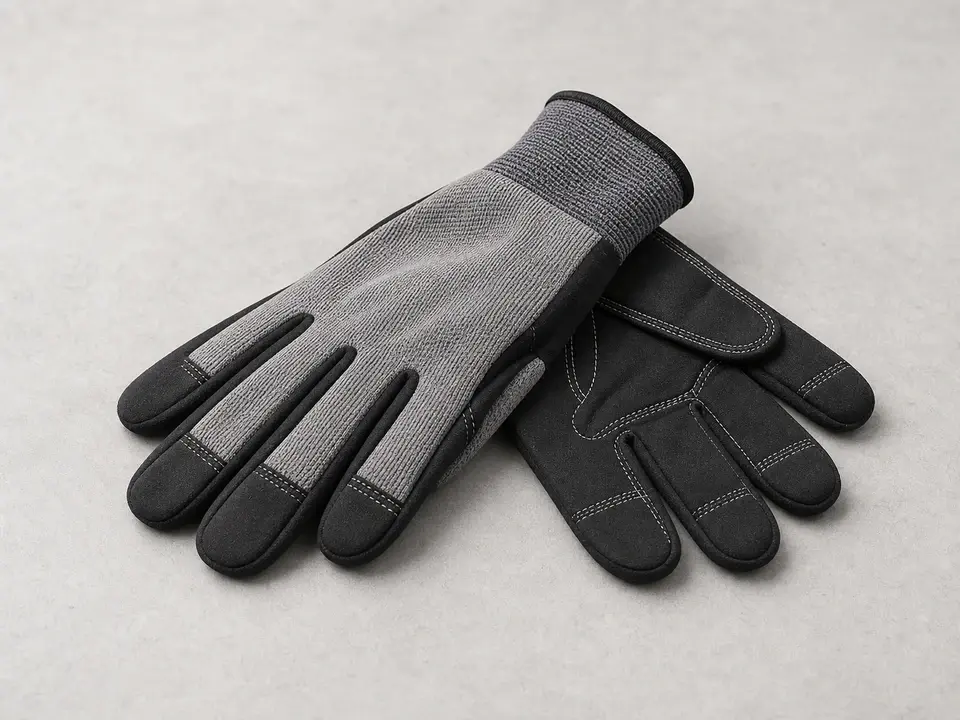
Work gloves tool

Work gloves

Use it for: Protects your hands from sharp grate edges, dirty water, and hidden debris.

Shop work gloves
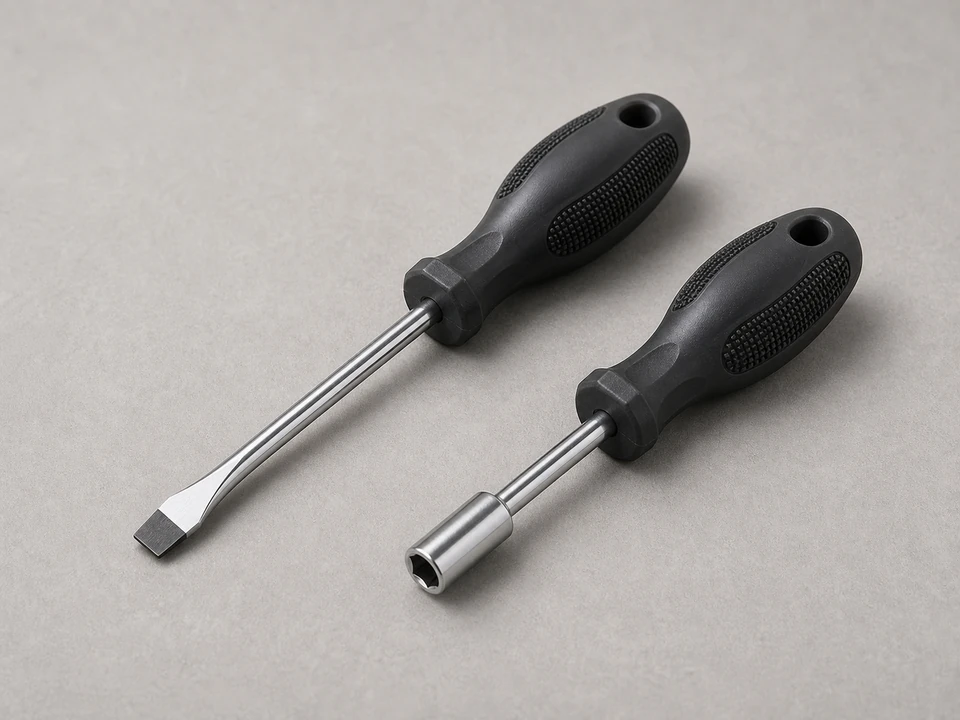
Small drain scoop or hand trowel tool

Small drain scoop or hand trowel

Use it for: Lets you remove packed mud, leaves, and sludge from the basin.

Shop drain scoops
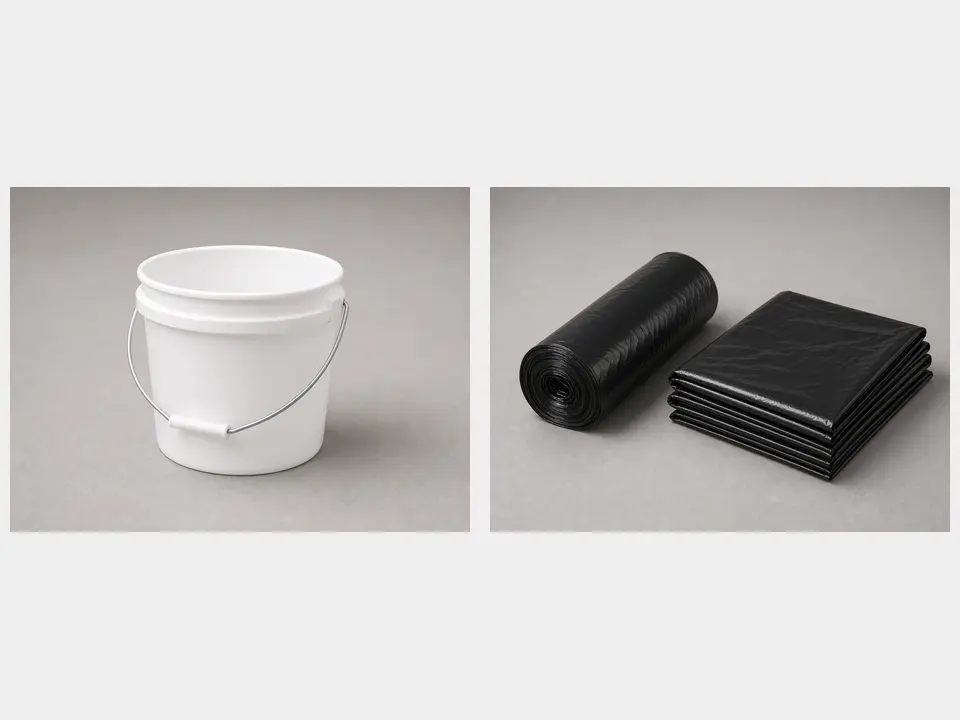
Bucket or heavy trash bag tool

Bucket or heavy trash bag

Use it for: Gives you a place to put wet debris instead of washing it back into the yard.

Shop cleanup buckets
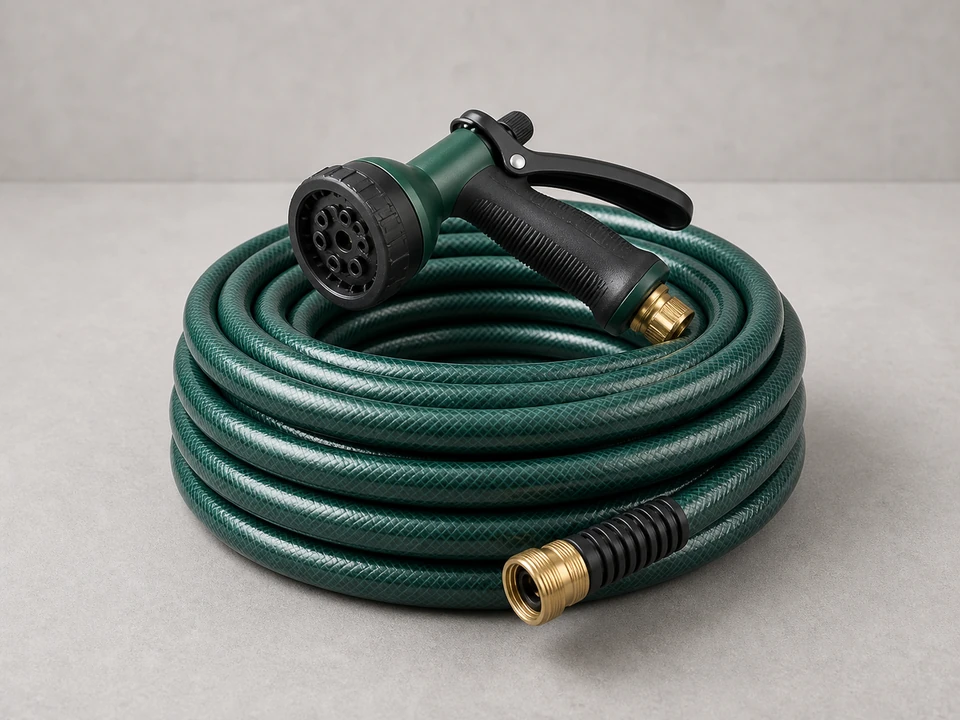
Garden hose with spray nozzle tool

Garden hose with spray nozzle

Use it for: Rinses the basin walls and helps flush loose debris toward the outlet.

Shop hose nozzles
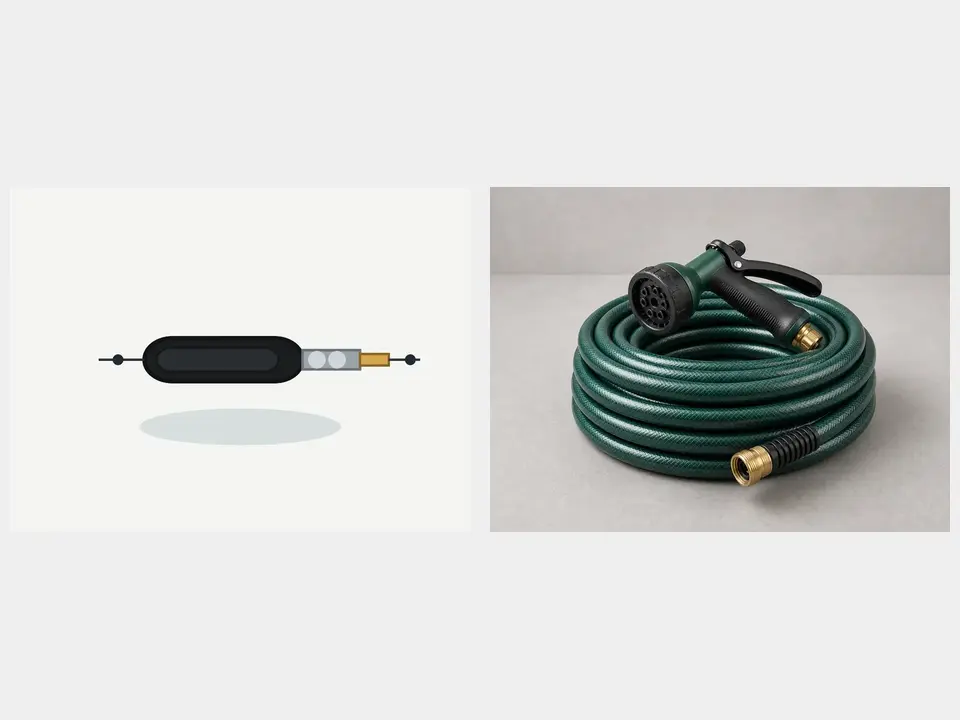
Drain bladder or hose jet attachment tool

Drain bladder or hose jet attachment

Use it for: Helps push through a partial clog in the outlet pipe after the basin is cleaned.

Shop drain flushing tools

As an Amazon Associate I earn from qualifying purchases. Repair Riot may earn a commission at no extra cost to you.

Step-by-step fix

Step 1: Make sure the catch basin is the problem

  1. Look for water ponding around the grate, slow draining after rain, or debris visible through the grate openings.
  2. Check whether the basin sits lower than the surrounding yard and is meant to collect runoff from that area.
  3. If you can see leaves, mulch, mud, or standing water in the basin, cleaning is a reasonable first step.
  4. If the area stays wet even when the basin is clear, the issue may be farther down the drain line or related to grading instead of the basin itself.

If it works: You have good reason to clean the catch basin before chasing a bigger drainage problem.

If it doesn’t: If the basin already looks clear and water still backs up, focus on the outlet line or broader yard drainage layout instead of repeating this cleaning.

Stop if:
  • The grate or basin body is broken, collapsed, or badly shifted in the ground.
  • You see signs the drain line has sunk, separated, or washed out the soil around it.
  • The basin contains contaminated water, sewage odor, or anything unsafe to handle.

Step 2: Set up the area and remove the grate

  1. Put on gloves and move aside mulch, stones, or surface debris around the grate so nothing falls in while you work.
  2. Lift the grate straight up. If it is screwed down, remove the fasteners first and set them somewhere you will not lose them.
  3. If the grate is stuck, work around the edges with a flat screwdriver and lift carefully so you do not crack the basin frame.
  4. Set the grate on a flat surface where it can be rinsed later.

Step 3: Scoop out leaves, sludge, and sediment

  1. Use a scoop, trowel, or gloved hand to remove leaves, twigs, mulch, and mud from the bottom of the basin.
  2. Work until you can clearly see the outlet opening where water leaves the basin.
  3. Place debris in a bucket or trash bag instead of piling it next to the drain where rain can wash it back in.
  4. If the debris is soupy, remove the thick material first and leave the final rinse for the next step.

If it doesn’t: If the basin keeps filling with muddy water as you clean, bail out what you can and continue once you can see the outlet area clearly.

Step 4: Clear the outlet opening and flush the basin

  1. Pull out any roots, packed leaves, or mulch caught right at the outlet opening.
  2. Spray the basin walls and floor with a hose nozzle to wash remaining residue toward the outlet.
  3. Use a moderate stream at first so you do not splash debris back into your face or pack it tighter into the pipe.
  4. If water drains away, keep rinsing until the basin bottom is mostly clean and free of loose sediment.

Step 5: Flush the outlet pipe if needed

  1. Insert a garden hose or drain bladder into the outlet opening far enough to stay in place without forcing it.
  2. Run water gradually and give the line time to carry loosened debris out.
  3. Watch the basin as you flush. A partial clog often breaks free suddenly and the water level will drop.
  4. Stop flushing once flow improves, then rinse the basin one more time to remove anything left behind.

Step 6: Reinstall the grate and test it in real use

  1. Rinse the grate clean and set it back in place evenly so it sits flat and secure.
  2. Reinstall any screws or fasteners that held the grate down.
  3. Run a hose into the basin for several minutes to simulate runoff and confirm water enters, drops through the basin, and exits through the outlet.
  4. Check the area around the drain after the test and again after the next real rain to make sure water is not ponding at the surface.

If it works: The catch basin drains normally, the grate is secure, and water no longer pools around it under normal flow.

If it doesn’t: If the basin is clean but the area still floods during rain, the problem is likely farther down the drain line or the yard needs additional drainage capacity or grading correction.

Stop if:
  • The grate rocks, shifts, or leaves an unsafe opening after reinstallation.

Verify the repair

  • Water poured into the basin drops through and exits without quickly backing up.
  • The outlet opening stays clear after the final rinse.
  • The grate sits flat and secure when reinstalled.
  • After the next rain, water no longer ponds around the catch basin under normal conditions.

FAQ

How often should I clean a yard drain catch basin?

At least once or twice a year is common, and more often if the drain sits under trees or collects mulch and roof runoff. A quick check before rainy seasons helps prevent overflow.

What is the difference between the catch basin and the drain line?

The catch basin is the box under the grate that traps debris. The drain line is the pipe that carries water away. Cleaning the basin removes what the box was designed to catch, but a blocked line may still need separate clearing.

Can I just hose debris down into the drain?

No. That usually moves the clog from an easy-to-reach basin into the buried pipe. Scoop out solids first, then flush only after the outlet opening is clear.

Why does the basin keep filling with mud?

Runoff may be carrying soil, mulch, or landscape debris into the drain. Bare soil, eroding beds, and heavy mulch near the grate are common causes. Reducing what washes in will cut down on repeat cleanings.

When should I call a pro?

Call for help if the basin is broken, the outlet pipe will not clear, water backs up from other drains, or you suspect the underground line has collapsed or separated.