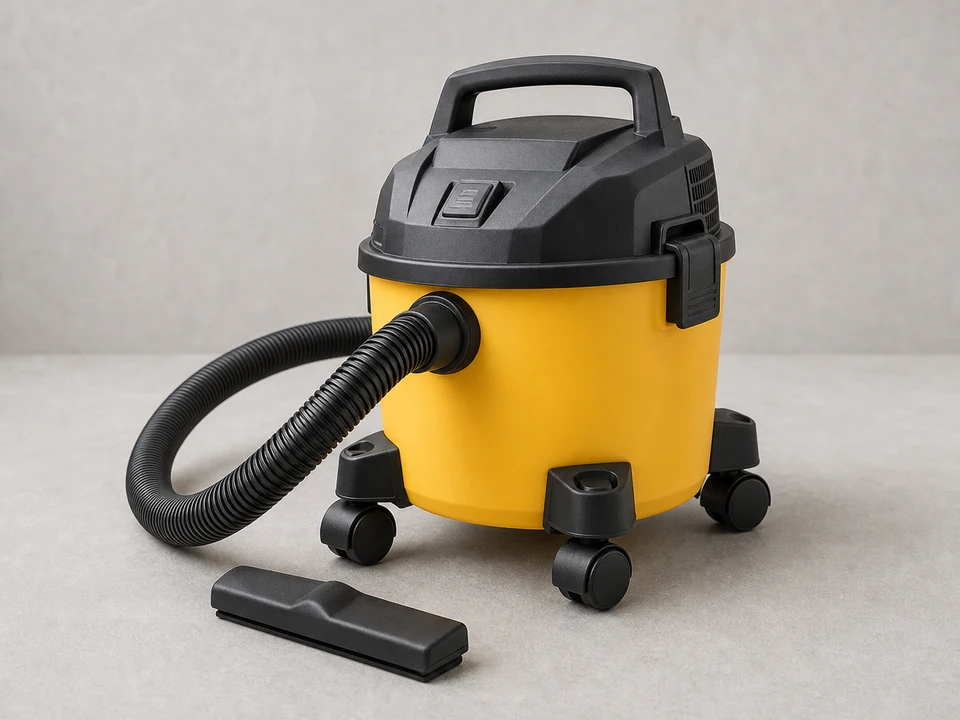
Wet/dry vacuum
Use it for: Pulls sludge and algae out of the drain line from the outside termination point.
Shop wet/dry vacuumsTo clear a condensate drain line, shut the system off, confirm the clog is in the drain path, open the access point, remove the blockage with a wet/dry vacuum or gentle flushing, and then test that water flows out freely.
A clogged condensate drain line usually shows up as water around the indoor unit, a full drain pan, or an AC that shuts down on a safety switch. The job is usually straightforward if the clog is near the line opening and the piping is still intact.
Before you start: Match the part or procedure carefully before you start. Stop if the repair becomes unsafe or unclear.
Use it for: Pulls sludge and algae out of the drain line from the outside termination point.
Shop wet/dry vacuums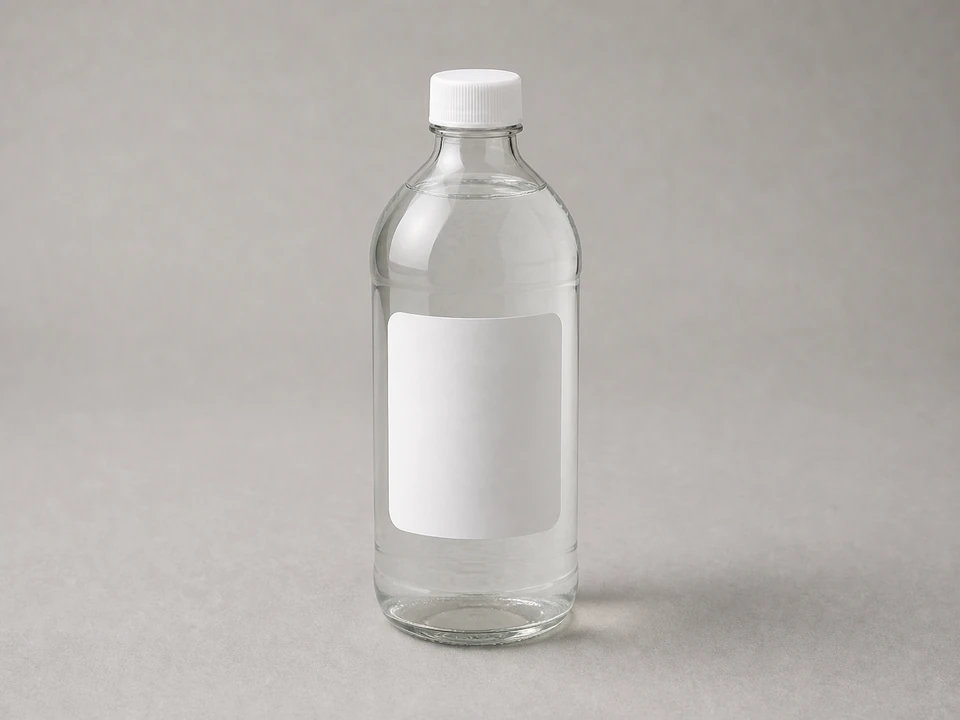
Use it for: Helps loosen light organic buildup when used as a flush.
Shop distilled vinegar
Use it for: Lets you pour cleaning liquid into the drain access opening without spilling.
Shop funnels
Use it for: Keeps sludge, dirty water, and sharp edges off your hands.
Shop work gloves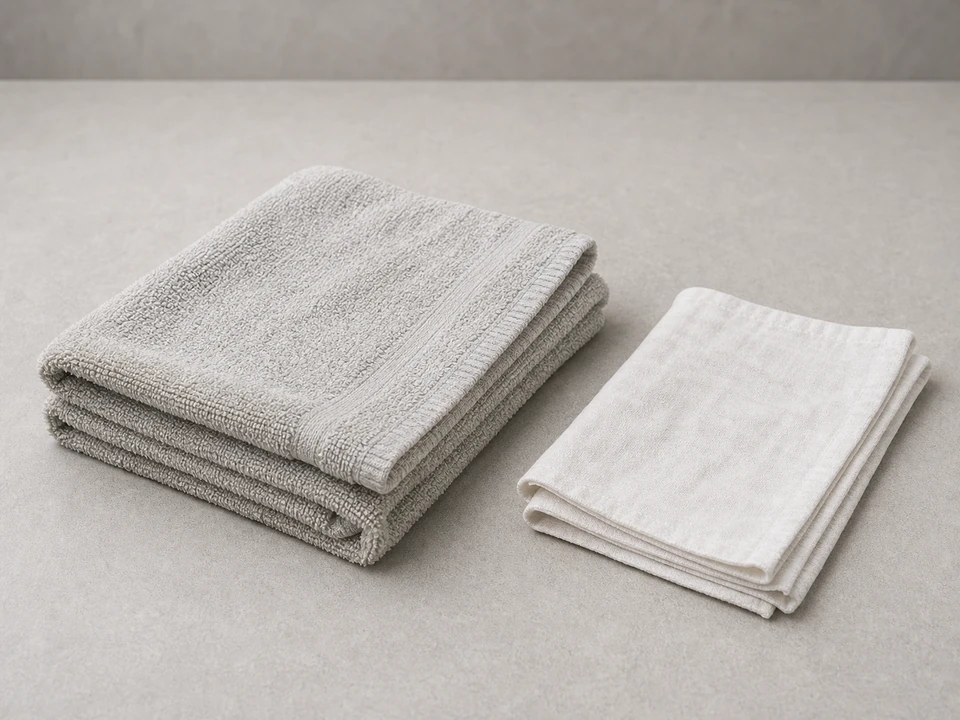
Use it for: Catches spills around the air handler and drain opening.
Shop shop towelsAs an Amazon Associate I earn from qualifying purchases. Repair Riot may earn a commission at no extra cost to you.
If it works: The symptoms point to a condensate drainage problem, and you have located the drain access point and line outlet.
If it doesn’t: If the area is dry and you do not see signs of drainage trouble, this may be the wrong repair path. Check for another cause before taking the drain apart.
If it works: The system is off and the drain access opening is ready for cleaning.
If it doesn’t: If you cannot find an access opening, follow the drain line to the outdoor end and plan to clear it from there with a vacuum.
If it works: You removed visible debris or dirty water, and the line is more likely open.
If it doesn’t: If little or nothing comes out, continue with a gentle flush from the indoor access point to help break up the clog.
If it works: Water moves through the line and exits normally without backing up at the access opening.
If it doesn’t: If water backs up quickly, repeat the vacuum step once more and try another gentle flush. If it still will not pass water, the clog may be deeper or the line may be pitched or installed poorly.
If it works: The drain access is closed, the area is clean, and there are no obvious leaks from the piping you handled.
If it doesn’t: If a fitting now drips, stop using force on it and inspect for a loose cap, damaged threads, or a cracked fitting.
If it works: The system runs, condensate drains normally, and water is no longer backing up around the indoor unit.
If it doesn’t: If the system shuts down again, the pan refills, or drainage stays slow, the clog may still be present or there may be a float switch, pitch, or line damage issue that needs deeper diagnosis.
Many homeowners use vinegar instead because it is a gentler cleaning flush for light organic buildup. Avoid mixing cleaners, and do not use anything harsh enough to damage piping or nearby components.
The most common cause is slime, algae, and debris building up in the wet drain path over time. Dust from the system can mix with moisture and create a blockage.
Some systems use a float switch or similar safety control that shuts cooling off when water backs up. That helps prevent overflow and water damage.
A light preventive flush during the cooling season can help, especially if your system has a history of algae or sludge buildup. The right interval depends on how often the system runs and how quickly buildup returns.
A repeat clog can mean there is still debris deeper in the line, the drain is not pitched well, or there is another drainage problem. If it keeps returning, the system may need a more thorough inspection.