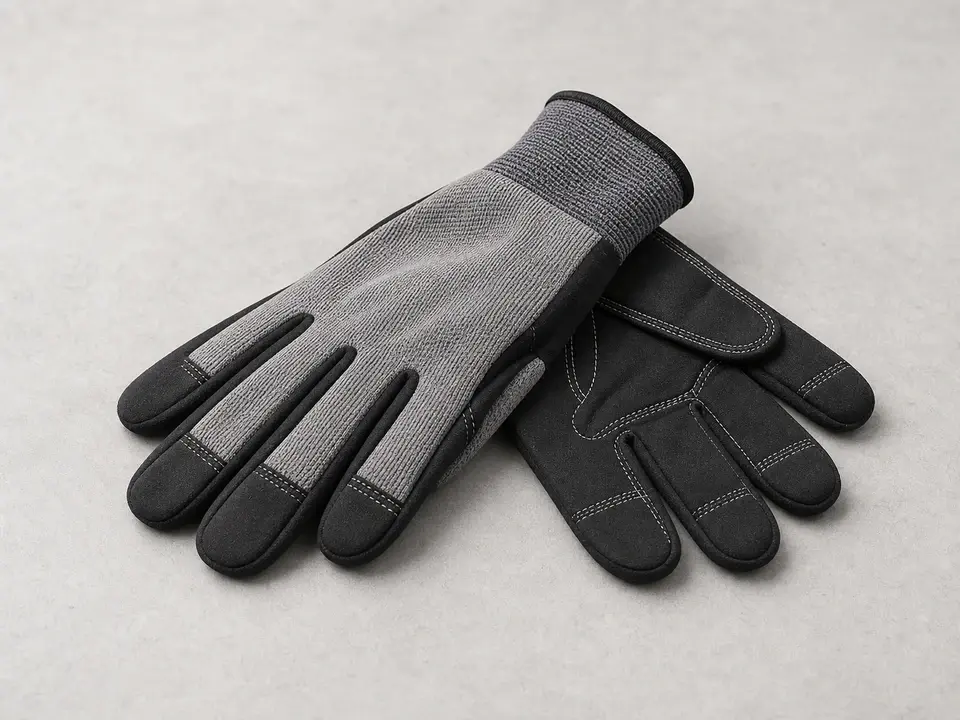
Work gloves
Use it for: Protects your hands from sharp cabinet edges and dirty condensate.
Shop work glovesIf the condensate drain line is cracked, split, loose, or staying clogged because it is damaged, replacing it is the right fix. Shut the boiler off, swap the line with the same size and routing, then test that condensate flows out without leaking or backing up.
A boiler condensate drain line carries acidic water away from the unit. When that line fails, you can get puddles, staining, repeated blockages, or a boiler that stops on a safety fault. This job is usually straightforward if the damage is limited to the drain line and its connections.
Before you start: Match the replacement part to your exact condensate drain before ordering.
Use it for: Protects your hands from sharp cabinet edges and dirty condensate.
Shop work gloves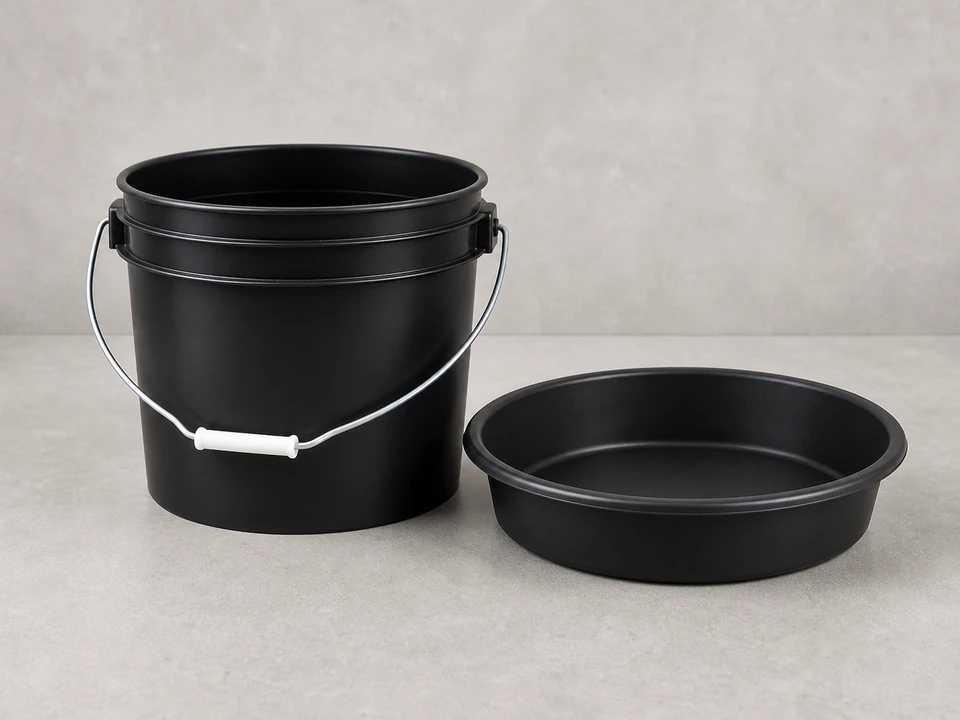
Use it for: Catches leftover water when you disconnect the old drain line.
Shop drain pans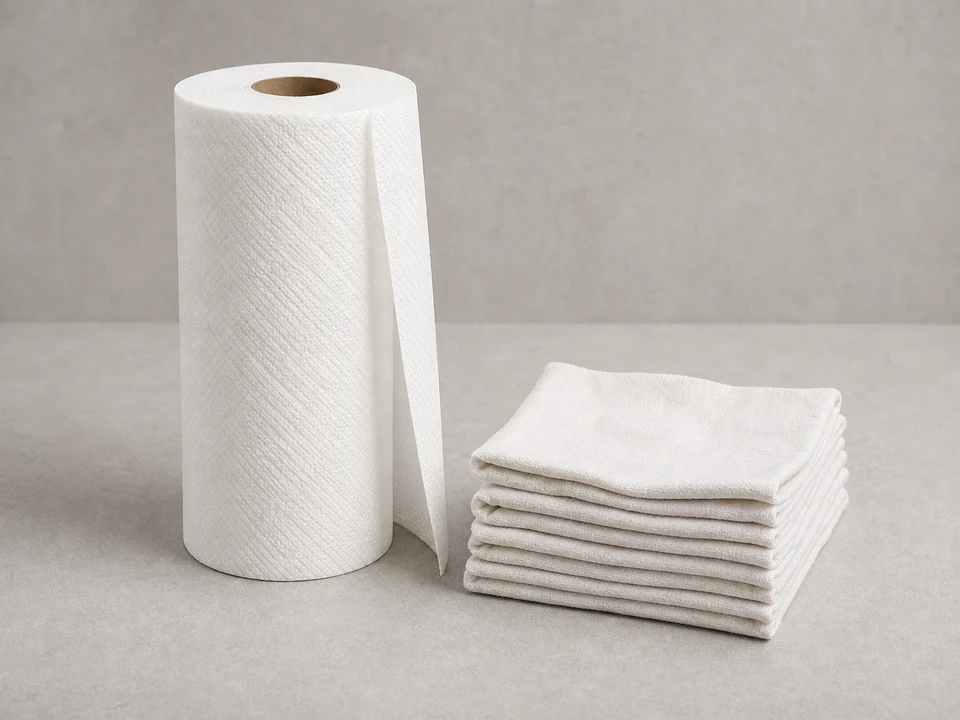
Use it for: Helps clean the area and spot fresh leaks during testing.
Shop cleaning rags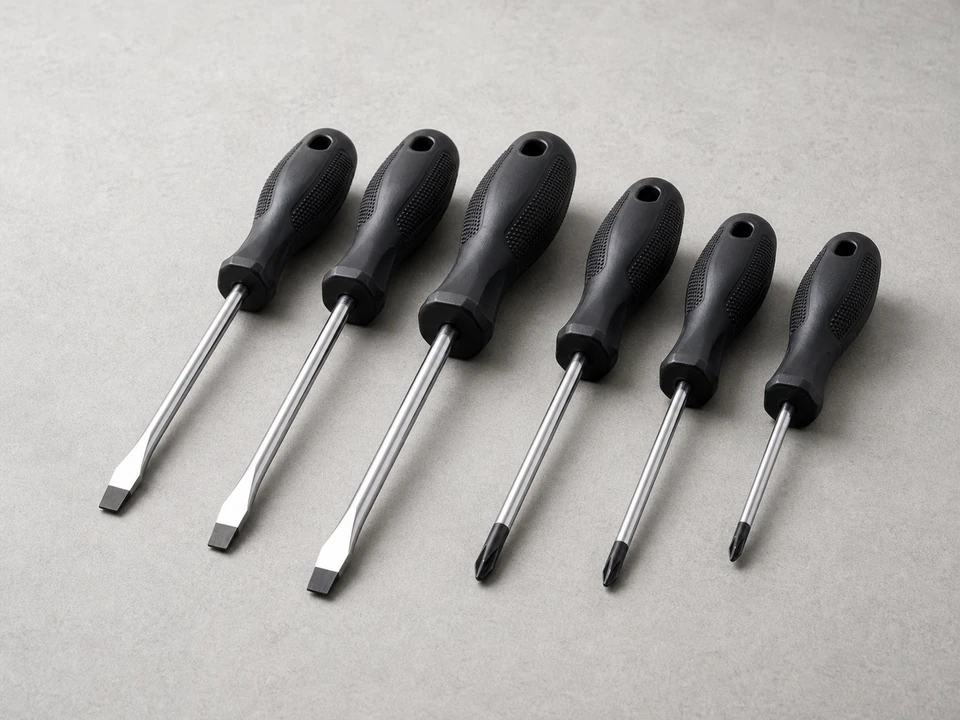
Use it for: Removes access panels or hose clamps if your setup uses them.
Shop screwdriver sets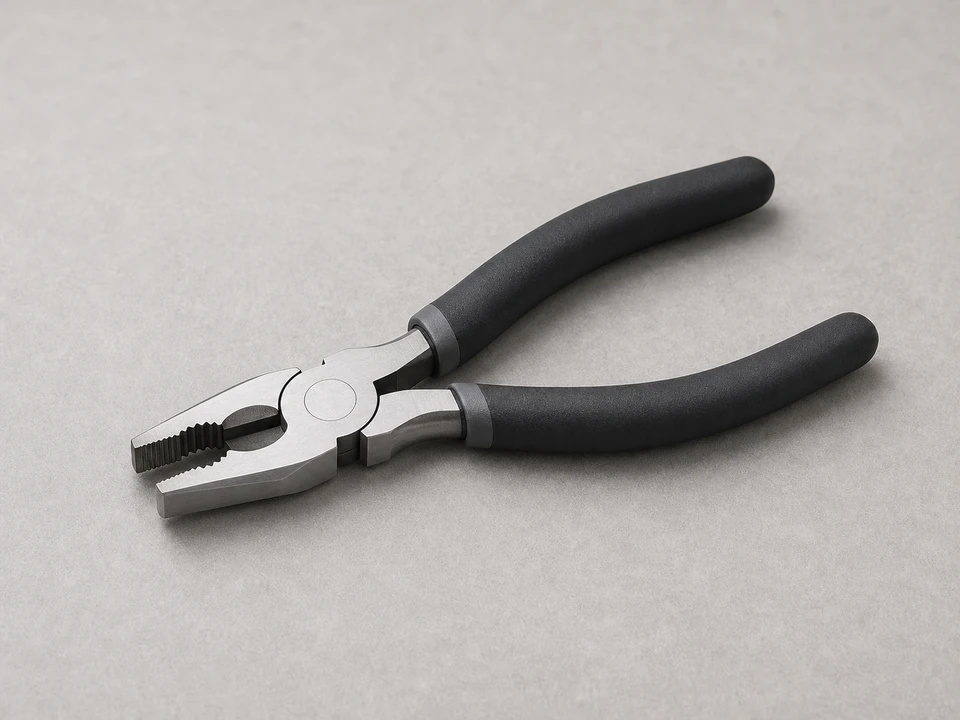
Use it for: Loosens spring clamps or helps pull a stuck drain line free.
Shop pliers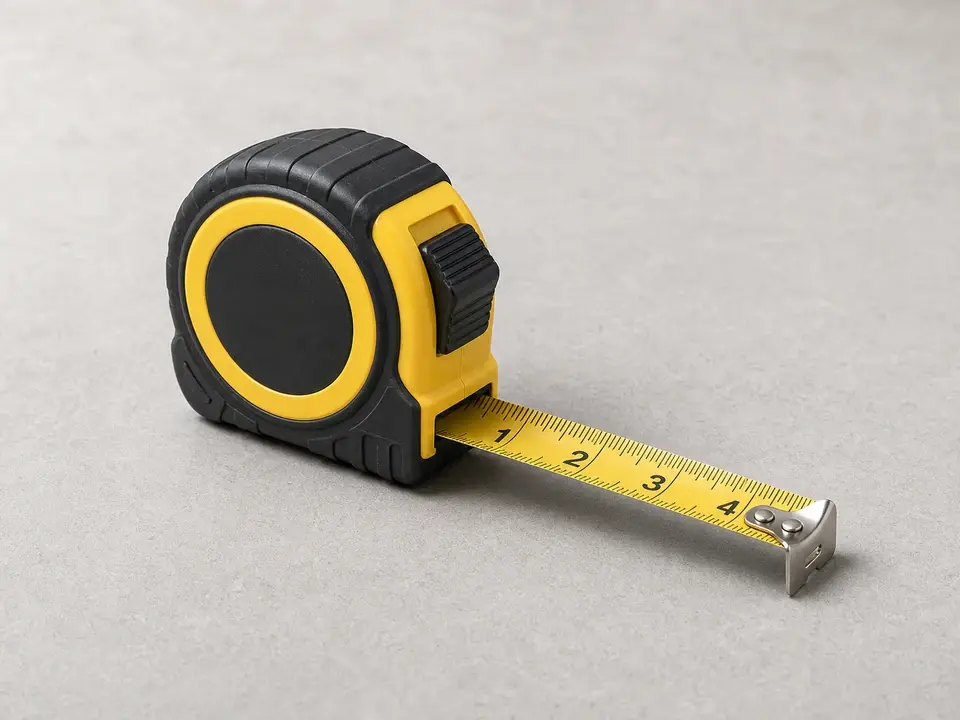
Use it for: Checks the old line length and inside diameter before you install the replacement.
Shop tape measuresAs an Amazon Associate I earn from qualifying purchases. Repair Riot may earn a commission at no extra cost to you.
If it works: You have confirmed the condensate drain line is damaged or no longer sealing properly at its connection points.
If it doesn’t: If the line looks intact and dry, check the condensate trap, pump, and nearby fittings before replacing the drain line.
If it works: The old condensate drain line is off and the area is ready for cleanup and measuring.
If it doesn’t: If the line is stuck, twist it gently with pliers instead of forcing the boiler fitting sideways.
If it works: The connection points are clean and the new drain line matches the old one closely enough to install without strain.
If it doesn’t: If the replacement does not match the old line size or connection style, pause and get the correct part before installing anything.
If it works: The new drain line is fully connected, supported, and routed without kinks or obvious low spots that could hold water.
If it doesn’t: If the line keeps kinking or pulling loose, shorten or reroute it so it follows a smoother path with less strain.
If it works: Condensate moves through the new line and out to the drain point without leaking or backing up.
If it doesn’t: If water is not moving well, recheck for a kink, an uphill section, or a blockage farther downstream in the drain path.
If it works: The boiler runs normally and the new condensate drain line stays dry at the connections while draining properly in real use.
If it doesn’t: If the area gets wet again, inspect the trap, pump, and downstream drain for a second issue that was hidden by the original leak.
Match the replacement part to your exact condensate drain before ordering.
As an Amazon Associate I earn from qualifying purchases. Repair Riot may earn a commission at no extra cost to you.
Replace it if the line is cracked, split, brittle, collapsed, or no longer seals well at the fittings. If it is only clogged but still in good shape, cleaning may be enough.
No. The replacement needs to match the original size and connection style, and it should handle condensate service without kinking or breaking down quickly.
The problem may be farther downstream. Check for a kinked route, an uphill section, a clogged condensate trap, a blocked floor drain, or a problem with a condensate pump if your system uses one.
Not always, but it is a good idea if the old clamps are rusty, weak, or no longer hold the line tightly. A new line will not stay dry if the connection hardware is failing.
Stop and get the boiler checked. A leak from inside the cabinet can point to a different failure than the drain line, and that is not something to guess at.