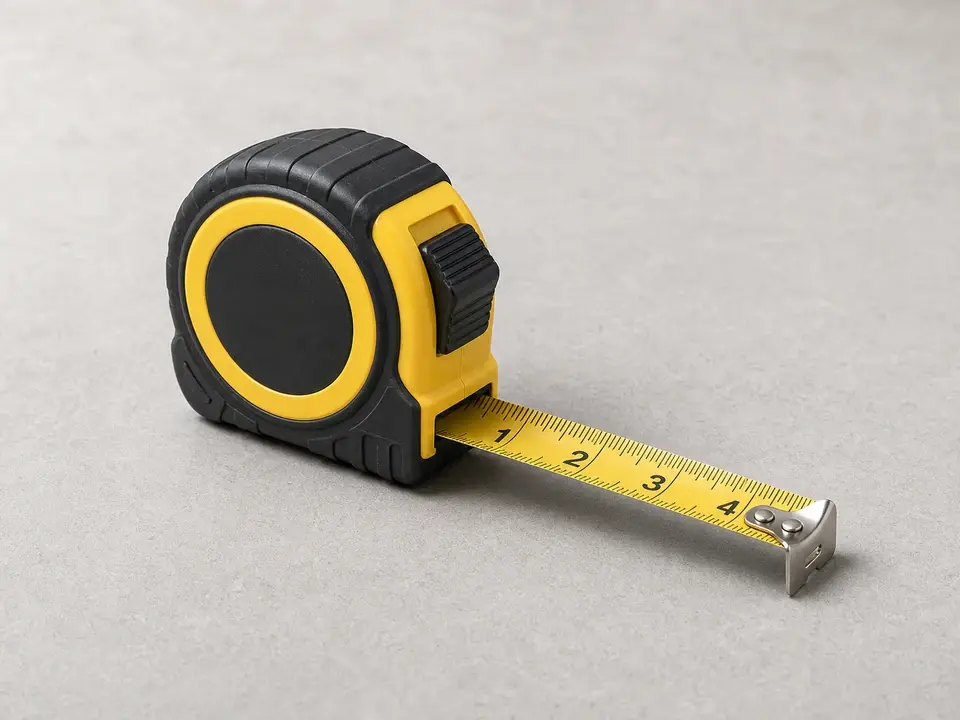
Tape measure
Use it for: To check the drain line outside diameter and cut the new insulation to length.
Shop tape measuresIf the condensate drain line is sweating because its foam wrap is split, missing, or waterlogged, replacing the insulation is usually a straightforward fix.
This repair is mostly about getting the right size insulation, removing the old material cleanly, and sealing the new wrap so humid air cannot reach the cold pipe.
Before you start: Match the replacement insulation to the drain line pipe diameter and use insulation rated for condensate or HVAC drain lines before ordering.
Use it for: To check the drain line outside diameter and cut the new insulation to length.
Shop tape measures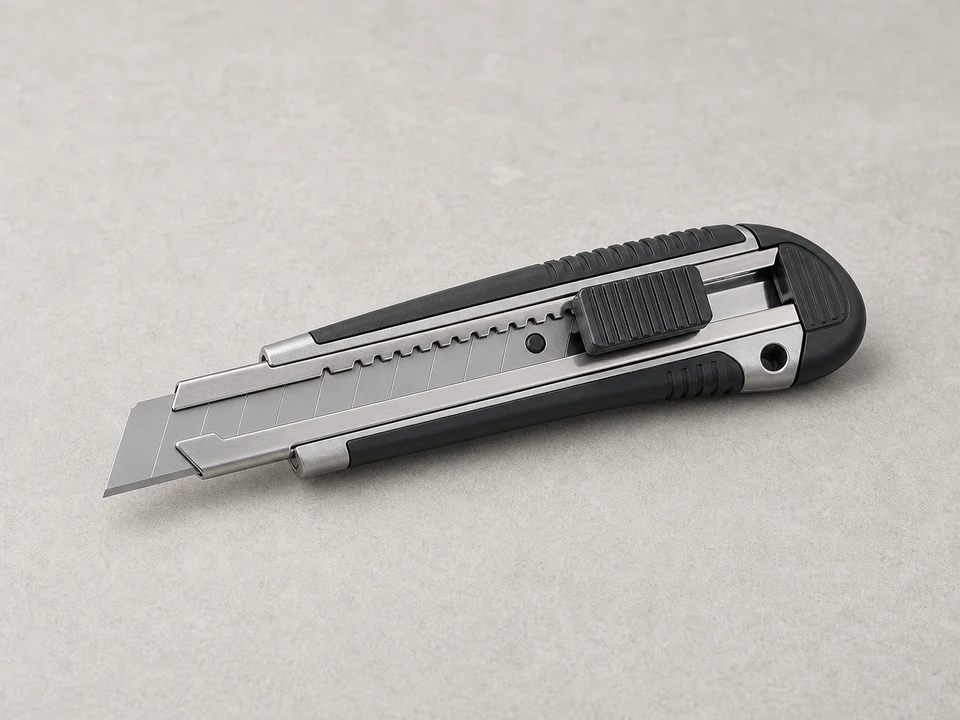
Use it for: To slice old insulation and trim new foam insulation neatly.
Shop utility knives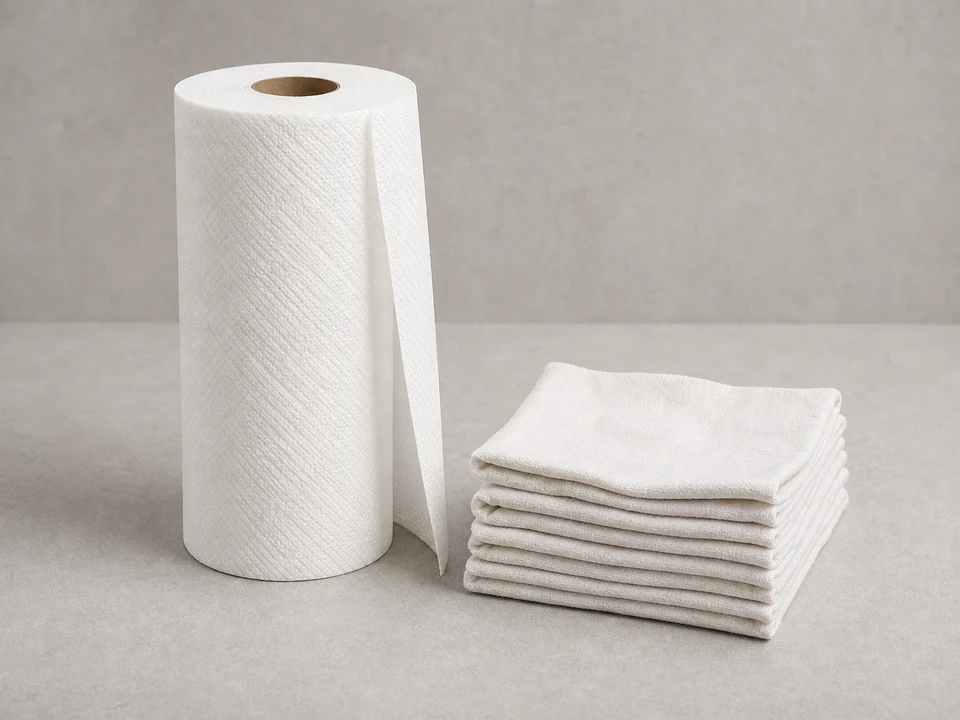
Use it for: To dry the pipe before installing the new insulation.
Shop cleaning rags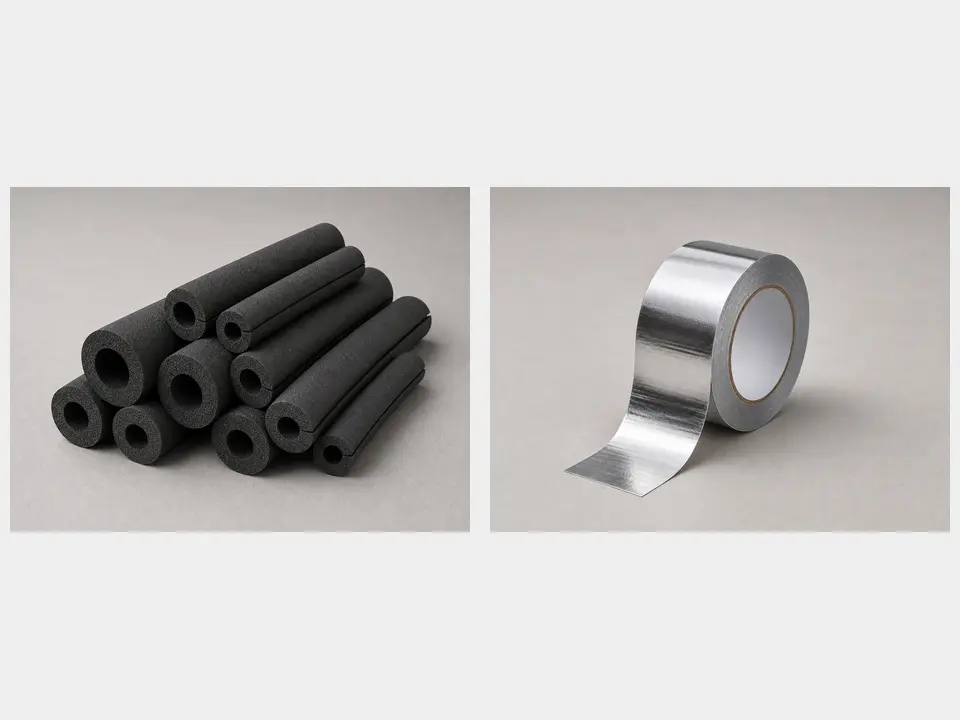
Use it for: To seal seams and short gaps so humid air does not reach the pipe.
Shop insulation seam tape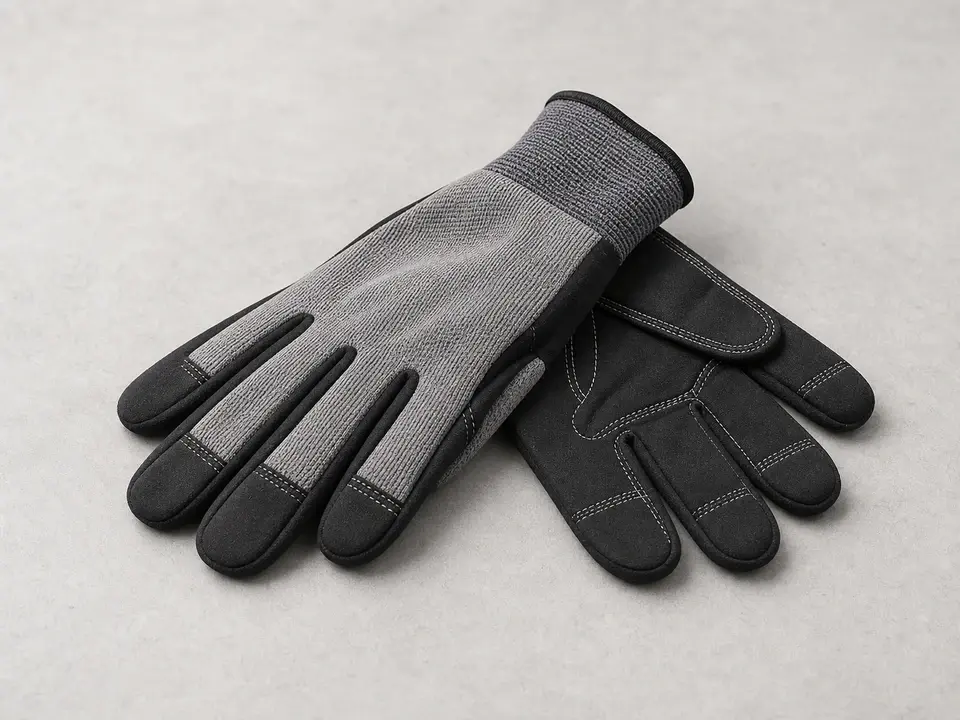
Use it for: To protect your hands while cutting and pulling off old insulation.
Shop work glovesAs an Amazon Associate I earn from qualifying purchases. Repair Riot may earn a commission at no extra cost to you.
If it works: You confirmed the drain line insulation is damaged and the pipe is sweating on the outside.
If it doesn’t: If the pipe itself is leaking, the drain is clogged, or water is coming from the unit cabinet instead of the pipe surface, fix that problem first.
If it works: The damaged insulation is off and the drain line is exposed and accessible.
If it doesn’t: If old adhesive or tape is still hanging on, trim or scrape it off gently so the new insulation can sit flat.
If it works: You have a dry pipe and a replacement insulation piece cut to the right length.
If it doesn’t: If the new insulation feels loose or will not close around the pipe, recheck the pipe size before installing it.
If it works: The new insulation fully covers the sweating section of drain line.
If it doesn’t: If the insulation will not sit flat, remove it and trim for a cleaner fit rather than forcing it closed.
If it works: The insulation is sealed, snug, and not leaving obvious bare spots.
If it doesn’t: If you still have exposed pipe at fittings or bends, add a small patch of insulation or tape to close those gaps.
If it works: The drain line stays dry on the outside and the dripping has stopped during normal AC operation.
If it doesn’t: If the line still sweats, look for missed bare spots, loose seams, wrong-size insulation, or another moisture source nearby.
Match the replacement insulation to the drain line pipe diameter and use insulation rated for condensate or HVAC drain lines before ordering.
As an Amazon Associate I earn from qualifying purchases. Repair Riot may earn a commission at no extra cost to you.
It keeps warm, humid air from touching the colder drain line surface. That helps stop sweating, dripping, and water stains around the line.
Only for a very small split. If the insulation is missing, soaked, crumbling, or badly compressed, replacement works better and lasts longer.
Use foam pipe insulation that fits the drain line diameter closely and can be sealed at the seam. A loose fit leaves air gaps that can still sweat.
The most common reasons are the wrong insulation size, unsealed seams, exposed fittings, or water that is actually leaking from the drain system instead of condensing on the pipe.
Not always. If only one section is damaged, you can usually replace that section as long as the new piece fits tightly and the joints are sealed well.