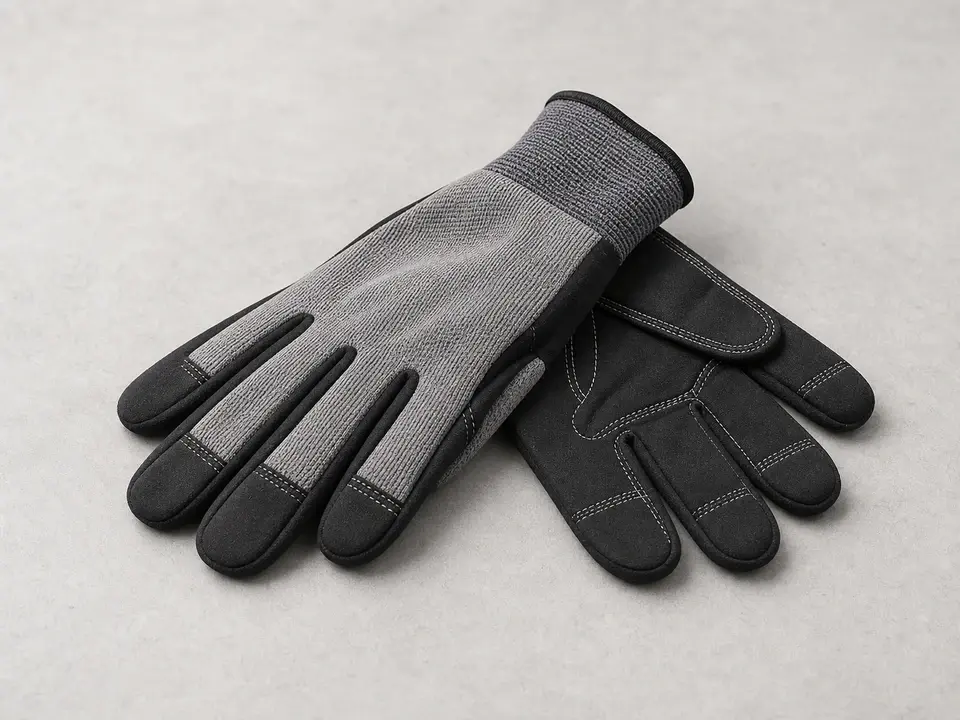
Work gloves
Use it for: Protects your hands from dirty water, sharp edges, and rough fittings.
Shop work glovesTo open a local drain cleanout safely, first make sure it is the right access point, clear the area, and loosen the cap slowly so any backed-up water or sewage can escape in a controlled way.
A cleanout can release pressure fast if the line is backed up, so the goal is not speed. Work slowly, stay out of the direct path of the cap, and be ready for water to come out as soon as the threads break loose.
Before you start: Match the cleanout size and thread style before buying any cap, plug, or tool. Indoor and outdoor cleanouts can look similar but use different fittings. Stop if the repair becomes unsafe or unclear.
Use it for: Protects your hands from dirty water, sharp edges, and rough fittings.
Shop work gloves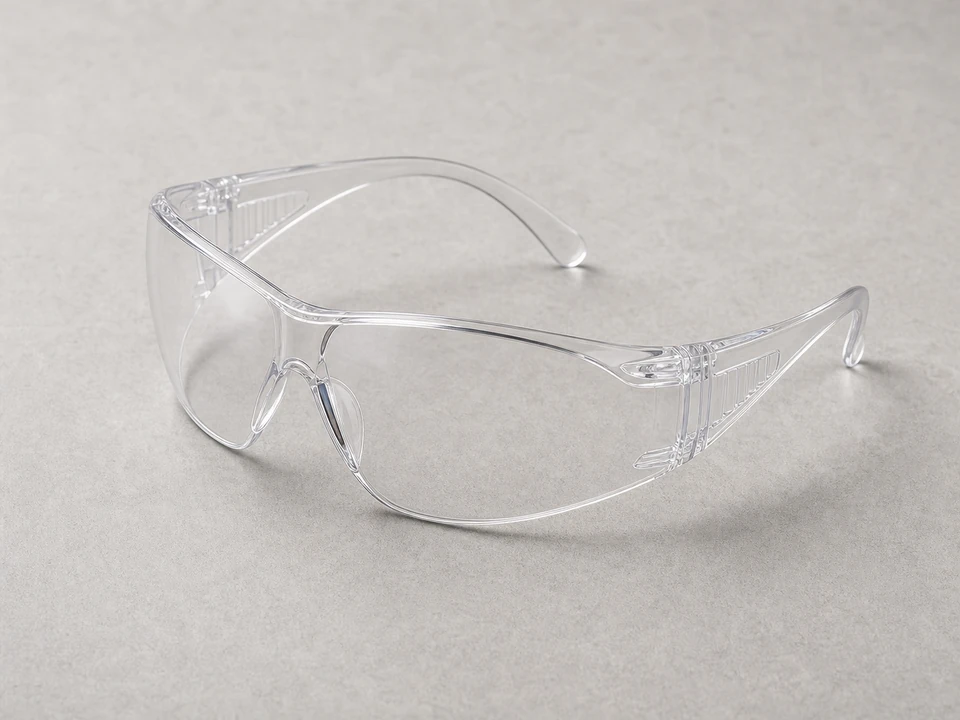
Use it for: Keeps splashes and debris out of your eyes when the cap starts to loosen.
Shop safety glasses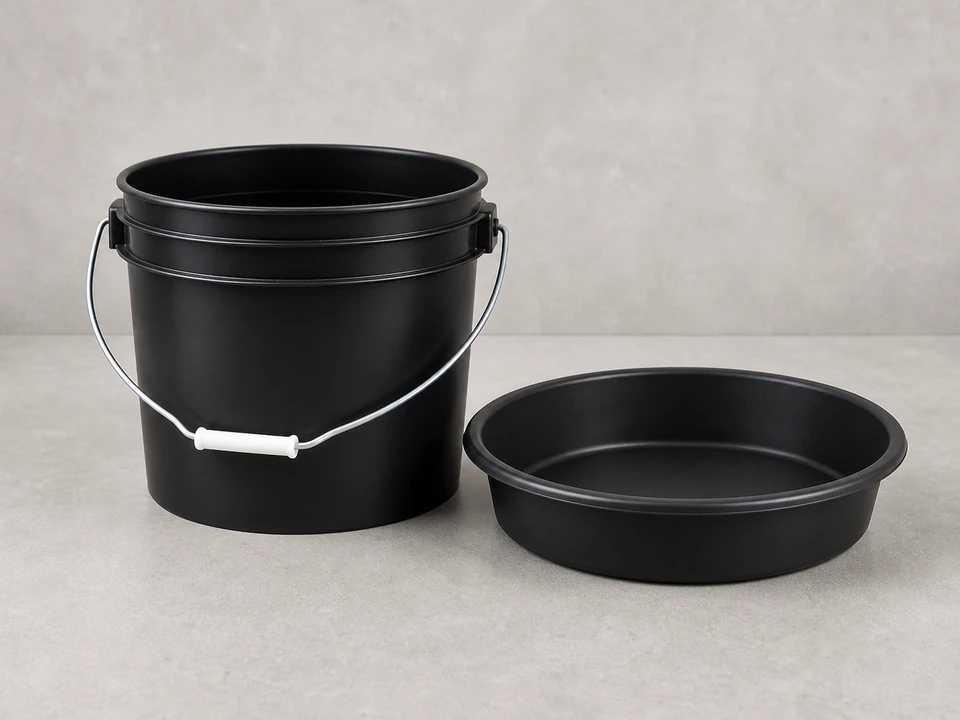
Use it for: Catches the first spill if water comes out around the cap.
Shop drain spill bucket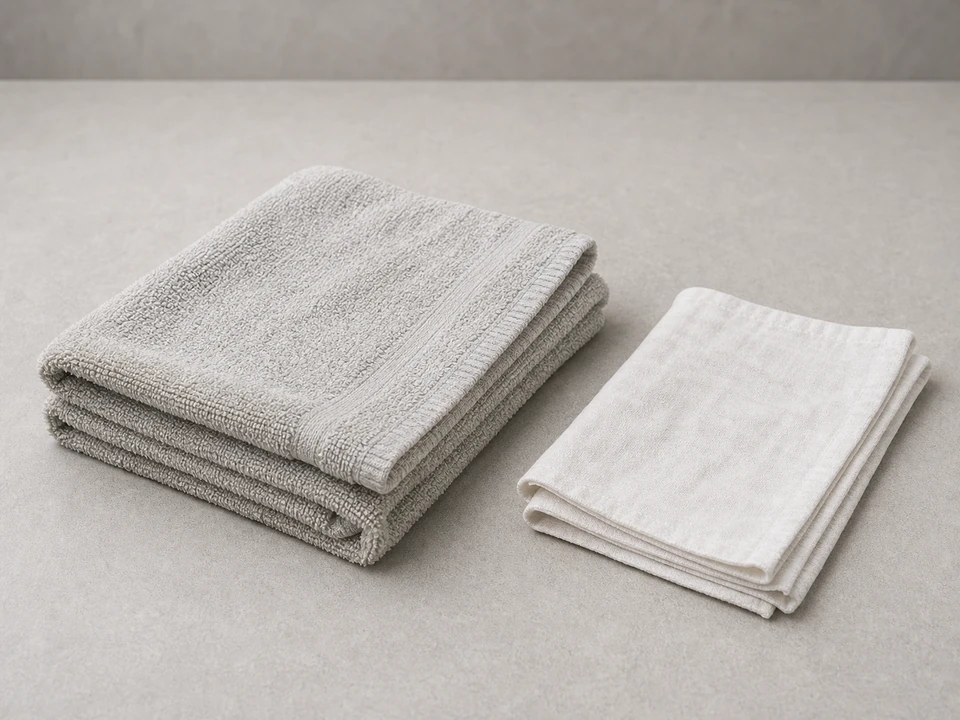
Use it for: Helps contain small spills and gives you a cleaner work area.
Shop shop towels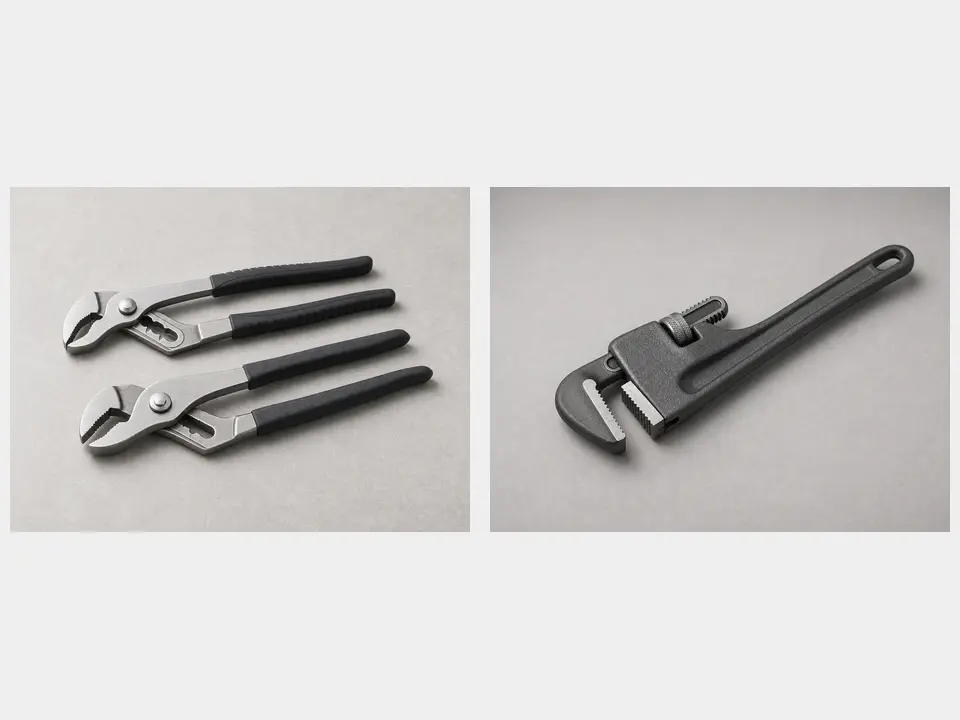
Use it for: Gives you controlled grip to loosen a stuck cleanout cap.
Shop pipe wrench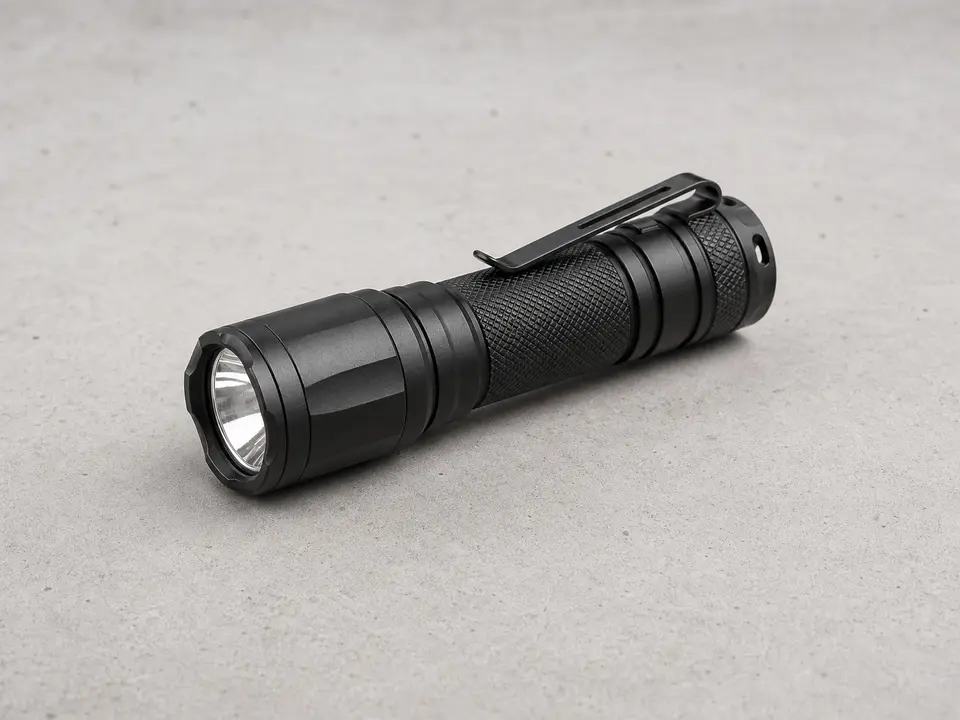
Use it for: Lets you inspect the opening and check for standing water after the cap is off.
Shop flashlightAs an Amazon Associate I earn from qualifying purchases. Repair Riot may earn a commission at no extra cost to you.
If it works: You have identified a drain cleanout that matches the drainage problem you are trying to check.
If it doesn’t: If only one sink, tub, or toilet is affected, the clog may be closer to that fixture and the cleanout may not be the best first step.
If it works: The area is protected and you are positioned to open the cleanout without taking a direct splash.
If it doesn’t: If you cannot place a pan or safely stand to the side, add more towels and clear more space before loosening the cap.
If it works: The cap has started to loosen and any built-up pressure is releasing in a controlled way.
If it doesn’t: If the cap will not budge, apply steady pressure instead of jerking it. A stuck cap may need penetrating time, a better grip, or professional removal if forcing it could break the fitting.
If it works: The cleanout is open and you can see whether the line is holding water or draining away.
If it doesn’t: If water stays right at the opening and does not drop, the blockage is likely downstream of this cleanout and the line still needs clearing.
If it works: You have a clearer idea whether the problem is local to one fixture, on a branch, or farther down the drain line.
If it doesn’t: If the symptom pattern still does not match what you see at the cleanout, trace which fixtures are affected before deciding on the next repair.
If it works: The cap is back in place and the drain either works normally or has given you a clear next diagnosis.
If it doesn’t: If fixtures still back up or the cleanout seeps after retightening, the line likely still has a blockage or the cap or threads may need repair.
That usually means the line is backed up downstream of the cleanout. Let it drain slowly into your pan or onto towels you can contain, and do not run more water in the house until the blockage is cleared.
No. Crack it loose slowly first. That gives trapped water and pressure a chance to escape without blasting the cap off or splashing you.
Yes, the same slow approach applies. The main difference is footing and cleanup. Make sure the ground is stable and keep your body out of the direct path of the cap.
If water sits at the opening and does not drop, the clog is usually farther down the line from that cleanout. If the opening is dry, the problem may be upstream or limited to one fixture branch.
Use a better-fitting wrench and steady pressure, not sudden force. If the fitting looks brittle or starts to crack, stop before you turn a simple check into a broken pipe repair.