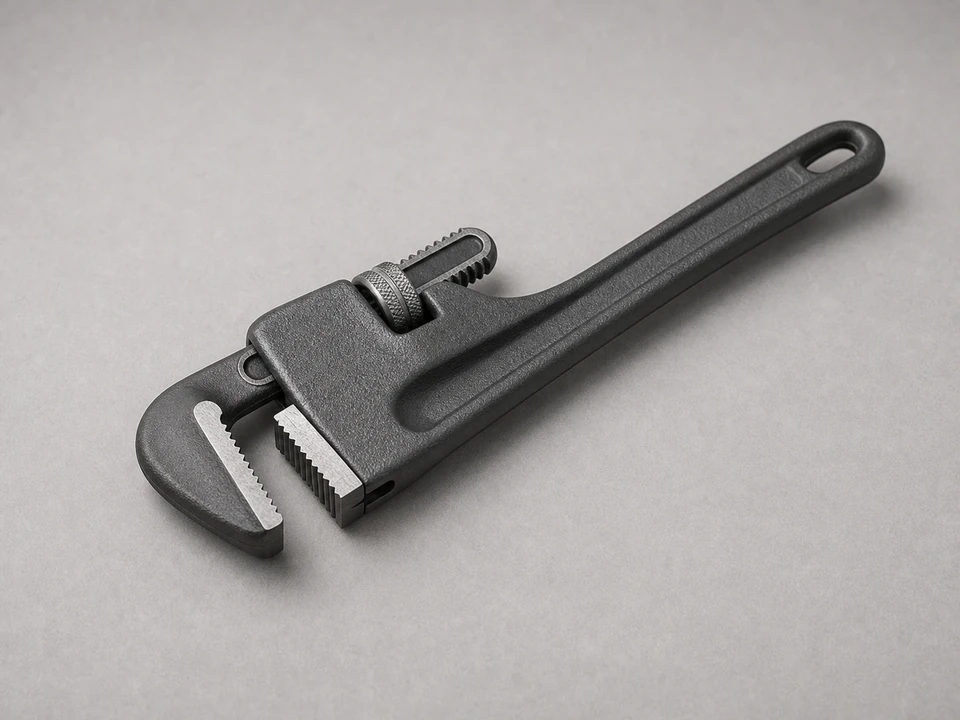
Pipe wrench
Use it for: Grips and turns a threaded metal or plastic cleanout cap without slipping as easily as pliers.
Find a pipe wrenchTo open a drain cleanout safely, clear the area, wear gloves and eye protection, and loosen the cap slowly so any backed-up water can escape in a controlled way instead of blowing the plug out.
A cleanout gives you direct access to the drain or sewer line, but it can hold pressure and sewage if the line is blocked. The safe approach is to confirm you have the right cap, protect the area, and crack it open a little at a time before removing it fully.
Before you start: Choose a wrench that fits your cleanout cap style. Most homeowners need a pipe wrench or cleanout plug wrench, plus gloves and a bucket in case backed-up water spills out. Stop if the repair becomes unsafe or unclear.
Use it for: Grips and turns a threaded metal or plastic cleanout cap without slipping as easily as pliers.
Find a pipe wrench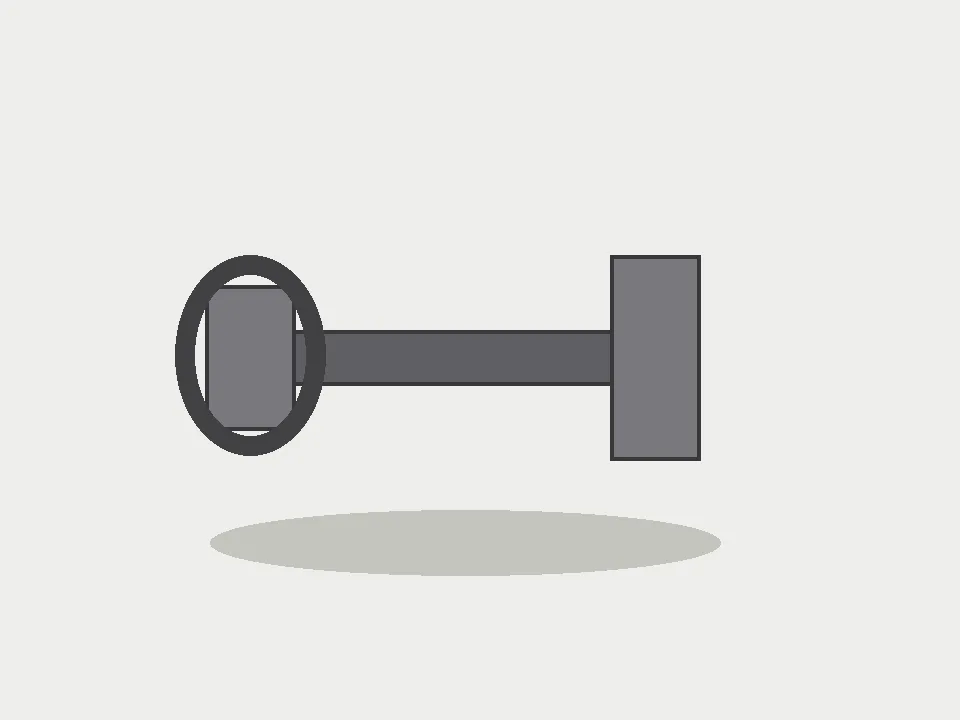
Use it for: Fits square or recessed cleanout plugs more securely than improvised tools.
Find a cleanout plug wrench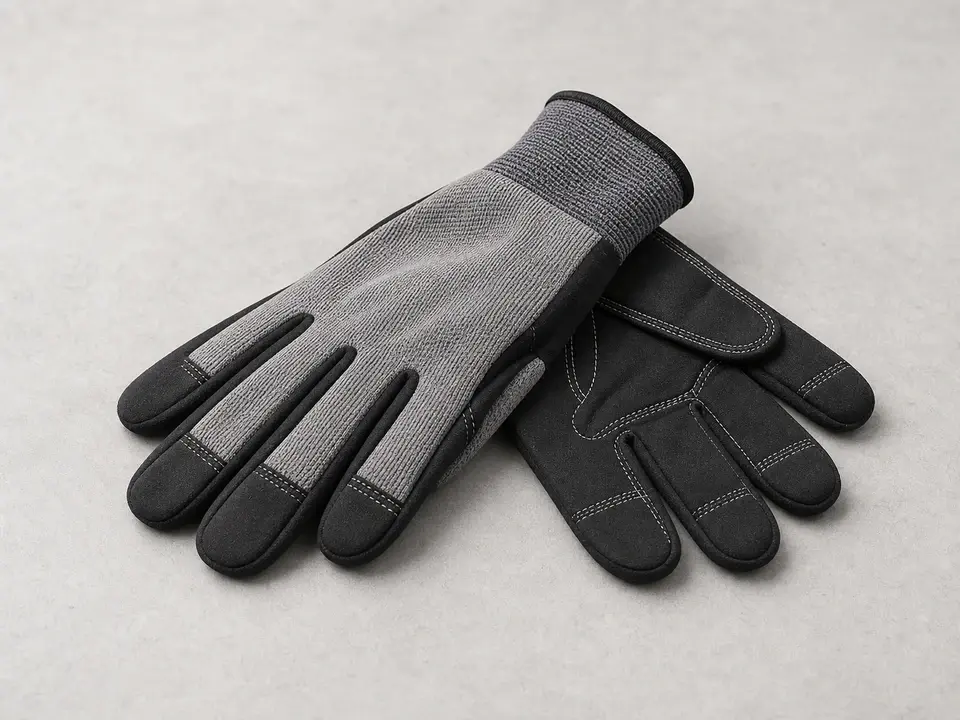
Use it for: Protects your hands from sharp edges, dirty water, and better grip on wet tools.
Find work gloves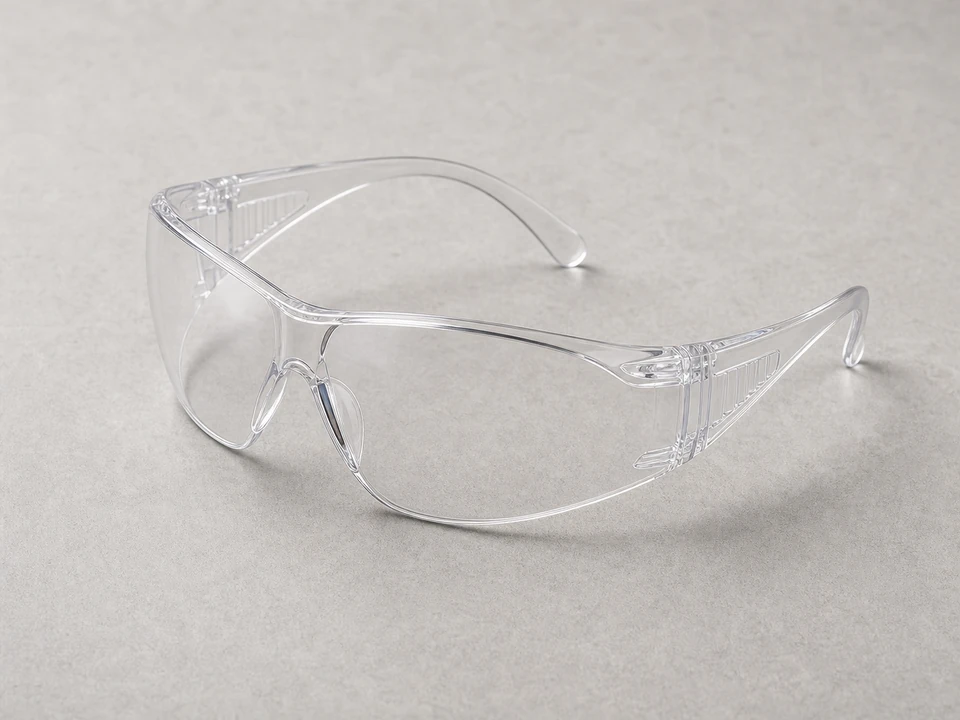
Use it for: Helps protect your eyes if dirty water sprays when the cap first loosens.
Find safety glasses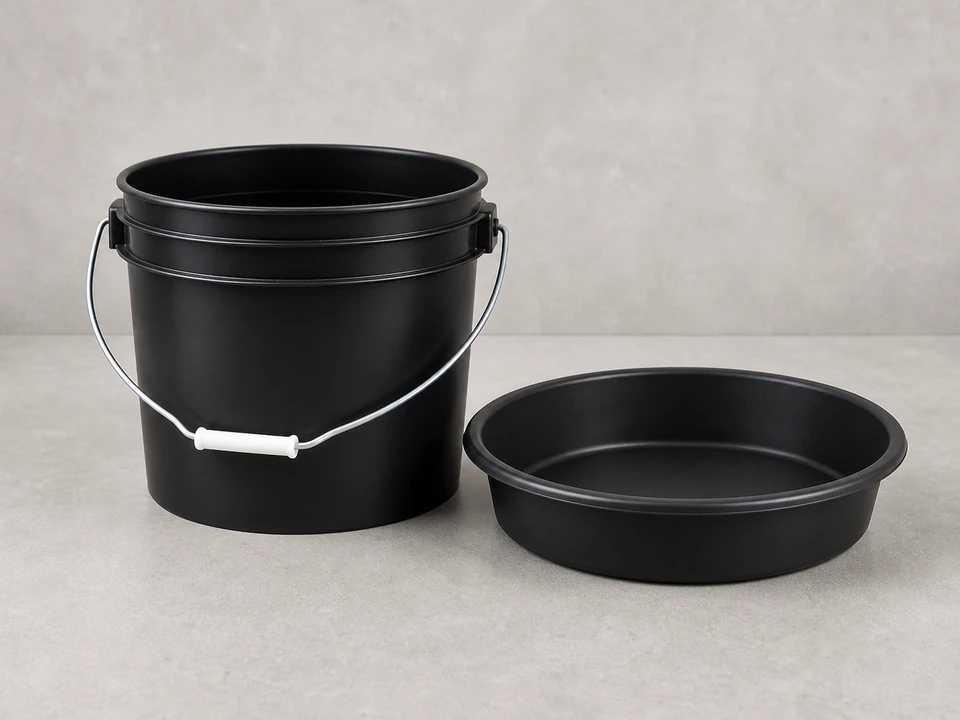
Use it for: Catches water or sewage that may spill out as the cleanout opens.
Find a catch bucket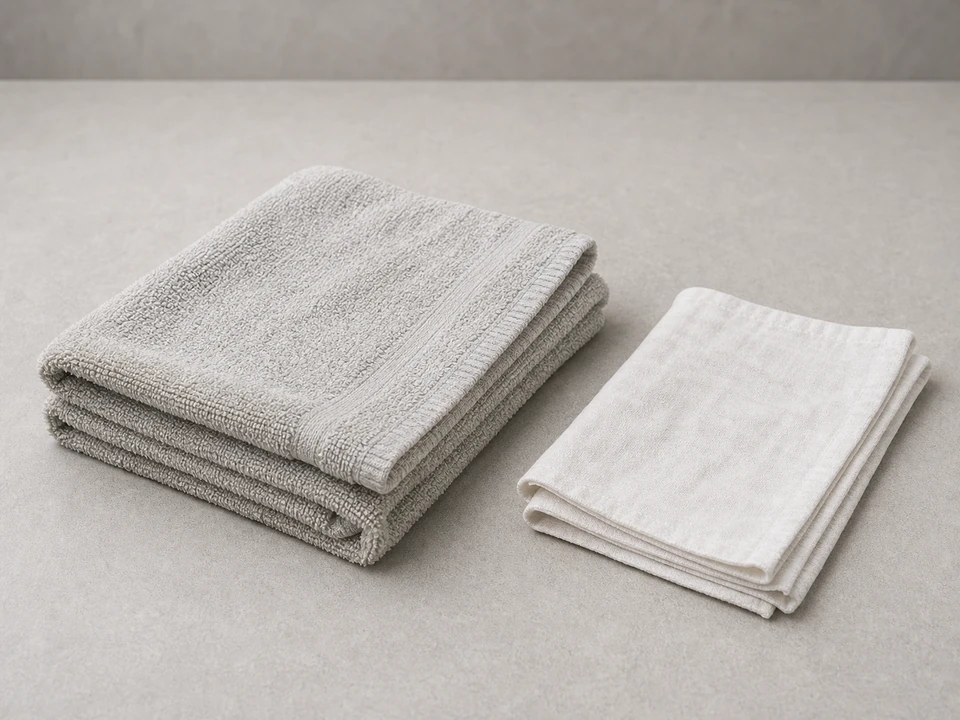
Use it for: Helps contain small spills and makes cleanup easier around the cleanout.
Find shop towelsAs an Amazon Associate I earn from qualifying purchases. Repair Riot may earn a commission at no extra cost to you.
If it works: You have identified an actual drain cleanout and can reach it safely.
If it doesn’t: If you cannot clearly identify the fitting, stop and trace the drain line or have a plumber confirm it before you loosen anything.
If it works: The area is protected and you are positioned to open the cleanout without taking the full force of a spill.
If it doesn’t: If you cannot place a bucket or safely stand off to the side, improve access first so you are not rushed once the cap starts moving.
If it works: The cap is cracked open and any backed-up water is being released in a controlled way.
If it doesn’t: If the cap will not budge, apply steady pressure with a better-fitting wrench rather than hammering on the pipe. If it still will not move, the cap may be seized and may need professional removal to avoid breaking the fitting.
If it works: You have the cleanout open and have a basic read on whether the line is holding water.
If it doesn’t: If you still cannot tell where the blockage is, note whether water level changes after nearby fixtures are used. That can help narrow down whether the clog is upstream or downstream.
If it works: The cleanout is closed securely and the cap is seated without obvious cross-threading or leaks.
If it doesn’t: If the cap will not thread in smoothly, back it out and start again by hand. If the threads are damaged, replace the cap with the correct size and type before leaving the cleanout closed.
If it works: The cleanout stays dry around the cap and you now know whether the drain problem is resolved or needs the next repair step.
If it doesn’t: If drains still back up, the next move is usually clearing the line with the right drain machine or calling a plumber for sewer-line diagnosis.
That usually means the line is backed up downstream of the cleanout. Keep the cap only partly loosened, let the flow drain into your bucket as much as possible, and do not remove it fully until the pressure drops.
No. Crack it loose slowly first. A blocked line can hold water and pressure, and removing the cap too quickly can cause a messy and unsafe spill.
Snug and fully seated is enough. Start it by hand to avoid cross-threading, then tighten with a wrench just enough to seal. Over-tightening can damage older or plastic fittings.
It usually points to a blockage downstream of that opening, but not always the city sewer connection itself. The clog could be farther along your building drain or sewer lateral.
Use a properly fitting pipe wrench or cleanout plug wrench and apply steady pressure. If the cap is seized and the fitting seems brittle or starts to twist, stop before you break the pipe and have it removed professionally.