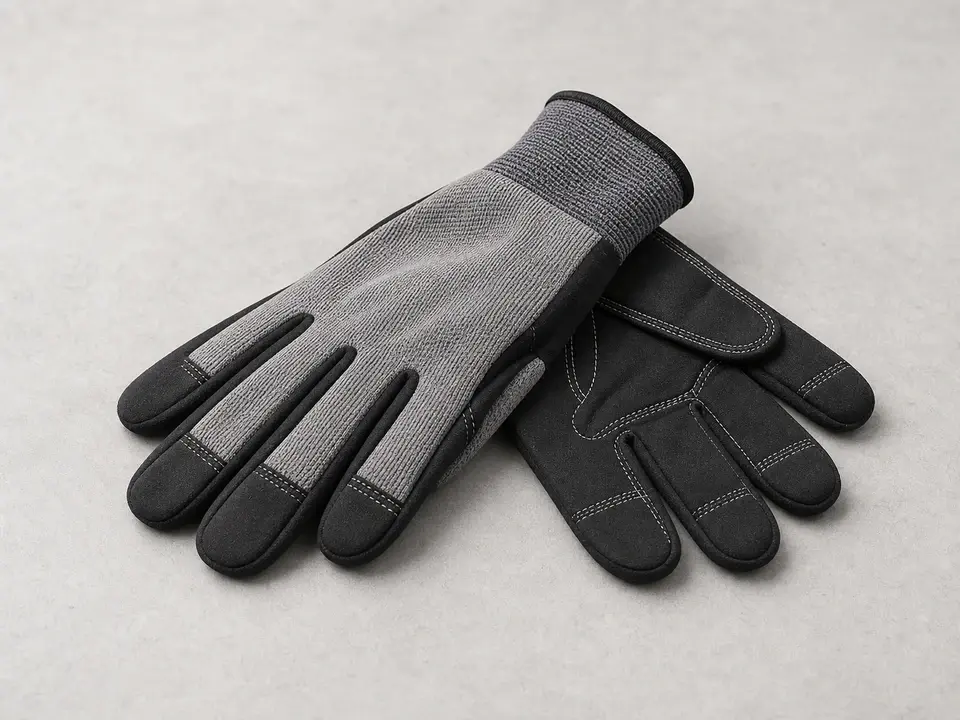
Work gloves
Use it for: Protects your hands while handling dirty pipe, fittings, and debris.
Shop work glovesTo clear a sump pump discharge line, first confirm the pump runs but water is not leaving the house normally. Then unplug the pump, inspect the outdoor discharge point, remove any visible blockage, flush the line, and test the pump through a full cycle.
A clogged discharge line can make a sump pump run too long, short-cycle, or leave water sitting in the pit. Most clogs are near the outside outlet, at a low spot in the pipe, or from ice, mud, or debris buildup. The goal is to clear the line without damaging the pump or forcing water back into the basement.
Before you start: Match the pipe size, check valve layout, and where the line exits the house before ordering replacement parts. Stop if the repair becomes unsafe or unclear.
Use it for: Protects your hands while handling dirty pipe, fittings, and debris.
Shop work gloves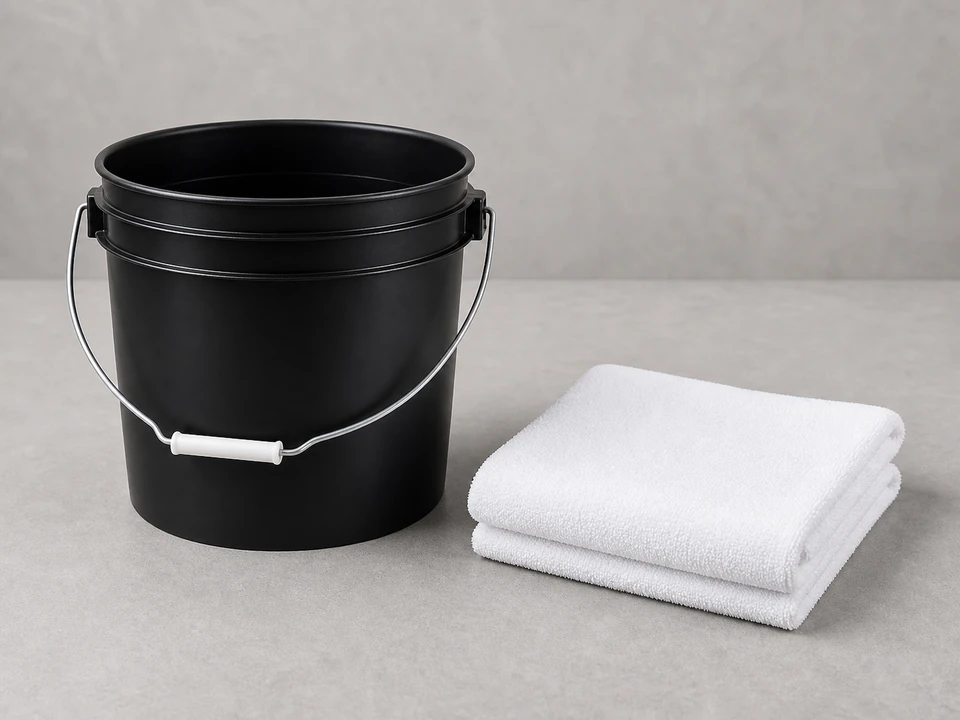
Use it for: Catches water when you disconnect or open part of the line.
Shop absorbent towels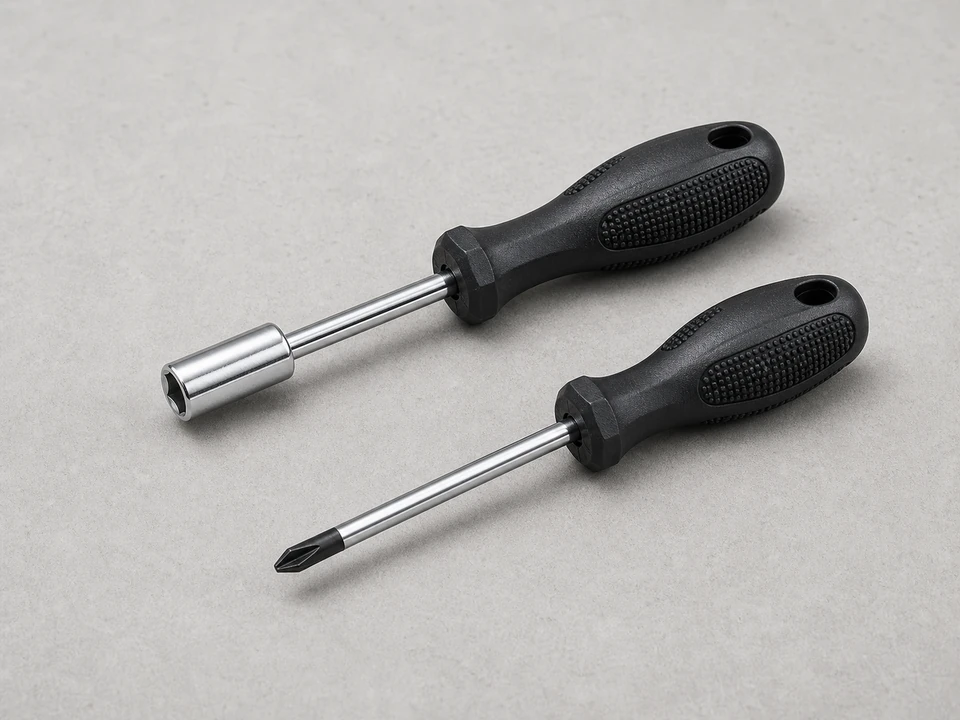
Use it for: Loosens hose clamps or access fittings on some discharge setups.
Find a screwdriver set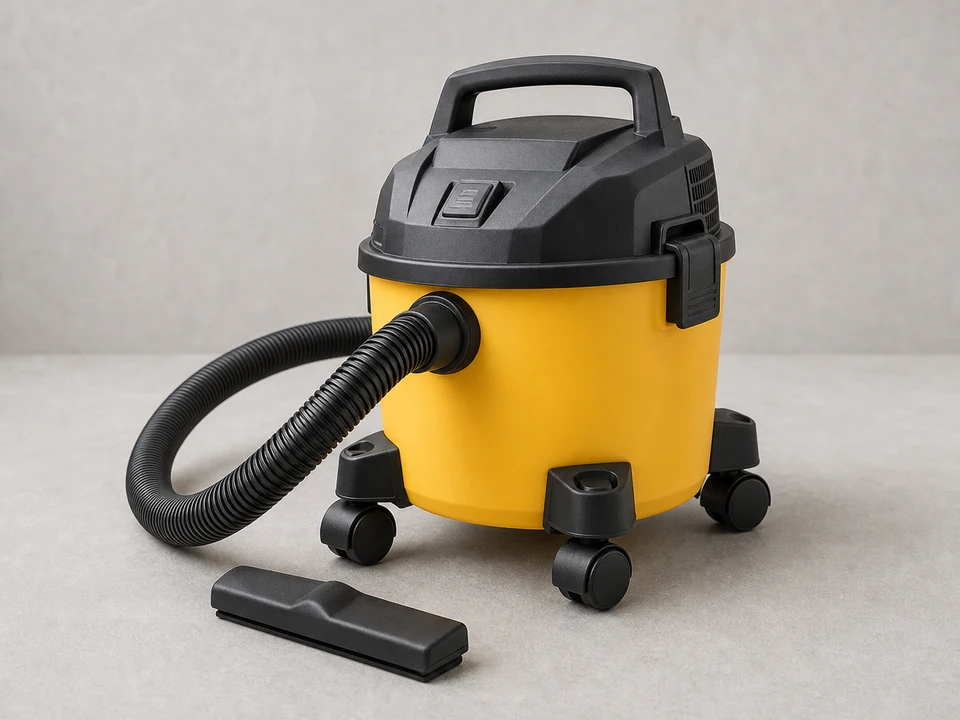
Use it for: Helps pull out sludge or standing water from an accessible section of line.
Shop wet dry vacs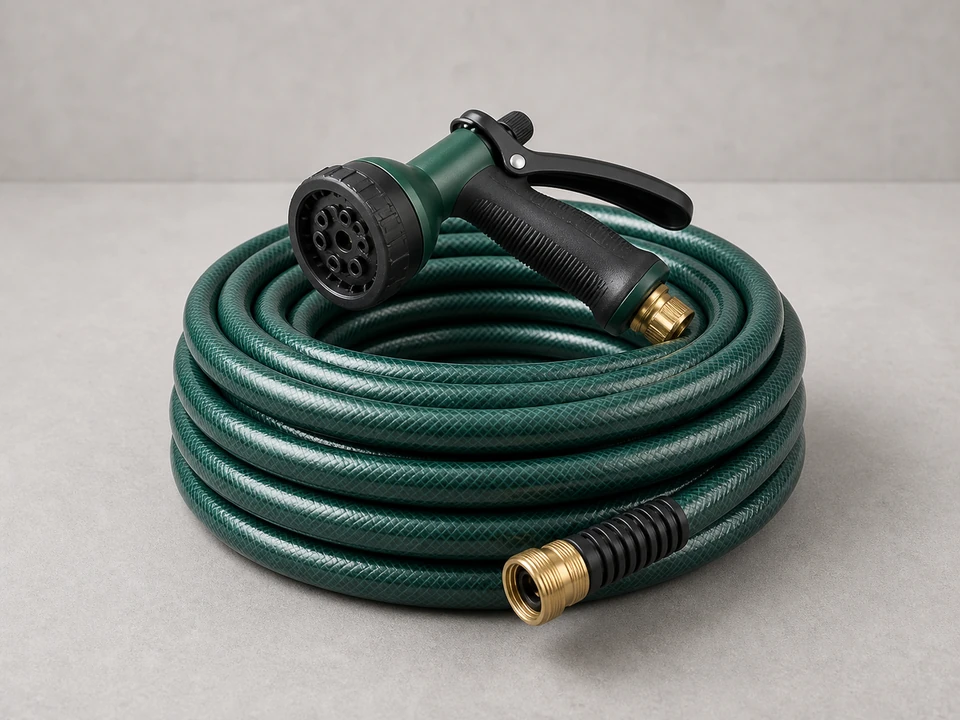
Use it for: Flushes the discharge line after the blockage is opened.
Find a garden hose nozzle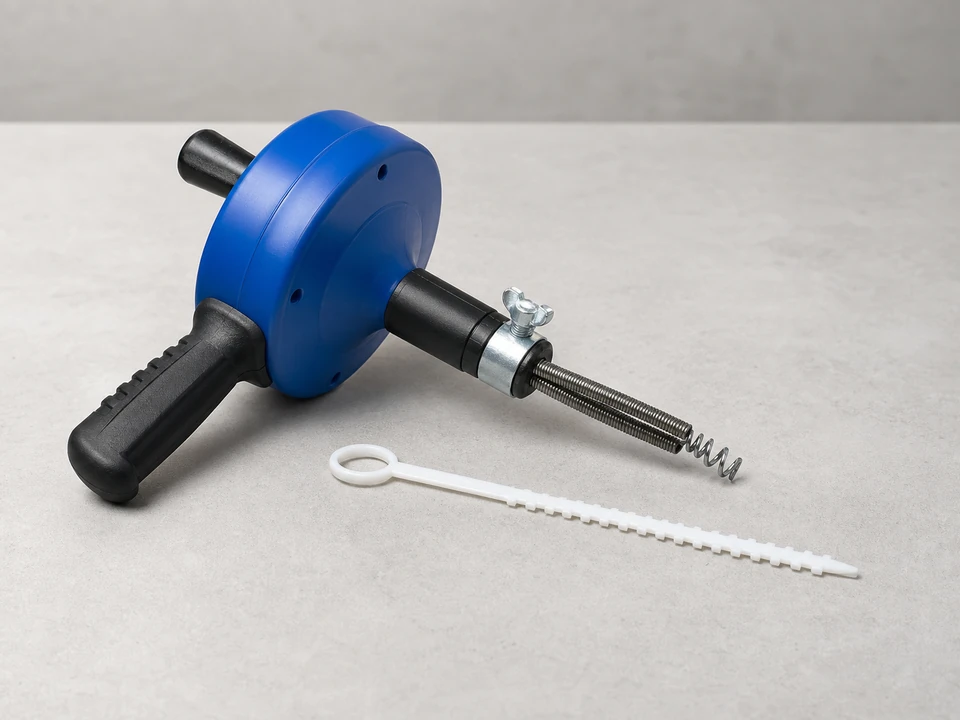
Use it for: Breaks up a stubborn clog in an accessible discharge line.
Shop a hand drain augerAs an Amazon Associate I earn from qualifying purchases. Repair Riot may earn a commission at no extra cost to you.
If it works: You have good reason to suspect the discharge line is blocked or restricted.
If it doesn’t: If the pump does not run at all, trips power, or makes only a humming sound, troubleshoot the pump, float switch, or power supply before working on the discharge line.
If it works: The pump is safely off and the area is ready for a controlled cleanup.
If it doesn’t: If you cannot unplug the pump safely or the outlet area is wet enough to create a shock risk, stop and have the power made safe before continuing.
If it works: The obvious blockage is removed and water can at least begin moving through the line again.
If it doesn’t: If you cannot find a visible clog, move on to flushing and snaking the line to clear a blockage farther inside.
If it works: Water moves through the discharge line without backing up at the access point.
If it doesn’t: If the line still will not pass water, the clog may be deeper in a buried run or the pipe may be damaged and need repair or replacement.
If it works: The pump turns on, the pit drains normally, and water exits outside without indoor leaks.
If it doesn’t: If the pump runs but the pit barely drops, repeat the clearing step once more and recheck for a hidden restriction or a failing check valve.
If it works: The sump pump clears water through the discharge line consistently and the system returns to normal operation.
If it doesn’t: If the line clogs again quickly, the discharge run may be undersized, poorly sloped, damaged, or freezing repeatedly, and a more permanent line repair is the next step.
The most common causes are mud, small debris, leaves at the outlet, ice in cold weather, or a low spot in the line where sediment settles and water freezes.
Yes, if the line is accessible and not damaged. Use short bursts of water so you do not force a leak indoors. If the clog does not move, switch to a hand auger instead of forcing more pressure.
If water cannot leave through the discharge line, the pit may not empty fast enough. The pump keeps trying to lower the water level, which can make it run longer than normal.
A frozen line is more likely in cold weather when the pump runs but little or no water comes out outside. You may also see ice at the outlet or feel a solid cold blockage near an exposed section.
Not always. If the line clears fully and drains well afterward, replacement may not be needed. If it clogs again quickly, has a crushed section, or leaks from hidden areas, replacement is usually the better fix.