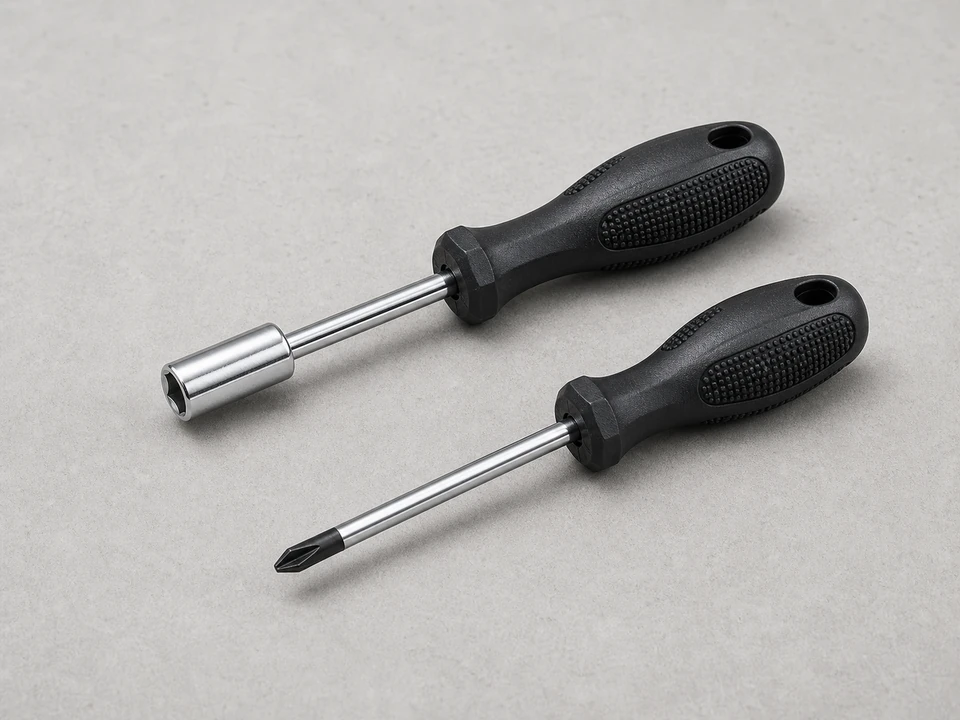
Nut driver or screwdriver
Use it for: To loosen and tighten hose clamps at the pump and discharge connection.
Shop nut drivers and screwdriversTo replace a sump pump discharge hose, first confirm the hose is split, clogged, kinked, or leaking at the connection, then disconnect power, remove the old hose, install the new hose with the correct size and clamps, and test the pump through a full cycle.
This is a manageable repair if the hose is accessible and the pump itself is still working. The goal is a tight, supported discharge path that carries water outside without leaking back into the pit or basement.
Before you start: Match the hose diameter to the pump discharge and existing pipe or adapter, and check whether you need a flexible hose, corrugated hose, or a short replacement section with clamps.
Use it for: To loosen and tighten hose clamps at the pump and discharge connection.
Shop nut drivers and screwdrivers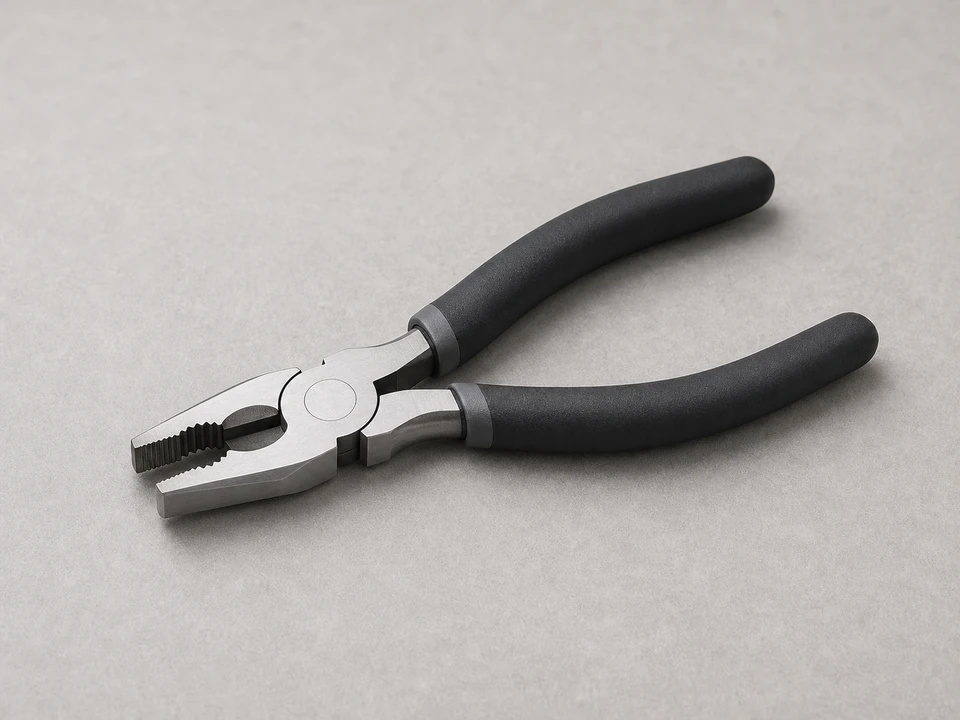
Use it for: To help remove stubborn clamps or twist off an old hose.
Shop pliers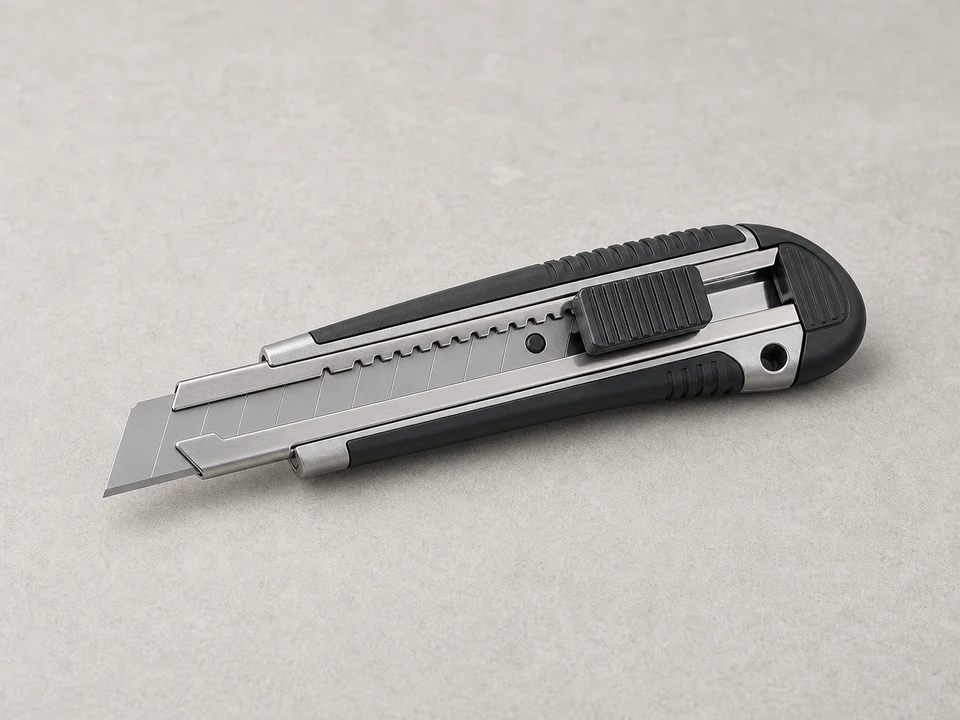
Use it for: To cut away a stuck or damaged hose section if it will not slide off cleanly.
Shop utility knives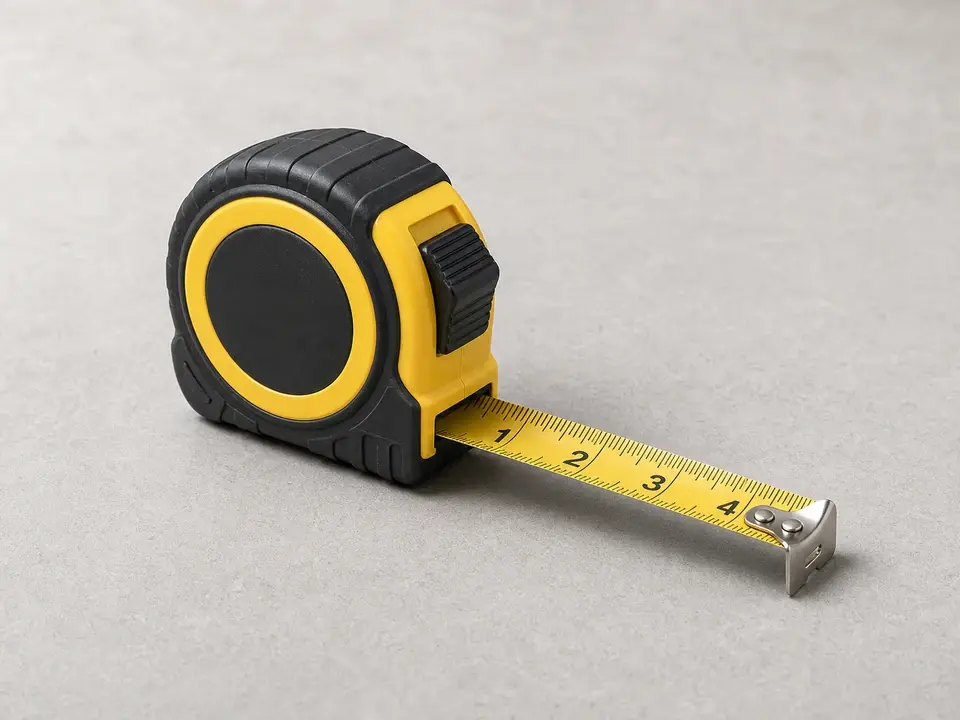
Use it for: To match hose diameter and replacement length before installing the new part.
Shop tape measures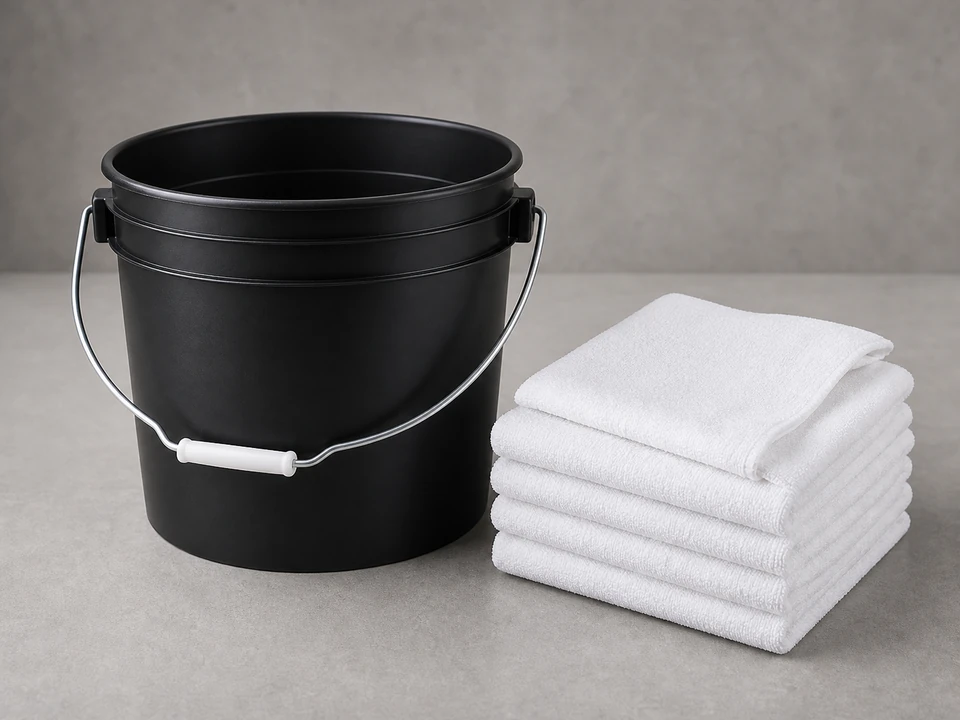
Use it for: To catch leftover water from the hose and keep the work area dry.
Shop buckets and towels
Use it for: To secure the new hose if the old clamps are rusted, stripped, or too loose.
Shop hose clampsAs an Amazon Associate I earn from qualifying purchases. Repair Riot may earn a commission at no extra cost to you.
If it works: You have clear signs that the discharge hose is damaged, blocked, or no longer sealing well.
If it doesn’t: If the hose looks sound and the pump is not running, not lifting water, or short cycling, diagnose the pump, float switch, check valve, or discharge line before replacing the hose.
If it works: The pump is disconnected, the area is protected from spills, and you can reach both ends of the hose safely.
If it doesn’t: If you cannot safely access the hose ends, improve access first or wait until the area is dry and clear.
If it works: The old hose is off and the connection points are exposed and usable.
If it doesn’t: If the hose comes off but the fitting underneath is cracked or badly corroded, replace that connection hardware before installing the new hose.
If it works: The new hose matches the connection size and sits in place without kinking or strain.
If it doesn’t: If the hose is too loose, too tight, or wants to kink, recheck the diameter and hose style before tightening anything.
If it works: The new hose is fully seated, clamped tightly, and routed with good support.
If it doesn’t: If the hose keeps slipping off or the clamp bottoms out without tightening, use the correct hose size and fresh clamps.
If it works: The pump completes a full cycle, the new hose stays dry at the joints, and water exits where it should.
If it doesn’t: If the pump runs but water still does not leave properly, check for a blocked discharge line, a stuck check valve, or a pump problem beyond the hose.
Match the hose diameter to the pump discharge and existing pipe or adapter, and check whether you need a flexible hose, corrugated hose, or a short replacement section with clamps.
As an Amazon Associate I earn from qualifying purchases. Repair Riot may earn a commission at no extra cost to you.
If the pump motor runs but water leaks from the hose, sprays from a split, or cannot get through a crushed or clogged hose, the hose is the likely problem. If the pump will not run or will not lift water at all, the issue may be the pump or switch instead.
You can if they are clean, not rusted, and still tighten firmly. If they are stripped, corroded, or too small for the new hose, replace them.
Match the hose to the pump discharge fitting and the pipe or adapter it connects to. Measure the inside diameter of the old hose or the outside diameter of the fitting before buying a replacement.
The rest of the discharge path may be blocked, frozen, or restricted, or the check valve or pump itself may be failing. A new hose will not fix a downstream blockage or a weak pump.
It should route smoothly without a low sag that traps water and without a sharp bend that restricts flow. The main goal is a supported path that lets water move out freely.