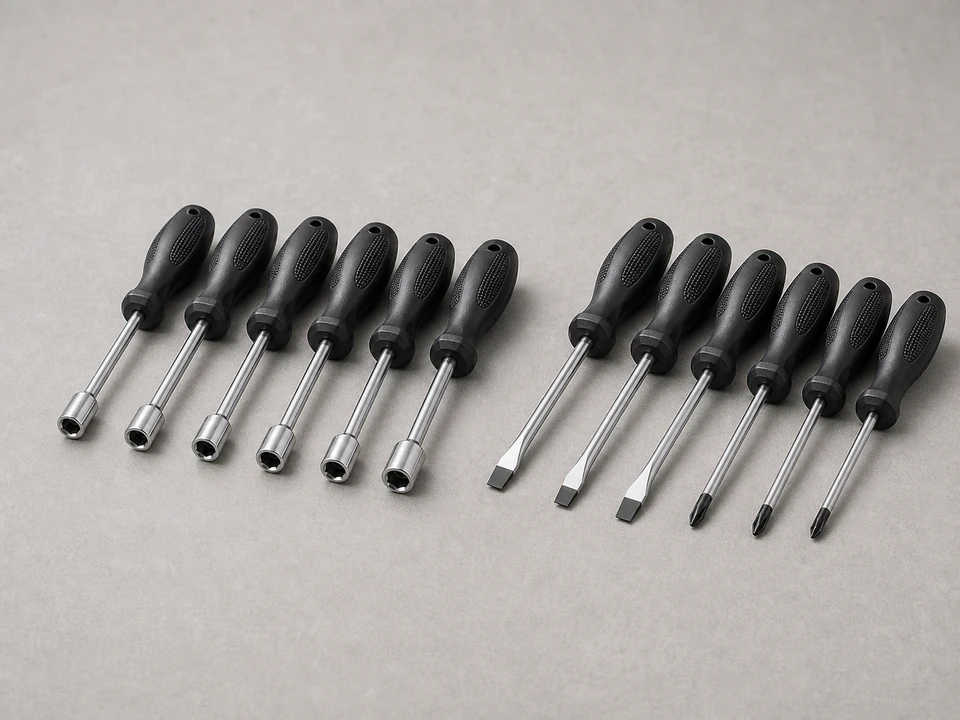
Nut driver or screwdriver set
Use it for: To loosen and tighten hose clamps or coupling screws.
Shop nut drivers and screwdriversIf water is leaking at the connection between the sump pump discharge line and the hose or pipe, replacing the sump pump discharge hose coupling is usually a straightforward fix.
This repair is mostly about confirming the leak is actually at the coupling, shutting the pump down safely, and installing a new coupling that matches the line size and connection style. Take your time, because a loose or mismatched coupling will leak again the next time the pump runs.
Before you start: Match the hose or pipe diameter on both sides, the coupling style, and whether your setup uses a flexible rubber sleeve with clamps or a threaded connector before ordering.
Use it for: To loosen and tighten hose clamps or coupling screws.
Shop nut drivers and screwdrivers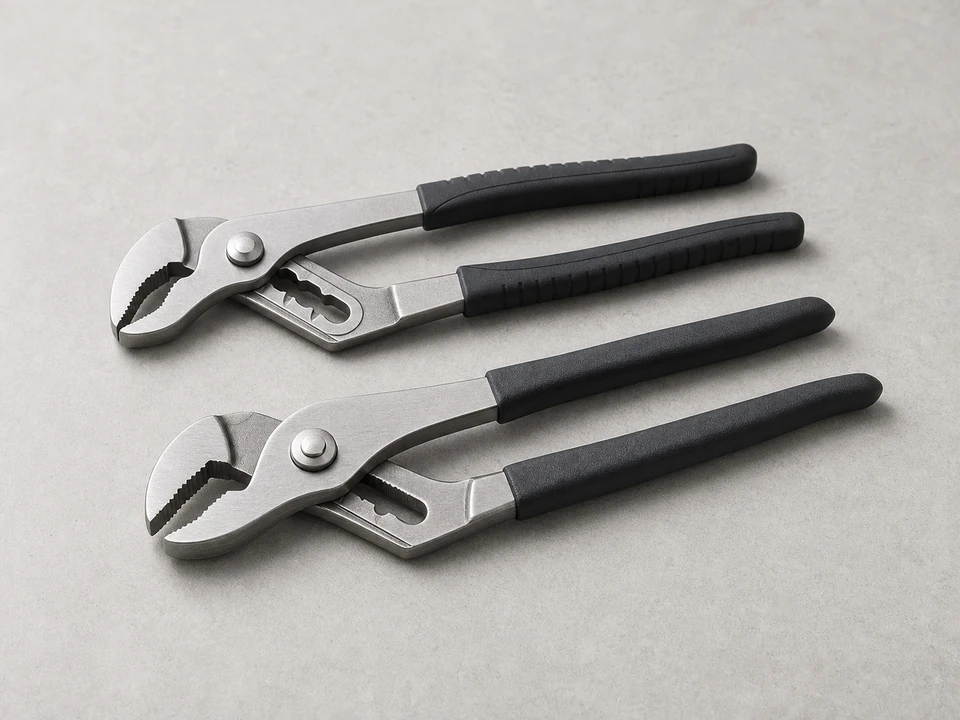
Use it for: To help twist off a stuck coupling or hold the discharge line steady.
Shop tongue-and-groove pliers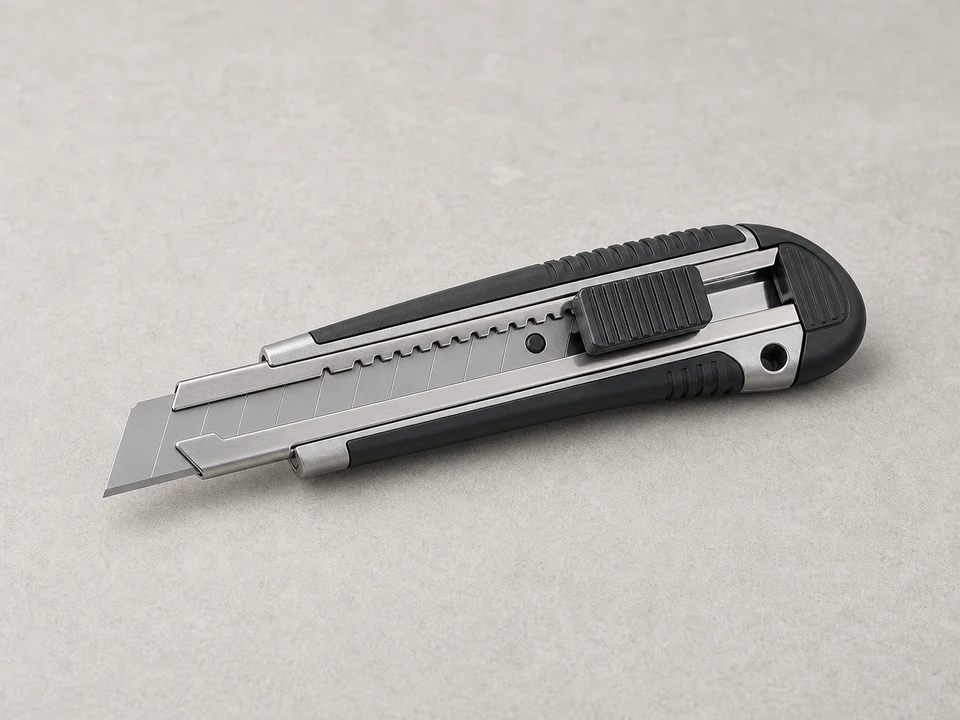
Use it for: To trim damaged hose ends or cut off an old rubber coupling if it will not release.
Shop utility knives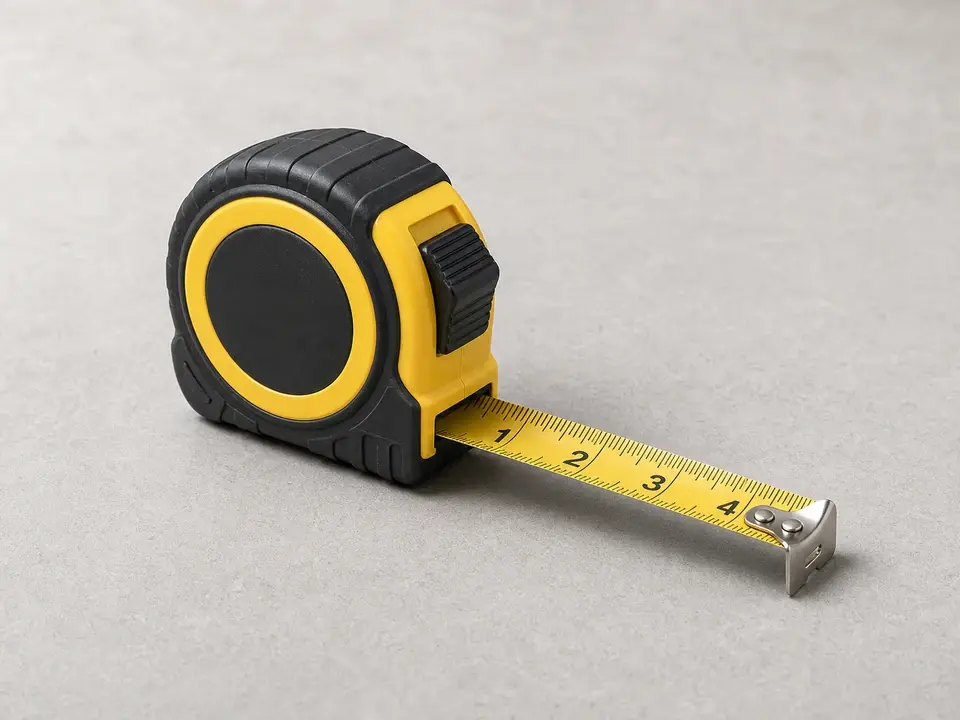
Use it for: To confirm the inside or outside diameter of the hose or pipe before buying the replacement.
Shop tape measures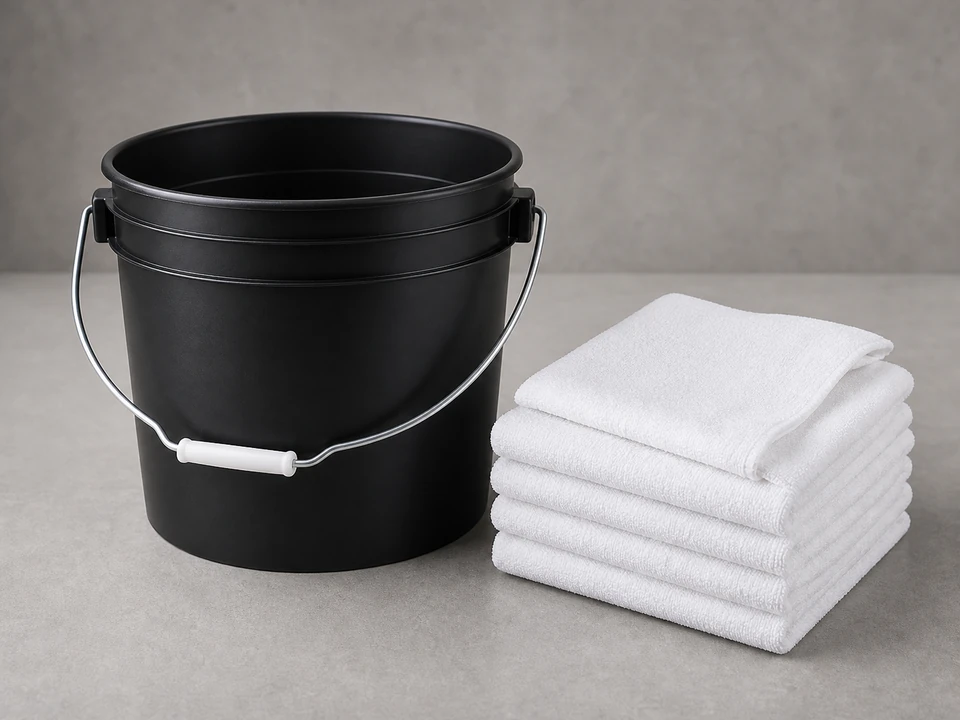
Use it for: To catch drain-back water from the discharge line and keep the area dry.
Shop buckets and absorbent towelsAs an Amazon Associate I earn from qualifying purchases. Repair Riot may earn a commission at no extra cost to you.
If it works: You have confirmed the leak is centered at the coupling and you know the connection size and style.
If it doesn’t: If the leak is coming from the hose, pipe, check valve, or pump housing instead, replace or repair that part rather than the coupling.
If it works: The pump is off, the work area is protected, and you are ready to open the connection without a surprise mess.
If it doesn’t: If you cannot safely disconnect power or reach the coupling without standing in water, wait and correct those conditions first.
If it works: The old coupling is removed and both connection ends are clean and exposed.
If it doesn’t: If the hose or pipe end is rough or slightly deformed, trim back to sound material if you have enough length to reconnect without strain.
If it works: The new coupling is installed straight, fully seated, and tightened evenly.
If it doesn’t: If the coupling will not seat fully or the line has to be forced into place, recheck the size and alignment before tightening again.
If it works: The coupling stays dry and stable through full pump cycles.
If it doesn’t: If you still see seepage, unplug the pump again and retighten the clamps evenly. If it still leaks, the coupling may be the wrong size or the hose or pipe end may be damaged.
If it works: The connection stays dry in real use and the sump pump discharges normally without leaking at the coupling.
If it doesn’t: If the leak returns after a short time, replace any damaged hose or pipe section at the joint and check whether vibration or poor support is stressing the connection.
Match the hose or pipe diameter on both sides, the coupling style, and whether your setup uses a flexible rubber sleeve with clamps or a threaded connector before ordering.
As an Amazon Associate I earn from qualifying purchases. Repair Riot may earn a commission at no extra cost to you.
Dry the area and watch the line during a pump cycle. If water forms right at the joint where the two sections meet, the coupling is the likely problem. If the water appears along the hose wall or from a crack, the hose or pipe section is the real issue.
You can if they are not rusted, stripped, or bent. If they look worn or do not tighten smoothly, replace them so the new coupling can seal properly.
Match the diameter of the hose or pipe on both sides and the connection style already in place. Many sump setups use a flexible rubber coupling with hose clamps, but some use threaded or specialty connectors.
The most common causes are the wrong coupling size, dirt or buildup on the hose or pipe ends, uneven clamp tension, or a damaged hose or pipe end under the coupling.
Not usually. If the hose or pipe ends are still sound and the leak is only at the joint, replacing the coupling is often enough. If the material is cracked, brittle, or misshapen near the joint, replace that section too.