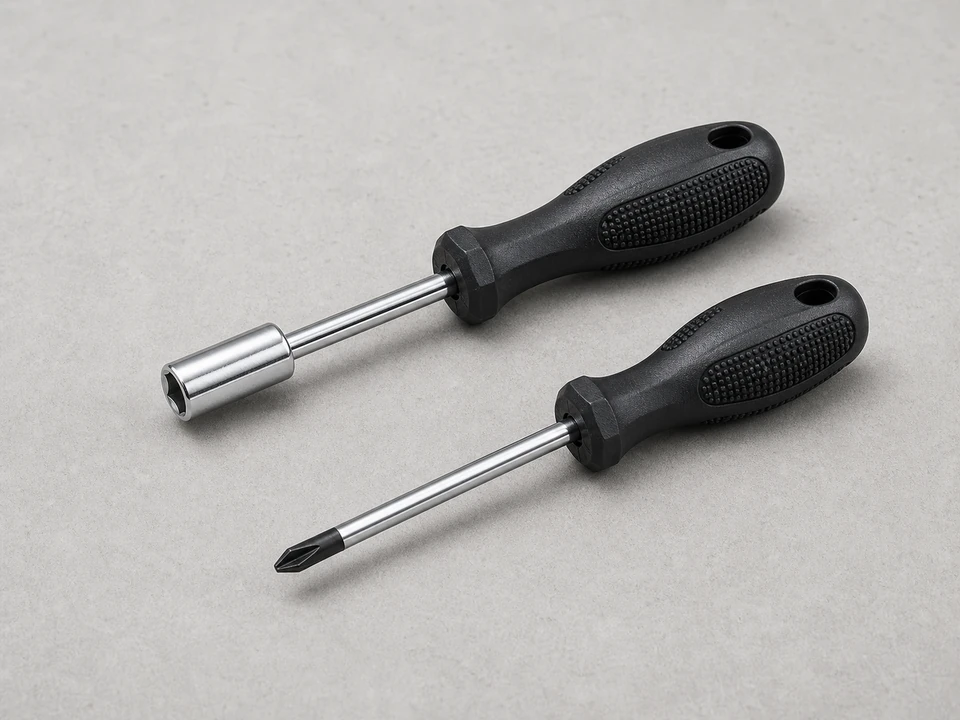
Nut driver or screwdriver
Use it for: To loosen and tighten the coupling clamps.
Shop nut drivers and screwdriversTo replace a sump pump discharge coupling, turn off power to the pump, relieve any water in the discharge line, remove the old leaking coupling, install a matching new coupling, tighten the clamps evenly, and run the pump to confirm the joint stays dry.
This is usually the right repair when water sprays, drips, or seeps from the joint just above the sump pump and the coupling itself looks cracked, loose, or distorted. The job is straightforward if the pipe is still solid and the leak is clearly coming from the coupling.
Before you start: Match the pipe diameter on both sides of the joint and the coupling style already used at your discharge connection before ordering.
Use it for: To loosen and tighten the coupling clamps.
Shop nut drivers and screwdrivers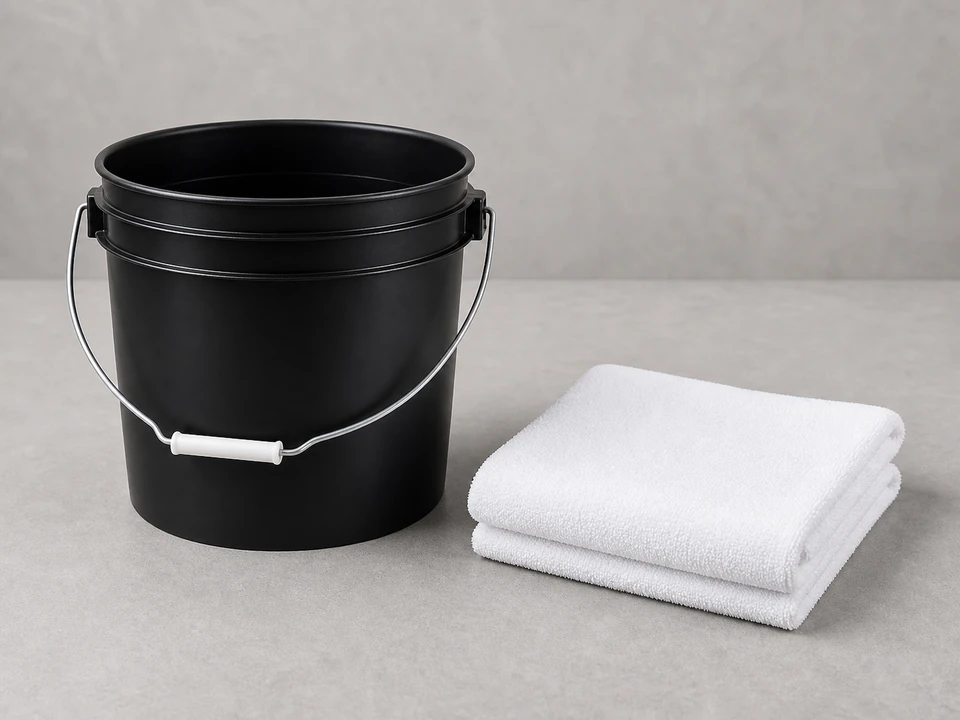
Use it for: To catch water left in the discharge pipe when you open the joint.
Shop buckets and absorbent towels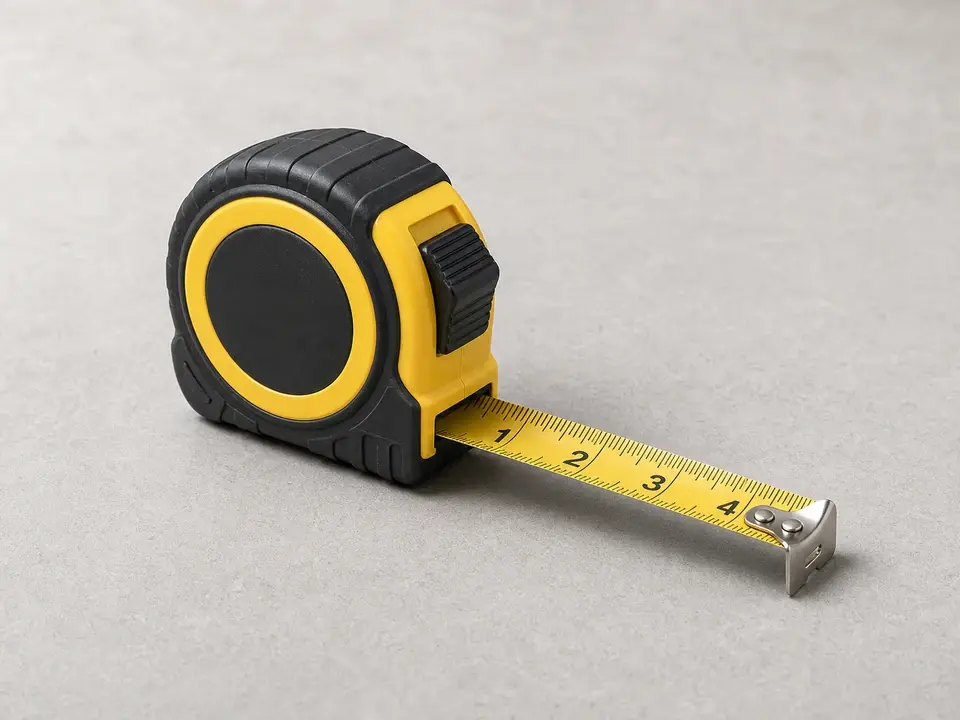
Use it for: To confirm the pipe size so the new coupling fits correctly.
Shop tape measures
Use it for: To protect your hands around clamps, pipe edges, and dirty sump water.
Shop work gloves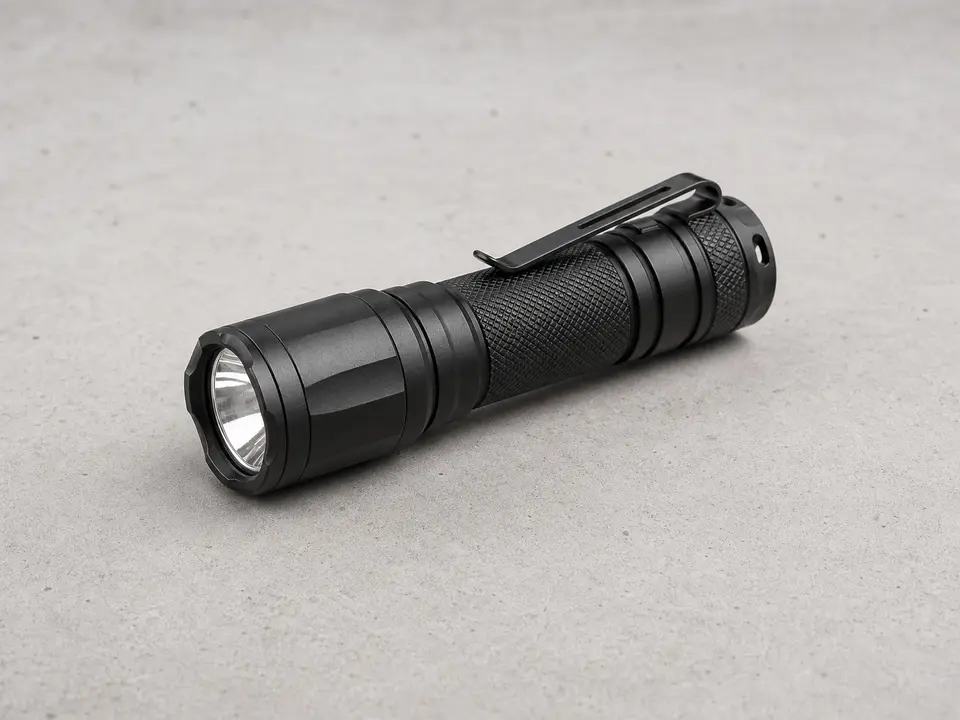
Use it for: To see the joint clearly in a dim basement or pit area.
Shop flashlightsAs an Amazon Associate I earn from qualifying purchases. Repair Riot may earn a commission at no extra cost to you.
If it works: You have confirmed the leak starts at the discharge coupling and not from another part above or below it.
If it doesn’t: If the water is coming from the pipe, check valve, or pump housing instead, stop this repair path and replace or reseal the part that is actually leaking.
If it works: The pump is off, the area is protected, and you are ready to open the joint without a surprise spill.
If it doesn’t: If the pump is hardwired and you cannot safely shut it off and verify power is off, have a qualified pro handle the replacement.
If it works: The old coupling is off and the pipe ends are exposed, clean, and ready for the replacement part.
If it doesn’t: If the coupling is stuck, loosen the clamps more and twist it gently instead of prying hard against the pipe.
If it works: The new coupling fits the joint properly and sits evenly over both connection points.
If it doesn’t: If the new coupling feels too loose, too tight, or too short to cover both sides well, recheck the pipe size and get the correct replacement before tightening anything.
If it works: The coupling is installed, clamped evenly, and the joint is dry and properly aligned before testing.
If it doesn’t: If the coupling keeps sliding out of place while tightening, loosen it, realign the pipe, and center the coupling again before retightening.
If it works: The coupling stays dry during pump operation and after the cycle ends, confirming the replacement held in real use.
If it doesn’t: If the joint still leaks, shut the pump back off and check for a mis-sized coupling, uneven clamp placement, or damage on the pipe ends that a new coupling cannot seal.
Match the pipe diameter on both sides of the joint and the coupling style already used at your discharge connection before ordering.
As an Amazon Associate I earn from qualifying purchases. Repair Riot may earn a commission at no extra cost to you.
The clearest sign is water leaking right at the flexible connector or clamp area while the pump runs. Cracks, swelling, looseness, or a coupling that has slipped out of place also point to replacement.
Sometimes a loose clamp is the only problem, especially if the coupling still looks sound. If the rubber is split, hardened, misshapen, or keeps leaking after retightening, replace it.
Usually no. A discharge coupling seals by clamping tightly around the pipe or outlet. The right size coupling on clean, undamaged pipe ends is what matters most.
Measure the outside diameter of the pipe or check the size marked on the existing discharge line. Many sump pump setups use common discharge sizes, but you should match your actual pipe diameter and connection style instead of guessing.
That often means water is draining back through the line and finding a weak seal at the coupling. A worn coupling can leak only under that brief reverse flow or vibration, even if it looks mostly dry during the main pump run.