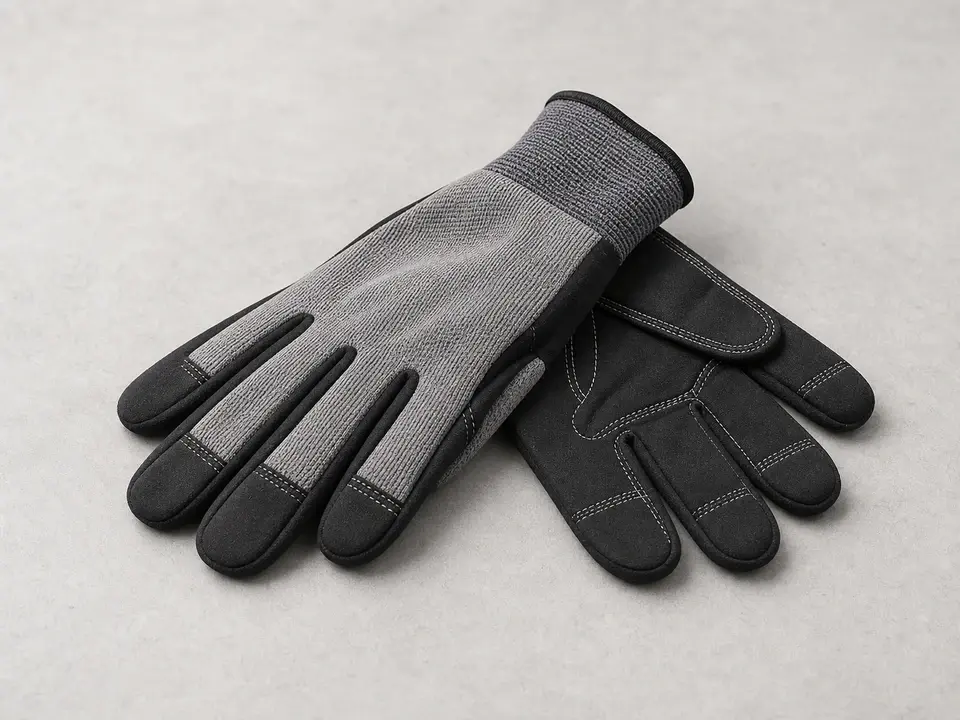
Work gloves
Use it for: Protects your hands from sharp debris, mud, and insects while digging and pulling blockage out of the outlet.
Shop work glovesTo clear a yard drain outlet, first confirm the outlet is the blockage point, then remove leaves, mud, and roots at the discharge end and flush the line until water runs freely.
A yard drain often backs up because the outlet is buried, packed with debris, or pinched shut by roots and soil. Start at the outlet before assuming the whole line is clogged. In many cases, a careful cleanup and flush restores normal drainage.
Before you start: Choose tools sized for outdoor drain pipe work. A small hand snake or flushing bladder is usually better than a large sewer machine for a typical yard drain outlet. Stop if the repair becomes unsafe or unclear.
Use it for: Protects your hands from sharp debris, mud, and insects while digging and pulling blockage out of the outlet.
Shop work gloves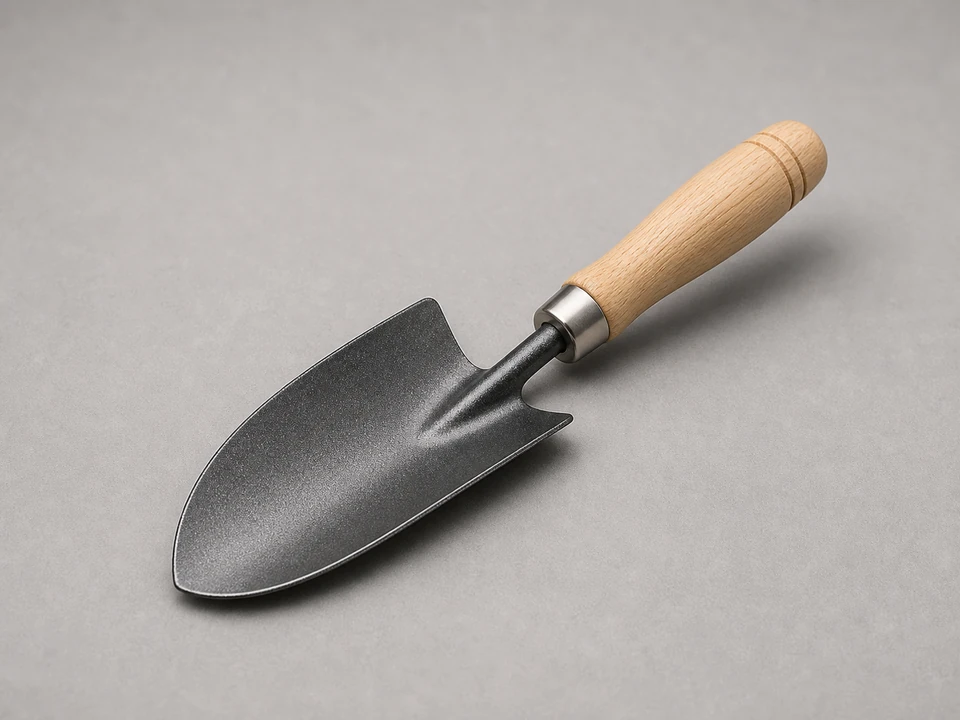
Use it for: Helps expose a buried outlet and scrape away packed mud without damaging the pipe opening.
Shop hand trowels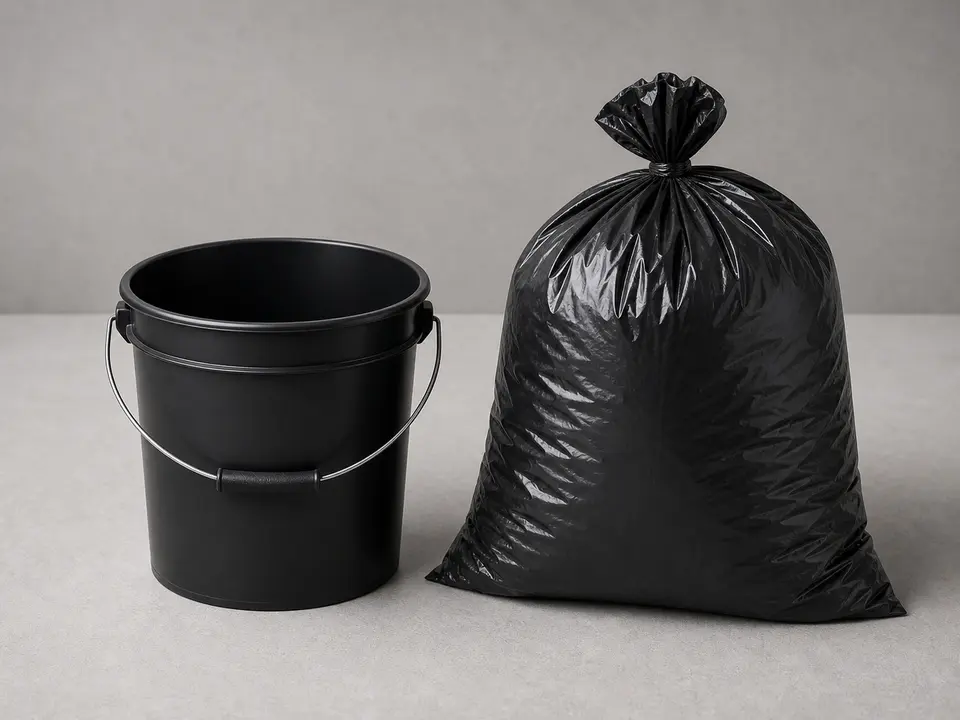
Use it for: Gives you a place to collect wet leaves, sludge, and roots instead of washing them back into the area.
Shop cleanup buckets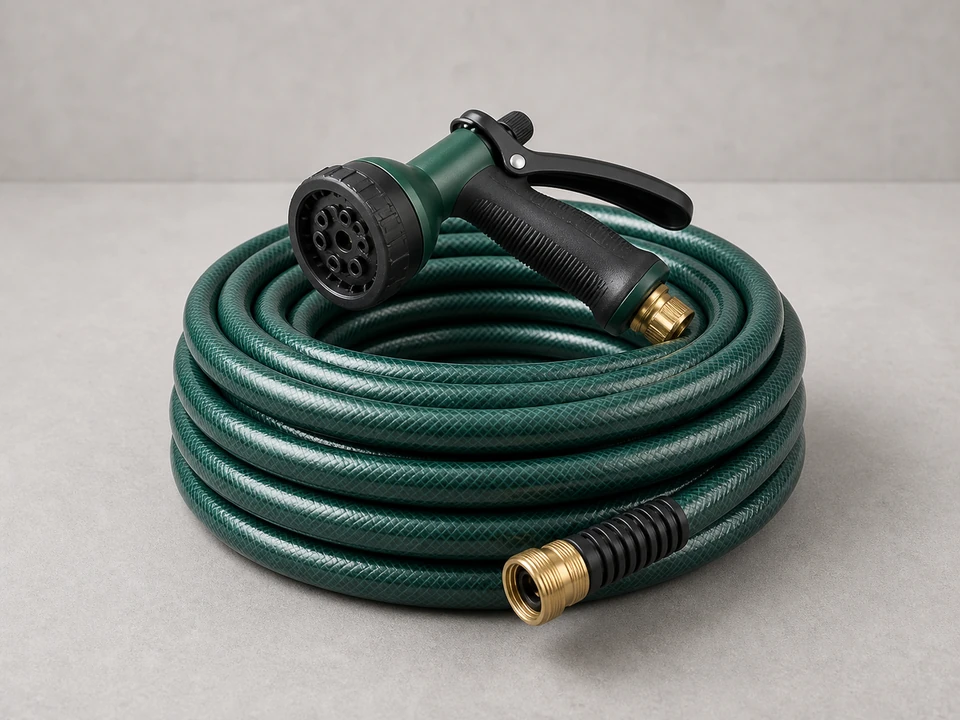
Use it for: Lets you flush loose debris out of the outlet and test whether the line is flowing normally again.
Shop garden hose nozzles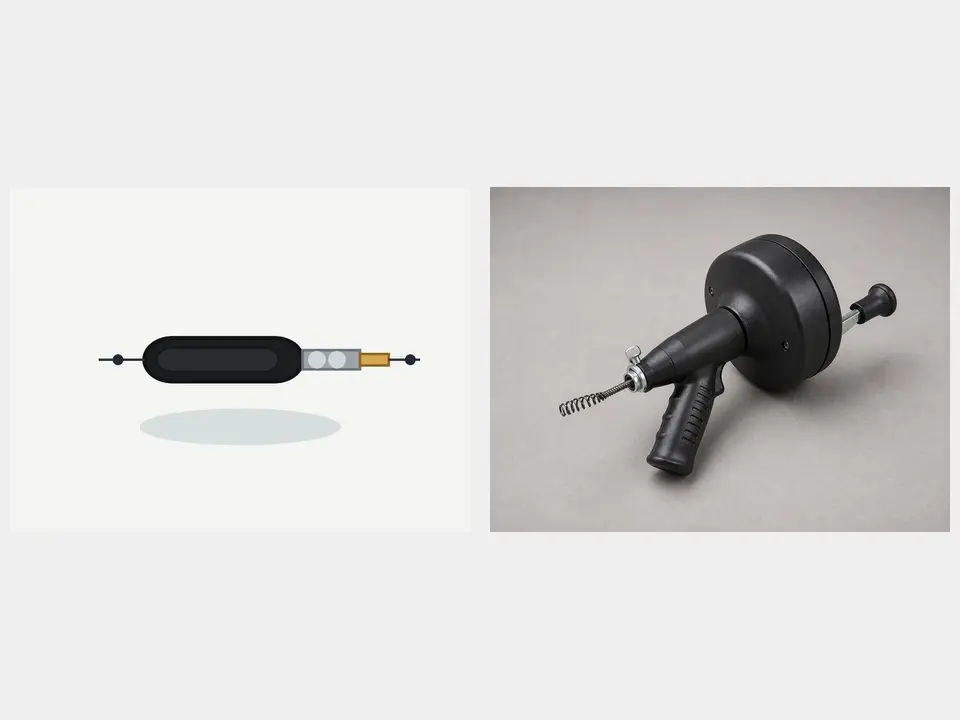
Use it for: Helps push or break up a blockage a short distance inside the pipe when hand cleaning is not enough.
Shop yard drain clearing tools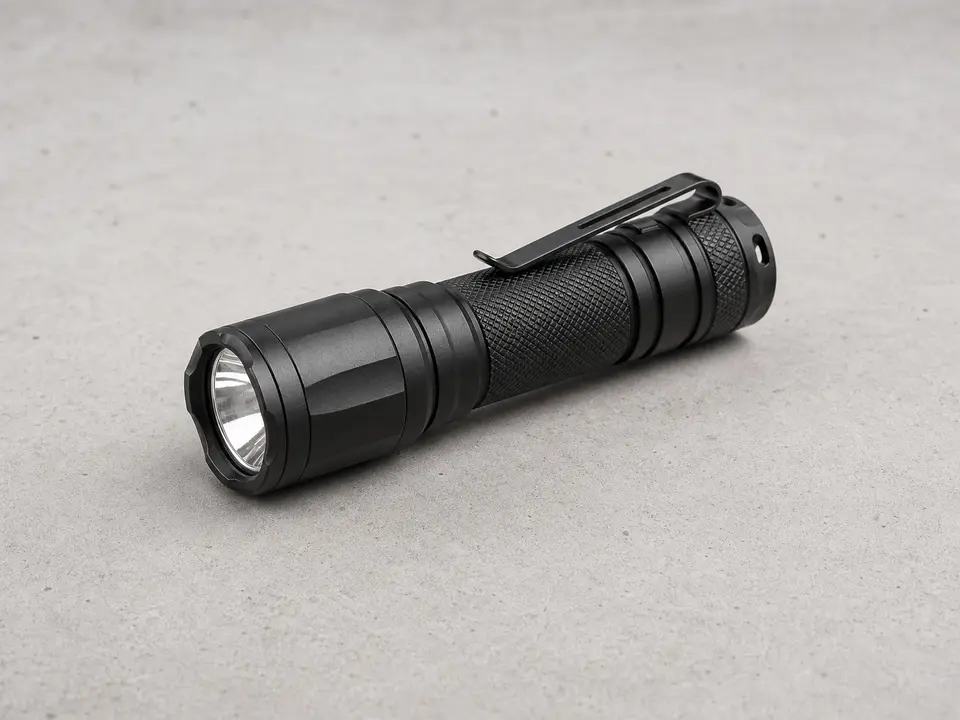
Use it for: Makes it easier to see inside the outlet for mud buildup, root intrusion, or a crushed opening.
Shop flashlightsAs an Amazon Associate I earn from qualifying purchases. Repair Riot may earn a commission at no extra cost to you.
If it works: You have confirmed the outlet is accessible and is likely the restriction point or part of the restriction.
If it doesn’t: If you cannot locate the outlet or water never reaches this section, the blockage may be farther upstream and the outlet cleanup alone may not solve it.
If it doesn’t: If the blockage feels solid several feet in or the auger will not pass, move to flushing next and stop if the line shows signs of damage.
If it works: The yard drain outlet stays open and the system drains normally under actual flow.
If it doesn’t: If the drain still backs up or flow is weak after outlet cleaning, the main clog is likely farther inside the line and the next step is clearing or inspecting the underground run.
The outlet sits at the end of the system where leaves, mud, roots, and washed-down sediment collect. If the pipe end gets buried or the discharge area fills in, even a small blockage can slow the whole drain.
Usually that is not the first choice for a typical yard drain outlet. A small hand auger or a gentle flushing tool is often safer for light outdoor drain work. Large sewer machines can damage smaller pipe or push through weak spots.
Start at the outlet when you can reach it. Many yard drain problems are right at the discharge end. If the outlet is open and the drain still does not flow, then clearing from an upstream basin or inlet may make more sense.
You can remove small roots blocking the opening, but repeated root growth often means the line has joints or cracks that let roots in. If the clog keeps returning, the pipe may need inspection and repair.
Signs of damage include a crushed pipe end, soil washing into the line, water surfacing from the ground near the outlet, or tools hitting a hard obstruction that will not clear. Those point to a repair issue, not just a simple blockage.