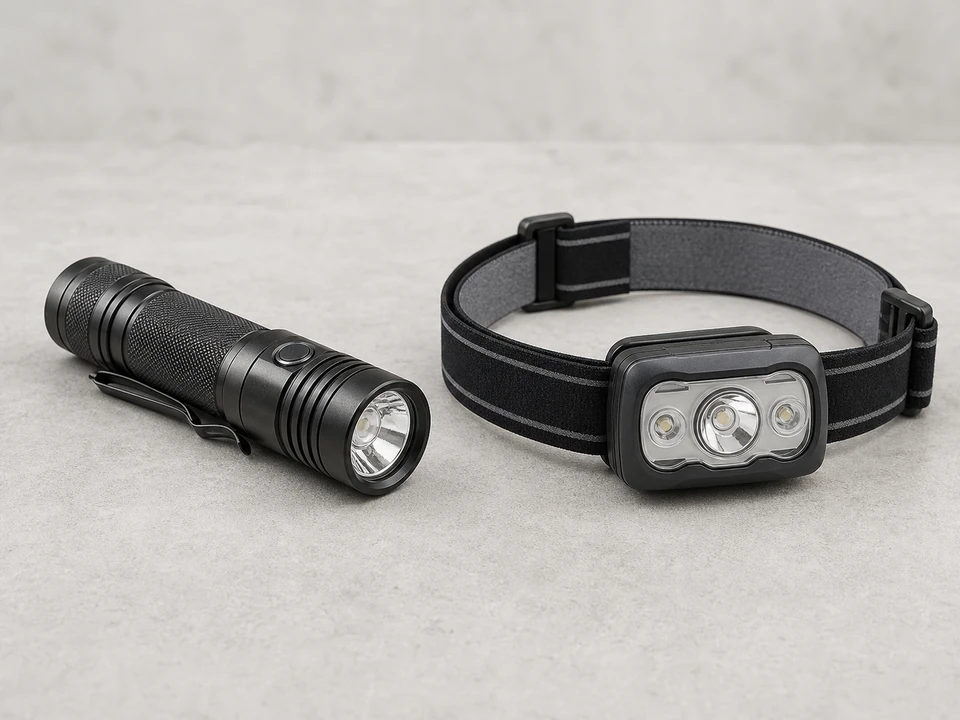
Flashlight or headlamp
Use it for: To spot damp wood, water trails, and small openings in the attic or under roof decking.
Shop attic inspection flashlightsTo find a roof leak, start inside at the water stain, then trace upward into the attic and outward to the roof above that area. Most leaks start at flashing, vents, valleys, fasteners, or damaged shingles, and the entry point is often uphill from where water shows indoors.
The goal is to find the actual entry point, not just the wet spot on the ceiling. Water can travel along framing or roof decking before it drips, so work from the stain back toward the highest likely source and verify it with a controlled water test if needed.
Before you start: Choose basic tracing supplies that help you inspect safely. If you plan to go on the roof, use gear that matches your roof height and surface. Stop if the repair becomes unsafe or unclear.
Use it for: To spot damp wood, water trails, and small openings in the attic or under roof decking.
Shop attic inspection flashlights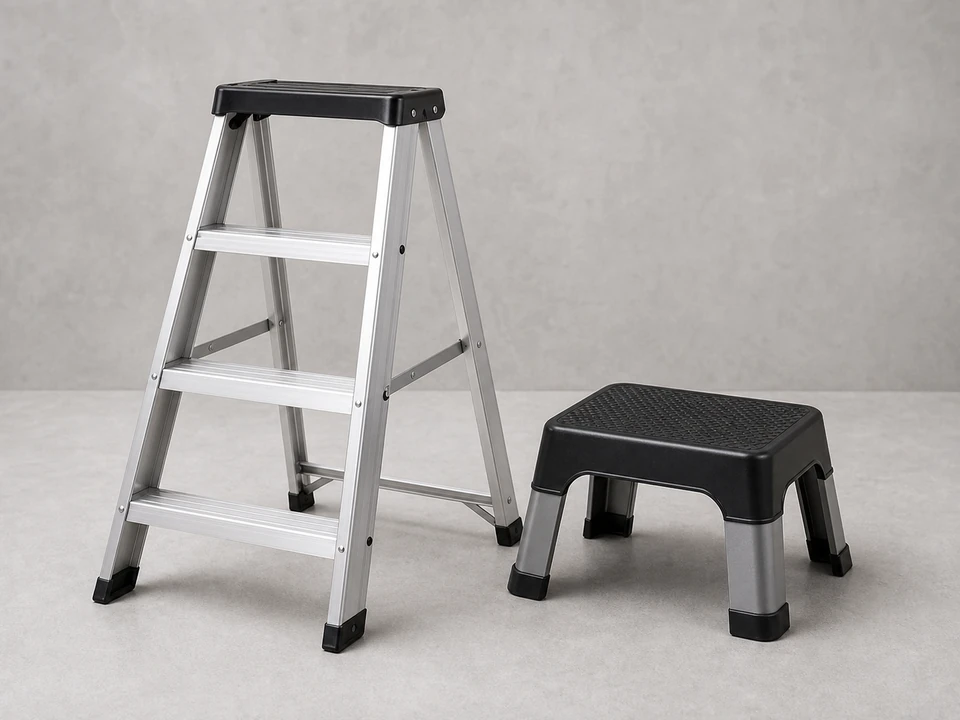
Use it for: To reach ceiling stains, attic access, and lower roof edges more safely.
Shop step ladders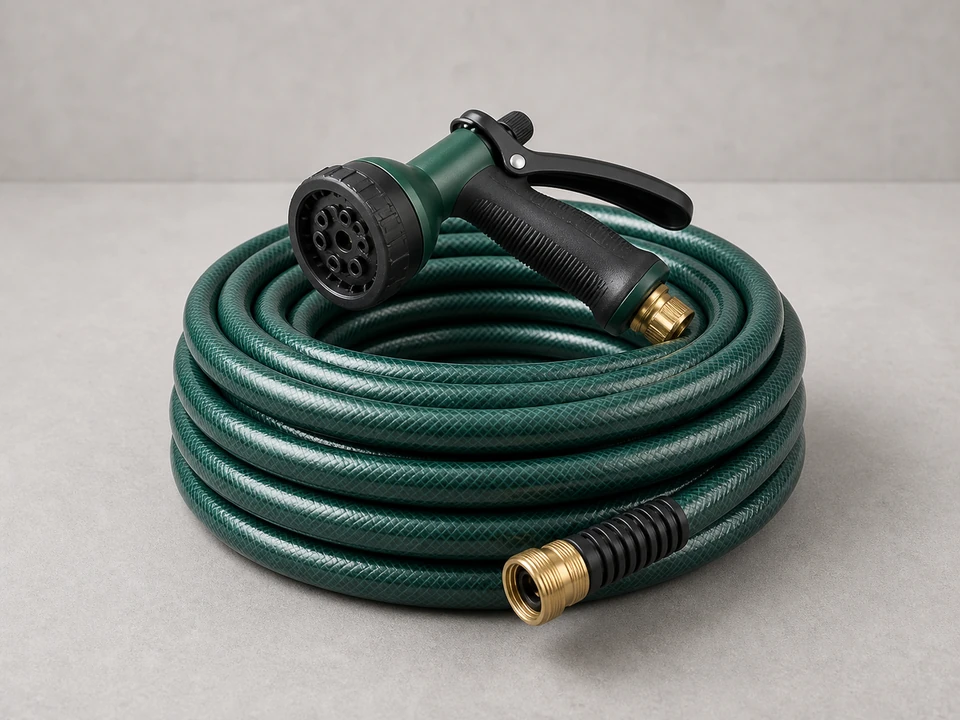
Use it for: To run a controlled water test on one roof area at a time.
Shop hose spray nozzles
Use it for: To mark the stain indoors and suspected leak points outside so you do not lose track.
Shop painter's tape and chalk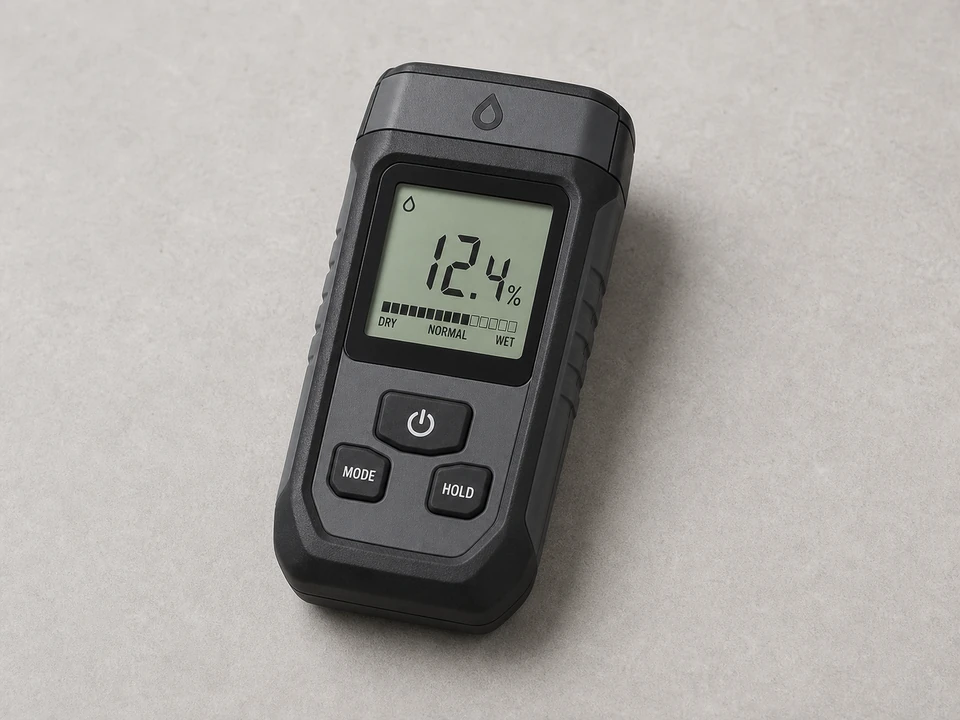
Use it for: To compare damp and dry areas and narrow down where water is still active.
Shop moisture meters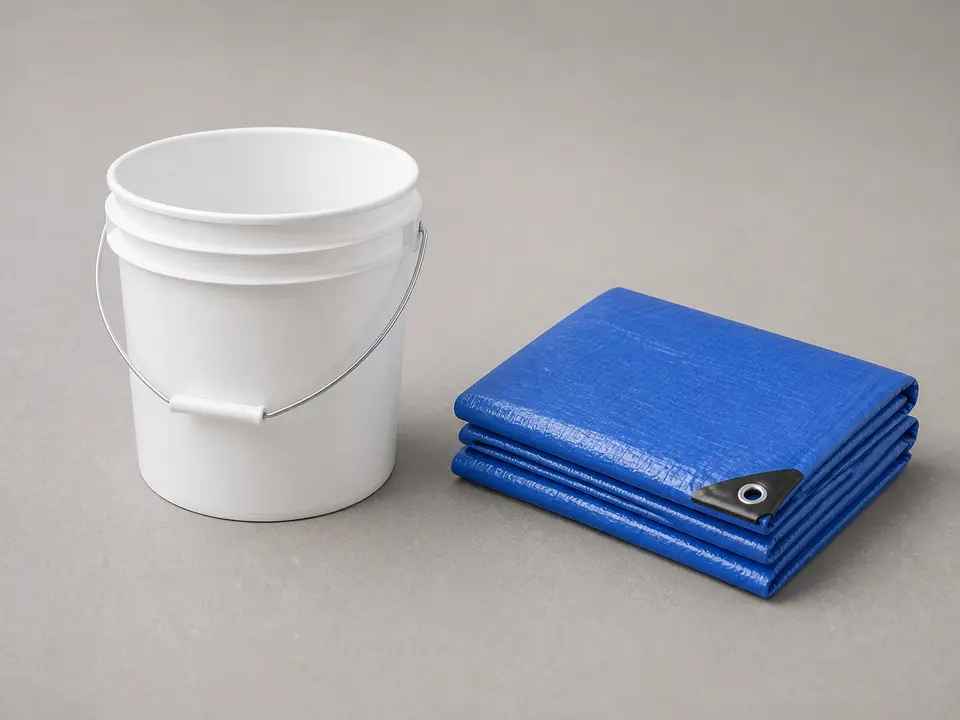
Use it for: To protect belongings below the leak while you trace the source.
Shop plastic sheeting and tarpsAs an Amazon Associate I earn from qualifying purchases. Repair Riot may earn a commission at no extra cost to you.
If it works: You have a marked indoor leak area and roof leakage is the most likely cause.
If it doesn’t: If the moisture appears without rain or is directly below plumbing or HVAC equipment, trace those systems first before spending time on the roof.
If it works: You have narrowed the leak to a section of roof or a likely penetration above the stain.
If it doesn’t: If the attic is inaccessible or the leak path disappears, move outside and inspect the roof area directly above and slightly uphill from the stain.
If it works: You have identified one or more likely entry points that line up with the indoor leak path.
If it doesn’t: If nothing obvious stands out, set up a controlled water test so you can confirm the source instead of guessing.
If it works: You have matched the indoor leak to a specific roof area or detail.
If it doesn’t: If repeated small-area testing does not reproduce the leak, wait for the next rain and recheck the attic quickly while the leak is active.
If it works: The leak source is documented and the home is protected well enough for a proper repair plan.
If it doesn’t: If you cannot protect the area safely, focus on interior containment and arrange professional help before the next storm.
If it works: The same area stays dry under real use, confirming you traced the leak correctly.
If it doesn’t: If moisture returns from a different spot, restart the tracing process slightly higher on the roof and around nearby flashing or penetrations.
Most roof leaks start at flashing, roof penetrations, valleys, damaged shingles, or exposed fasteners. The drip inside is often lower than the actual entry point.
Water can travel along roof decking, rafters, or insulation before it drops. That is why tracing uphill from the stain is usually more accurate than looking straight above it.
Sometimes, yes. Attic inspection during or right after rain can reveal water trails, damp decking, or daylight through gaps. Ground-level binocular checks can also help you spot obvious roof damage.
Yes, but only in a controlled way. Wet one small area at a time and have another person watch inside. Spraying the whole roof at once makes the results hard to trust.
Call for help if the roof is unsafe to walk, the decking feels soft, the leak is causing ceiling sagging, or you find widespread damage instead of one clear source.