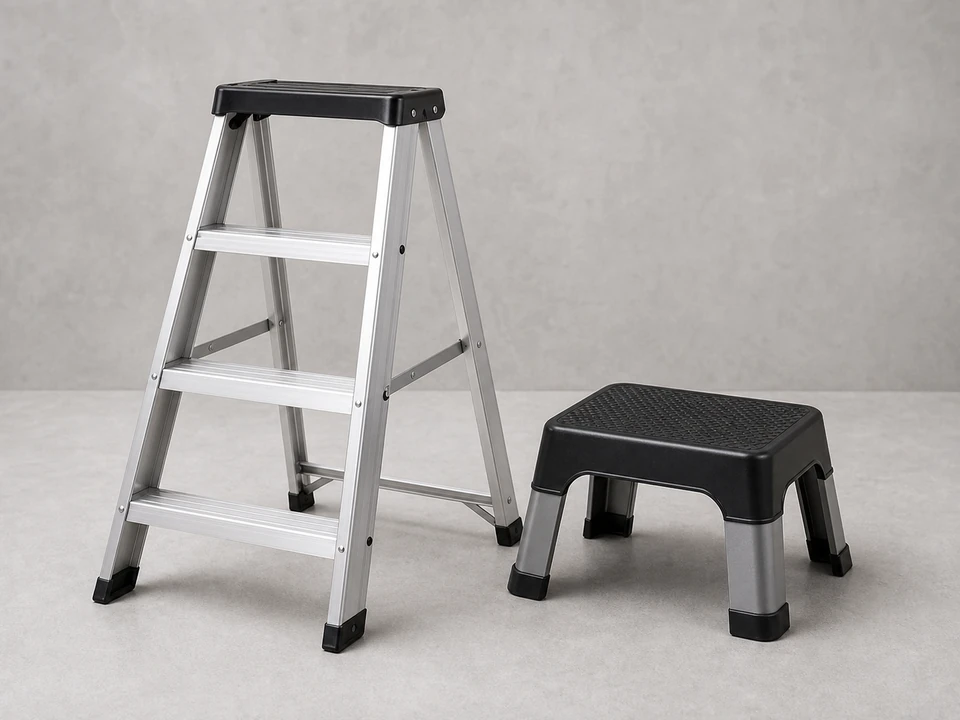
Stepladder
Use it for: To reach the ceiling-mounted detector safely and work with both hands free.
Shop stepladdersTo replace a hardwired smoke detector, first confirm the alarm itself is the problem, turn off the circuit, remove the old unit, connect the new detector, mount it, restore power, and test both the test button and normal operation.
This is a manageable homeowner job if the wiring is intact and the ceiling box is dry. If the detector area has had a leak, make sure the source of the water is fixed before you install the new alarm.
Before you start: Match the replacement to your existing wiring connector, mounting style, and power type before ordering. If the old alarm was exposed to water, replace it rather than trying to dry and reuse it.
Use it for: To reach the ceiling-mounted detector safely and work with both hands free.
Shop stepladders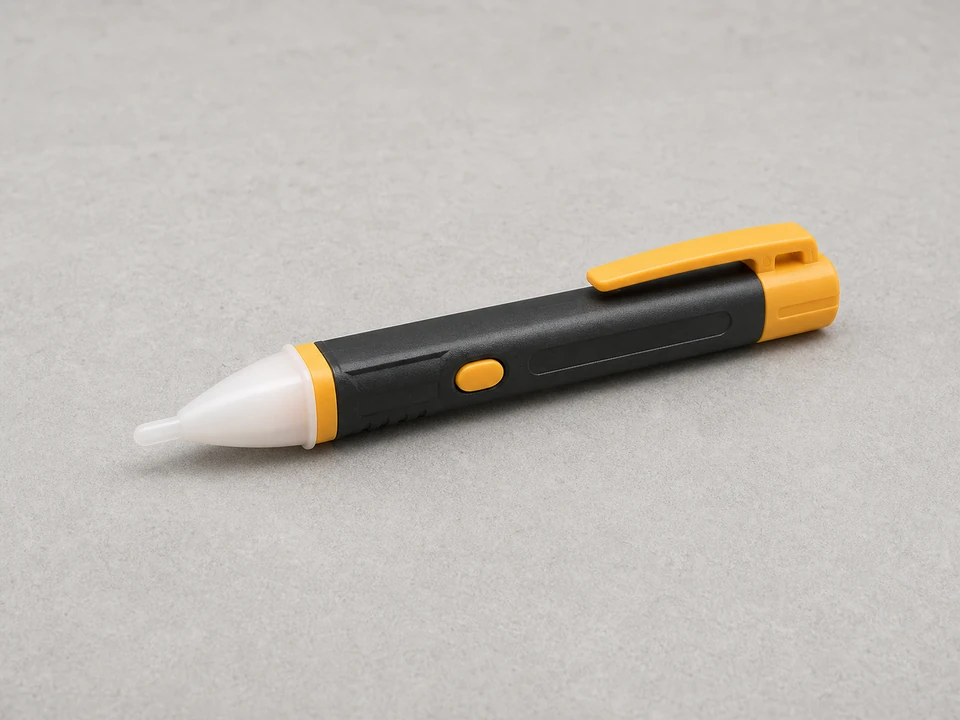
Use it for: To confirm the detector circuit is off before you touch the wiring harness.
Shop non-contact voltage testers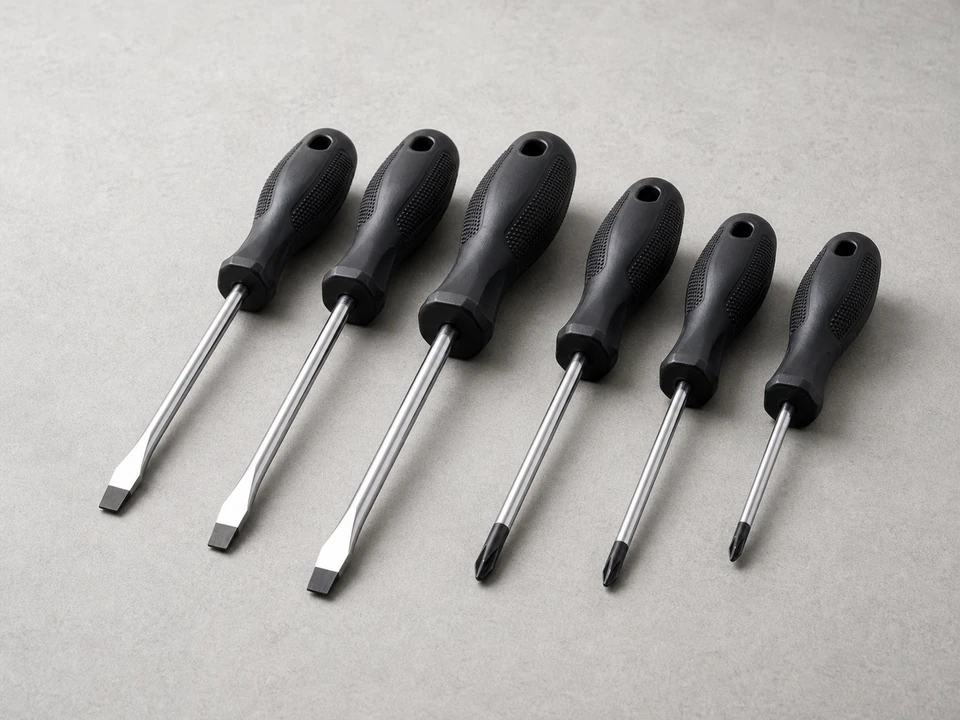
Use it for: To remove the old mounting plate or tighten the new one if needed.
Shop screwdriver sets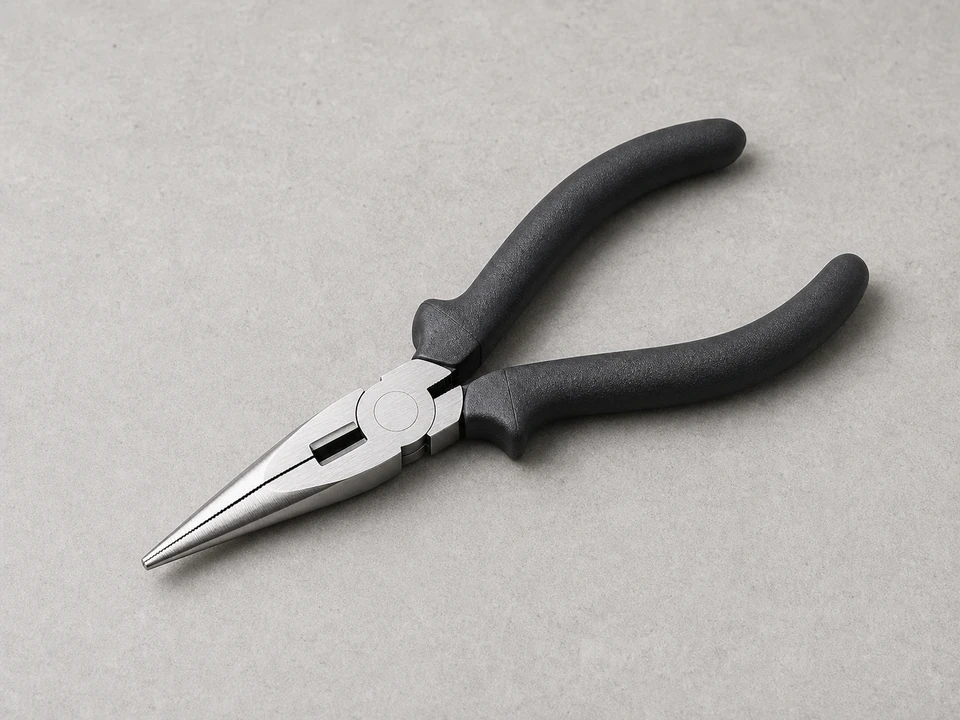
Use it for: To help guide the wiring plug or handle small screws and wire ends.
Shop needle-nose pliers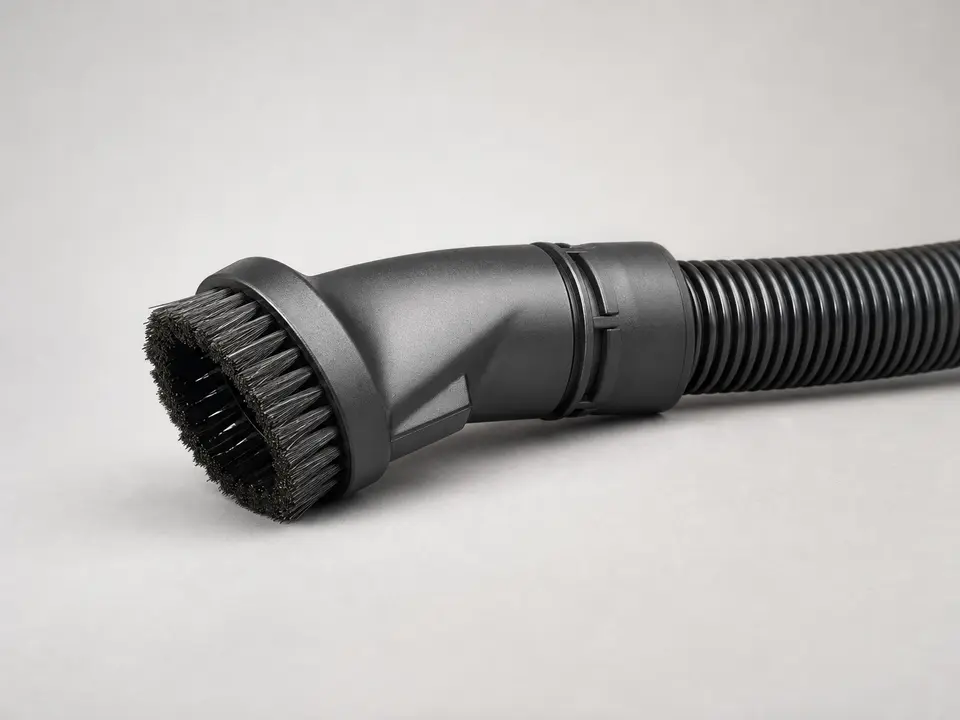
Use it for: To clean dust from the ceiling area before mounting the new detector.
Shop vacuums with brush toolsAs an Amazon Associate I earn from qualifying purchases. Repair Riot may earn a commission at no extra cost to you.
If it works: You know the detector itself needs replacement and the area is dry enough to install a new one.
If it doesn’t: If the detector seems fine and the problem is active dripping, staining, or damp drywall, fix the leak and dry the area first before replacing the alarm.
If it works: The old detector is down, unplugged, and the circuit has been confirmed off.
If it doesn’t: If the detector will not release from the plate, look for a small locking tab or retaining screw and remove that before forcing it.
If it works: The ceiling box is sound and the correct plate and connector are ready for the new detector.
If it doesn’t: If the new detector does not match the existing connector or mounting style, pause and get the correct replacement or the proper included harness for that detector.
If it works: The new detector is mounted securely, connected, and ready for power.
If it doesn’t: If the detector will not sit flat, remove it and check for pinched wires, a misaligned plate, or the wrong mounting ring.
If it works: The new detector powers up and passes its test cycle.
If it doesn’t: If there is no power light or no response to the test button, turn the breaker back off and recheck the harness connection, battery installation, and mounting position.
If it works: The new detector stays powered, stays quiet during normal conditions, and the area remains dry.
If it doesn’t: If nuisance alarms or moisture return, the root problem is not the detector alone. Recheck for hidden water intrusion, humidity issues, or wiring problems.
Match the replacement to your existing wiring connector, mounting style, and power type before ordering. If the old alarm was exposed to water, replace it rather than trying to dry and reuse it.
As an Amazon Associate I earn from qualifying purchases. Repair Riot may earn a commission at no extra cost to you.
Usually yes, if the wiring is intact, the ceiling box is dry, and you are comfortable shutting off the breaker and swapping the detector. Stop if you find damaged wiring or signs of water inside the box.
Not always. Some replacements fit the existing plate and connector, while others use a new harness and plate included with the detector. Match the new unit to the old setup before you start.
Water can damage the sensing chamber, electronics, or connector and cause false alarms or failure later. If the detector got wet, replacement is the safer choice once the leak is fixed.
First check the backup battery, harness connection, and that the breaker is on. If those are correct, make sure you bought the right type of hardwired detector and that the ceiling wiring is not damaged.
Match the power type, connector style, mounting method, and any needed interconnect compatibility. The old detector label and wiring plug are the best guides when shopping.