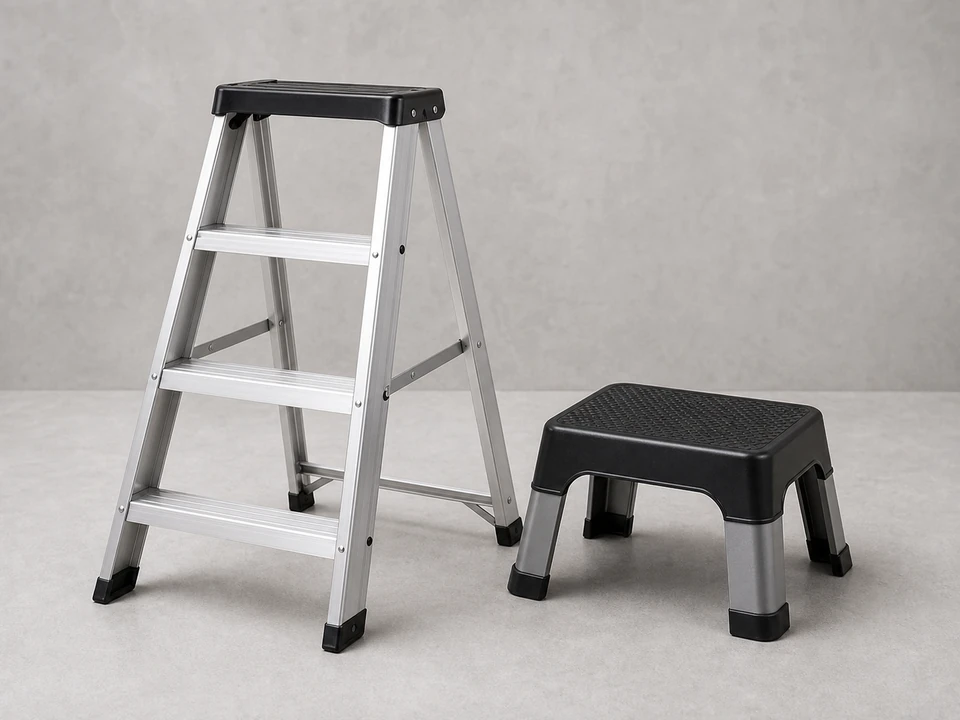
Step ladder
Use it for: To reach the ceiling or high wall safely.
Shop step laddersTo replace a battery smoke detector, confirm the detector itself is the problem, remove the old unit from its mounting plate, install the new detector with the correct battery, and test it with the built-in test button before you leave it in service.
This is a straightforward replacement if the detector is old, damaged, unreliable, or has been exposed to moisture. Work carefully on a stable ladder, and do not reuse a detector that shows water damage, corrosion, or a melted or cracked housing.
Before you start: Match the power type, mounting style, and battery requirements before ordering so the new detector fits your location and setup.
Use it for: To reach the ceiling or high wall safely.
Shop step ladders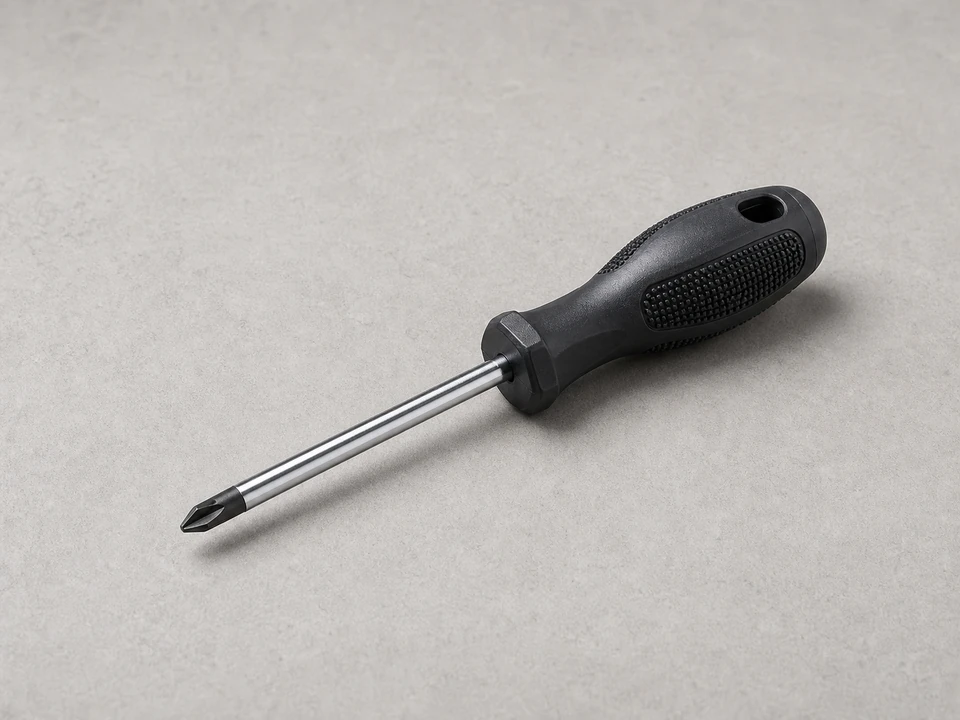
Use it for: To remove the mounting plate if the new detector does not match the old one.
Shop screwdrivers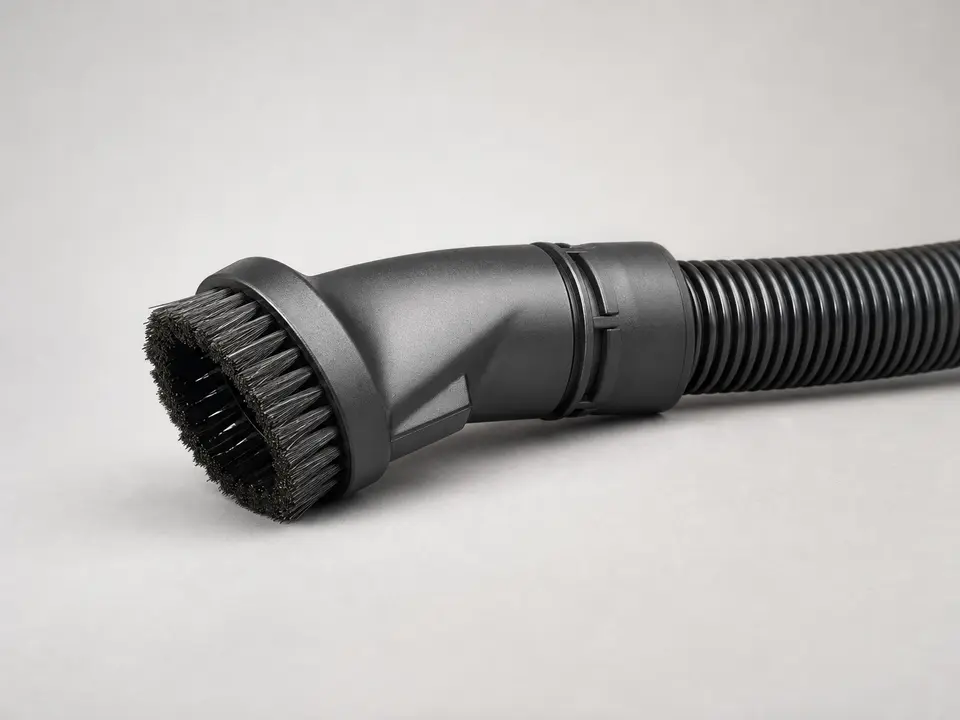
Use it for: To clean dust from the mounting area before installing the new detector.
Shop vacuums with brush tools
Use it for: To wipe the ceiling area and the outside of the new detector if needed.
Shop microfiber cloths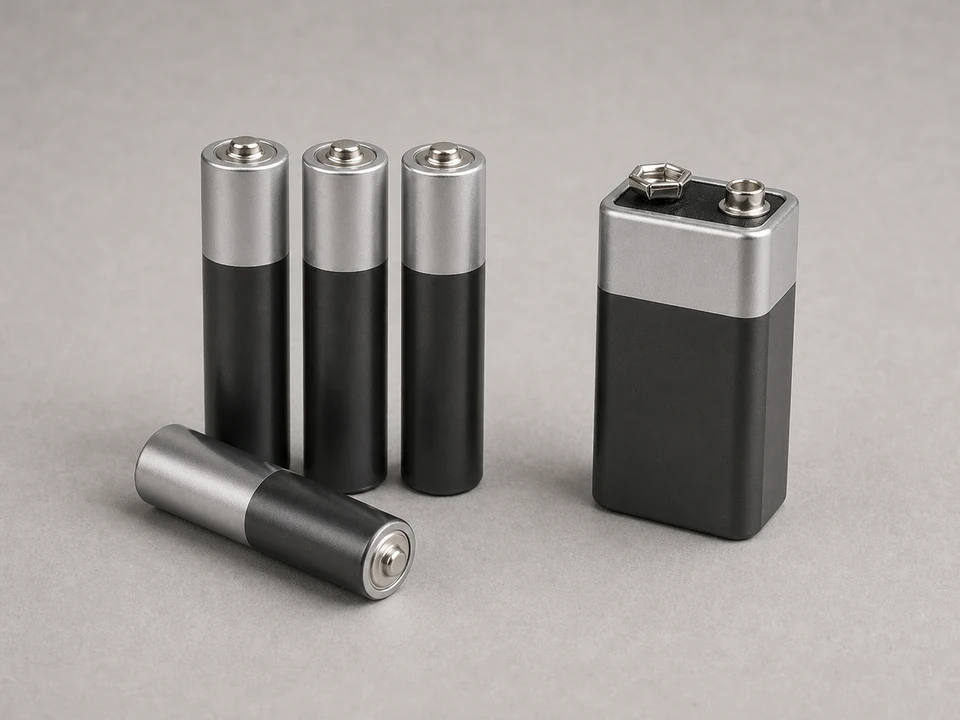
Use it for: Some new battery smoke detectors ship without the battery installed, or require a specific battery type.
Find replacement smoke detector batteriesAs an Amazon Associate I earn from qualifying purchases. Repair Riot may earn a commission at no extra cost to you.
If it works: You have a clear reason to replace the detector instead of just changing the battery or cleaning it.
If it doesn’t: If the detector works normally after a fresh battery and basic cleaning, you may not need full replacement yet.
If it works: The old detector is off the ceiling or wall and free from its power source.
If it doesn’t: If the detector will not release, look for a small locking pin or tamper tab that must be removed or pressed first.
If it works: The mounting point is clean and ready, and the correct plate is in place for the new detector.
If it doesn’t: If the new detector does not match the power type or mounting setup you have, pause and get a compatible replacement.
If it works: The new detector is mounted securely with the correct power source connected.
If it doesn’t: If the detector will not lock onto the plate, remove it and recheck the plate orientation, battery door, and connector position.
If it works: The new detector responds to the test button and appears to power up normally.
If it doesn’t: If there is no alarm, remove the detector and recheck the battery, battery orientation, and any plug connection before testing again.
If it works: The new detector stays quiet in standby, passes testing, and remains secure in real use.
If it doesn’t: If the new detector starts chirping, false alarming, or showing signs of moisture, address the underlying leak or wiring issue next.
Match the power type, mounting style, and battery requirements before ordering so the new detector fits your location and setup.
As an Amazon Associate I earn from qualifying purchases. Repair Riot may earn a commission at no extra cost to you.
Yes, if the detector is otherwise in good shape and responds normally after a fresh battery. Replace the whole detector if it is old, damaged, unreliable, or has been exposed to water.
Use the mounting plate that came with the new detector. Remove the old plate, install the new one, and then attach the detector body to the matching plate.
Usually yes. Moisture can damage the sensor and electronics even if the outside looks fine. If the detector got wet from a leak, replacement is the safer choice.
The most common causes are the wrong battery type, reversed battery orientation, a battery door that is not fully closed, or a detector that is not fully locked onto the plate. Recheck those first.
The detector should sound strongly when you press the test button, then stay quiet in normal standby without random chirping or false alarms.