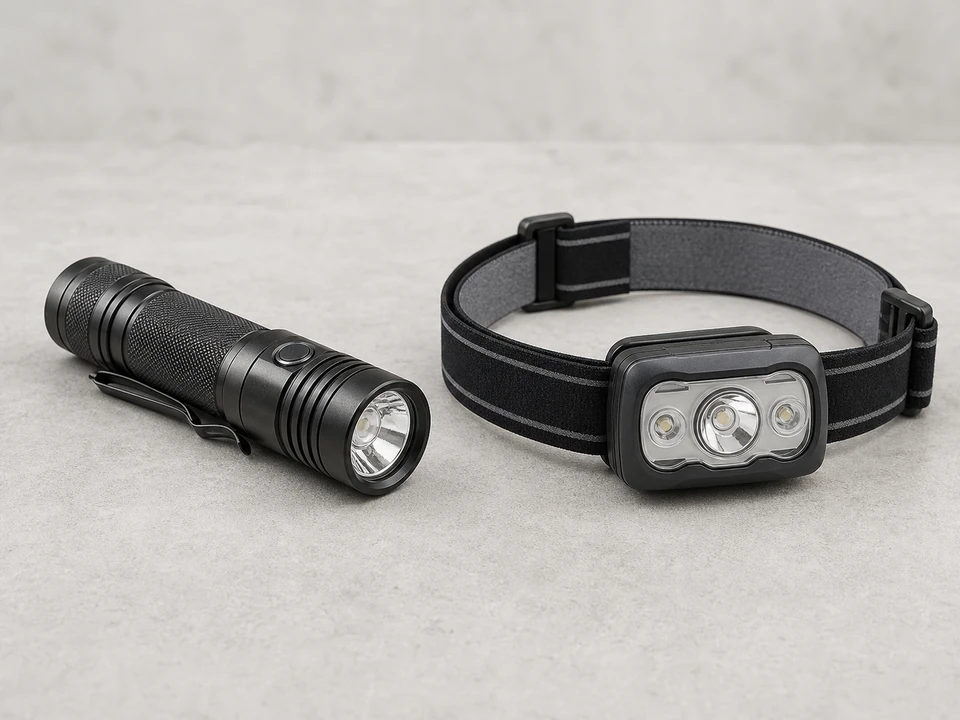
Flashlight or headlamp
Use it for: To see staining, wet wood, nail tips, and gaps in a dark attic.
Get a bright attic flashlightTo trace a roof leak from the attic, start at the interior water stain, then follow damp wood, dark staining, rusty fasteners, and compressed insulation uphill toward the highest wet point. Check roof penetrations, valleys, and flashing areas nearby, then confirm the path with a careful helper-assisted water test if needed.
Roof leaks rarely drip straight down from the hole in the roof. Water often runs along sheathing, rafters, or nails before it shows up on a ceiling. A slow, methodical attic check usually finds the real entry point faster than guessing from outside.
Before you start: Choose basic inspection tools that help you trace moisture safely in a dark attic. A bright flashlight, painter's tape, and a simple moisture meter are more useful than roof-specific parts for this job. Stop if the repair becomes unsafe or unclear.
Use it for: To see staining, wet wood, nail tips, and gaps in a dark attic.
Get a bright attic flashlight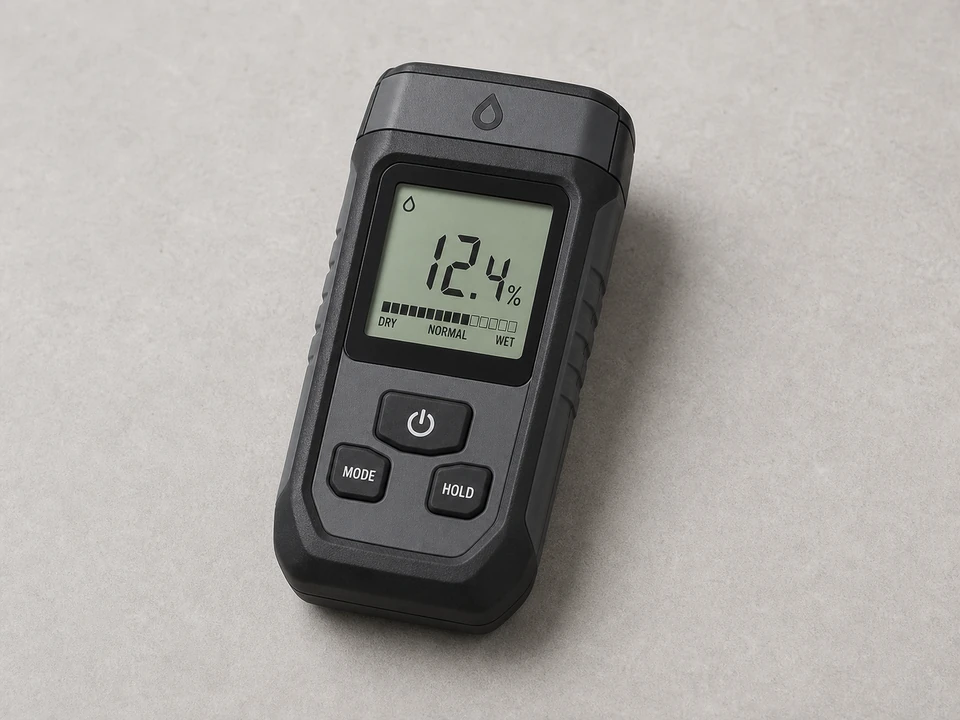
Use it for: To compare damp and dry areas and narrow down the wettest path.
Check moisture with a meter
Use it for: To mark the suspected leak path and the spot to check from outside later.
Pick up marking tape
Use it for: To move more safely and comfortably while staying on framing members.
Protect your knees in the attic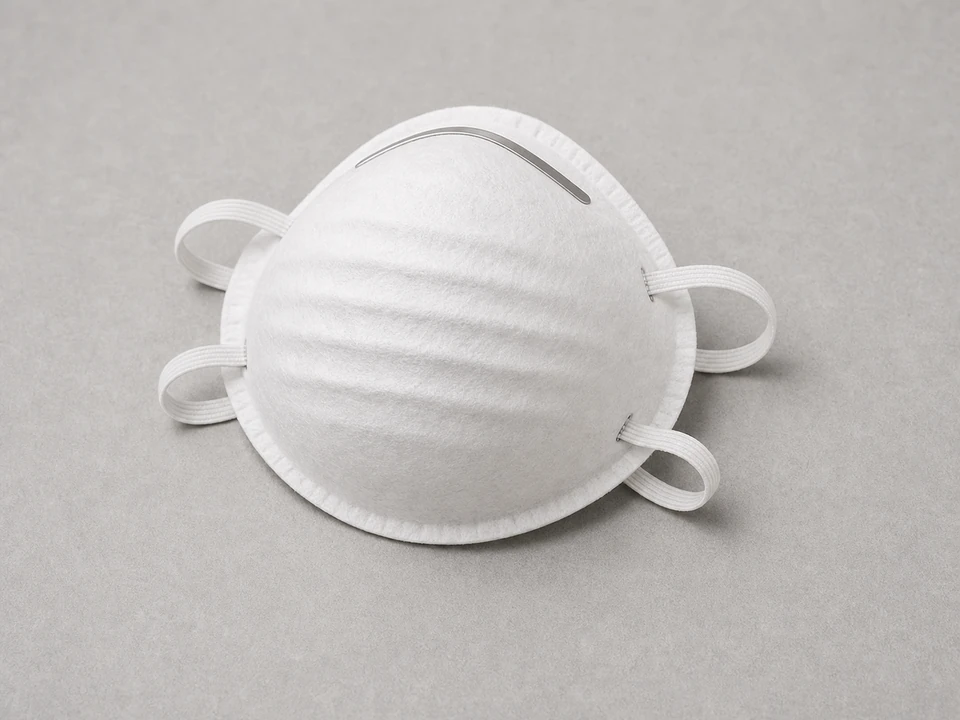
Use it for: To reduce irritation from insulation dust and attic debris.
Grab a dust mask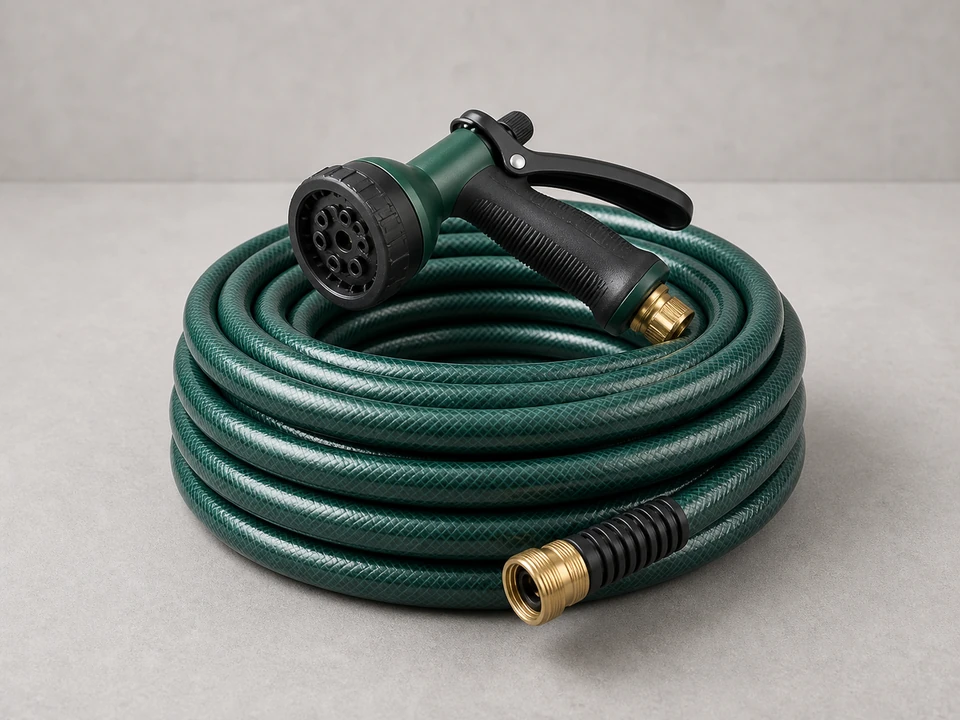
Use it for: To run a controlled water test after the visual inspection if the leak path is still unclear.
Set up a controlled water testAs an Amazon Associate I earn from qualifying purchases. Repair Riot may earn a commission at no extra cost to you.
If it works: You have matched the interior leak area to the attic and the leak pattern points to the roof rather than an indoor water line.
If it doesn’t: If the moisture appears only when a bathroom, furnace, or air conditioner runs, trace those systems first before assuming the roof is leaking.
If it works: You have a visible moisture trail or at least a smaller suspect zone above the interior stain.
If it doesn’t: If everything looks dry, check again during or right after rain, or move to a controlled water test once the visual inspection is complete.
If it works: You have narrowed the leak to a likely entry point such as a flashing area, penetration, valley, or damaged section of roof deck.
If it doesn’t: If no obvious entry point stands out, move on to a controlled water test so you can watch where moisture first appears.
If it works: You have matched fresh water entry in the attic to a specific roof area or detail.
If it doesn’t: If the hose test does not reproduce the leak, the problem may depend on wind direction, ice damming, or a more distant path that needs a broader inspection.
If it works: You have enough location detail to repair the right roof area instead of guessing.
If it doesn’t: If you still cannot tie the attic clues to an outside location, take photos and bring in a roofer for a targeted inspection rather than opening random areas.
If it works: The attic stays dry under real use, and the traced source matches the repaired roof detail.
If it doesn’t: If moisture returns, expand the search uphill and sideways from the first suspect area because the original leak path may have been only part of the problem.
Water often runs along roof sheathing, rafters, or fasteners before it drops onto the ceiling. That is why the real entry point is usually uphill from the stain.
Yes, but it is harder. Look for old staining, rusty nail tips, compressed insulation, and water marks on wood. If needed, use a careful hose test with a helper.
Start above the interior stain or drip, then work upward toward the ridge while checking nearby penetrations, flashing areas, valleys, and roof-to-wall intersections.
No, but it helps. A simple meter can show which wood is still damp and can make a faint leak path easier to follow.
Stop if you find sagging sheathing, soft framing, widespread rot, heavy mold, unsafe footing, or a leak path that points to a complex flashing or structural problem.