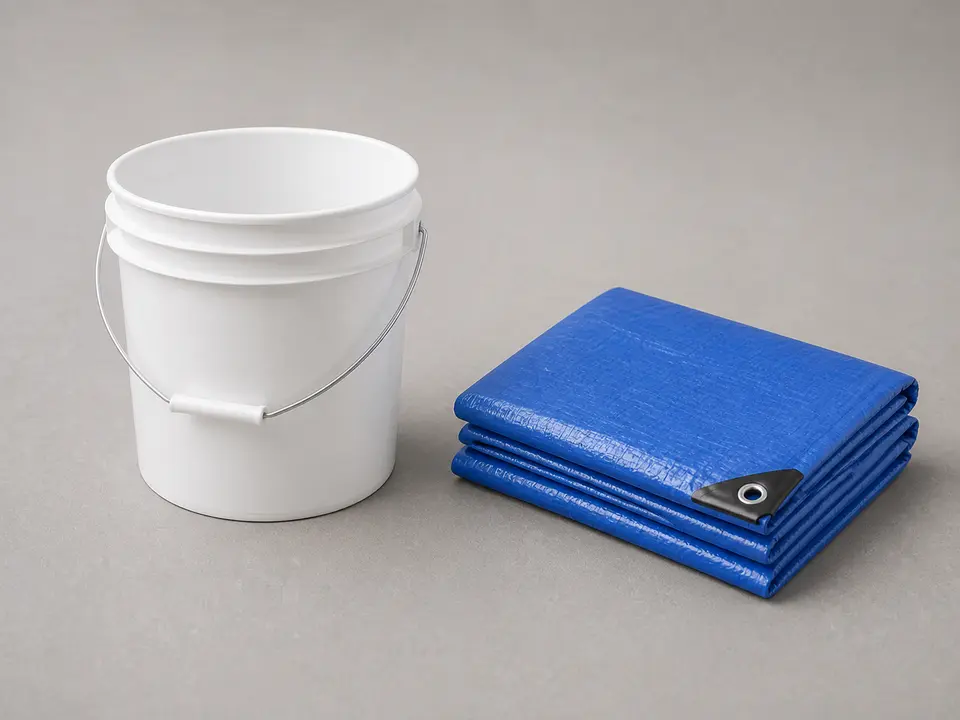
Heavy duty waterproof tarp
Use it for: Covers the damaged roof area and sheds water away from the leak.
Shop heavy-duty roof tarpsTo tarp a roof leak temporarily, wait for safe weather, cover the damaged section with a heavy waterproof tarp that extends beyond the leak, secure it tightly so wind cannot lift it, and then check inside during the next rain to confirm water is staying out.
A roof tarp is a short-term way to slow or stop water intrusion until the roof can be repaired properly. The key is covering more than the visible leak area, fastening the tarp so it stays put, and not climbing onto a roof in unsafe conditions.
Before you start: Choose a heavy-duty waterproof tarp large enough to extend well past the damaged area and over the roof peak if possible. Avoid undersized tarps that stop right at the leak. Stop if the repair becomes unsafe or unclear.
Use it for: Covers the damaged roof area and sheds water away from the leak.
Shop heavy-duty roof tarps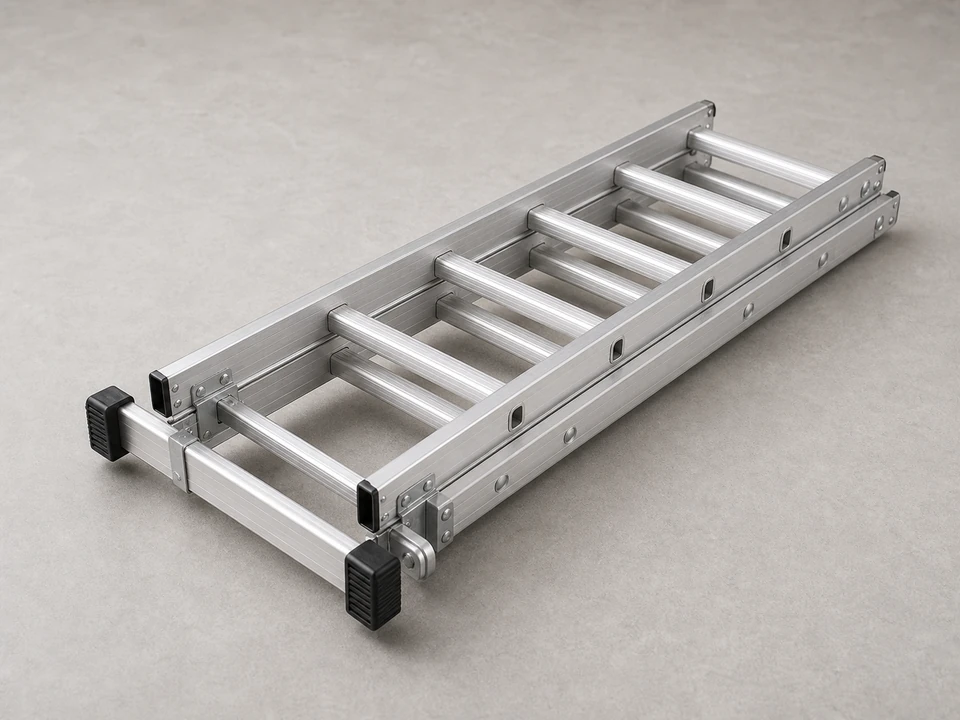
Use it for: Lets you reach the roof edge more safely from stable ground.
Find an extension ladder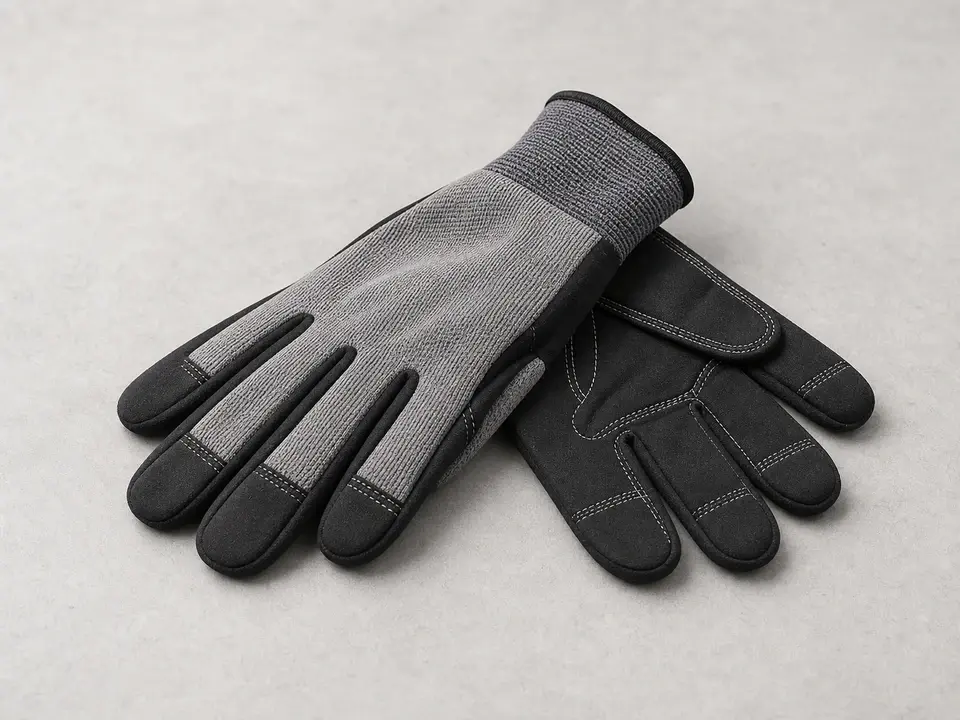
Use it for: Protects your hands from sharp shingles, flashing edges, and splinters.
Get work gloves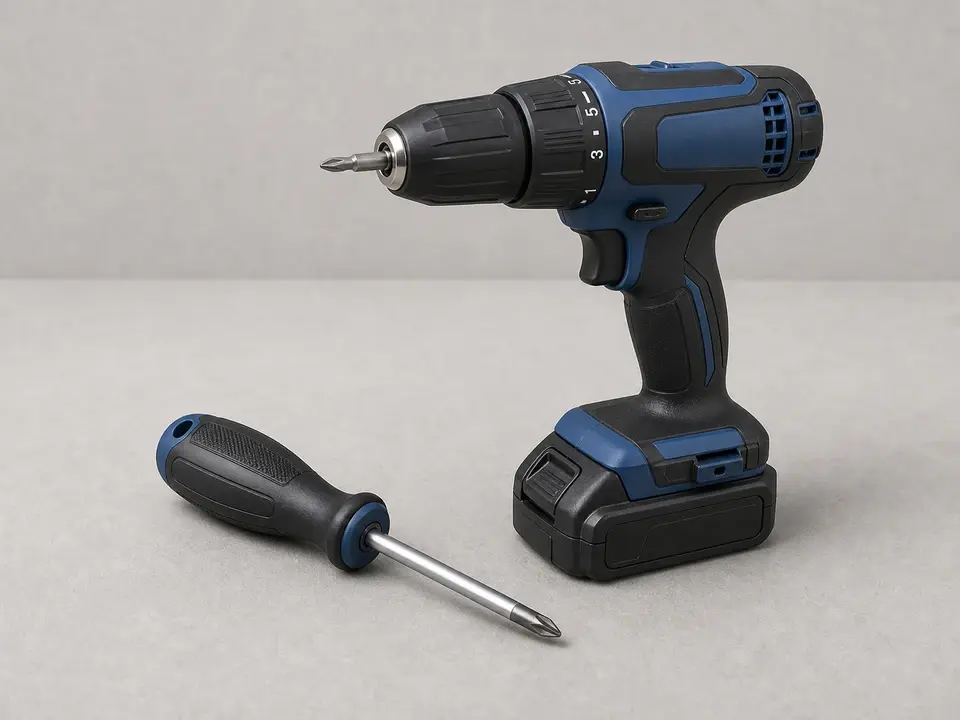
Use it for: Drives fasteners through securing boards or strips.
Shop cordless drill drivers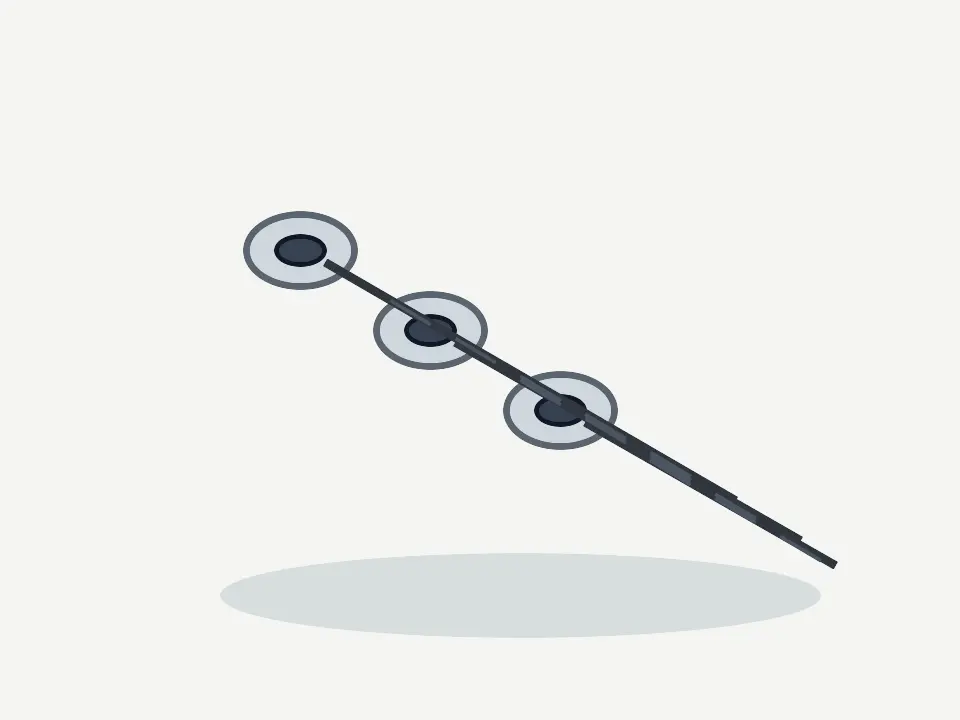
Use it for: Helps secure the tarp and holding strips so wind is less likely to pull them loose.
Find exterior screws with washers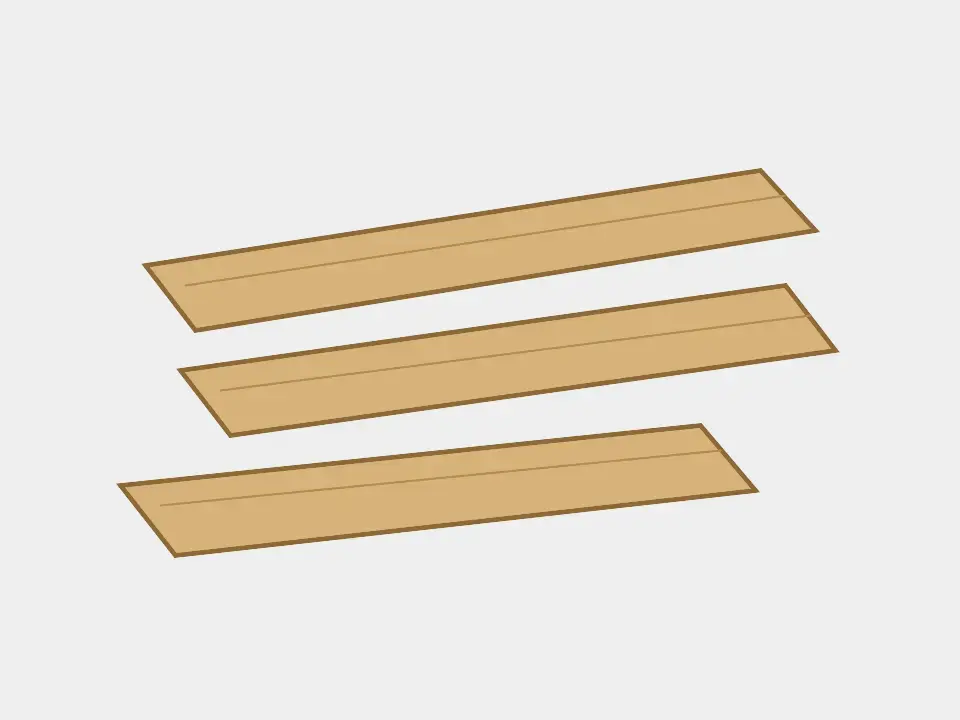
Use it for: Creates holding points that clamp the tarp without relying on loose edges.
Shop wood furring stripsAs an Amazon Associate I earn from qualifying purchases. Repair Riot may earn a commission at no extra cost to you.
If it works: You have a clear leak area to cover and conditions are calm enough for a temporary tarp job.
If it doesn’t: If you cannot safely identify the leak area from inside and from the ground, use a larger coverage area or call a roofer for emergency service.
If it works: Your ladder is stable, your tools are ready, and the tarp is sized and oriented before you go up.
If it doesn’t: If the tarp is too small, stop and get a larger one rather than trying to patch together a short cover over the leak.
If it works: The damaged area is fully covered and the tarp lies flat in the direction water naturally flows.
If it doesn’t: If the tarp will not lie flat because of roof shape or obstacles, reposition it or use a larger tarp that gives you more overlap.
If it works: The top and sides are clamped down tightly and the tarp is not loose enough to catch wind.
If it doesn’t: If the tarp still billows or lifts, add more holding strips and tighten the layout before leaving it in place.
If it works: The tarp is fully secured and water has a clear path to run off the roof.
If it doesn’t: If you see sagging or trapped water areas, re-tension the tarp and adjust the lower edge so runoff stays smooth.
If it works: No new water is getting inside, and the tarp remains tight and in place after real weather.
If it doesn’t: If water is still getting in, the covered area may be too small, water may be entering higher up, or the tarp may not be sealed tightly enough. Re-cover a larger section if it can be done safely, or call a roofer.
Only as a temporary measure. A well-secured tarp may hold for a short period, but sun, wind, and rain wear it down quickly. Schedule permanent roof repair as soon as you can.
If possible, yes. Running the top edge over the peak helps keep water from getting under the tarp from above. If that is not practical, the top edge still needs to be high enough and secured tightly enough to shed water.
That usually does not hold well enough and can tear the tarp. Clamping the tarp with wood strips spreads the load better and helps keep wind from pulling it loose.
Use one large enough to extend well beyond the visible damage on all sides. Covering only the exact leak spot often fails because water can travel under shingles before it shows up inside.
Sometimes, but only if the roof is low enough, conditions are calm, and you can work without stepping onto unsafe areas. If the roof is steep, slick, storm-damaged, or hard to access, it is safer to call a pro.