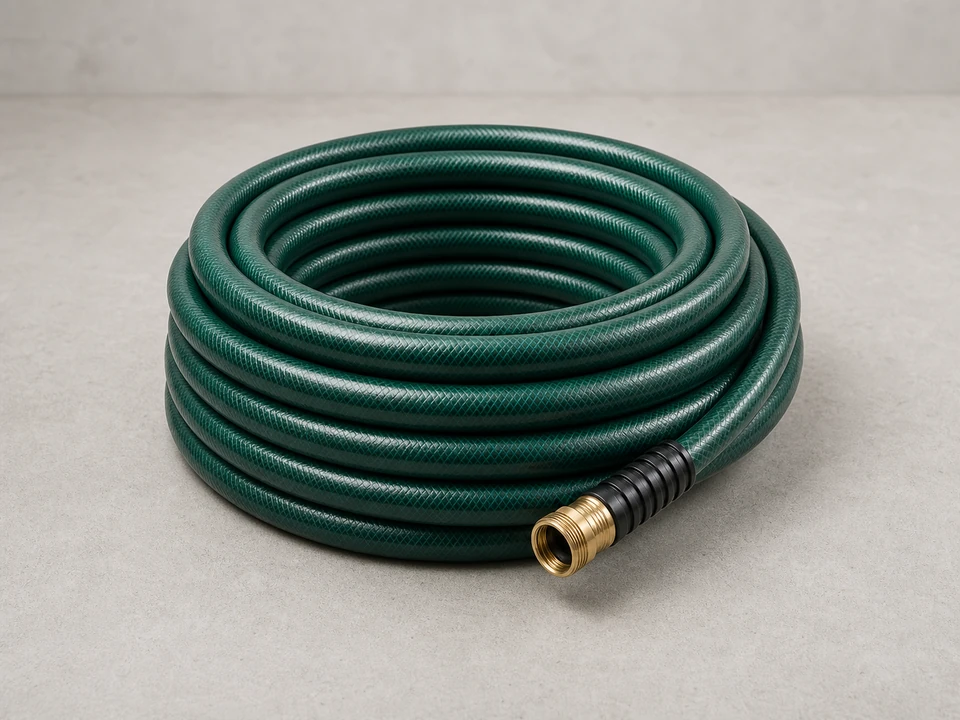
Garden hose
Use it for: Carries water from the drain valve to a floor drain, driveway, or other safe discharge point.
Find a water heater drain hoseTo flush a water heater, turn off the heat source, let the water cool enough to handle safely, connect a hose to the drain valve, drain the tank, briefly rinse out remaining sediment, then refill the tank completely before restoring power or relighting the burner.
Flushing helps remove sediment that settles at the bottom of the tank. That buildup can reduce heating performance, cause rumbling noises, and shorten tank life. This is a manageable homeowner task if the drain valve works, the tank is not leaking, and you can send the water to a safe drain area.
Before you start: Make sure your hose can handle hot water and reaches a safe drain point before you start. Stop if the repair becomes unsafe or unclear.
Use it for: Carries water from the drain valve to a floor drain, driveway, or other safe discharge point.
Find a water heater drain hose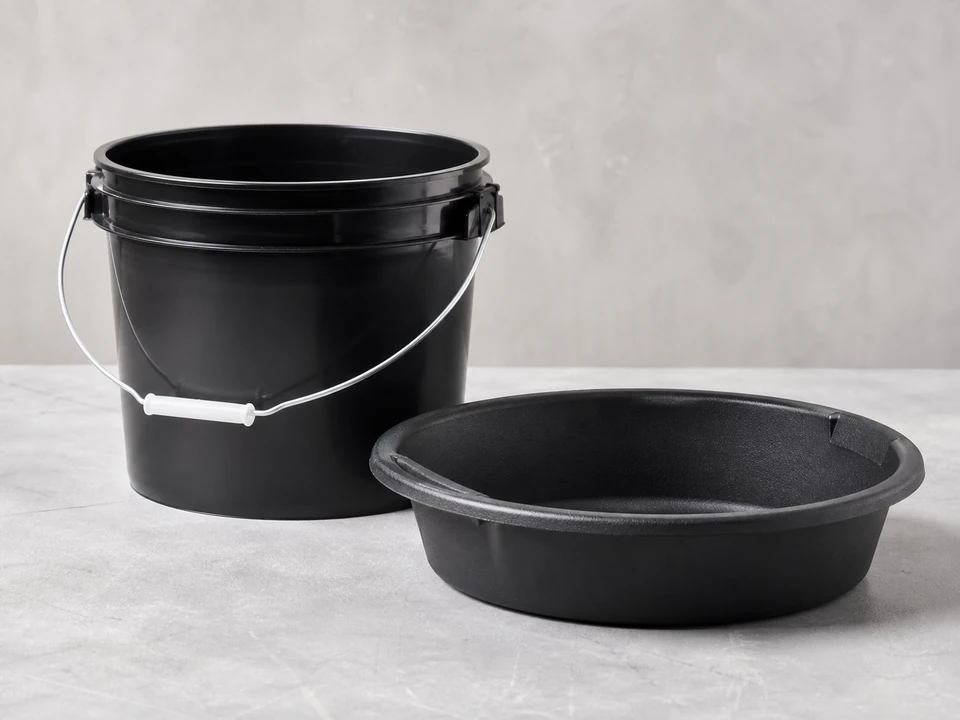
Use it for: Catches a small test drain and helps you check for heavy sediment before you commit to a full flush.
Shop utility buckets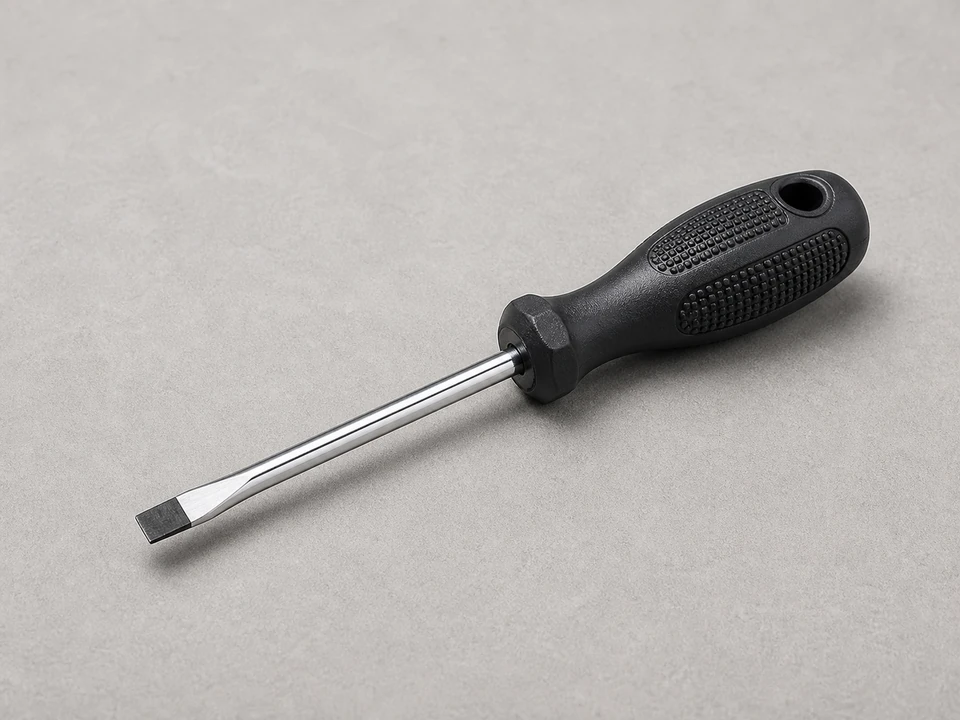
Use it for: Opens some drain valves that use a slotted stem.
Get a flathead screwdriver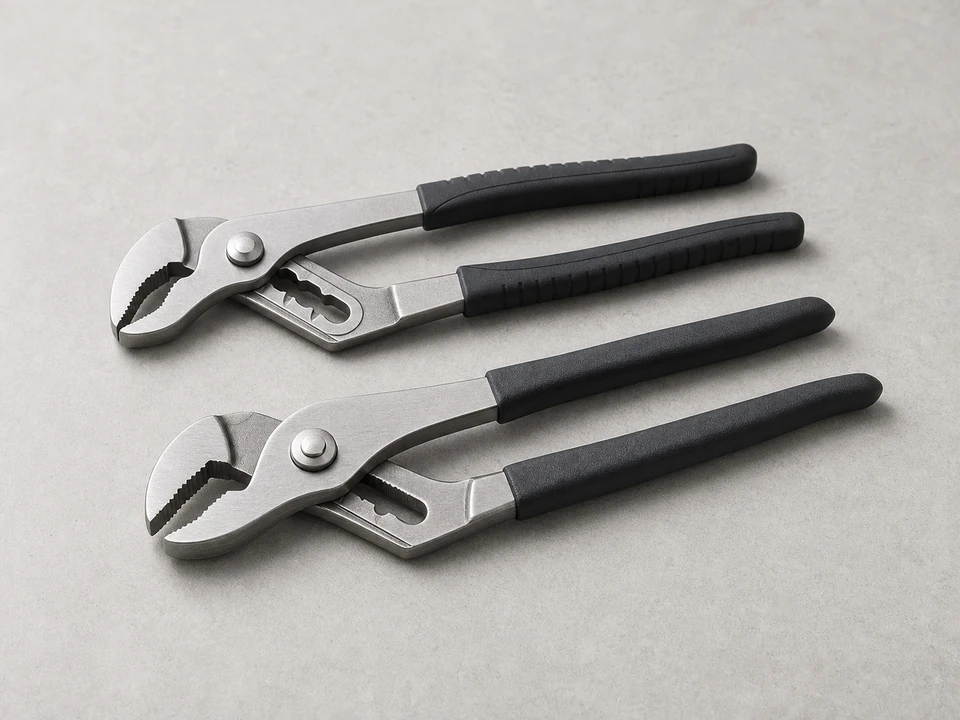
Use it for: Helps loosen a stubborn hose connection or operate some drain valves carefully.
Find tongue and groove pliers
Use it for: Protects your hands from hot fittings and dirty sediment water.
Shop work gloves
Use it for: Cleans up drips around the drain valve and nearby floor.
Get shop towels or ragsAs an Amazon Associate I earn from qualifying purchases. Repair Riot may earn a commission at no extra cost to you.
If it works: You have a heater that likely needs sediment removal, no obvious tank leak, and a safe drain plan.
If it doesn’t: If your main problem is water leaking from the tank body, no hot water at all, or a drain valve that is already broken, flushing is probably not the first repair path.
If it works: The heater is no longer actively heating, incoming water is shut off, and pressure is relieved.
If it doesn’t: If the water still seems under pressure or extremely hot, give the tank more time to cool and confirm the cold supply valve is fully closed.
If it works: Water flows steadily from the hose and the tank begins draining.
If it doesn’t: If little or no water comes out, the drain valve may be clogged with sediment. Close the valve, disconnect the hose carefully, and clear the opening only if you can do it safely without damaging the valve.
If it works: The drain water changes from cloudy or gritty to mostly clear, showing the tank has been rinsed.
If it doesn’t: If the water never improves or the drain keeps clogging, the sediment may be severe enough that the valve or tank needs service beyond a basic flush.
If it works: The tank is full, air is purged from the lines, and the heater is back in normal operating mode.
If it doesn’t: If the faucet keeps sputtering or flow stays weak, give the tank more time to fill and confirm the cold supply valve is fully open.
If it works: The heater reheats normally, the drain valve stays dry, and hot water performance is back to normal or improved.
If it doesn’t: If the heater still makes heavy noise, heats poorly, or leaks after flushing, the problem may be a failing heating element, burner issue, bad valve, or tank wear rather than simple sediment buildup.
Once a year is a common starting point. If your water has a lot of mineral sediment, you may need to do it more often.
Sometimes, but only if you can clear it without damaging the valve. If the valve is brittle, leaking, or badly blocked, it is safer to stop and address the valve first.
Yes. Turn off the heat source first, then close the cold water supply before draining. That prevents the heater from running while the tank is empty or partially empty.
Some sediment may still be stuck in the tank, or the noise may come from another issue such as overheating, scale on heating surfaces, or age-related tank wear.
Not quite. Draining removes water from the tank. Flushing adds short refill bursts to stir up and wash out sediment so more debris leaves the tank.