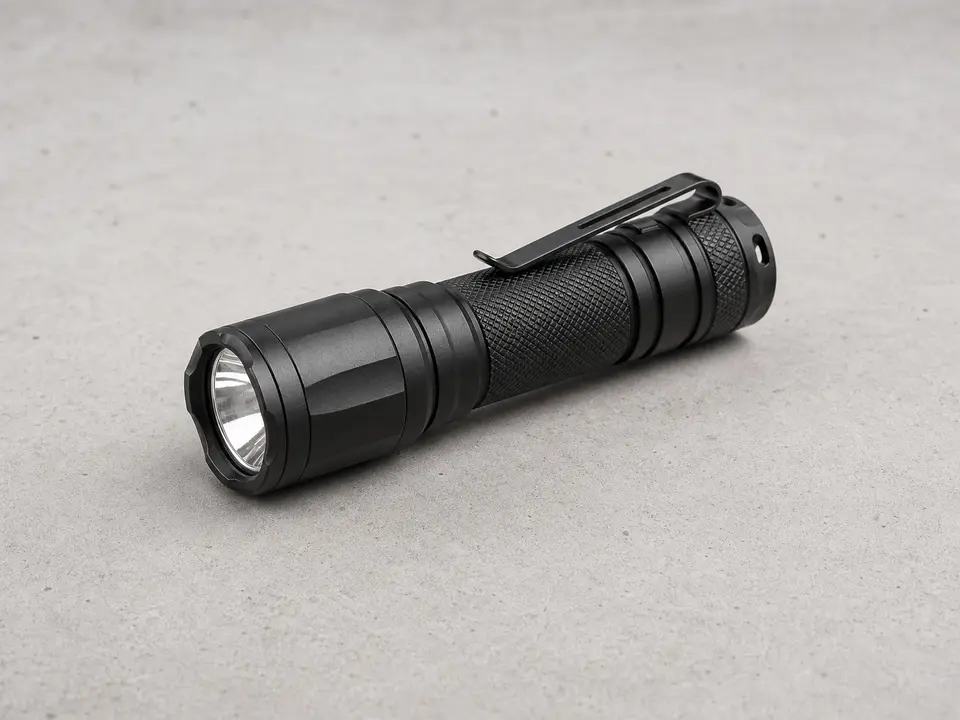
Flashlight
Use it for: To look into the disposal and spot bones, utensils, glass, or packed debris.
Find a small work flashlightTo free a jammed garbage disposal, shut off power first, remove any visible obstruction with tongs or pliers, turn the motor manually from the bottom socket if your unit has one, then press the reset button and test it with cold running water.
A disposal that hums, stalls, or trips its reset button is often jammed by a hard object or packed food waste. The fix is usually straightforward if you work with the power off and keep your hands out of the grinding chamber.
Before you start: Most disposals use a small hex wrench in the bottom center socket, but not all do. Check your disposal for a bottom turning socket or use the wrench style that matches your unit. Stop if the repair becomes unsafe or unclear.
Use it for: To look into the disposal and spot bones, utensils, glass, or packed debris.
Find a small work flashlight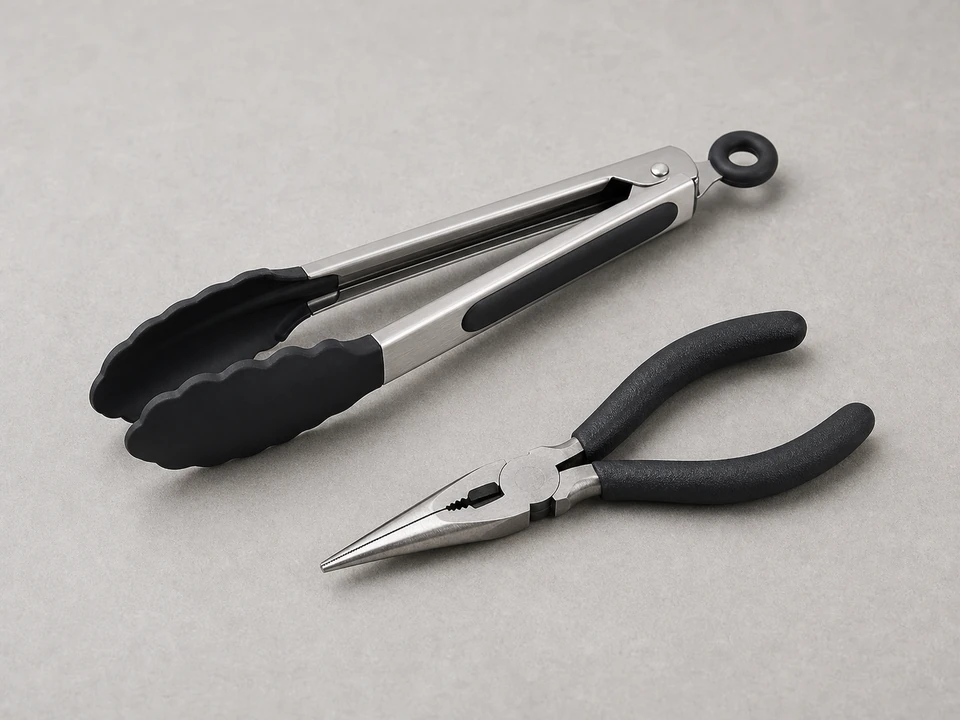
Use it for: To pull out the obstruction without putting your hand inside the disposal.
Shop needle-nose pliers or long tongs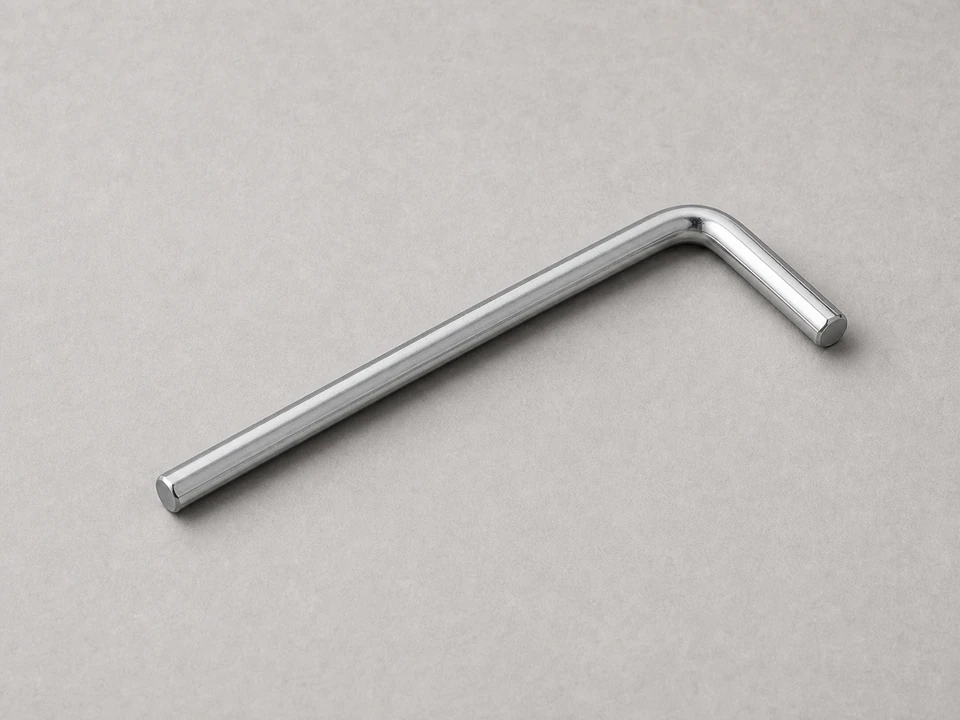
Use it for: To turn the motor from the bottom and break the jam loose on units with a manual turning socket.
Find a garbage disposal wrench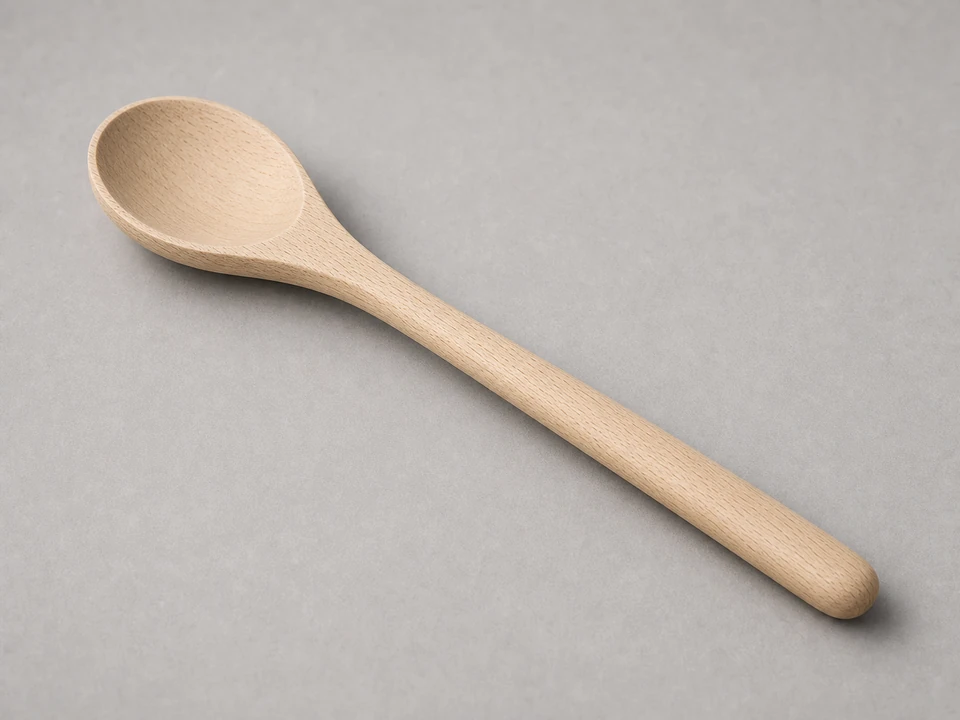
Use it for: To nudge debris or turn the impeller area from above if needed, without using your hand.
Shop wooden spoon set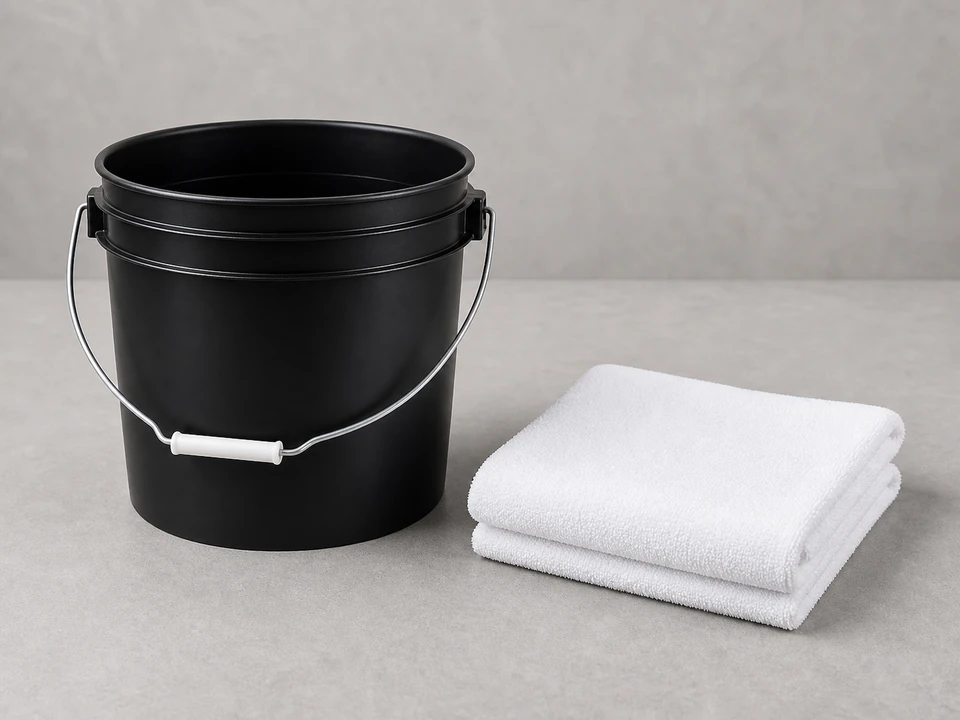
Use it for: To catch drips and keep the cabinet floor dry while you work under the sink.
Find absorbent shop towelsAs an Amazon Associate I earn from qualifying purchases. Repair Riot may earn a commission at no extra cost to you.
If it works: The symptoms point to a jammed or stalled disposal rather than a normal running unit.
If it doesn’t: If the disposal runs normally and drains, you likely do not need this repair. If it is completely dead with no sound at all, check power, the wall switch, and the reset button before assuming it is jammed.
If it works: The disposal is fully de-energized and you can inspect it safely.
If it doesn’t: If you cannot confirm the power is off, stop and identify the correct plug or breaker before continuing.
If it works: The visible obstruction is out and the grinding chamber is mostly clear.
If it doesn’t: If you cannot reach the obstruction from above, continue to the manual turning step to free the motor and expose the jam better.
If it works: The disposal turns freely by hand and no longer feels locked in one spot.
If it doesn’t: If the motor will not budge after repeated attempts, the jam may be severe or the disposal may have internal damage.
If it works: The disposal starts cleanly, sounds normal, and drains without stalling or humming.
If it doesn’t: If it only hums again, shut it off immediately, cut power, and repeat the clearing and manual turning steps once more.
If it works: The disposal handles a normal small load, drains well, and stays running without tripping or jamming again.
If it doesn’t: If it jams again with light use, the original obstruction may not be fully cleared or the disposal may be worn internally and need further diagnosis or replacement.
Common causes are bones, fruit pits, fibrous peels, utensils, bottle caps, and packed food waste that stops the grinding plate from turning freely.
It is still better not to. Use tongs or needle-nose pliers instead. That keeps you away from sharp debris and any unexpected movement.
A humming disposal usually has power but the motor cannot turn because something is wedged inside or the grinding plate is stuck.
Many disposals can be turned from the bottom with a small hex wrench, but not all models use the same setup. Check for a turning socket on the bottom of the unit.
That usually means the motor is still overloaded, jammed, overheating, or failing internally. If clearing the jam does not fix it, the disposal needs more diagnosis or replacement.