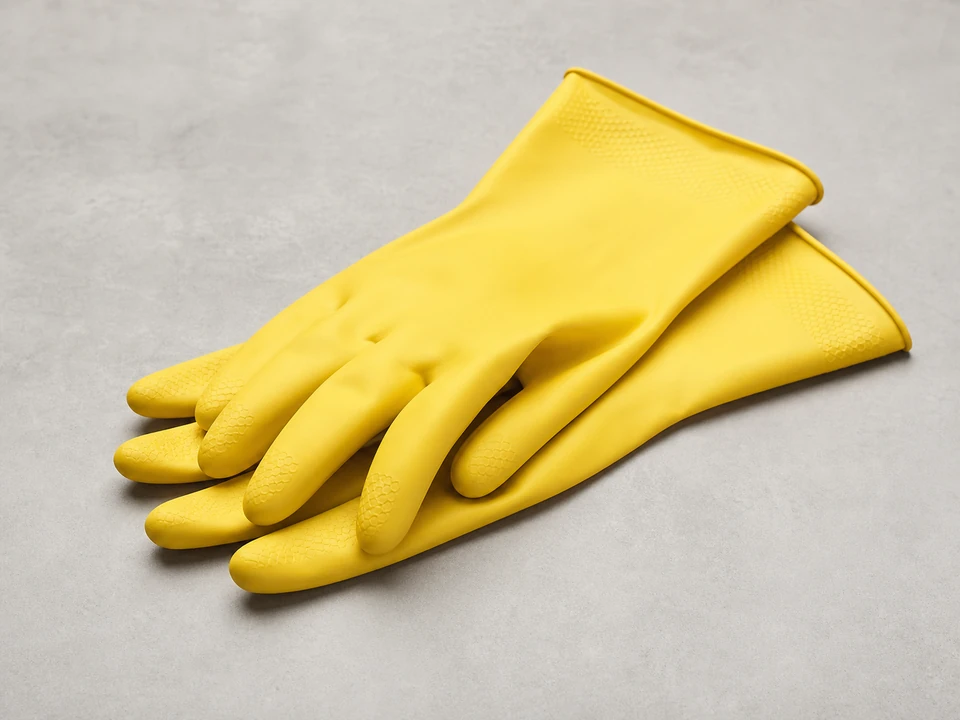
Rubber gloves
Use it for: Keeps the cleanup sanitary and gives you a better grip on a slippery stopper.
Get rubber cleaning glovesTo remove and clean a bathtub stopper, first confirm the stopper is the source of slow draining or sticking, then unscrew or lift out the stopper, clear off hair and soap buildup, clean the drain opening, and reinstall the stopper so it opens and closes smoothly.
A bathtub stopper often collects hair, soap scum, and slime right where water needs to pass. Cleaning it is usually a simple maintenance job that can improve draining and stop a sticky or uneven stopper from hanging up.
Before you start: Match the drain size, stopper style, and linkage compatibility before ordering. Stop if the repair becomes unsafe or unclear.
Use it for: Keeps the cleanup sanitary and gives you a better grip on a slippery stopper.
Get rubber cleaning gloves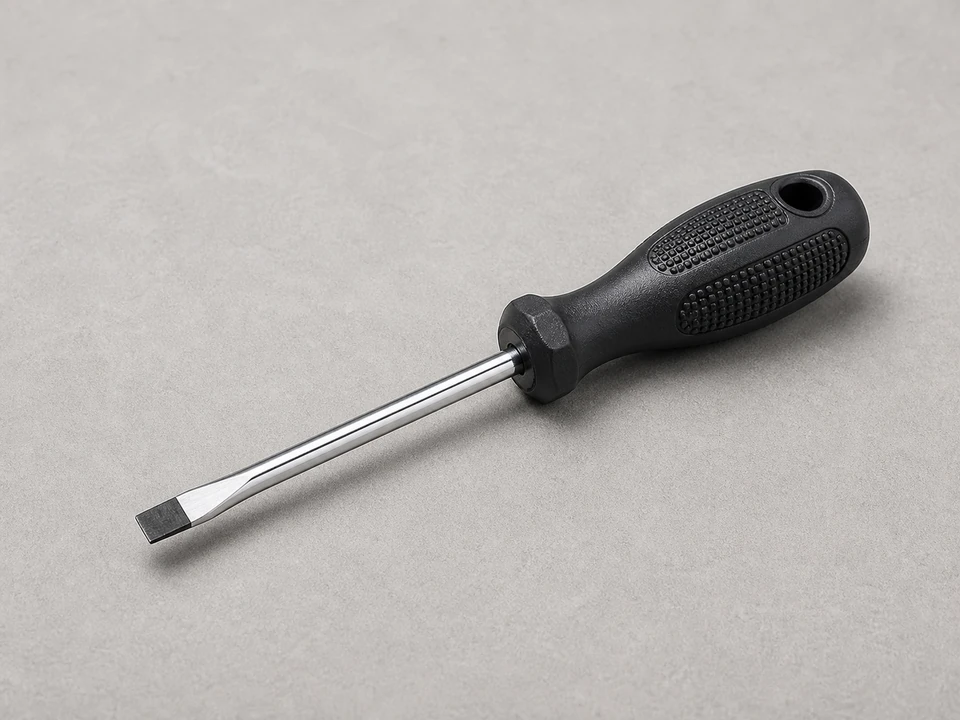
Use it for: Helps loosen some stopper caps, set screws, or overflow cover screws if your tub uses a linkage style.
Get a flathead screwdriver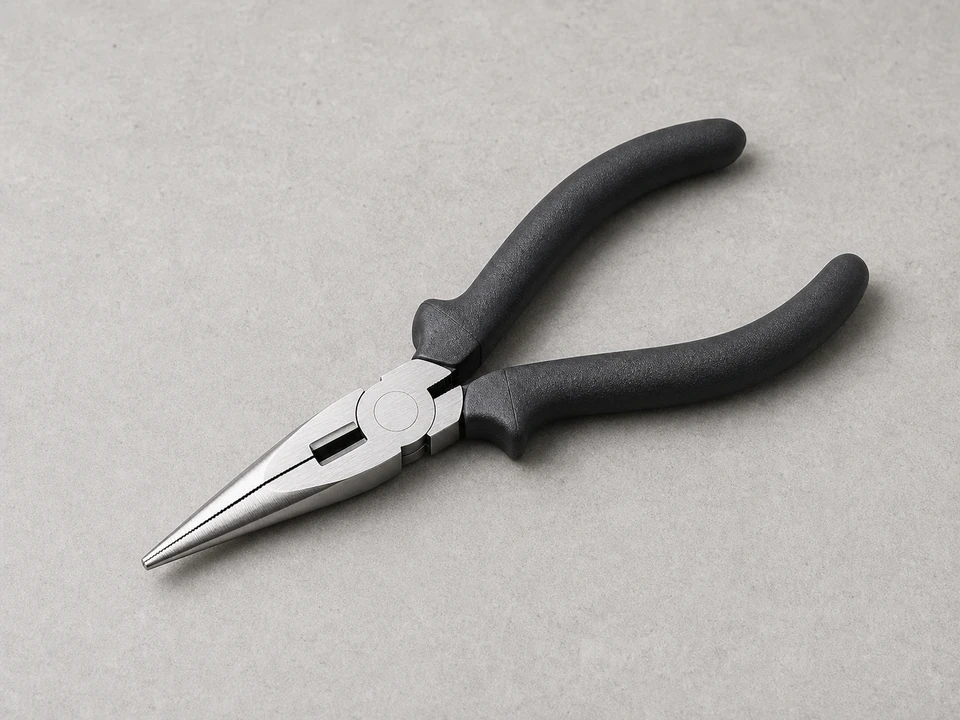
Use it for: Useful for pulling hair clogs off the stopper or lifting small linkage parts carefully.
Get needle-nose pliers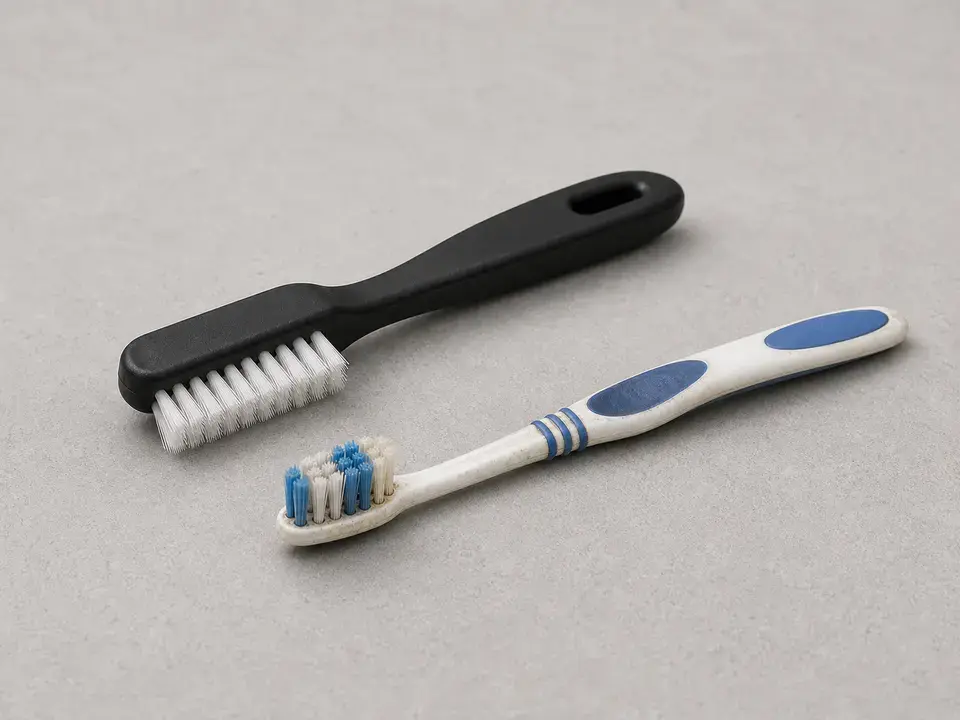
Use it for: Scrubs soap scum and grime off the stopper and around the drain opening.
Get a small scrub brush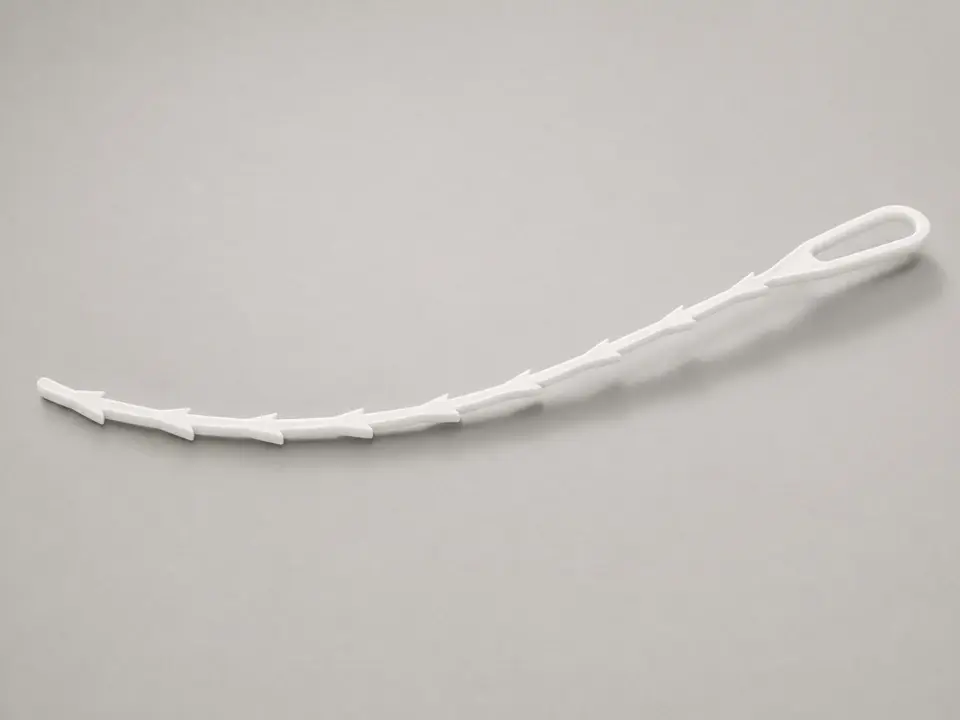
Use it for: Reaches just below the drain opening to pull out hair wrapped around the stopper area.
Get a drain hair removal tool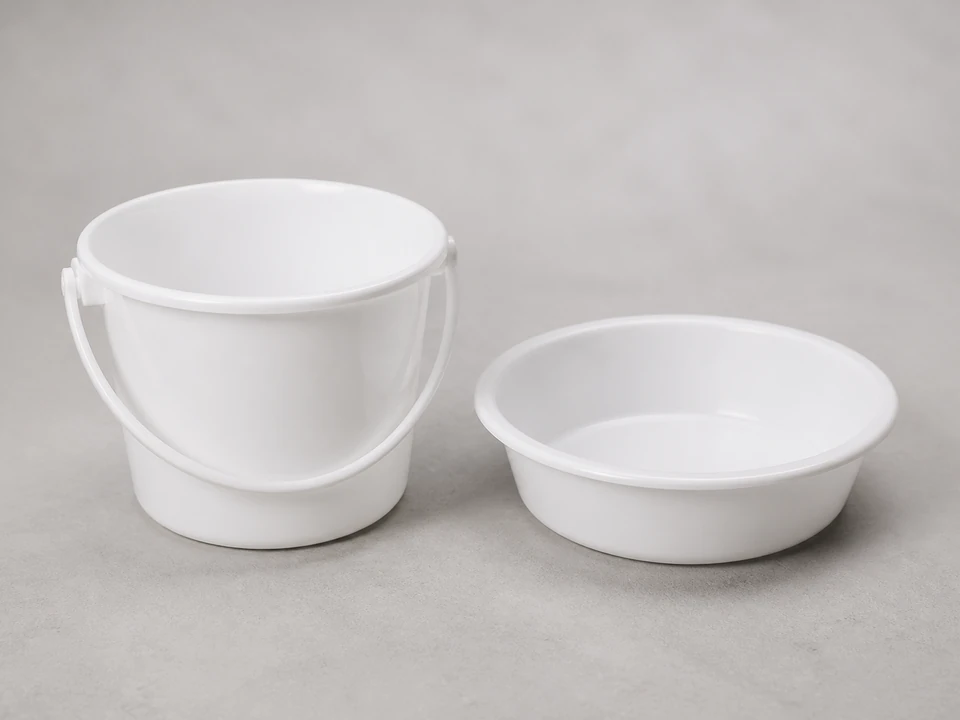
Use it for: Holds dirty parts and rinse water so you do not lose screws or linkage pieces.
Get a small cleaning bucketAs an Amazon Associate I earn from qualifying purchases. Repair Riot may earn a commission at no extra cost to you.
If it works: You have confirmed the stopper area is dirty, sticking, or restricting flow and cleaning it is a reasonable next step.
If it doesn’t: If the tub still drains poorly with the stopper fully removed or clearly open, the clog is likely deeper in the drain and this cleaning may not solve the problem by itself.
If it works: The stopper or stopper assembly is out of the drain and accessible for cleaning.
If it doesn’t: If the stopper will not release, look again for a hidden screw under the cap or at the side of the stopper body, then try gentle pressure instead of forcing it.
If it works: The stopper is free of hair and heavy residue, and the moving parts are visibly cleaner.
If it doesn’t: If residue is still thick and sticky, keep scrubbing until the stopper surface and moving points feel smooth rather than gummy.
If it works: The drain opening is clearer, and the area where the stopper sits is free of most hair and soap buildup.
If it doesn’t: If you keep pulling out long hair clumps and the drain still looks packed below reach, the tub may need a separate drain-clearing repair.
If it works: The stopper is back in place, feels secure, and moves more smoothly than before.
If it doesn’t: If the stopper binds, sits too high, or will not stay in position, remove it again and check for leftover debris, crossed threads, or a misaligned linkage.
If it works: The tub drains better, the stopper works smoothly, and the repair held during normal use.
If it doesn’t: If the tub is still slow after the stopper area is clean, the clog is likely farther down the drain and the next step is clearing the drain line rather than cleaning the stopper again.
No. Some twist off by hand, some have a small screw under the cap, and some connect to a linkage behind the overflow plate. If it does not release easily, look for a hidden fastener before forcing it.
It often helps when hair and soap buildup are trapped right at the stopper. If the tub is still slow with the stopper removed or cleaned, the clog is probably deeper in the drain line.
You can wipe the top and pull some hair from around it, but a full cleaning usually works better with the stopper removed so you can clean the underside and the drain opening.
That usually points to a worn, bent, or misadjusted stopper or linkage rather than simple buildup. Rechecking the assembly position may help, but damaged parts may need replacement.
Usually no. If you are doing hands-on cleaning, chemical cleaners add unnecessary risk and may not solve a deeper clog well. A manual drain-clearing method is safer for this kind of follow-up work.