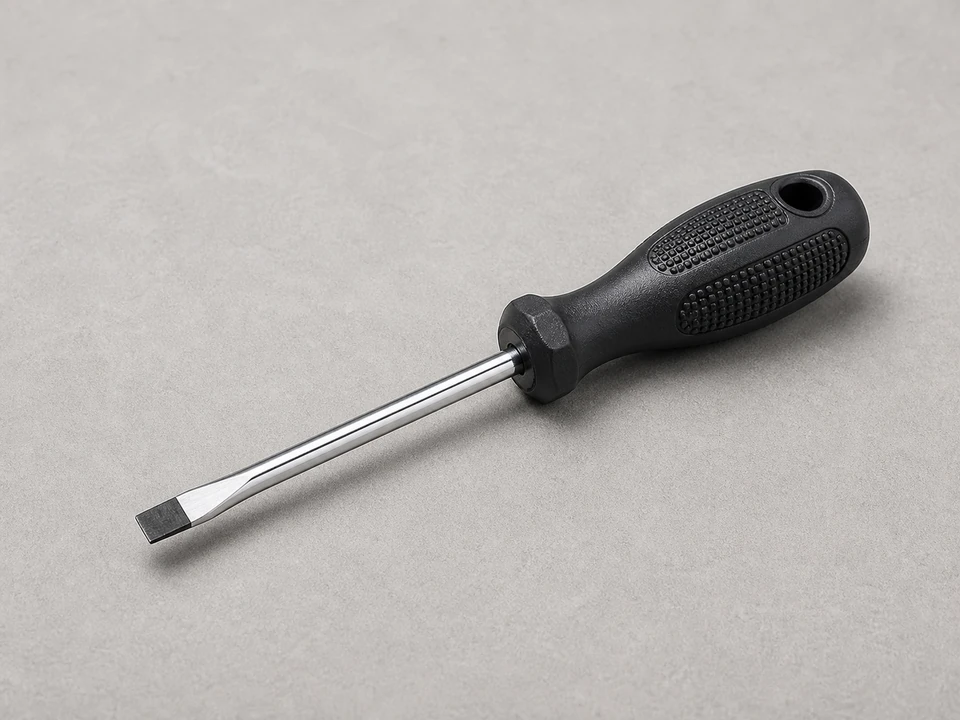
Flathead screwdriver
Use it for: Helps loosen set screws, pry off caps gently, or turn some stopper parts during removal.
Shop flathead screwdriverTo replace a bathtub stopper, remove the old stopper carefully, identify the mounting style, clean the drain opening, and install a matching replacement that threads in or snaps into place securely.
Most bathtub stoppers can be replaced without opening the plumbing. The key is using the right stopper style and not forcing parts that do not match the drain mount.
Before you start: Match the replacement to your exact bathtub model before ordering.
Use it for: Helps loosen set screws, pry off caps gently, or turn some stopper parts during removal.
Shop flathead screwdriver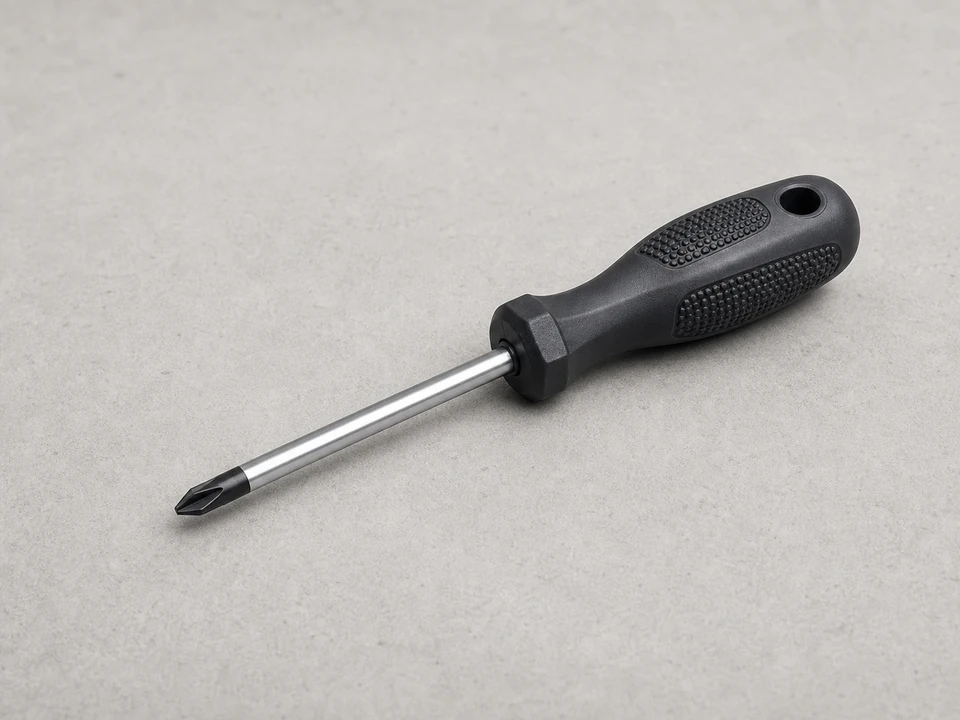
Use it for: Useful if the stopper or overflow plate uses Phillips screws.
Shop Phillips screwdriver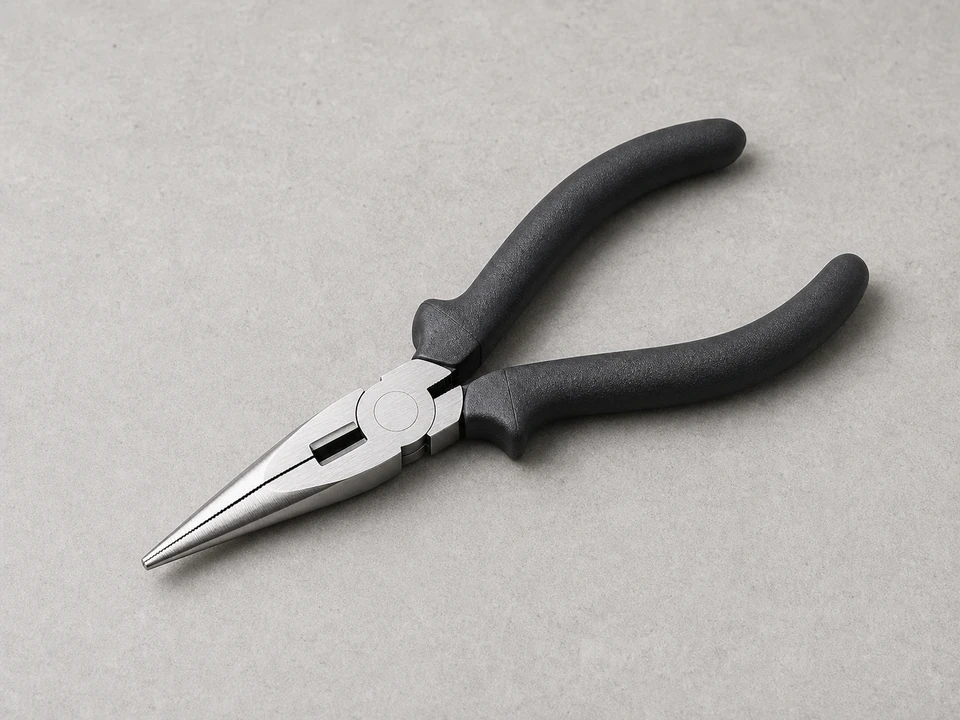
Use it for: Helps grip small posts, linkage pieces, or stuck stopper parts without reaching into the drain by hand.
Shop needle-nose pliers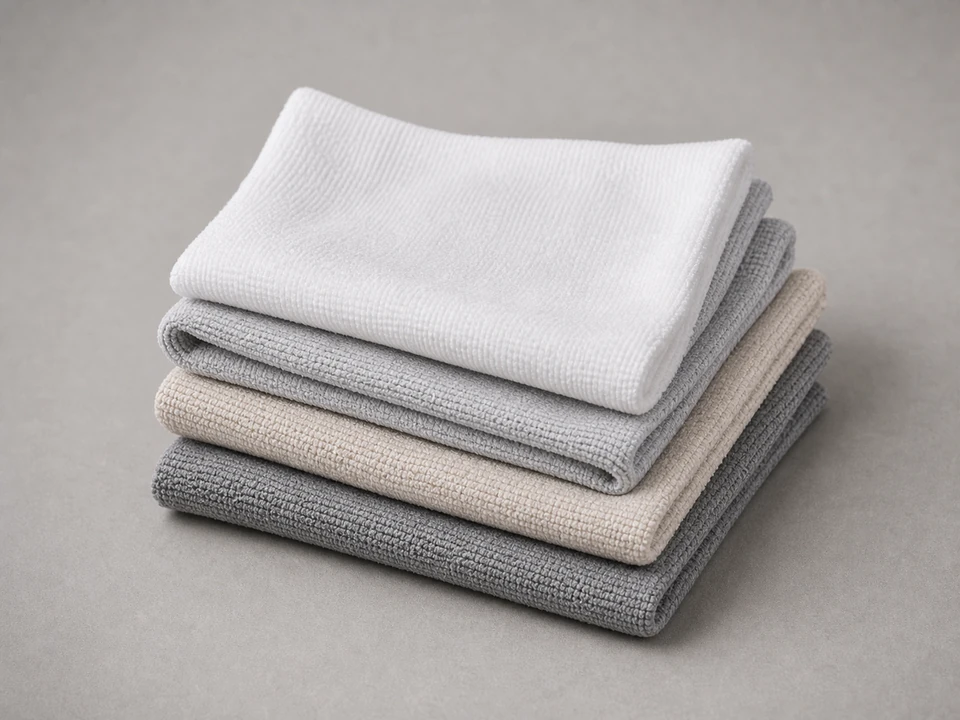
Use it for: Used to wipe soap scum, hair, and residue from the drain opening before installing the new stopper.
Shop cleaning rags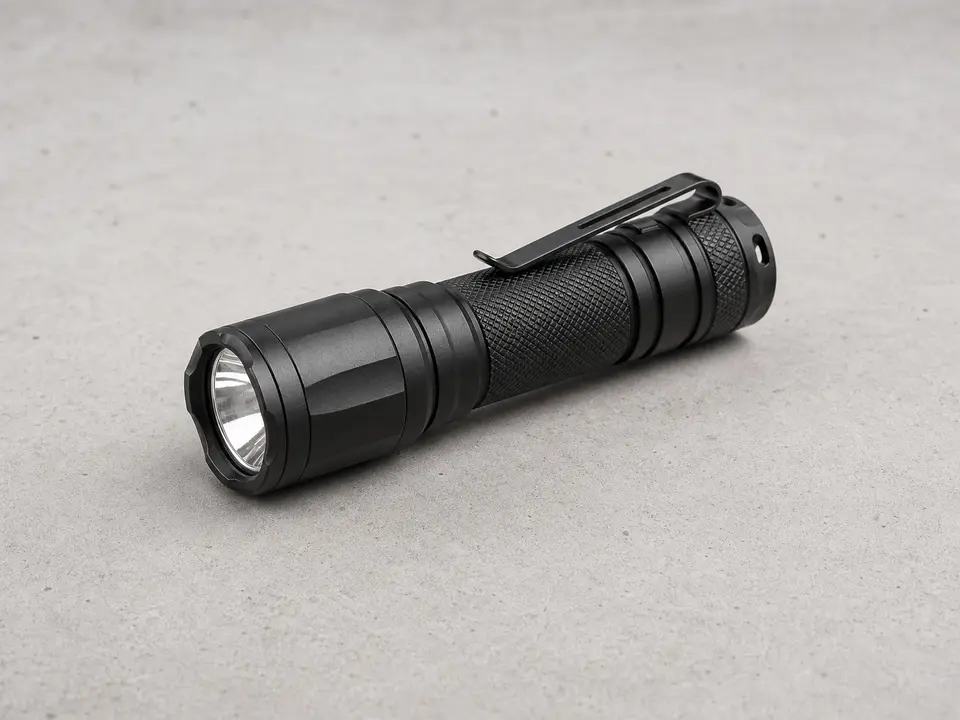
Use it for: Makes it easier to see threads, set screws, and the drain mount inside the tub drain.
Shop flashlightAs an Amazon Associate I earn from qualifying purchases. Repair Riot may earn a commission at no extra cost to you.
If it works: You know how the old stopper is attached and the new stopper appears to match the same mounting style.
If it doesn’t: Pause and bring the old stopper or clear photos when shopping for a replacement. A mismatched stopper usually will not seal or attach correctly.
If it works: The old stopper is removed without damaging the drain opening or losing small hardware.
If it doesn’t: Apply steady pressure instead of forcing it. If mineral buildup is holding it, wiggle gently and try again. If it still will not release, the stopper may connect to a different internal assembly.
If it works: The drain opening is clean and the mounting area is ready for the new stopper.
If it doesn’t: Clean again until the stopper seat is free of buildup. A dirty seat can keep even a new stopper from sealing well.
If it works: The new stopper is attached securely and moves smoothly between open and closed positions.
If it doesn’t: Remove it and check alignment again. If it binds, sits crooked, or will not attach by hand, the replacement may not be the correct fit.
If it works: The tub holds water when closed and drains well when open.
If it doesn’t: If water leaks past the stopper, recheck the fit, seating surface, and installation height. If drainage is still slow with the stopper open, the tub may also have a clog that needs separate cleaning.
If it works: The tub is back in service and the new stopper is working normally.
If it doesn’t: If the stopper repeatedly loosens, leaks, or sticks, replace it with a better-matched style or have the drain assembly checked.
Match the replacement to your exact bathtub model before ordering.
As an Amazon Associate I earn from qualifying purchases. Repair Riot may earn a commission at no extra cost to you.
Match the new stopper to the old one by attachment style, stem shape, and overall size. If possible, bring the old stopper with you or compare it to product photos and measurements before ordering.
Usually yes. Many bathtub stoppers unscrew, lift out, or loosen with a small set screw. If the drain body itself is damaged or loose, that is a different repair.
The most common causes are the wrong stopper style, a dirty sealing surface, incorrect installation height, or damage at the drain seat. Remove it, clean the area, and confirm the replacement matches the original mount.
Try gentle twisting, lifting, and loosening any visible set screw. Do not force it if the drain flange starts turning or the stopper seems connected to hidden linkage. That is a good point to stop and get help.
Usually no for the stopper itself. Most stopper replacements attach to the existing drain mount. Plumber's putty is more commonly used when removing and reinstalling the drain flange, which is a different job.