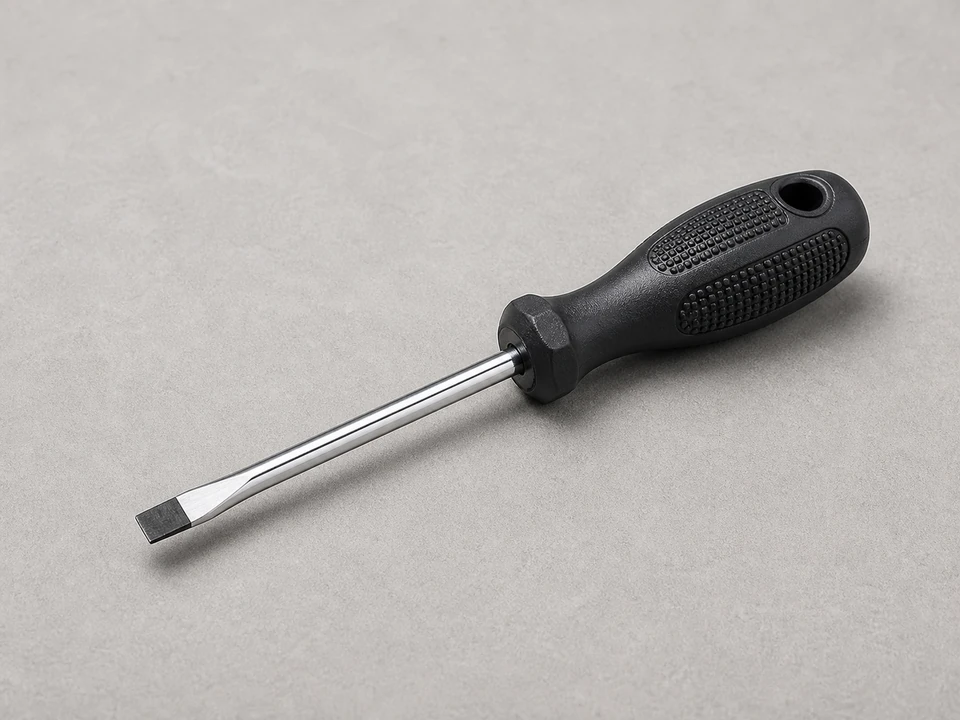
Flathead screwdriver
Use it for: Helps remove overflow plate screws, pry up trim gently, or turn some stopper parts.
Shop flathead screwdriversTo replace a bathtub stopper assembly, first confirm the stopper itself is the problem, then remove the old stopper and any linkage parts, install the matching replacement, and test that the tub both seals and drains fully.
This is a manageable repair for many homeowners if the drain body is still solid and the new stopper assembly matches what came out. Work slowly, protect the tub finish, and stop if the drain parts are badly corroded or won’t come apart without forcing them.
Before you start: Match the drain size, stopper style, and linkage compatibility before ordering.
Use it for: Helps remove overflow plate screws, pry up trim gently, or turn some stopper parts.
Shop flathead screwdrivers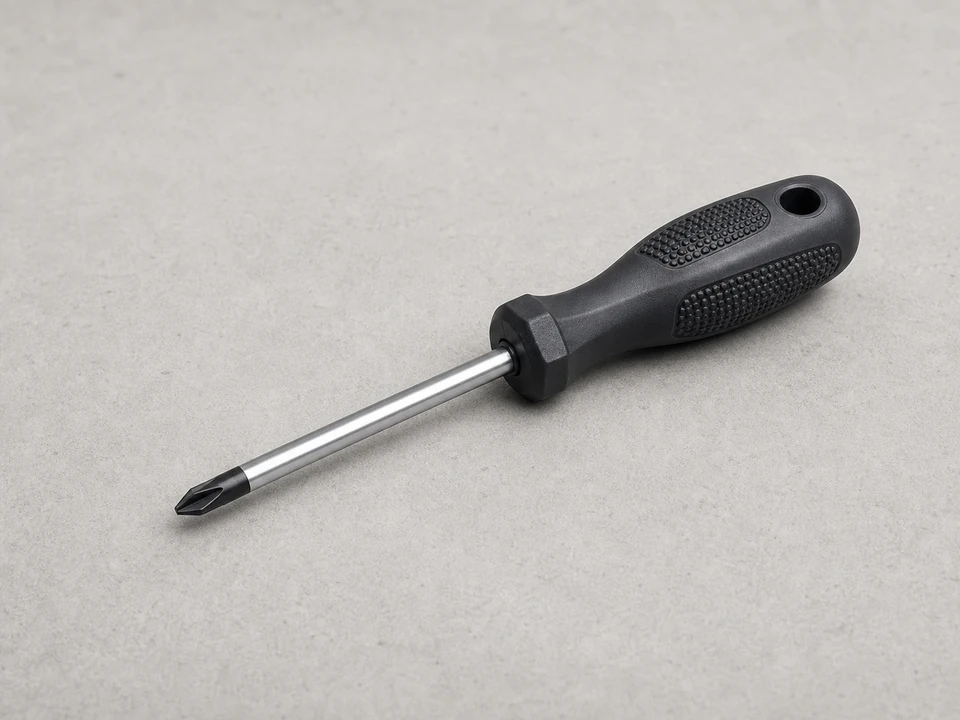
Use it for: Removes common overflow plate screws and trim screws.
Shop Phillips screwdrivers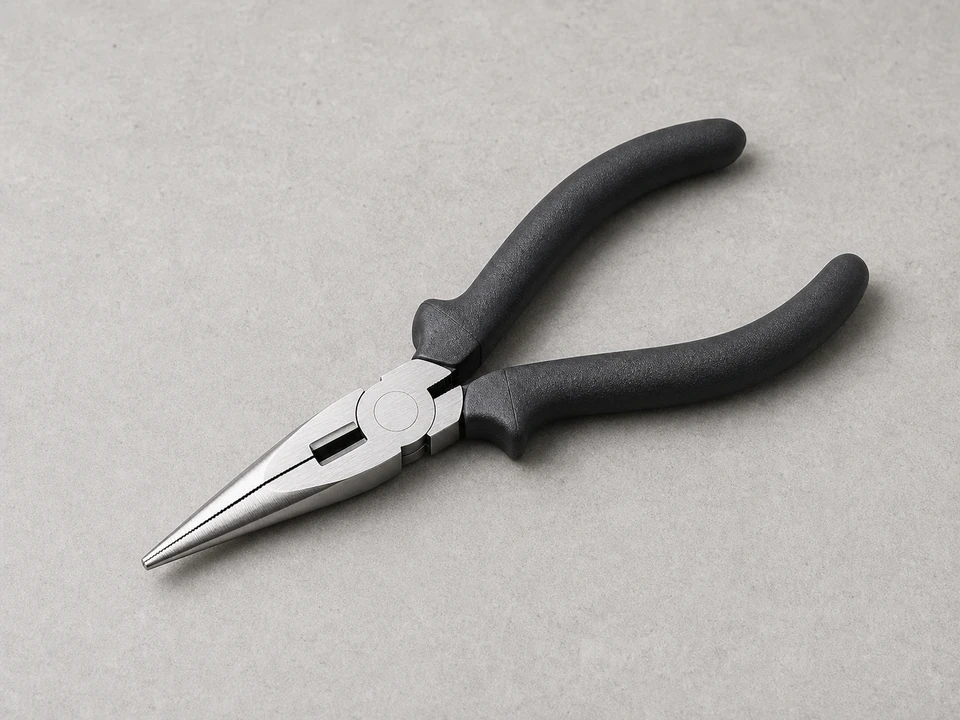
Use it for: Useful for pulling linkage pieces, gripping small parts, and lifting hair or debris from the drain.
Shop needle-nose pliers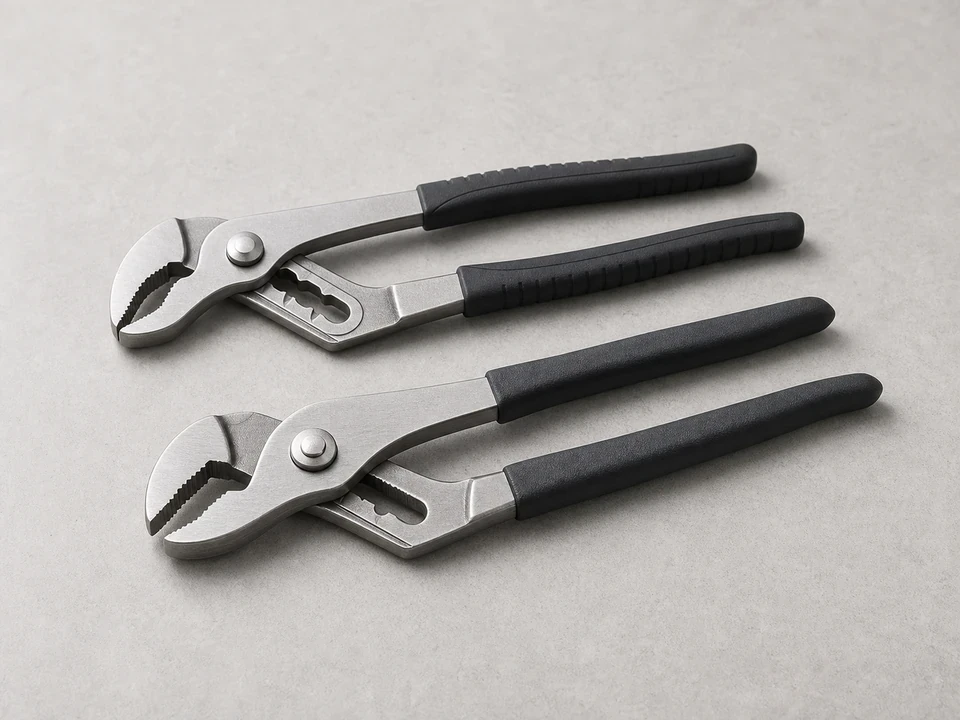
Use it for: Helps loosen stubborn stopper caps or threaded parts without needing a specialty tool.
Shop adjustable pliers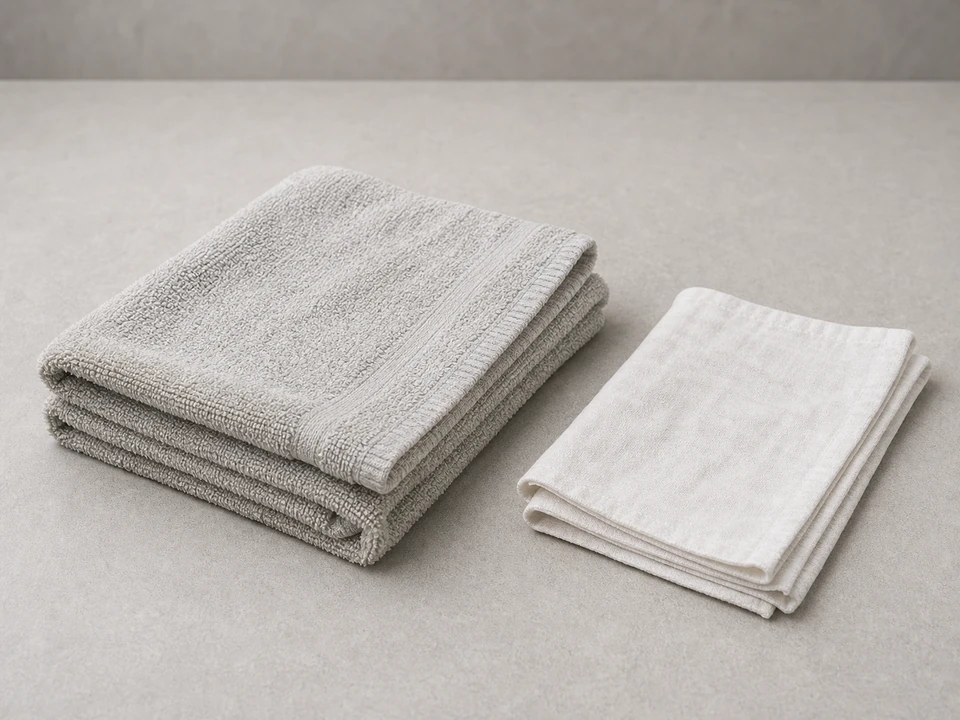
Use it for: Protects the tub finish and catches small screws or wet debris.
Shop cleaning rags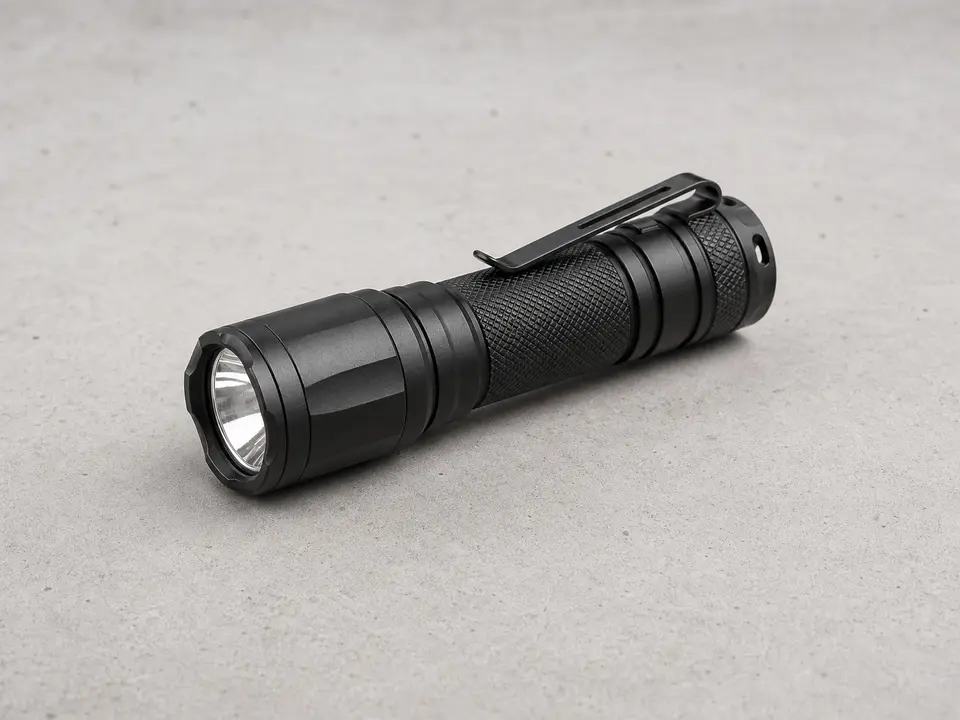
Use it for: Lets you see inside the overflow opening and drain clearly while matching parts.
Shop flashlightsAs an Amazon Associate I earn from qualifying purchases. Repair Riot may earn a commission at no extra cost to you.
If it works: You have confirmed the issue is with the bathtub stopper assembly, not just surface debris.
If it doesn’t: If the tub still drains slowly after cleaning and the stopper seems intact, clear the drain clog first before replacing parts.
If it works: The old stopper and any connected linkage parts are out where you can compare them.
If it doesn’t: If the stopper will not release, try turning it gently by hand or with pliers padded by a rag so you do not mar the finish.
If it works: The drain area is clean and the new assembly is matched and prepped for installation.
If it doesn’t: If the new parts do not match the old connection style or are clearly too short, too long, or the wrong diameter, exchange them for the correct assembly before installing.
If it works: The new bathtub stopper assembly is installed and moves through its full range.
If it doesn’t: If the stopper binds, remove it and recheck the assembly order, thread alignment, and linkage length before trying again.
If it works: The stopper closes firmly enough to hold bath water and opens far enough to let the tub drain normally.
If it doesn’t: If it almost works but not quite, make one small adjustment at a time and retest instead of changing several settings at once.
If it works: The tub holds water when closed, drains fully when opened, and shows no signs of leakage or loose parts.
If it doesn’t: If the tub still will not seal or drain correctly after adjustment, replace the assembly with the correct style or inspect the drain body and overflow linkage for deeper damage.
Match the drain size, stopper style, and linkage compatibility before ordering.
As an Amazon Associate I earn from qualifying purchases. Repair Riot may earn a commission at no extra cost to you.
If only the top stopper piece is damaged and the rest of the mechanism is in good shape, a partial replacement may work. If the linkage is worn, corroded, missing, or no longer adjusts properly, replacing the full bathtub stopper assembly is usually the better fix.
Look at how it operates. A toe-touch opens with a foot tap, a lift-and-turn twists, a push-pull pulls up and pushes down, and a trip-lever uses the lever on the overflow plate. Matching the operating style and connection type is the safest way to buy the right replacement.
The most common causes are the wrong stopper style, the wrong size, incorrect linkage adjustment, or a worn drain seat that the stopper cannot seal against. Clean the seat first, then recheck fit and adjustment.
Usually yes. Many stopper assemblies come out from the drain opening or through the overflow plate without removing the drain flange. If the drain flange itself is damaged, that becomes a larger repair.
Try gentle turning and lifting with padded pliers or remove the overflow plate if it is a linkage style. If the part is seized by corrosion and heavy force would damage the tub or drain body, stop and move up to a larger drain repair.