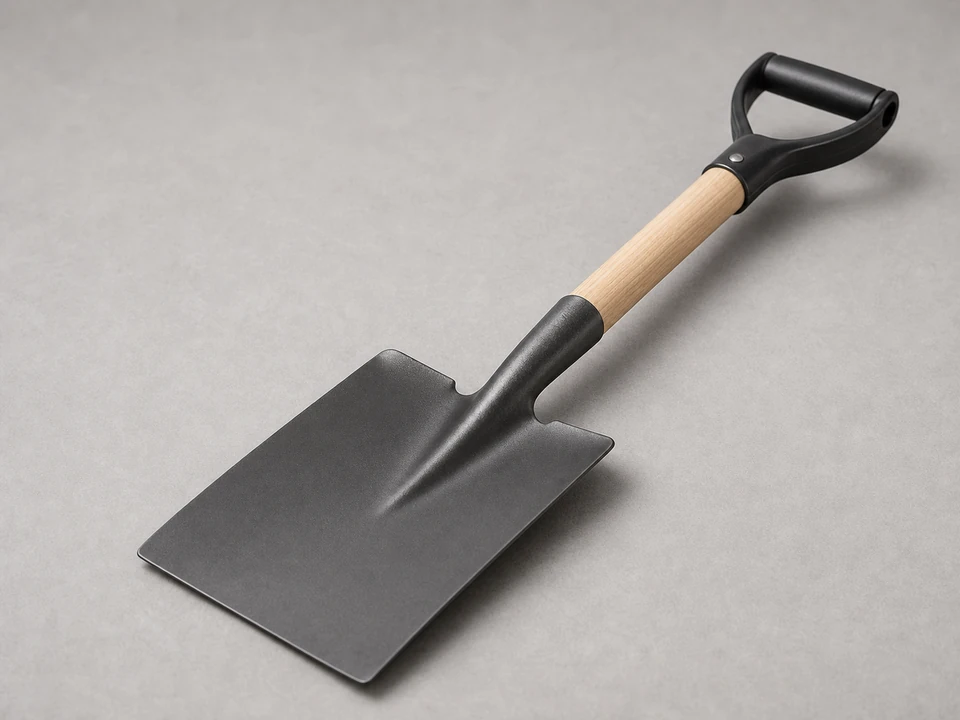
Flat shovel
Use it for: To scrape out mud, move gravel, and reshape the low area.
Find a flat shovelTo improve driveway drainage at a low spot, first confirm the puddle is caused by a shallow depression and not a blocked outlet or larger grading problem. Then clear any nearby drainage path, build the low area up with compacted base material, top it with gravel if appropriate, and test with a hose to make sure water now moves away instead of sitting.
A small low spot can usually be improved with basic hand tools and a little reshaping. The goal is not just to hide the puddle. It is to give water a path out, keep the surface supported, and make sure the repair holds up when a car drives over it.
Before you start: Choose washed drainage gravel, not fine sand or soil, and use landscape fabric only where it will separate stone from mud below. Stop if the repair becomes unsafe or unclear.
Use it for: To scrape out mud, move gravel, and reshape the low area.
Find a flat shovel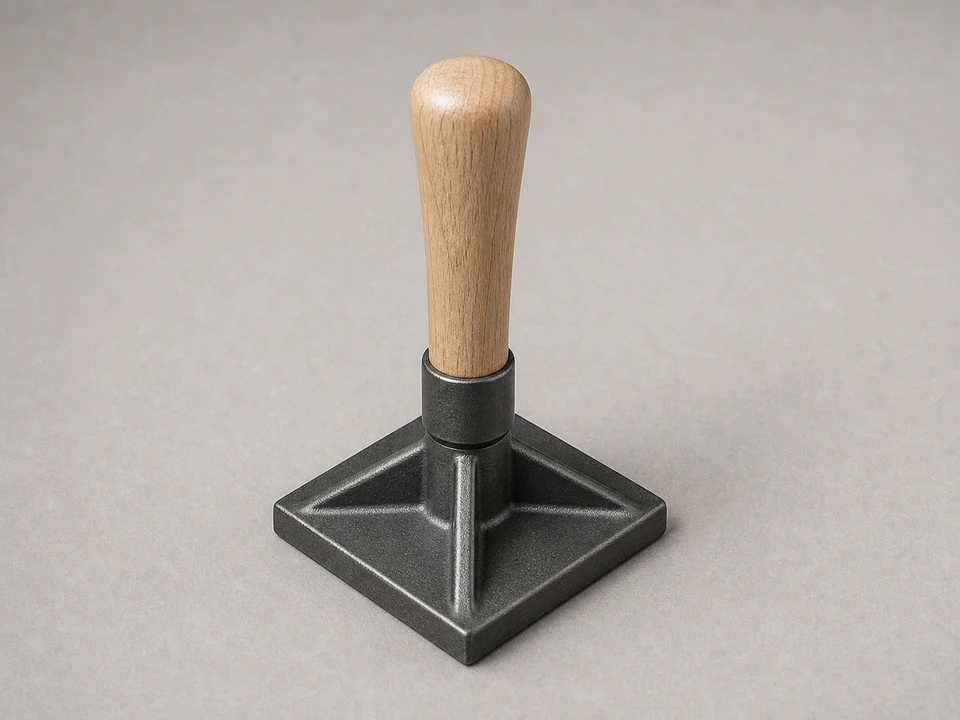
Use it for: To compact base material so the repair does not settle right away.
Shop hand tampers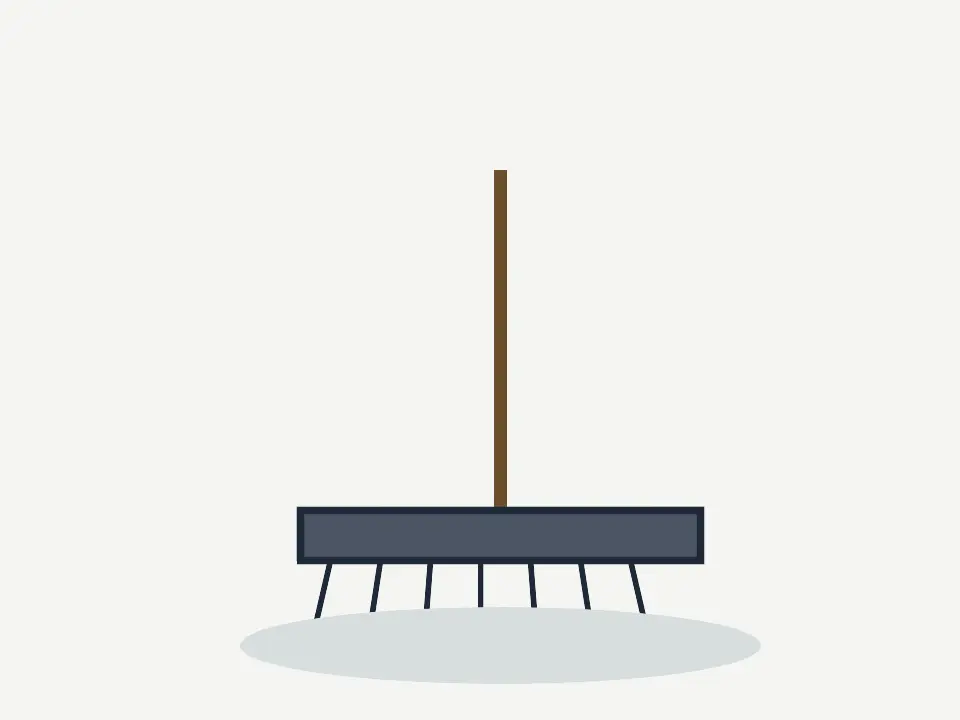
Use it for: To spread stone and smooth the surface to match the driveway.
Find a garden rake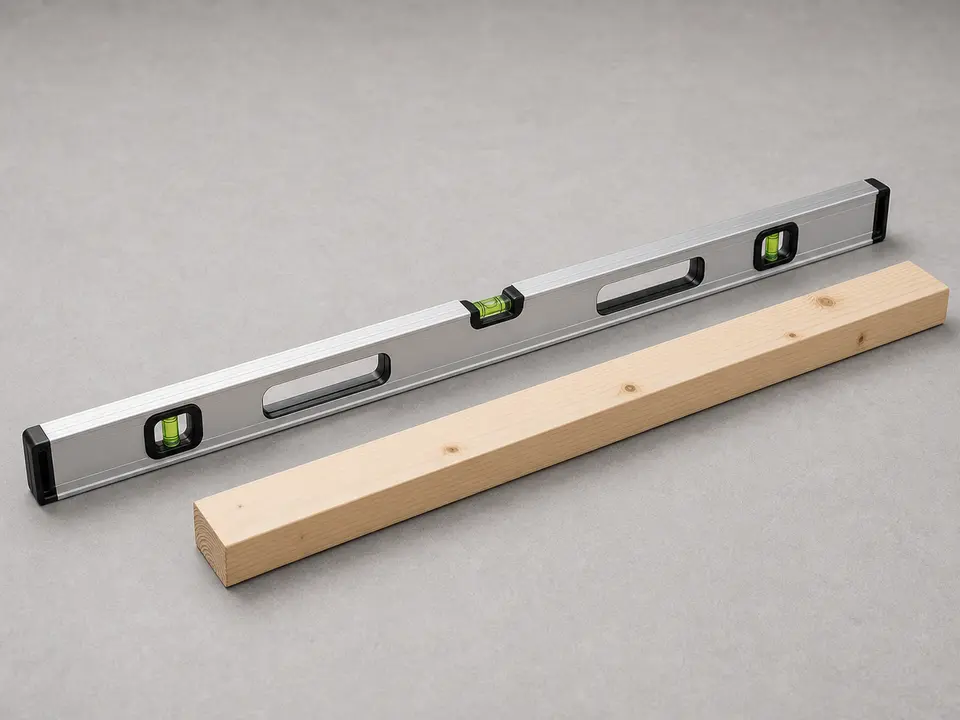
Use it for: To check slope and spot the low area clearly.
Shop levels and straight edges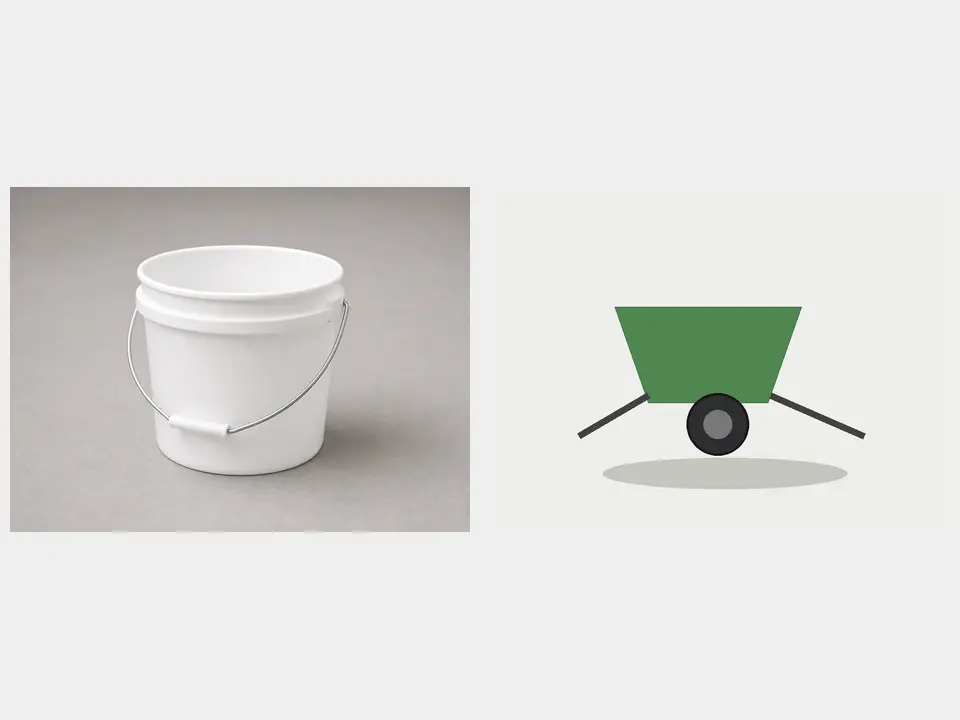
Use it for: To carry base material, gravel, and removed mud.
Find a wheelbarrow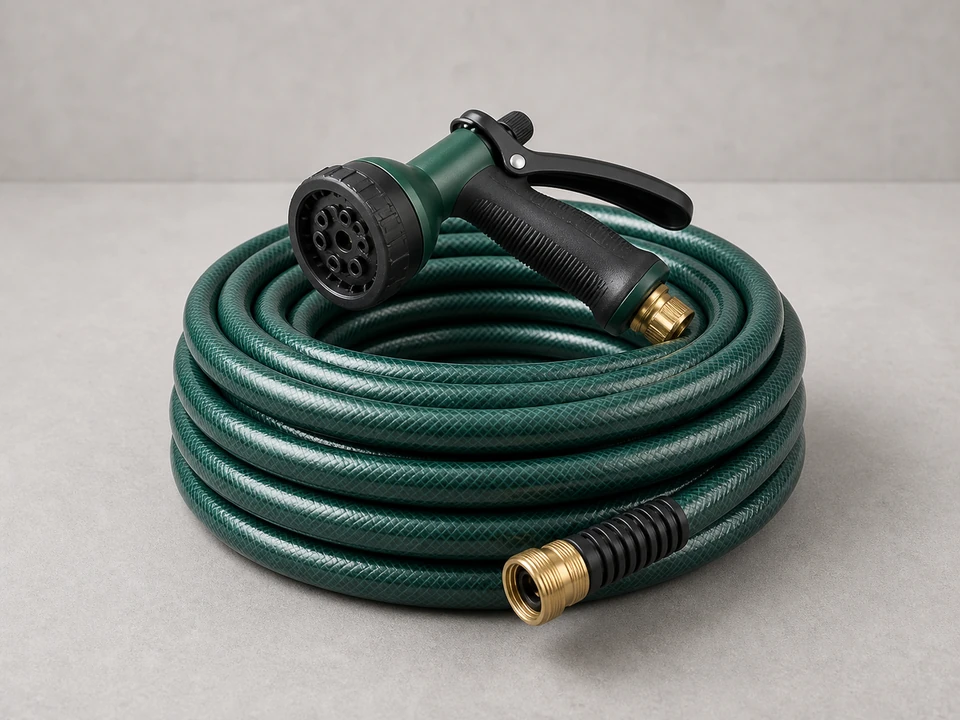
Use it for: To test drainage before and after the repair.
Shop hose nozzlesAs an Amazon Associate I earn from qualifying purchases. Repair Riot may earn a commission at no extra cost to you.
If it works: You have confirmed the problem is a localized low spot or a small drainage path issue that can be improved with surface reshaping.
If it doesn’t: If the entire driveway is pitched the wrong way or water is coming from a larger yard grading problem, plan for broader regrading or a drainage contractor instead of a small patch repair.
If it works: Water now has a visible path to leave the low spot, even if the area still needs to be built up.
If it doesn’t: If water still has nowhere to go, you will need to create a gentle surface slope in the next steps so runoff can reach a lower area.
If it works: The low spot is filled with compacted material and feels firm underfoot instead of spongy.
If it doesn’t: If the fill keeps disappearing into soft ground, remove more weak material and rebuild in thinner compacted lifts before moving on.
If it works: The repaired area sits flush with the surrounding driveway and no longer forms a bowl that traps water.
If it doesn’t: If the area still reads as a dip under the straight edge, add a little more material, compact again, and recheck the slope.
If it works: There is now a clear, low-resistance path for water to leave the area instead of collecting in the same spot.
If it doesn’t: If a simple swale or gravel path still does not move water away, the site may need more extensive grading or a dedicated drain solution.
If it works: Water drains away, the surface stays firm, and the low spot no longer turns into a standing puddle during normal use.
If it doesn’t: If a small puddle remains, add and compact a little more material at the lowest point. If water still ponds after that, move up to a larger grading fix or a professional drainage assessment.
Usually not for long. If you dump loose gravel into mud without clearing the outlet path and compacting a base, the stone often sinks and the puddle comes back.
A compactable base material works well for rebuilding support. A top layer of gravel can help finish the surface on gravel driveways. Fine soil alone usually washes out or turns back into mud.
Not always. It helps most when the low spot is muddy and the new stone wants to disappear into soft soil. It is less important if the base below is already firm and stable.
You only need a gentle, consistent slope that moves water away. The main goal is to remove the bowl shape and give runoff a clear exit path without creating a bump that is hard to drive over.
Call for help if water drains toward the foundation, the driveway is badly cracked or undermined, the area keeps collapsing, or the whole site needs regrading rather than a small surface repair.