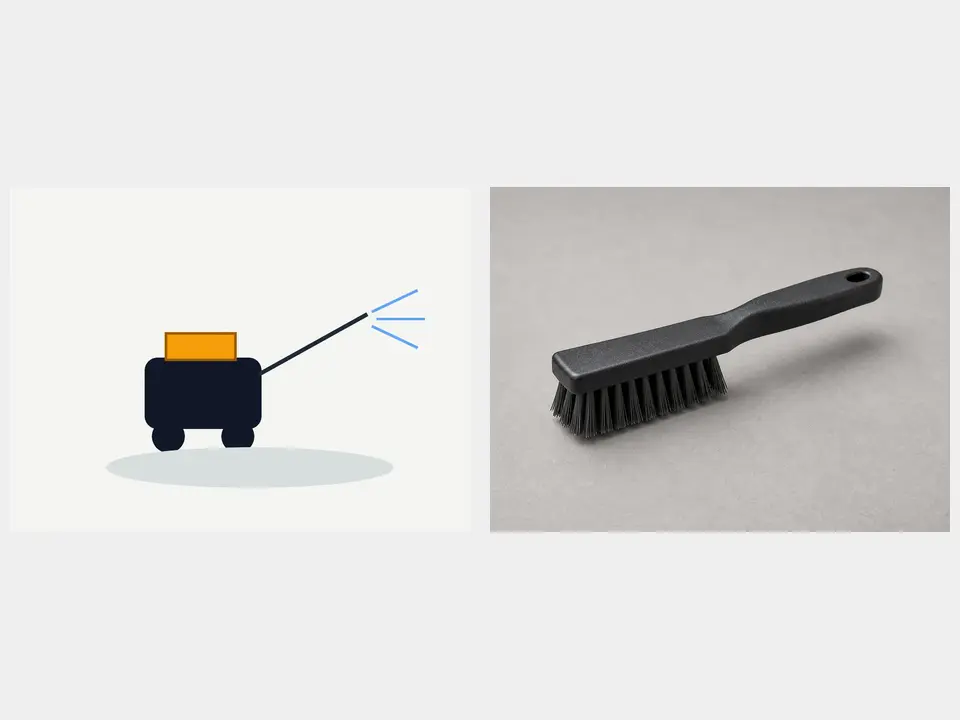
Pressure washer or stiff scrub brush
Use it for: Cleans off dirt, salt, dust, and weak surface material so the new resurfacer can bond.
Shop pressure washersTo replace driveway concrete resurfacer, remove all loose or failing material, clean the slab down to sound concrete, repair deeper damage, then mix and spread fresh resurfacer over a properly dampened surface and let it cure before traffic returns.
This repair works when the old resurfacer is peeling, flaking, or worn out but the driveway slab underneath is still basically sound. The bond is everything here, so most of the job is careful prep before the new coat goes down.
Before you start: Match the replacement part to your exact driveway before ordering.
Use it for: Cleans off dirt, salt, dust, and weak surface material so the new resurfacer can bond.
Shop pressure washers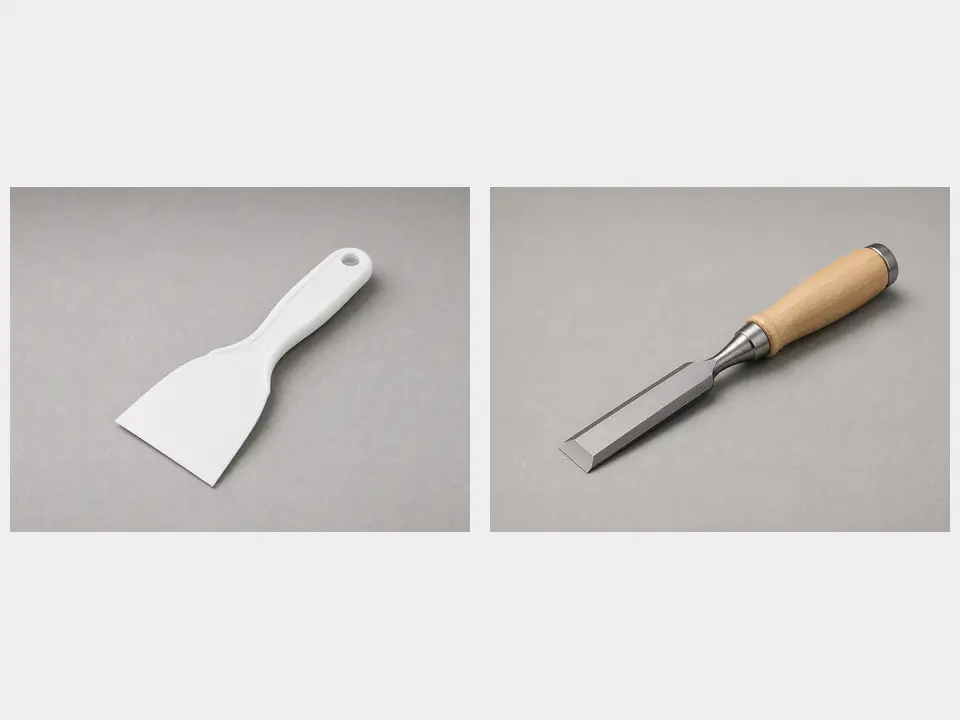
Use it for: Lifts loose resurfacer and knocks off weak edges before recoating.
Shop concrete scrapers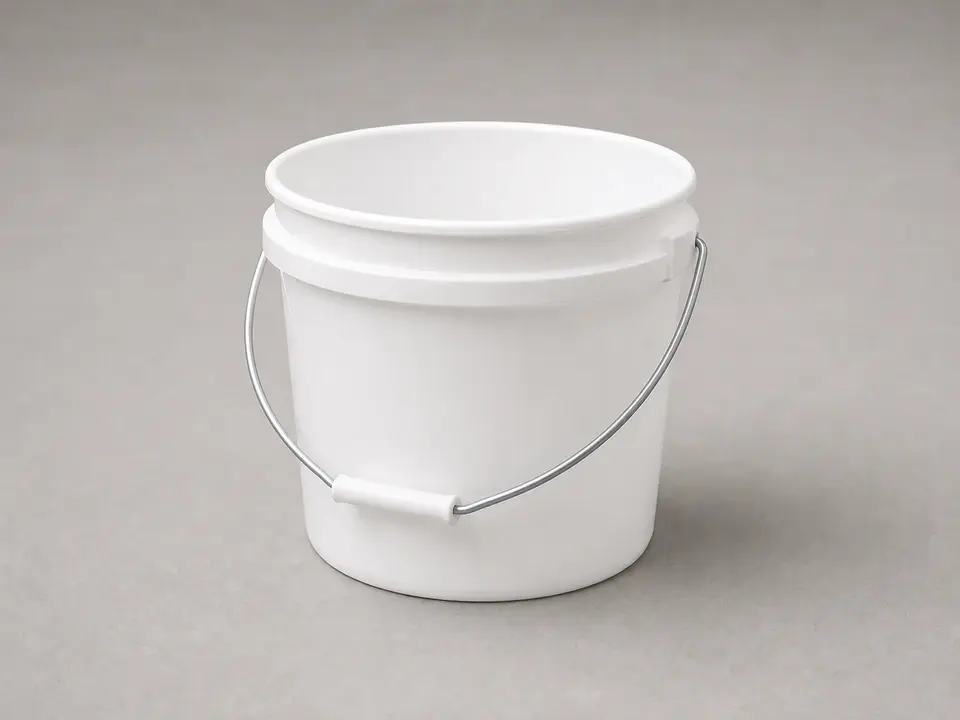
Use it for: Gives you a clean container for mixing resurfacer in small workable batches.
Shop 5-gallon buckets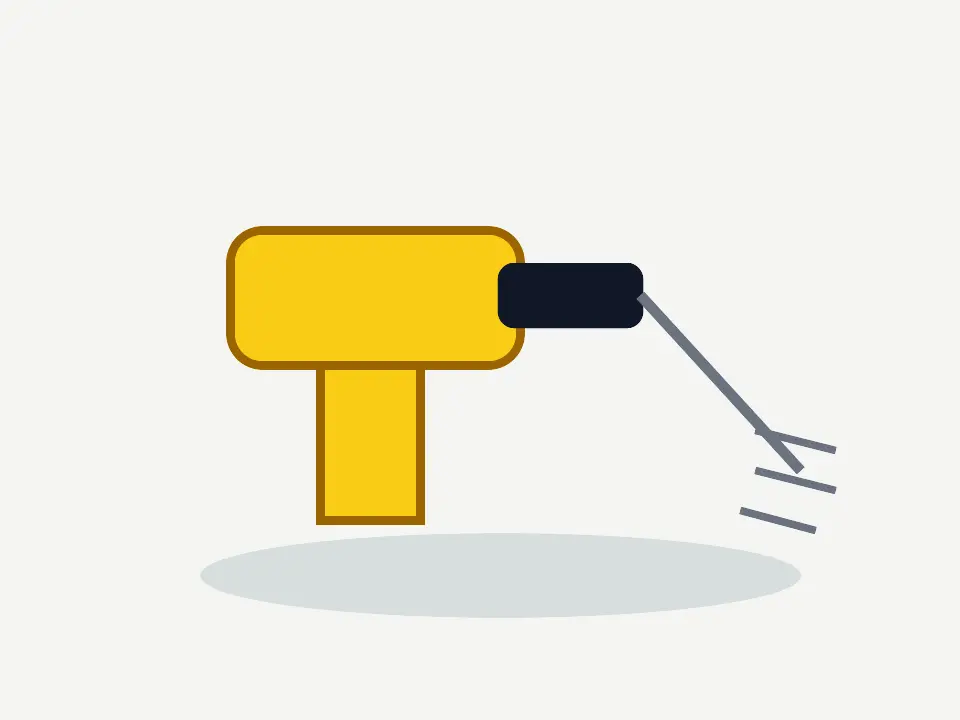
Use it for: Blends resurfacer to a smooth, lump-free consistency.
Shop mixing paddles for drill
Use it for: Spreads and smooths the new resurfacer evenly across the driveway.
Shop concrete squeegees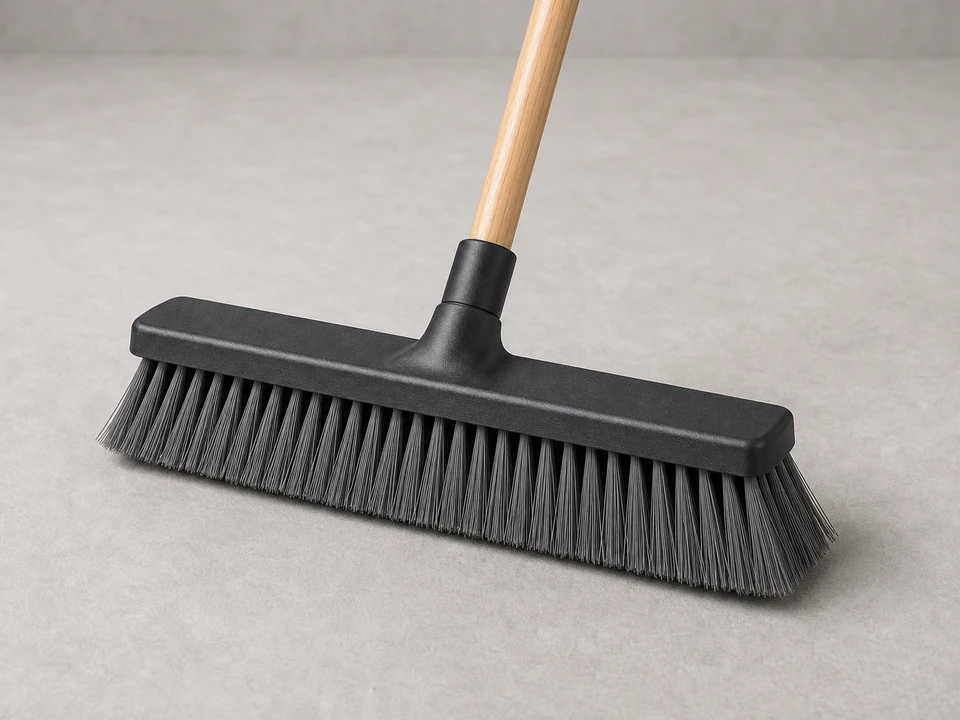
Use it for: Helps work in a light texture if you want better traction and a more even finish.
Shop push broomsAs an Amazon Associate I earn from qualifying purchases. Repair Riot may earn a commission at no extra cost to you.
If it works: You have confirmed the old resurfacer is failing, but the main concrete slab is still solid enough to resurface.
If it doesn’t: If the slab itself is badly cracked, moving, or sinking, shift from resurfacing to a larger concrete repair plan.
If it works: Only sound, firmly bonded concrete and firmly bonded old material remain.
If it doesn’t: If more material keeps breaking free as you scrape, keep removing it until the surface stops shedding weak layers.
If it works: The driveway is clean, solid, and prepped so the new resurfacer can bond to the slab instead of to dust.
If it doesn’t: If the surface still feels chalky or dusty after drying, clean it again before mixing any resurfacer.
If it works: You have a smooth batch of resurfacer and a properly dampened surface ready for application.
If it doesn’t: If the mix is too thick or too thin, correct it carefully within the product directions before you start spreading.
If it works: The driveway has a continuous new surface with even coverage and no obvious bare spots or heavy ridges.
If it doesn’t: If you see thin spots while the material is still workable, add a little more and blend it immediately.
If it works: The new resurfacer stays bonded, looks even, and handles normal driveway use without peeling or soft spots.
If it doesn’t: If small isolated areas fail early, remove the loose material and spot repair them before they spread. If larger sections release, the surface prep or moisture conditions likely need to be corrected before recoating.
Match the replacement part to your exact driveway before ordering.
As an Amazon Associate I earn from qualifying purchases. Repair Riot may earn a commission at no extra cost to you.
Yes, but only if the old material is still firmly bonded. Anything loose, hollow, or flaking has to come off first or the new coat will fail with it.
Use the product's stated application range. In general, resurfacer is meant for a thin renewal coat, not for filling deep voids or correcting major slab damage.
A thorough cleaning is strongly recommended. Pressure washing is one of the easiest ways to remove dust, salt, and weak surface residue that can ruin bond strength.
That depends on the specific resurfacer and weather conditions. Wait for the full vehicle-traffic cure time listed by the product, not just the time when it feels dry to the touch.
The usual causes are poor surface prep, moisture problems, contamination, freeze-thaw stress, or applying over weak concrete. Replacing it without fixing the bond issue usually leads to another failure.