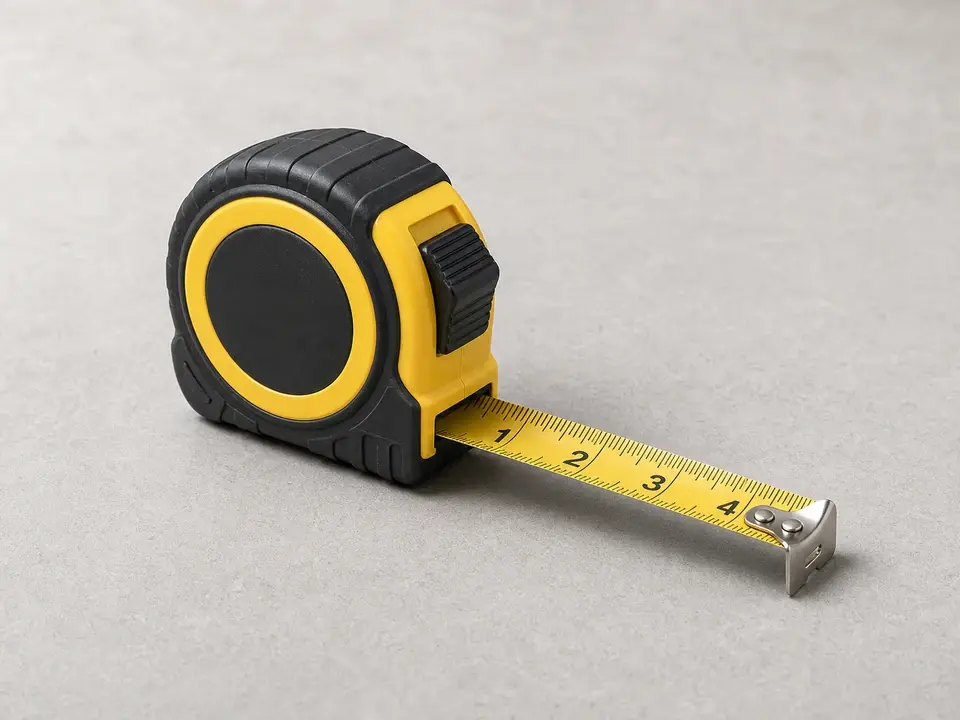
Tape measure
Use it for: To check rafter spacing and make sure the baffle fits before you start fastening it.
Shop tape measuresTo install an attic ventilation baffle, place it between the rafters above the soffit area, fasten it so it holds an open air channel from the soffit into the attic, and keep insulation from sagging into that path.
This is a good fix when insulation is packed tight at the eaves, soffit vents are getting blocked from inside the attic, or you want to protect airflow before adding more insulation. The job is simple in concept, but attic heat, tight spaces, and hidden roof nails mean slow, careful work matters.
Before you start: Match vent covers and screens to the opening size and vent style, and match baffles to your rafter spacing before ordering. Stop if the repair becomes unsafe or unclear.
Use it for: To check rafter spacing and make sure the baffle fits before you start fastening it.
Shop tape measures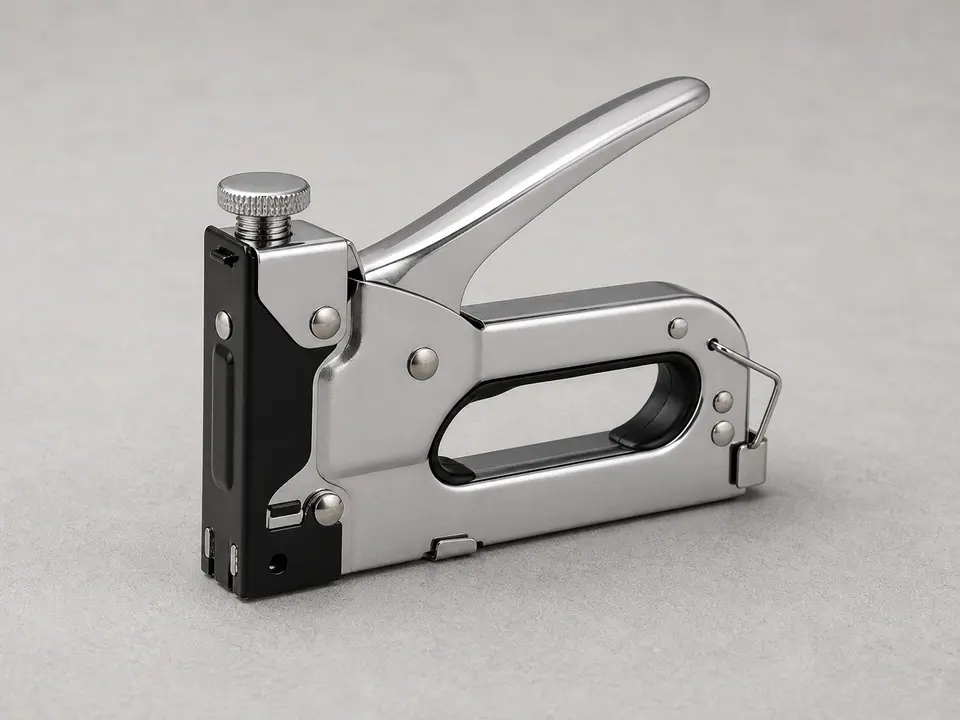
Use it for: To fasten foam or cardboard baffles to the rafters quickly and securely.
Shop staple guns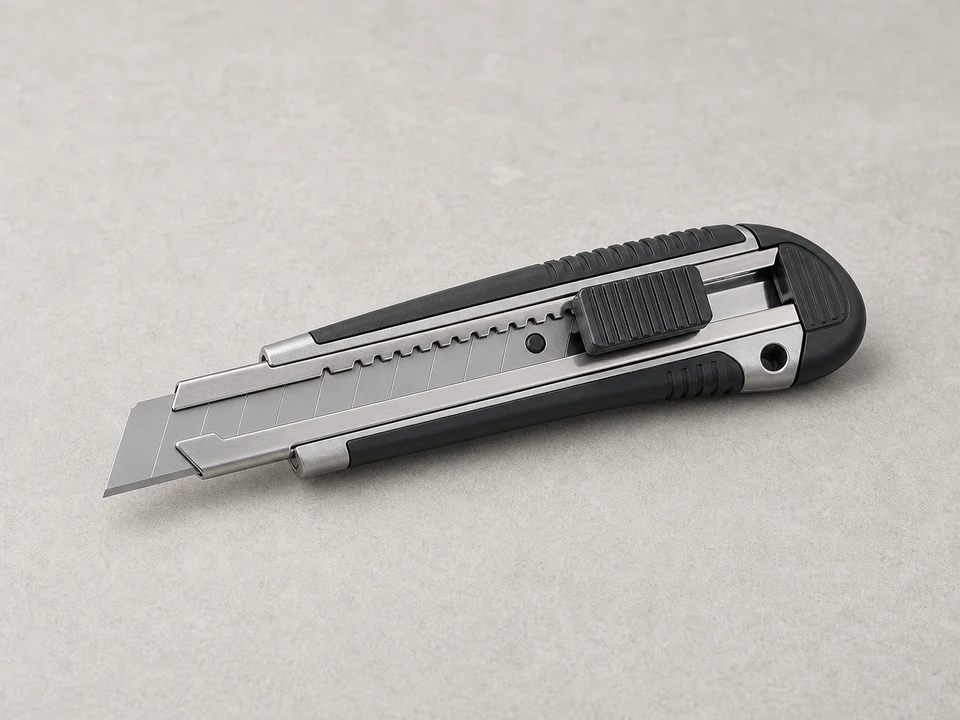
Use it for: To trim a baffle around framing or shorten it for a tight bay.
Shop utility knives
Use it for: To see the soffit area clearly in a dark attic.
Shop attic headlamps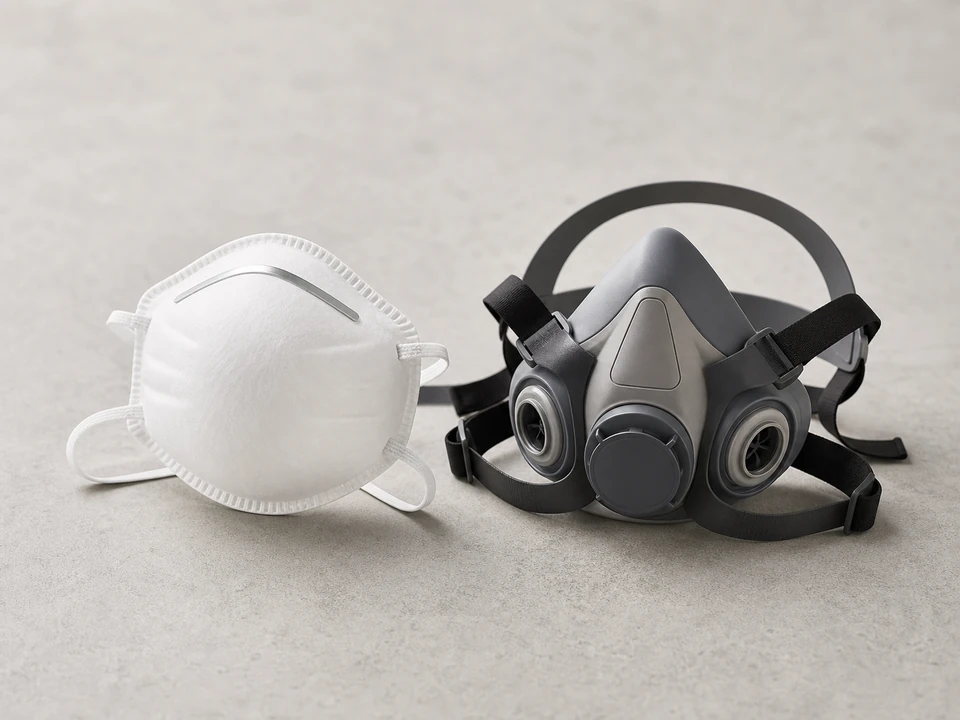
Use it for: To reduce breathing insulation dust and attic debris while you work.
Shop dust masks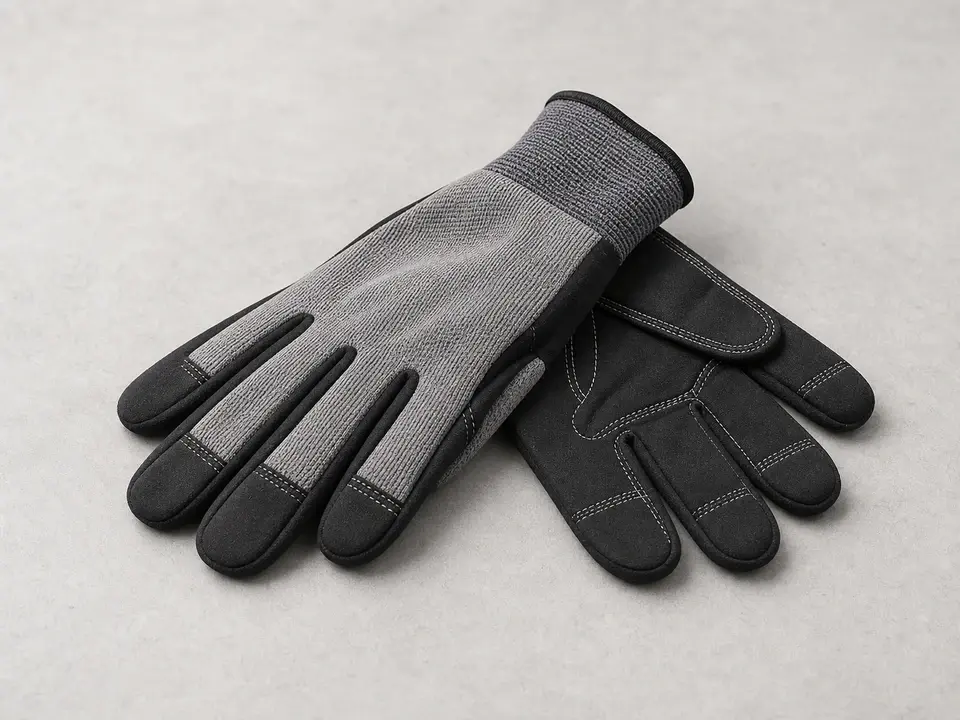
Use it for: To protect your hands from splinters, sharp fasteners, and roof nails.
Shop work glovesAs an Amazon Associate I earn from qualifying purchases. Repair Riot may earn a commission at no extra cost to you.
If it works: You found blocked or unprotected soffit airflow paths and confirmed the baffle size you need.
If it doesn’t: If the soffit area is already open and protected, the ventilation problem may be elsewhere, such as blocked soffit vents, poor exhaust venting, or wet insulation that needs separate attention.
If it doesn’t: If the baffle is too wide or too narrow, recheck your rafter spacing and switch to a better-fitting size before fastening it permanently.
If it works: The baffle stayed in place and the soffit intake path remains open during normal attic use.
If it doesn’t: If airflow still seems weak, inspect the soffit vents themselves and the attic exhaust vents, because a clear baffle alone will not fix a ventilation system that is blocked elsewhere.
Match the baffle width to your rafter spacing before ordering.
Match the opening size and vent style before ordering replacement covers.
As an Amazon Associate I earn from qualifying purchases. Repair Riot may earn a commission at no extra cost to you.
You usually need one when insulation is pushed into the eaves and blocks the path from the soffit vents into the attic. They are also useful before adding more insulation so that airflow stays open.
Install them in the bays where soffit intake air enters and where insulation could block that path. In many attics, that means each soffit-fed bay along the eaves.
You will usually need to pull the insulation back first, install and fasten the baffle, then place the insulation back without covering the air channel.
The vents themselves may be clogged, covered, or too limited, or the attic may have an exhaust vent problem. A baffle protects the intake path, but it cannot fix blocked vents elsewhere.
Yes, many can be trimmed for length or around minor framing obstructions. Just do not cut it so much that it loses the shape needed to hold an open air channel.