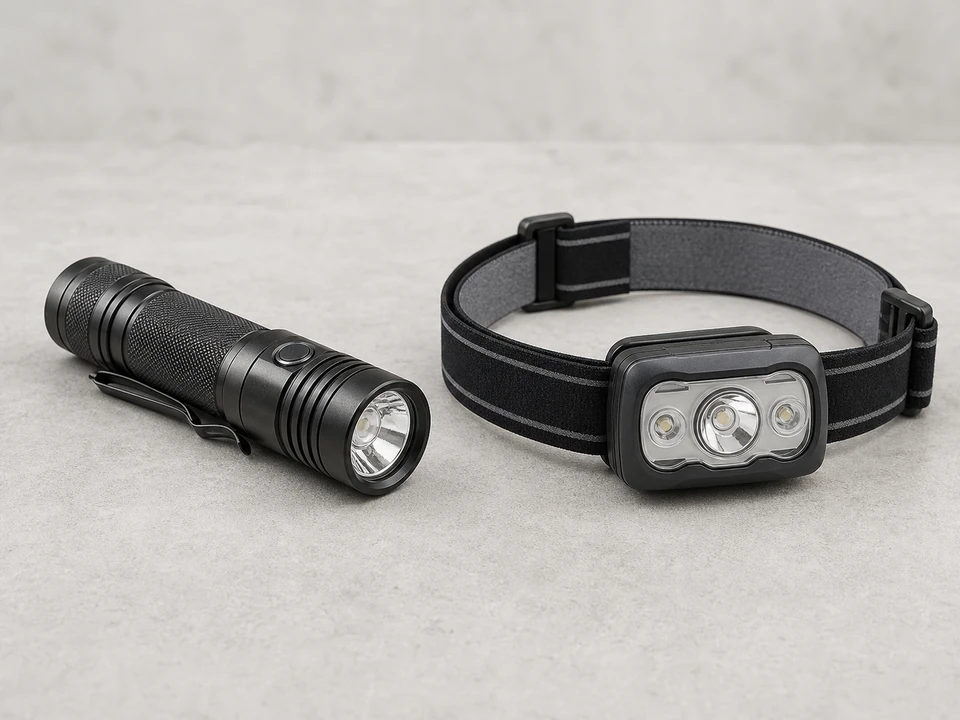
Flashlight or headlamp
Use it for: Helps you see the soffit area, rafters, and fastener locations in a dark attic.
Shop attic headlampsTo replace an attic ventilation baffle, clear a safe path in the attic, remove the damaged baffle, position the new one so it keeps insulation away from the roof deck and soffit opening, then fasten it securely and confirm air can move freely.
This is a straightforward repair, but attic work can be cramped, hot, and easy to misstep. Move slowly, stay on framing, and stop if the area is unsafe or the vent path is hard to identify.
Before you start: Match the replacement part to your exact attic ventilation before ordering.
Use it for: Helps you see the soffit area, rafters, and fastener locations in a dark attic.
Shop attic headlamps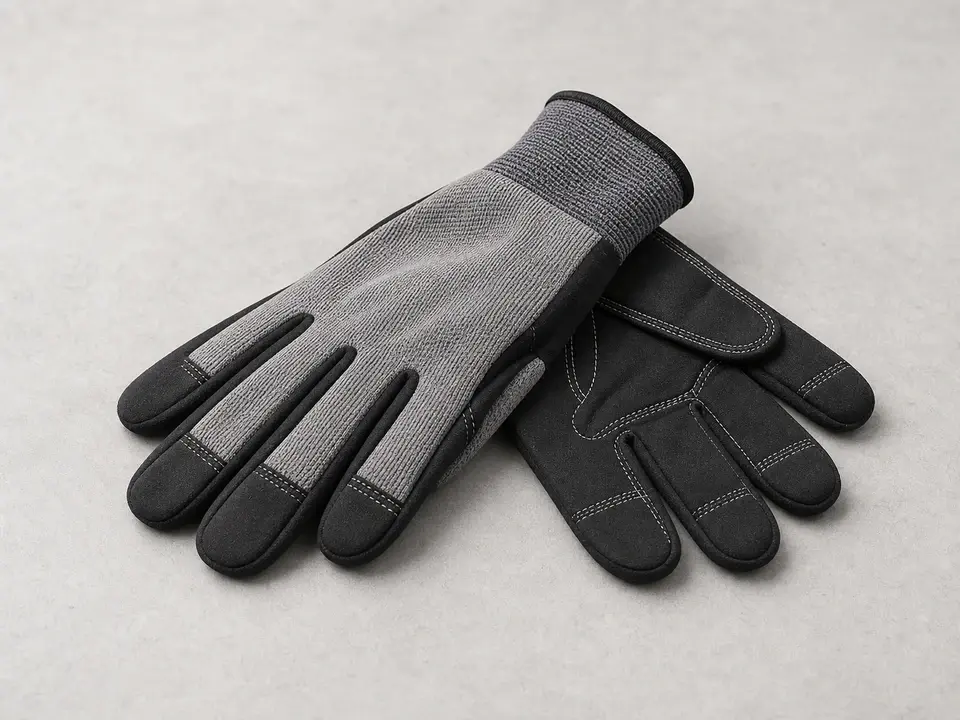
Use it for: Protects your hands from rough framing, old fasteners, and insulation.
Shop work gloves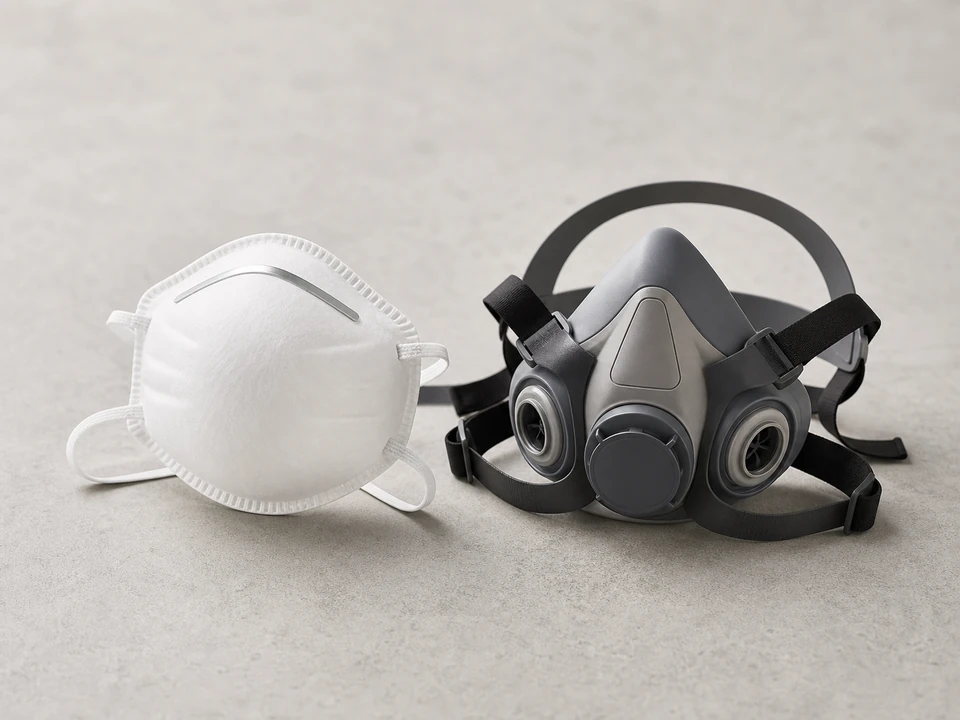
Use it for: Reduces exposure to dust and loose insulation while working near the eaves.
Shop dust masks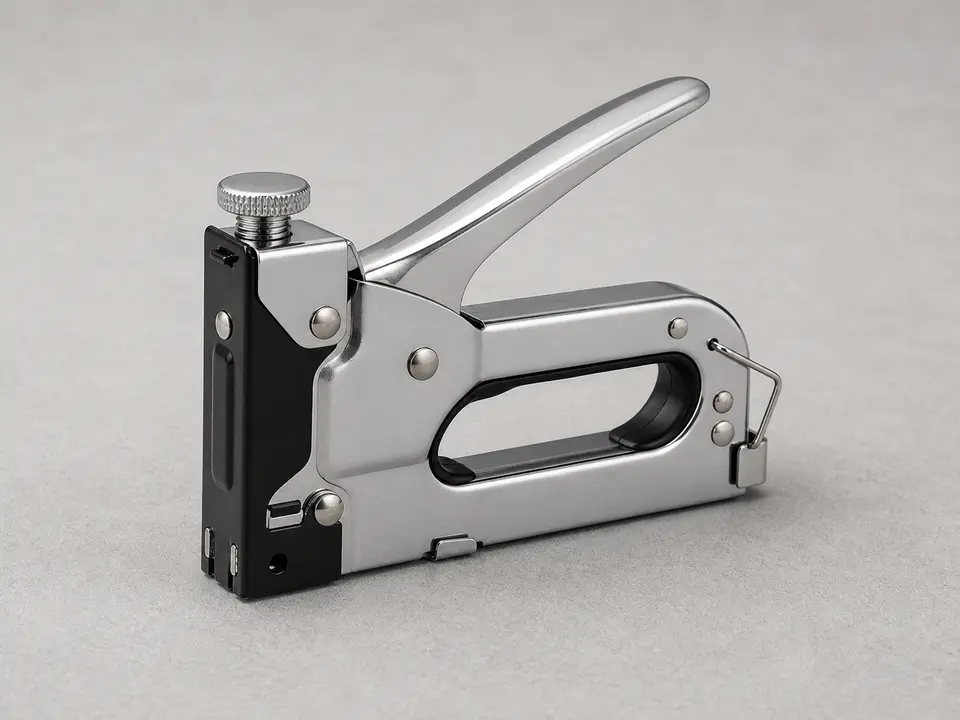
Use it for: Secures many foam or cardboard baffles to the roof framing.
Shop staple guns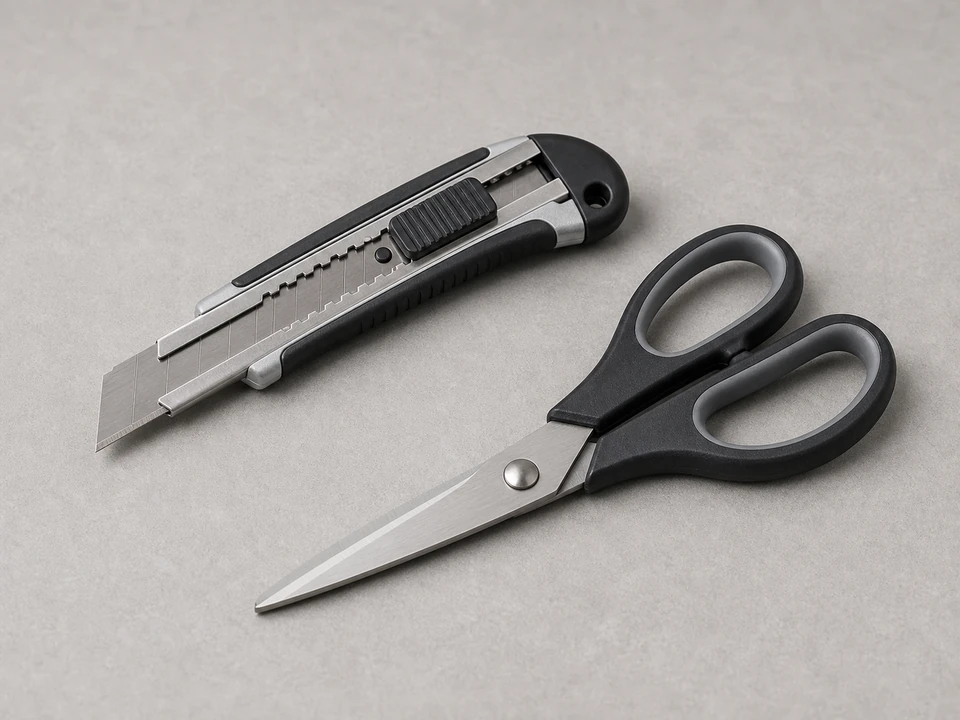
Use it for: Trims the new baffle if a slight fit adjustment is needed.
Shop utility knives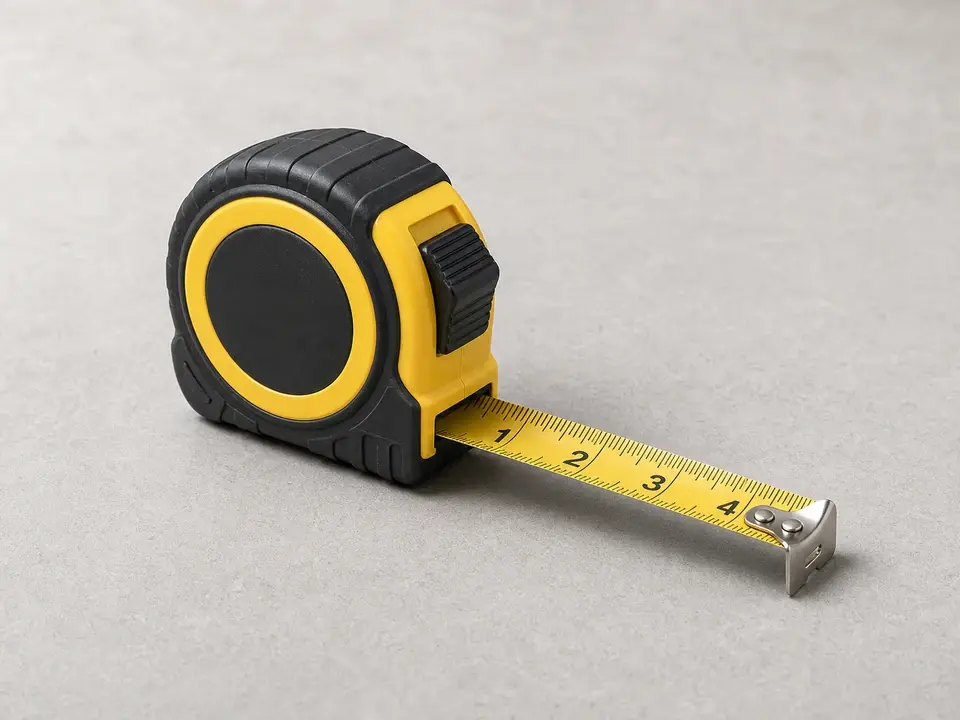
Use it for: Checks rafter spacing and helps you choose a baffle that fits the bay correctly.
Shop tape measuresAs an Amazon Associate I earn from qualifying purchases. Repair Riot may earn a commission at no extra cost to you.
If it works: You can reach the baffle area safely with good light and stable footing.
If it doesn’t: Stop and improve access with better lighting, a safer walking surface, or help from another adult.
If it works: The soffit bay is visible, and you can see where the new baffle needs to sit.
If it doesn’t: Clear a little more insulation until the roof deck, rafters, and soffit air path are easy to identify.
If it works: The old baffle is out, and the bay is clear for the replacement.
If it doesn’t: Remove remaining fasteners and debris until the new baffle can sit flat and open.
If it works: The new baffle fits the bay and leaves a clear path for air to move past the insulation.
If it doesn’t: Reposition or lightly trim the baffle so it sits flat and does not pinch the air channel.
If it works: The baffle is secure, aligned, and keeps a consistent air gap open.
If it doesn’t: Add or adjust fasteners until the baffle stays put without collapsing the channel.
If it works: The insulation is back in place, and the soffit-to-attic air path remains open.
If it doesn’t: Pull the insulation back again and reshape it so it stays below and away from the baffle opening.
Match the replacement part to your exact attic ventilation before ordering.
As an Amazon Associate I earn from qualifying purchases. Repair Riot may earn a commission at no extra cost to you.
It keeps insulation from blocking the soffit intake area and preserves an air channel along the roof deck so outside air can move into the attic.
If it no longer holds a clear air path or will not stay secured, replacement is usually the better fix. A slightly loose baffle may be resecured if it is still intact and shaped correctly.
Yes, but do not pack insulation into the soffit opening or against the part of the baffle that needs to stay open for airflow.
Check the rafter spacing and the style of the existing vent path. The replacement should fit the bay width and create a clear channel without heavy trimming or forcing it into place.
Call for help if the attic has widespread blocked ventilation, active leaks, damaged roof sheathing, pest activity, or access that feels unsafe.