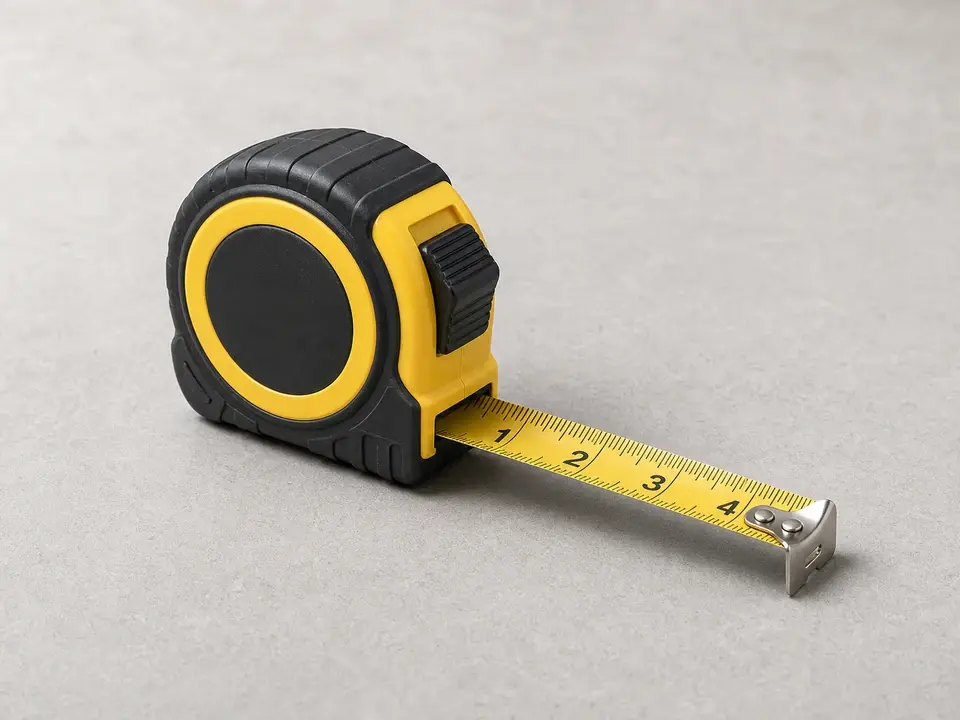
Tape measure
Use it for: To check the downspout outlet size and plan how far the extension should carry water.
Shop tape measuresTo install a downspout extension, confirm the downspout is the source of the water problem, clear the outlet area, attach an extension that fits the downspout outlet, and aim it so runoff drains away from the foundation on a gentle downhill path.
This is a straightforward yard drainage fix when roof runoff is dumping too close to the house. The goal is simple: carry water farther away without creating a trip hazard, a crushed section, or a new low spot that holds water.
Before you start: Match the extension to your downspout shape and size before you buy. Most downspouts are rectangular or round, and the outlet size needs to match the extension or adapter. Stop if the repair becomes unsafe or unclear.
Use it for: To check the downspout outlet size and plan how far the extension should carry water.
Shop tape measures
Use it for: To protect your hands from sharp metal edges, screws, and rough plastic.
Shop work gloves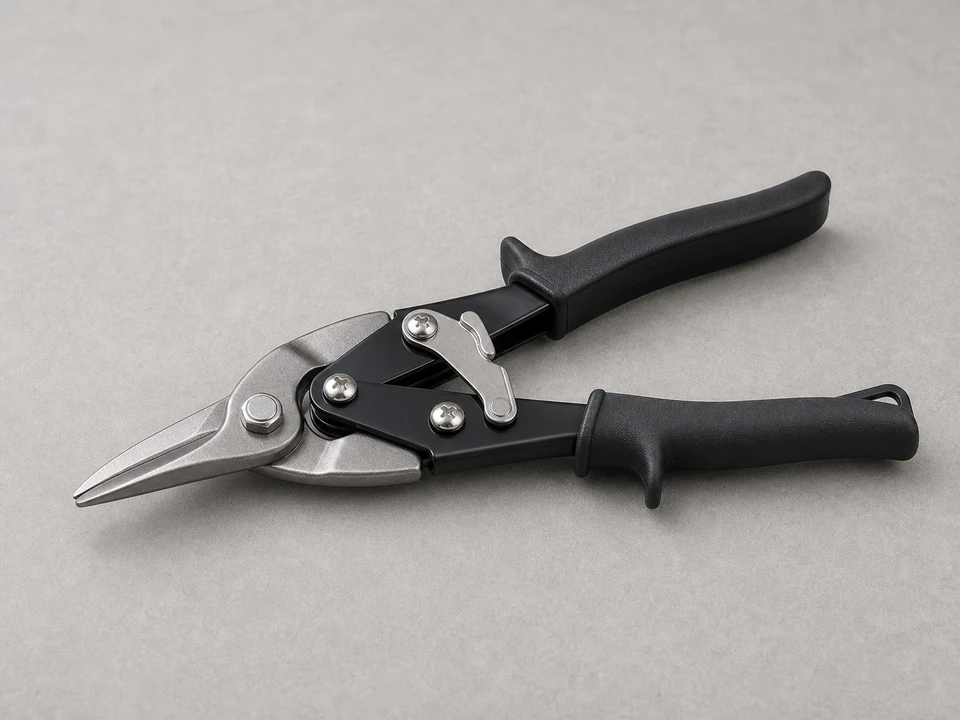
Use it for: To trim light metal if the bottom of the downspout needs minor adjustment.
Shop tin snips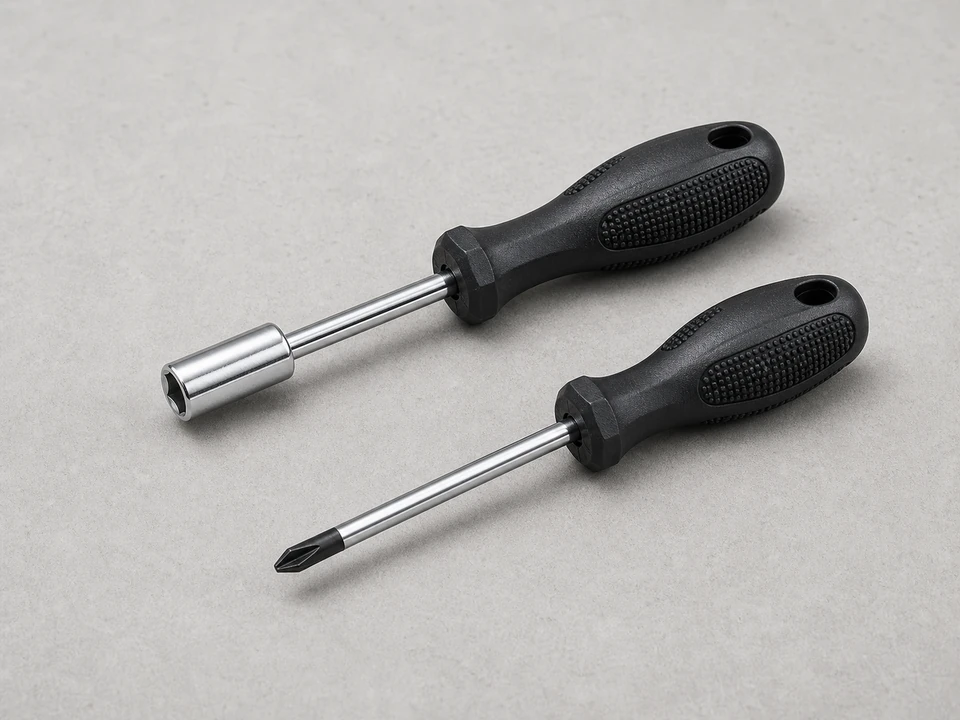
Use it for: To loosen or tighten screws on the downspout or extension connection.
Shop nut drivers and screwdrivers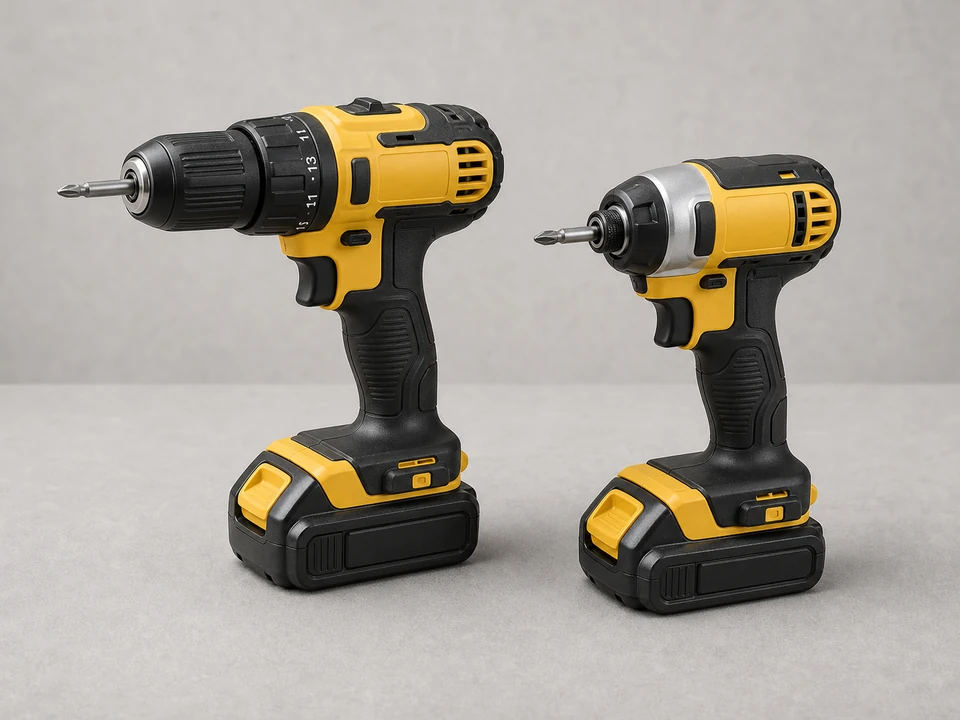
Use it for: To fasten sheet metal screws if the extension or adapter needs to be secured.
Shop drill drivers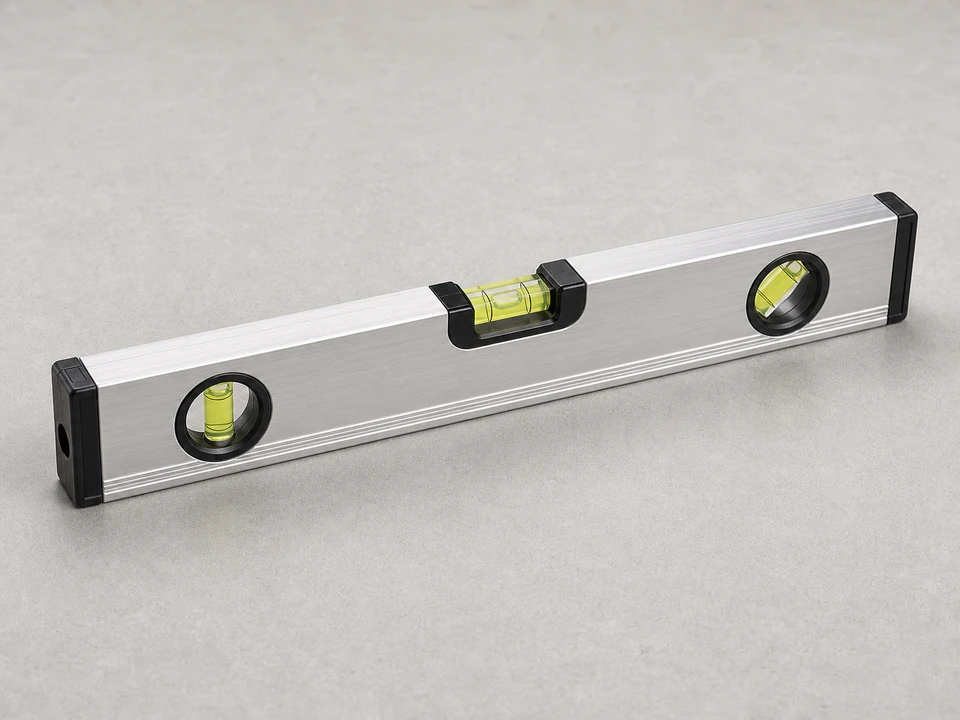
Use it for: To help you keep the extension sloping away from the house instead of back toward it.
Shop levelsAs an Amazon Associate I earn from qualifying purchases. Repair Riot may earn a commission at no extra cost to you.
If it works: You have confirmed the main problem is roof runoff ending too close to the house, and you have a safe direction for the water to travel.
If it doesn’t: If water is overflowing from the gutter seams or from the top of the downspout, clean and repair the gutter system first before adding an extension.
If it works: You know what size extension or adapter you need and where the water will go.
If it doesn’t: If the outlet size does not match the extension you bought, get the correct size or a matching adapter before you start fastening anything.
If it works: The downspout outlet is clean, accessible, and ready for the new connection.
If it doesn’t: If the outlet is too misshapen to accept an extension, replace or repair the damaged lower section of downspout first.
If it works: The extension is firmly attached and aimed away from the foundation.
If it doesn’t: If the extension keeps slipping off, recheck the size match and add the correct adapter instead of forcing an oversized or undersized fit.
If it works: The extension has a clear path, drains downhill, and ends where water can spread out safely.
If it doesn’t: If the extension ends in a low spot that holds water, reroute it or improve the discharge area before relying on it.
If it works: Water moves through the extension and ends well away from the foundation without leaking, backing up, or pooling near the house.
If it doesn’t: If water still collects near the foundation after the extension is working, extend the discharge farther or look at grading and yard drainage as the next fix.
Far enough that roof runoff does not soak the soil right next to the foundation. In many yards, farther is better as long as the water still drains safely and does not create a problem somewhere else.
A splash block can help, but it usually moves water only a short distance. If the area near the house stays wet, an extension is usually the better fix.
Some extensions fit tightly enough without screws, while others need a few fasteners to stay put. If the connection is loose or pops apart during testing, secure it with the proper hardware for that style.
Check the gutter and downspout for debris first. Extensions work best when the upstream system is clean and the run does not have dips that hold water and trap sediment.
You can, but buried drainage needs the right pipe, slope, and discharge point. If you are planning a buried run, treat it as a larger drainage project rather than simply laying a basic extension in the ground.