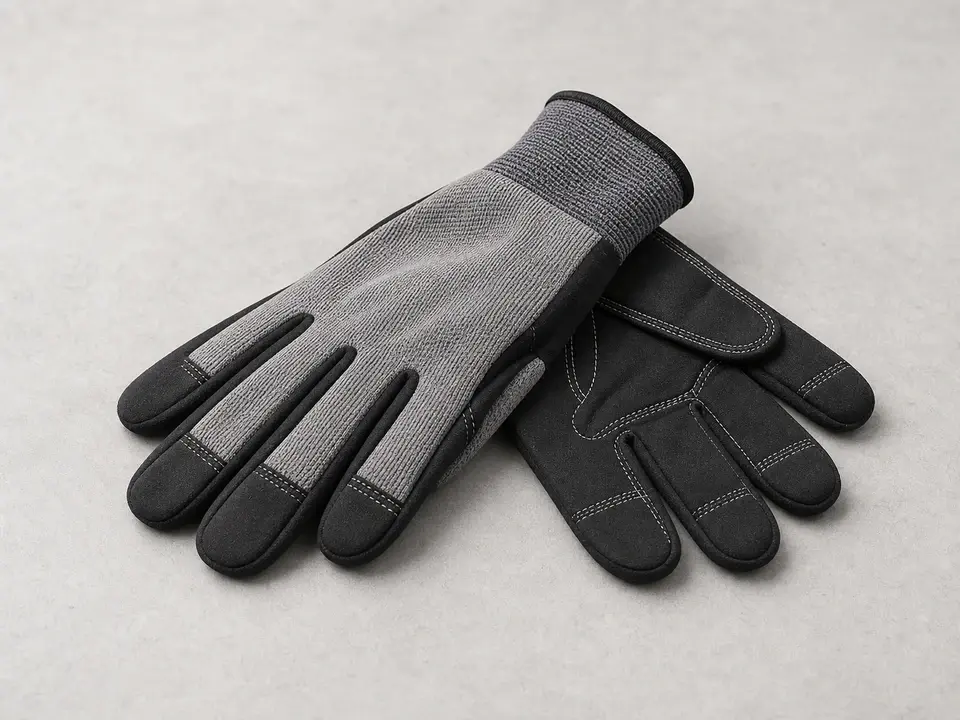
Work gloves
Use it for: Protects your hands from sharp metal edges, screws, and debris inside the extension.
Shop work glovesTo replace a downspout extension, remove the damaged section, confirm the outlet size and shape, attach the new extension securely, and test water flow so runoff moves away from the foundation.
This is a straightforward outdoor repair, but it can become risky if you need a ladder, if the downspout is loose, or if the new extension does not fit correctly. Start with a dry day, clear footing, and the simplest fit check before fastening anything.
Before you start: Match the replacement part to your exact downspouts extension before ordering.
Use it for: Protects your hands from sharp metal edges, screws, and debris inside the extension.
Shop work gloves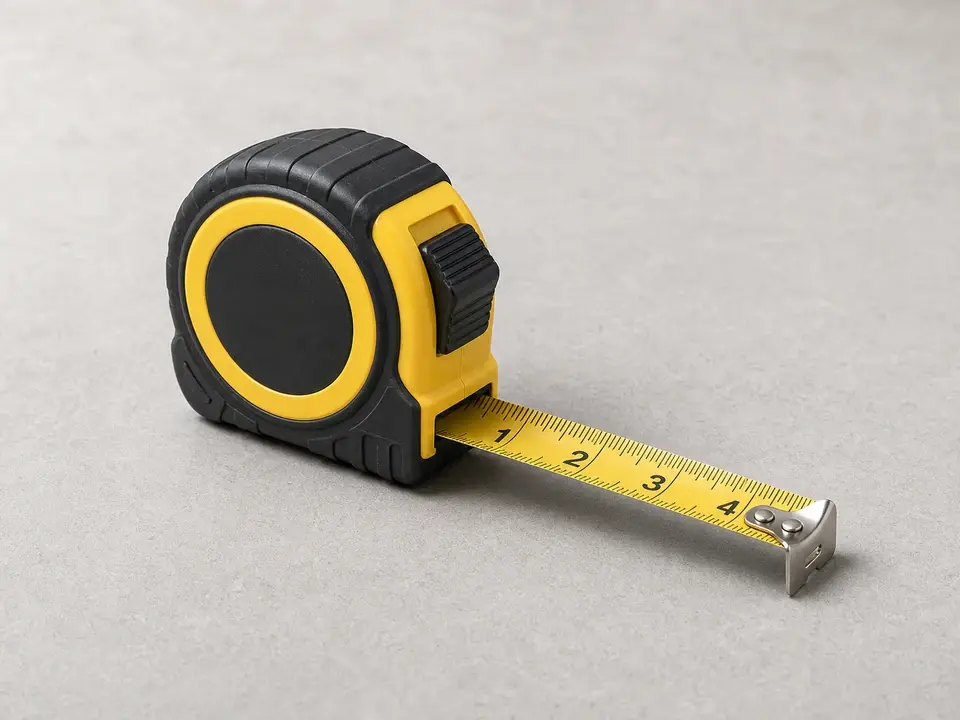
Use it for: Helps you check the width, shape, and needed length of the replacement extension.
Shop tape measures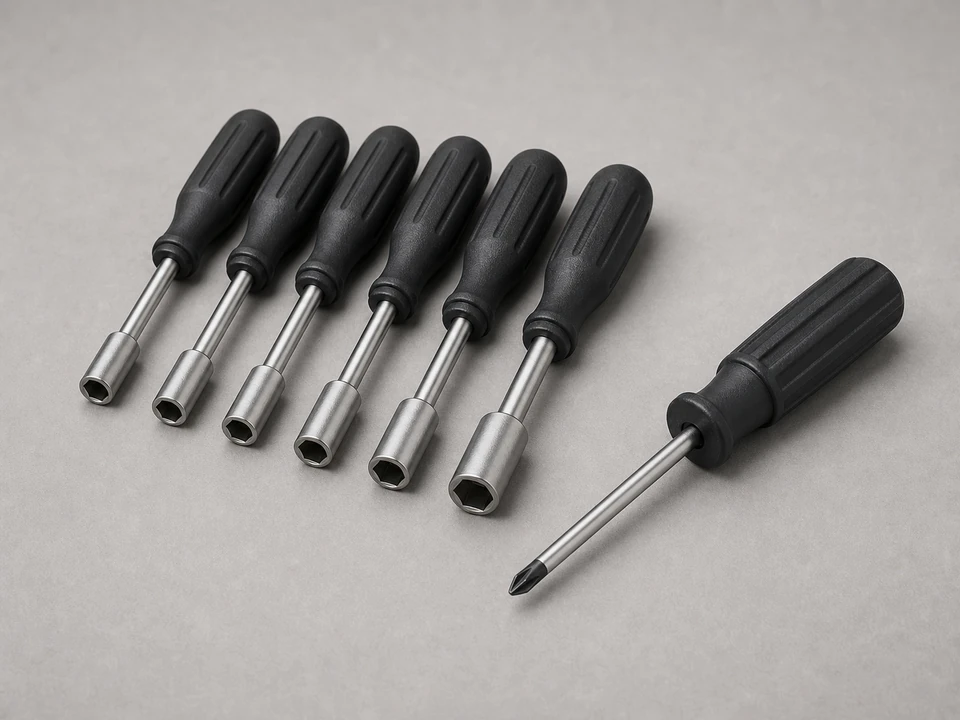
Use it for: Removes and reinstalls common screws or clamps used at the downspout connection.
Shop screwdriver and nut driver sets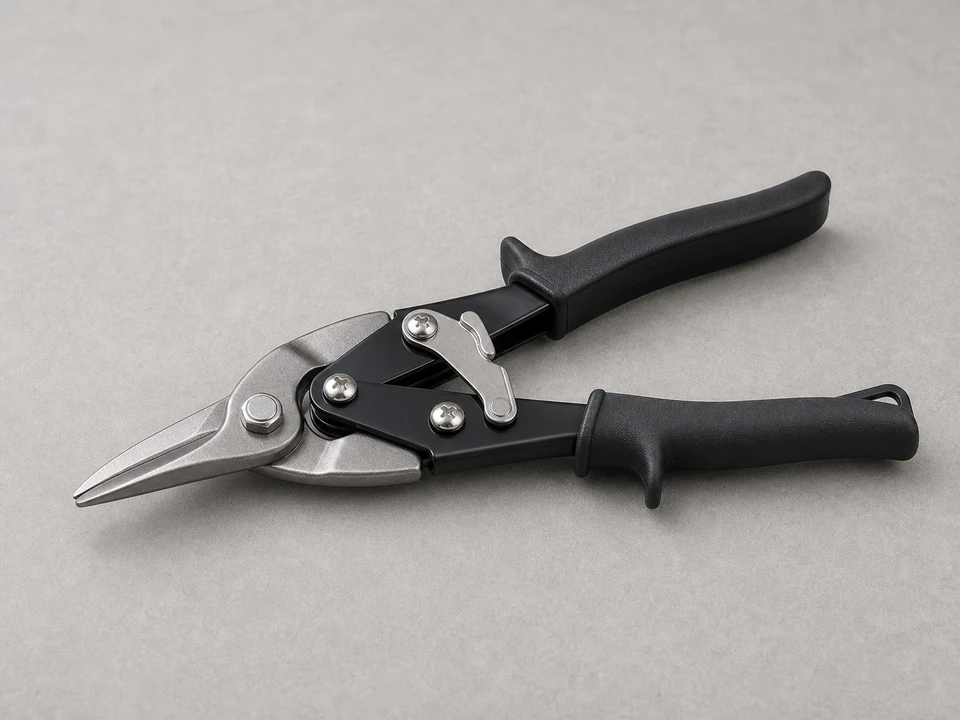
Use it for: Useful if a metal extension needs minor trimming for fit.
Shop tin snips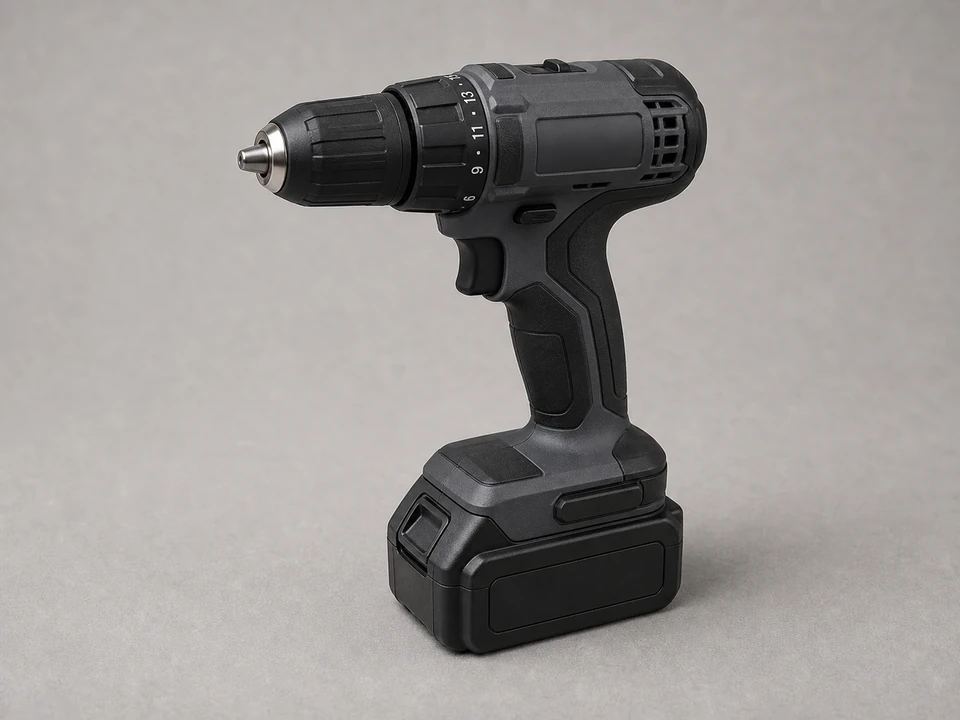
Use it for: Makes it easier to drive screws if the extension uses fasteners.
Shop cordless drills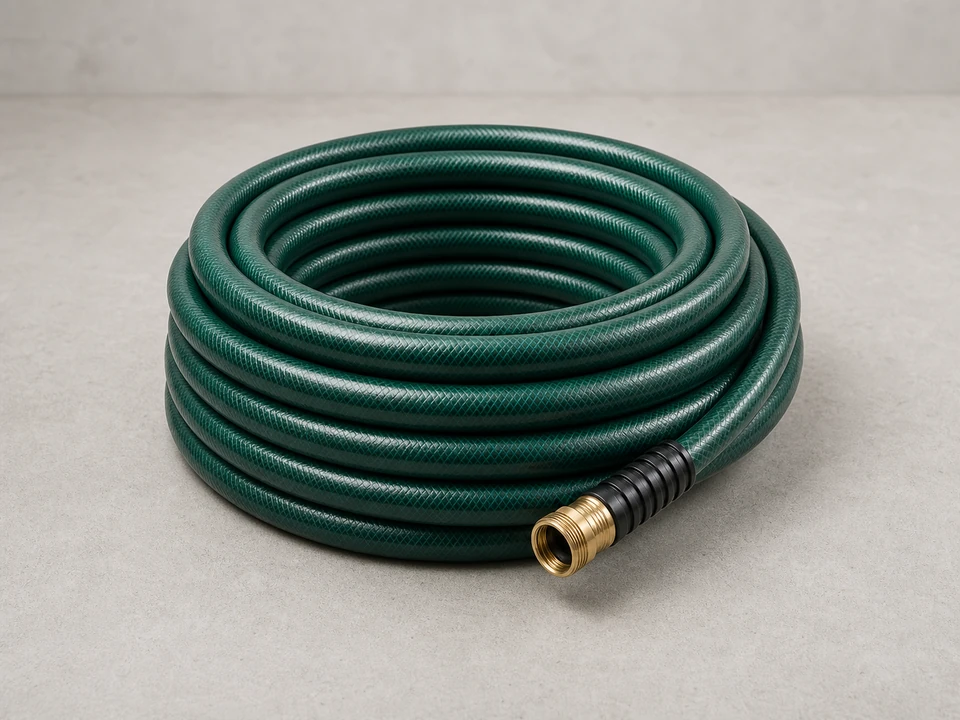
Use it for: Lets you test water flow after installation without waiting for rain.
Shop garden hosesAs an Amazon Associate I earn from qualifying purchases. Repair Riot may earn a commission at no extra cost to you.
If it works: You can reach the connection safely and clearly see how the old extension comes off.
If it doesn’t: Brush away more debris and pause if the area is muddy, unstable, or blocked by landscaping.
If it works: You know the new extension is the right shape, size, and useful length for the job.
If it doesn’t: Do not force a near match. Get a replacement that matches the outlet and drainage path more closely.
If it works: The old extension is off and the downspout outlet is still straight and intact.
If it doesn’t: Check again for hidden fasteners or packed debris at the joint before trying more force.
If it works: The outlet is clean, open, and ready for the new extension to slide on or attach evenly.
If it doesn’t: Remove more debris and recheck for hidden damage that would prevent a secure connection.
If it works: The new extension feels secure, lines up well with the downspout, and points runoff away from the house.
If it doesn’t: Remove it and reseat the connection. If it still does not align well, recheck size and shape before forcing it.
If it works: Water flows through the new extension smoothly and discharges where you want it.
If it doesn’t: Look for a loose connection, a hidden blockage, or an extension that is too flat or kinked.
Match the replacement part to your exact downspouts extension before ordering.
As an Amazon Associate I earn from qualifying purchases. Repair Riot may earn a commission at no extra cost to you.
Measure the shape and width of the downspout outlet at the bottom. Match the replacement to that outlet rather than guessing from the old extension alone.
Yes, if they are straight, not badly rusted, and still hold securely. Replace them if they are stripped, corroded, or no longer fit tightly.
Check that the shape and size match the downspout outlet. Also make sure the outlet is not bent and that any screws or clamps are installed without crushing the connection.
Most downspout extension replacements rely on a proper mechanical fit rather than sealant. If the connection is loose because the part does not fit well, sealant alone is usually not the right fix.
Call for help if the downspout is loose on the wall, the outlet is badly rusted or crushed, the drainage problem is causing foundation pooling, or the repair requires unsafe ladder work.