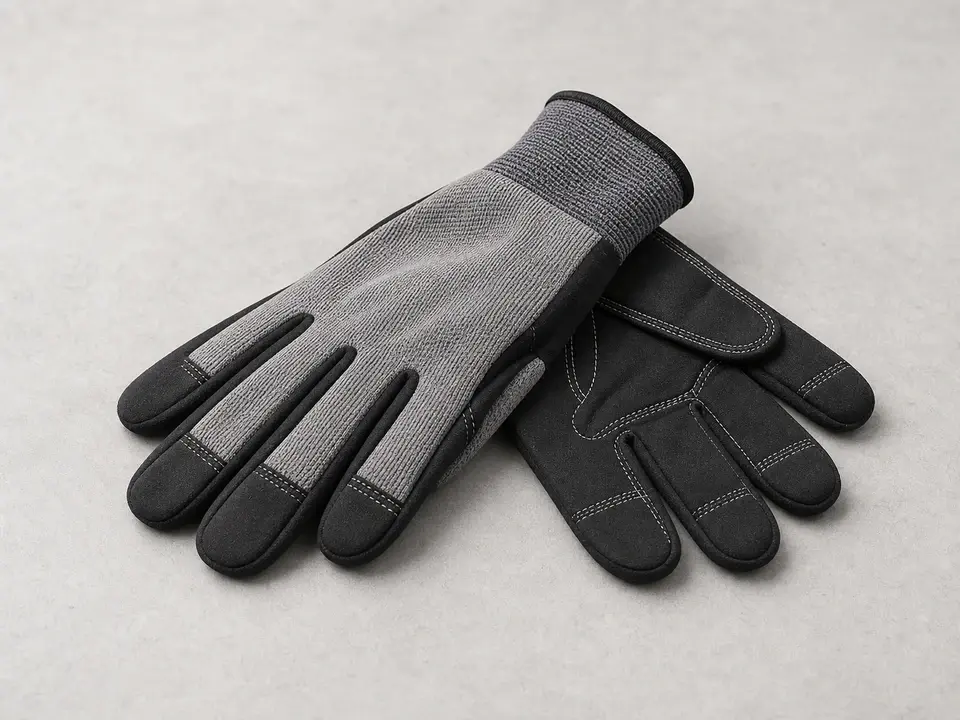
Work gloves
Use it for: Protects your hands from sharp metal edges, dirt, and buried debris around the downspout area.
Shop work glovesTo replace an exterior downspout extension, confirm the old extension is cracked, crushed, disconnected, or missing, remove it, match the outlet size and style, install the new extension securely, and make sure it carries water away from the foundation.
This is usually a straightforward yard repair, but it matters because a bad extension can dump roof runoff right next to the house. The goal is simple: get water moving away cleanly without leaks, kinks, or low spots that hold water.
Before you start: Match the replacement part to your exact exterior drainage before ordering.
Use it for: Protects your hands from sharp metal edges, dirt, and buried debris around the downspout area.
Shop work gloves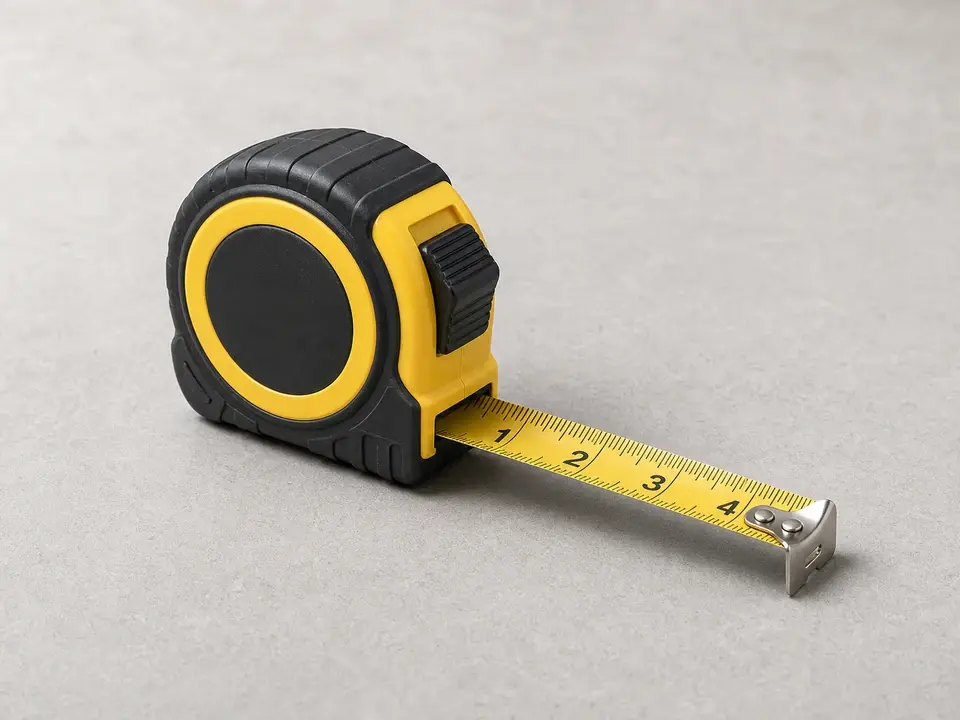
Use it for: Helps you match the outlet size and choose an extension length that reaches far enough from the house.
Shop tape measures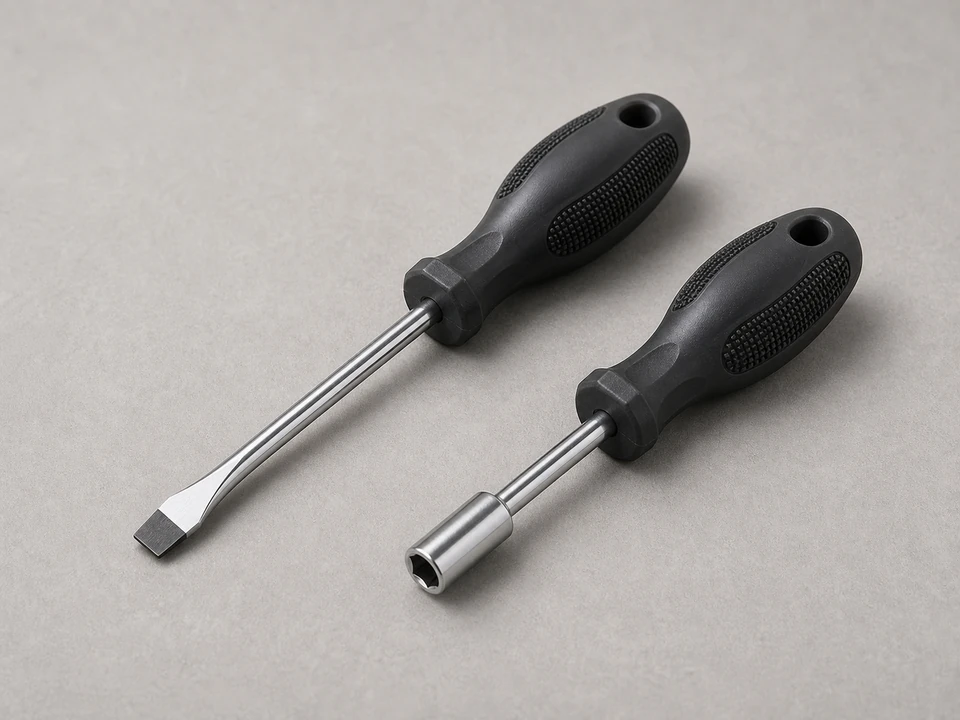
Use it for: Useful for loosening or tightening clamps or screws on some extension connections.
Shop screwdrivers and nut drivers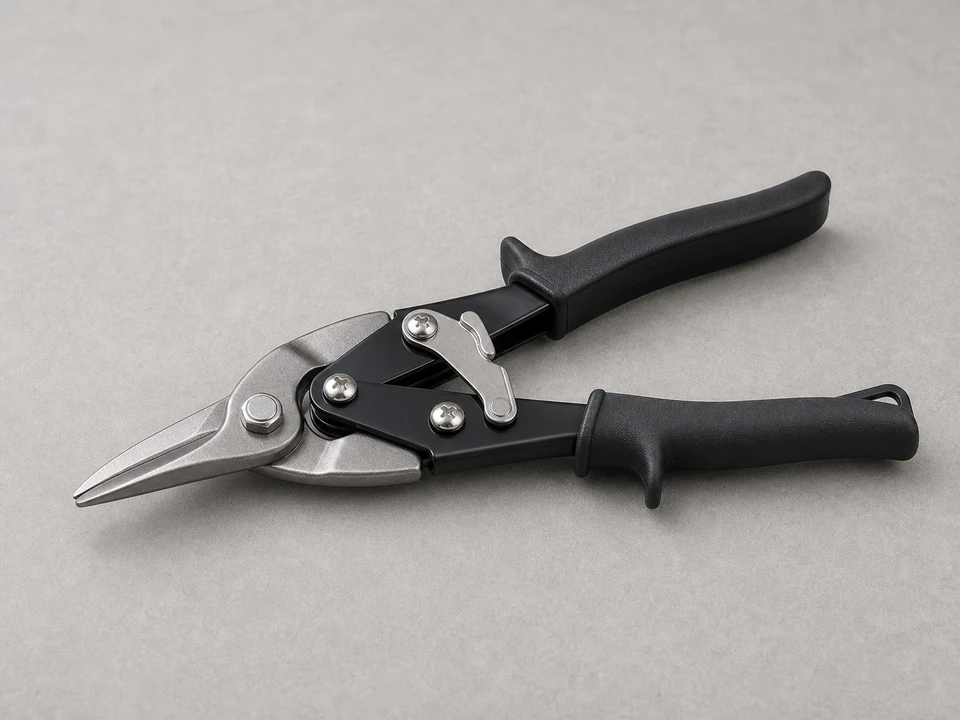
Use it for: Helps trim light-gauge metal extension material if your setup needs a small fit adjustment.
Shop tin snips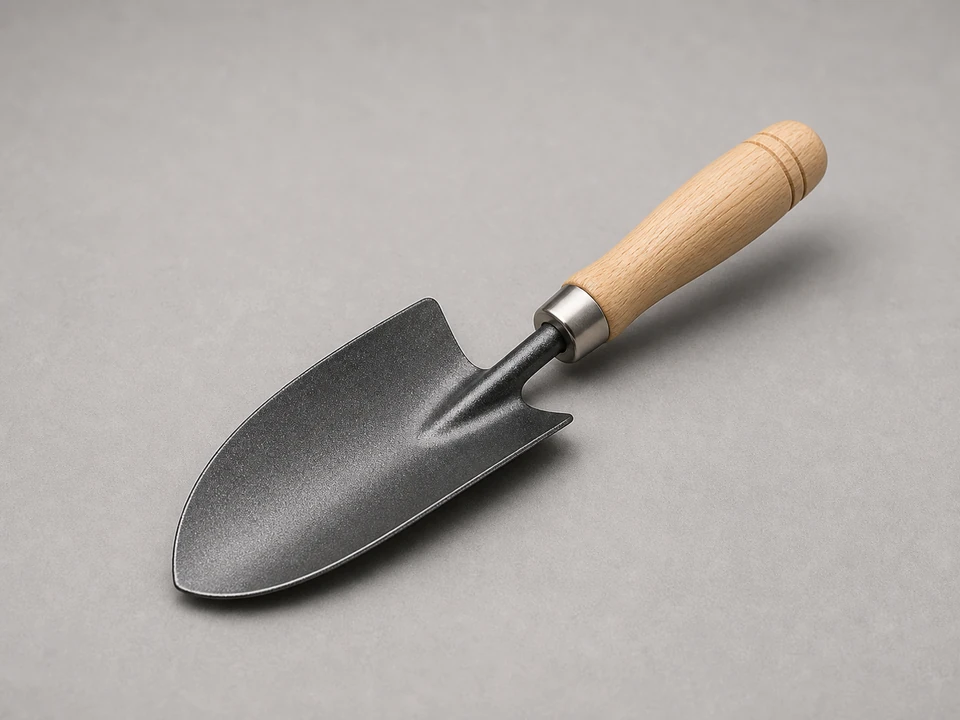
Use it for: Lets you clear packed soil, mulch, or gravel so the new extension can sit with proper slope.
Shop garden trowelsAs an Amazon Associate I earn from qualifying purchases. Repair Riot may earn a commission at no extra cost to you.
If it works: You found that the exterior downspout extension is damaged, disconnected, undersized for the outlet, or missing and is no longer carrying water away from the house.
If it doesn’t: If water is spilling from the gutter seams or overflowing from above, clean and repair the gutter or downspout first before replacing the extension.
If it works: The old extension is off and the downspout outlet is exposed, clean, and ready for the replacement.
If it doesn’t: If the old extension is stuck, twist it gently while pulling. If a screw is rusted in place, remove it carefully and avoid bending the downspout outlet.
If it works: You have a replacement extension that fits the outlet and can discharge water farther from the house on a workable path.
If it doesn’t: If the fit is loose or the shape does not match, exchange it for the correct size or add the proper adapter before installing.
If it works: The new extension is attached securely and points water away from the house without sagging or pulling loose.
If it doesn’t: If the extension keeps slipping off, recheck the size match and connection style, then tighten the fastener or use the correct adapter.
If it works: The extension has a clear path, a visible outlet, and a gentle slope away from the house.
If it doesn’t: If the outlet end sits in a dip and holds water, move it to higher ground or shorten and reroute the extension so it drains freely.
If it works: Water now moves through the extension and discharges away from the house without leaking or pooling at the foundation.
If it doesn’t: If water still backs up or spills, check for a clog higher in the downspout, a crushed section, or a poor slope and correct that next.
Match the replacement part to your exact exterior drainage before ordering.
As an Amazon Associate I earn from qualifying purchases. Repair Riot may earn a commission at no extra cost to you.
Far enough that roof runoff does not soak the soil next to the foundation. The exact distance depends on your yard, but the key is that water should discharge away from the house and not run back toward it.
Yes, if it fits your outlet and can hold its shape without kinking or trapping water. Rigid sections usually stay neater, while flexible ones can be easier to route around landscaping.
The extension may still be too short, the ground may slope back toward the house, or the downspout or buried drain may be clogged. Replacing the extension helps only if the water has a clear path away.
Some extensions are slip-fit and some use a clamp or screw. Use the connection method that matches the replacement and holds it securely without deforming the downspout outlet.
No. Keep the outlet end open and visible so water can discharge freely and you can spot clogs or poor drainage quickly.