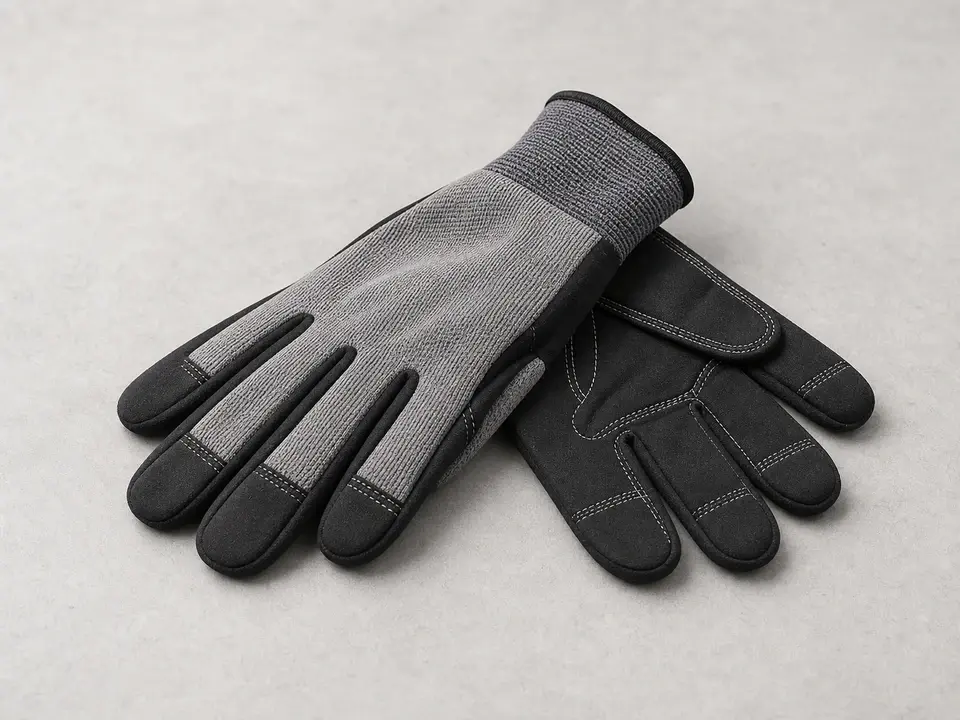
Work gloves
Use it for: Protects your hands from sharp metal edges, buried debris, and dirty water around the downspout area.
Shop work glovesTo replace an exterior drainage downspout extension, confirm the old extension is cracked, crushed, disconnected, or too short, remove it from the downspout outlet, fit a matching replacement, and test it with water to make sure runoff is carried away from the house.
This is a straightforward yard drainage repair for most homeowners. The goal is simple: keep roof runoff from dumping next to the foundation, walkway, or planting bed. Take a minute to match the size and connection style before you buy the replacement, and test the new setup before you call it done.
Before you start: Match the replacement part to your exact exterior drainage before ordering.
Use it for: Protects your hands from sharp metal edges, buried debris, and dirty water around the downspout area.
Shop work gloves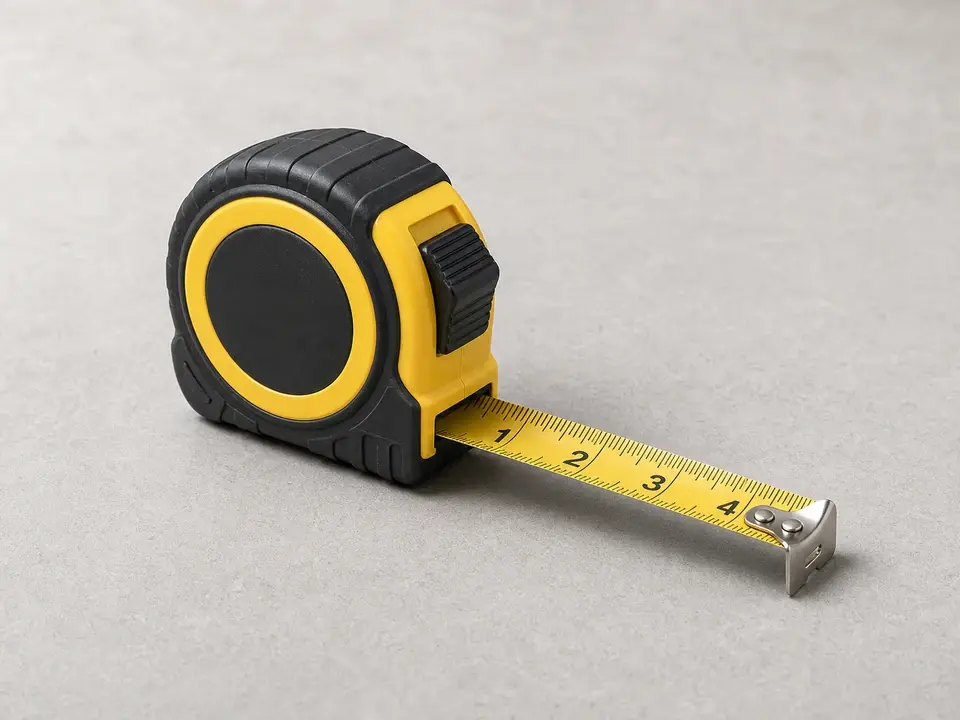
Use it for: Helps you match the extension width and length so the replacement fits the existing downspout and reaches far enough away from the house.
Shop tape measures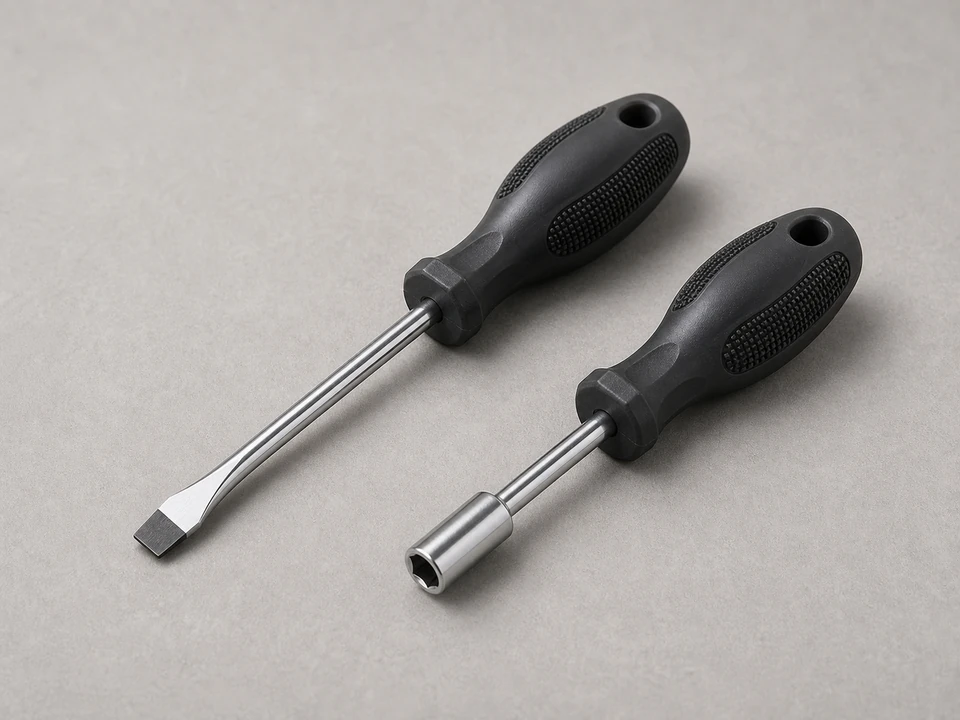
Use it for: Useful for loosening clamps, screws, or straps holding the old extension in place.
Shop screwdrivers and nut drivers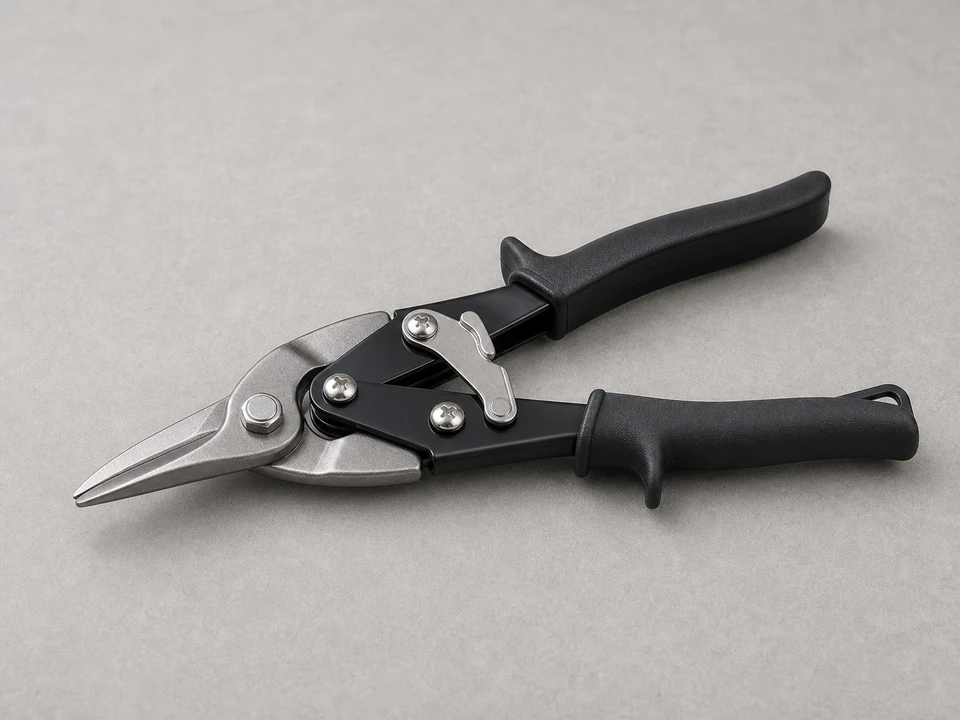
Use it for: Helps trim light metal pieces if the connection needs minor adjustment around a metal downspout outlet.
Shop tin snips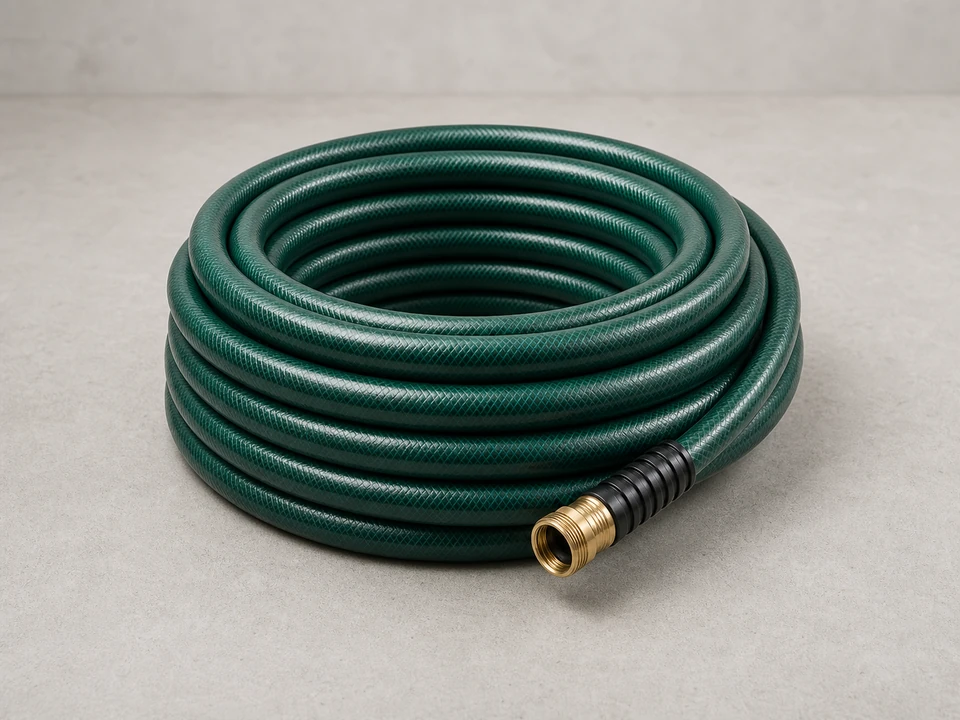
Use it for: Lets you run a controlled water test after installation to confirm the new extension carries water away properly.
Shop garden hoses
Use it for: Helps keep a flexible extension from shifting out of place during heavy rain or mowing.
Shop drainage stakes and anchorsAs an Amazon Associate I earn from qualifying purchases. Repair Riot may earn a commission at no extra cost to you.
If it works: You have confirmed the extension is the failed part and you know the size and connection style to replace.
If it doesn’t: If water is overflowing from higher up, clear the gutter or downspout first before replacing the extension.
If it works: The old extension is off and the downspout outlet is exposed without extra damage.
If it doesn’t: If the extension will not come off cleanly, remove any remaining fastener and wiggle the joint instead of forcing the downspout sideways.
If it works: The outlet is clean, usable, and pointed toward a clear drainage path away from the house.
If it doesn’t: If the outlet shape is too distorted for the new extension to fit, repair or replace the damaged downspout section before continuing.
If it works: The new extension is attached securely, aligned well, and aimed to carry water away from the home.
If it doesn’t: If the fit is loose, recheck the outlet size and connection style before forcing the wrong replacement part to work.
If it works: The extension is supported, stable, and positioned so normal yard use is less likely to knock it loose.
If it doesn’t: If the extension keeps moving out of place, add another anchor point or switch to a more rigid style that better suits the area.
If it works: Water moves through the new extension cleanly, the connection stays tight, and runoff ends up farther from the house.
If it doesn’t: If water still pools near the home, lengthen the run, improve the slope at the discharge area, or inspect for a larger drainage problem.
Match the replacement part to your exact exterior drainage before ordering.
As an Amazon Associate I earn from qualifying purchases. Repair Riot may earn a commission at no extra cost to you.
Far enough that runoff does not soak the soil right next to the foundation. The exact distance depends on your yard slope and drainage, but the goal is to move water well away from the house and confirm it does not flow back.
Yes, if they are not rusted, stripped, or bent. If the old hardware no longer holds the extension tightly, replace it so the connection does not blow apart in heavy rain.
Use the style that best matches your layout. Flexible extensions are easier to route around beds and corners. Rigid extensions usually hold their shape better and are less likely to sag or kink.
The extension may still be too short, the discharge area may slope back toward the house, or the downspout or buried drain may be partially blocked. The extension only works if water can keep moving away after it exits.
Usually a properly matched extension with the right fastener or clamp is enough. If the fit is sloppy, the better fix is to get the correct size rather than relying on sealant to make the wrong part work.