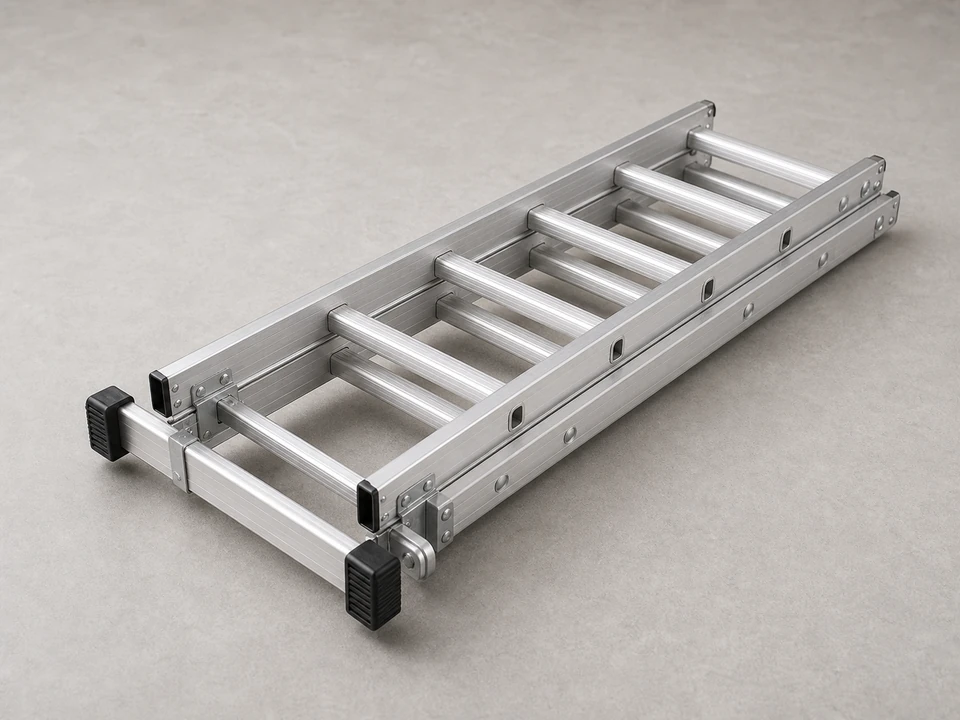
Extension ladder
Use it for: To safely reach the strap location on the wall.
Shop extension laddersTo install a downspout strap, pull the downspout back into its normal position, mark a solid fastening point on the wall, attach the strap without crushing the pipe, and then check that the downspout stays tight when water runs through it.
A downspout strap keeps the pipe from pulling away from the house, rattling in wind, or separating at the elbows and seams. The job is usually straightforward, but it only holds if you fasten into solid backing and place the strap where it actually supports the run.
Before you start: Match the strap style and size to your downspout shape and dimensions so it wraps or anchors correctly without crushing the metal or vinyl. Stop if the repair becomes unsafe or unclear.
Use it for: To safely reach the strap location on the wall.
Shop extension ladders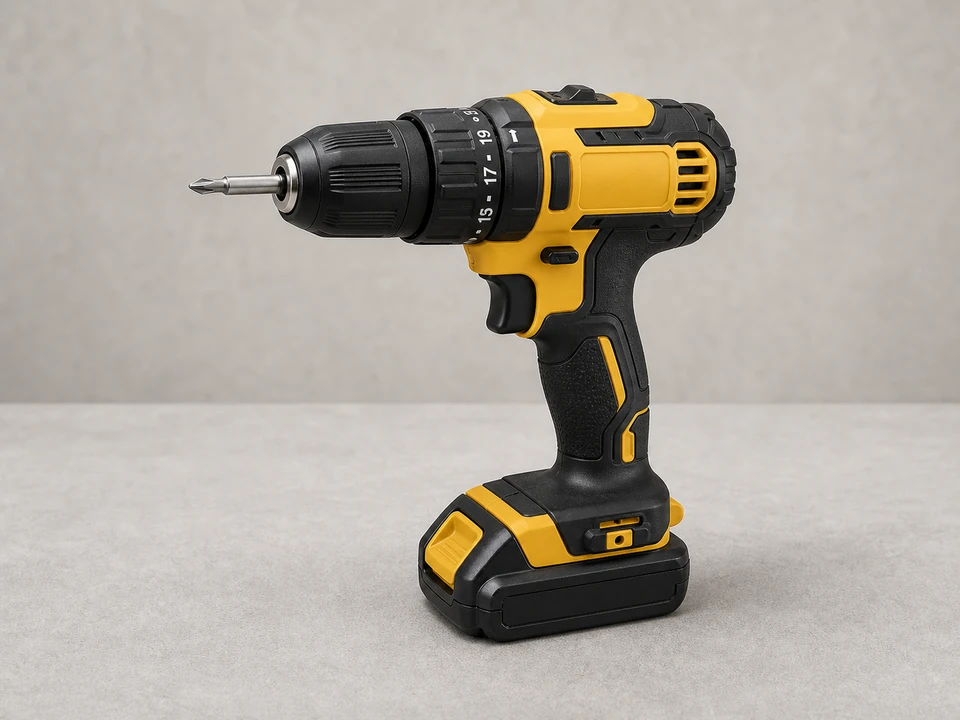
Use it for: To drive the mounting screws and make a pilot hole if needed.
Shop drill drivers
Use it for: To make pilot holes sized for the screws and wall material.
Shop drill bit sets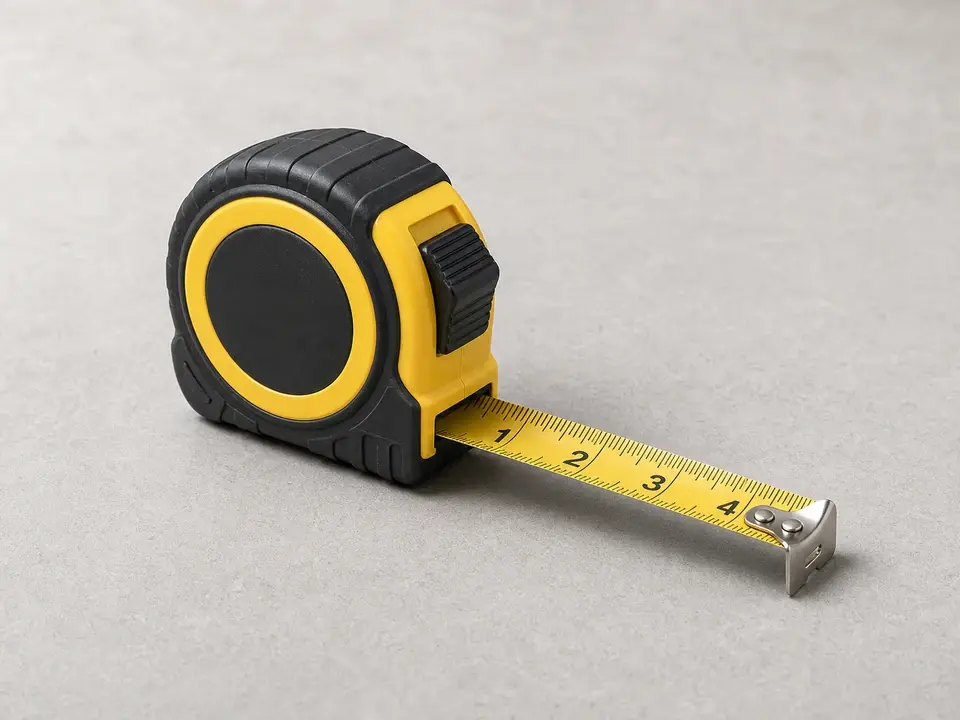
Use it for: To place the strap at a useful height and keep the downspout aligned.
Shop tape measures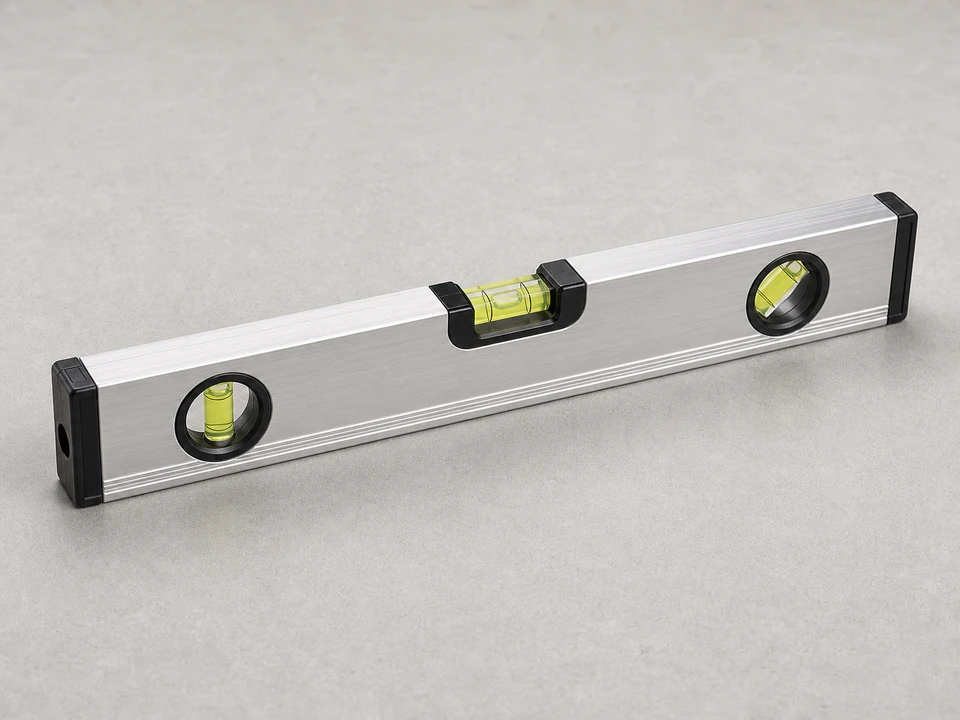
Use it for: To check that the downspout sits straight before fastening it.
Shop levels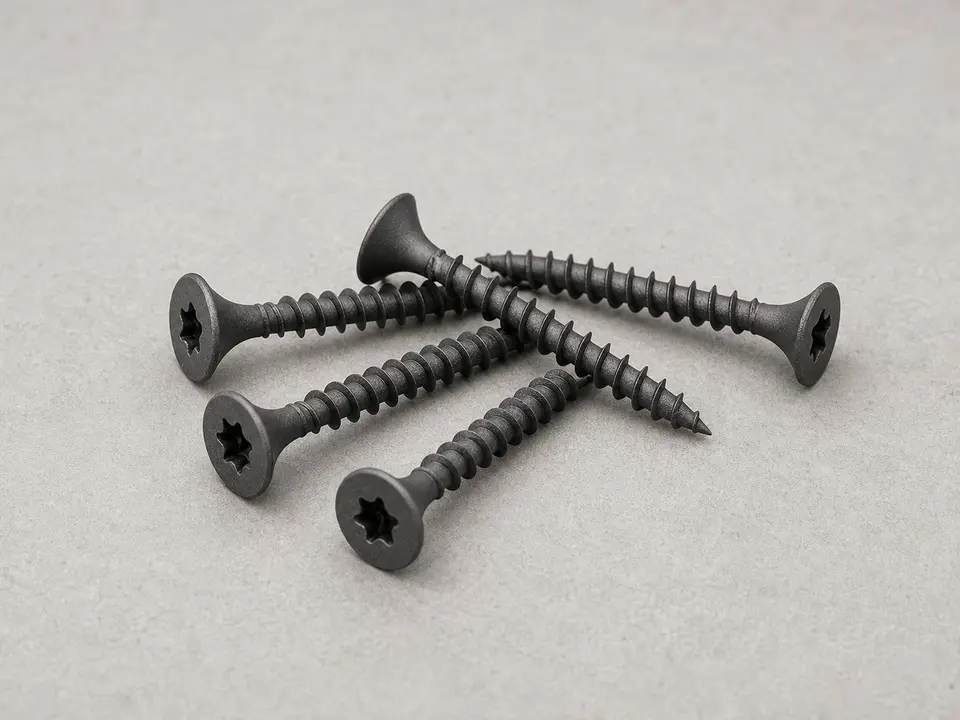
Use it for: To fasten the strap with hardware that holds up outdoors.
Shop exterior screwsAs an Amazon Associate I earn from qualifying purchases. Repair Riot may earn a commission at no extra cost to you.
If it works: You have a loose or unsupported downspout, and there is a solid place nearby to anchor a strap.
If it doesn’t: If the downspout is crushed, split, badly rusted, or missing sections, repair or replace those parts before adding a strap.
If it works: The downspout is back in its normal position, and you have a marked spot where the strap will hold it securely.
If it doesn’t: If the pipe will not line up because an elbow or joint is twisted, correct that connection first so the strap is not forced to do all the alignment work.
If it works: The mounting point is marked and prepped so the screw can go in cleanly and hold.
If it doesn’t: If the pilot hole misses solid backing, move the strap slightly and remark the location rather than relying on a weak fastener.
If it works: The strap is tight enough to stop movement, and the downspout stays aligned without being pinched.
If it doesn’t: If the strap pulls the pipe crooked, loosen it, realign the downspout, and retighten with the pipe held straight.
If it works: The downspout feels supported, the joints stay seated, and the outlet still drains in the right direction.
If it doesn’t: If one section still moves too much, add support at another solid point rather than overtightening a single strap.
If it works: The downspout stays secure during water flow, the joints remain together, and drainage works normally.
If it doesn’t: If the downspout still shifts under water load, add another properly placed strap or correct the loose joint that is letting the run move.
As an Amazon Associate I earn from qualifying purchases. Repair Riot may earn a commission at no extra cost to you.
Place it where it supports the run well and can fasten into solid backing. Avoid putting it right on a loose seam or where it interferes with an elbow connection.
Tight enough to stop wobble and keep the pipe against the wall, but not so tight that it dents, crushes, or twists the downspout.
That is usually not the best hold. A strap lasts better when it fastens into solid wood, framing, masonry, or another firm backing behind the surface.
Sometimes. A taller run or a section that still moves after one strap often needs another support point instead of one overly tight strap.
Move the strap to a nearby solid spot or use a proper anchor for the wall material. Reusing a weak hole usually leads to the same failure again.