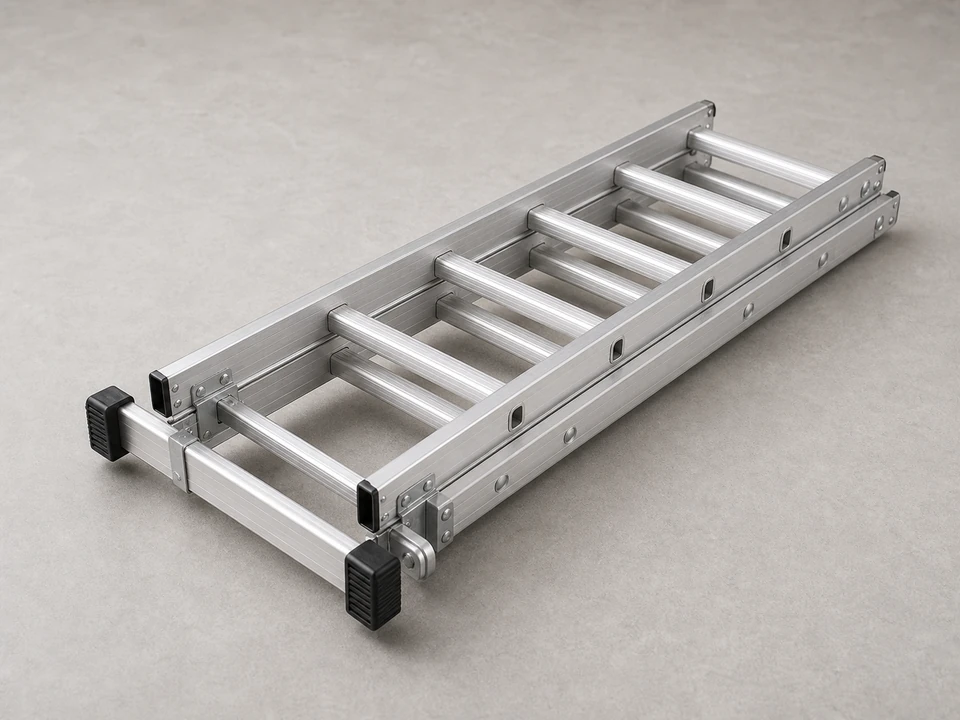
Extension ladder
Use it for: To safely reach the strap location on the wall.
Shop extension laddersTo replace a downspout pipe strap, confirm the downspout itself is still usable, remove the failed strap and loose fasteners, install a matching new strap into solid backing, then check that the downspout sits straight and stays tight when you tug on it lightly.
A downspout pipe strap keeps the downspout from pulling away from the house in wind and heavy runoff. This repair is usually straightforward, but it only lasts if the new strap fits the downspout and the screws bite into something solid instead of loose siding or rotted trim.
Before you start: Match the downspout shape and size, the strap style, and the fastener type that works with your siding or wall surface before ordering.
Use it for: To safely reach the strap location on the wall.
Shop extension ladders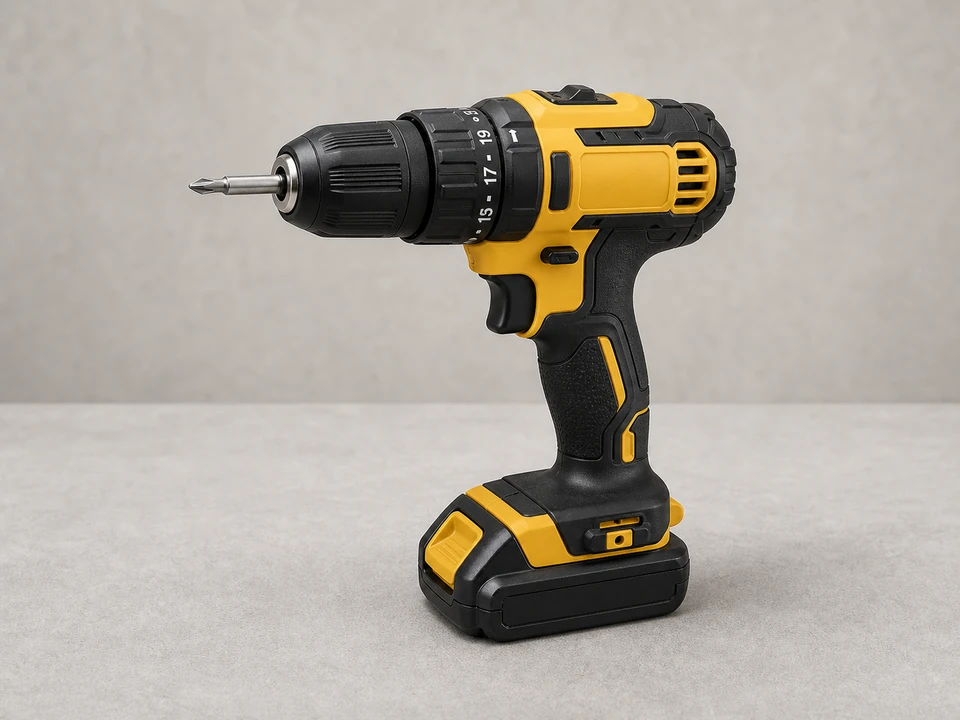
Use it for: To remove old screws and drive the new fasteners.
Shop drill drivers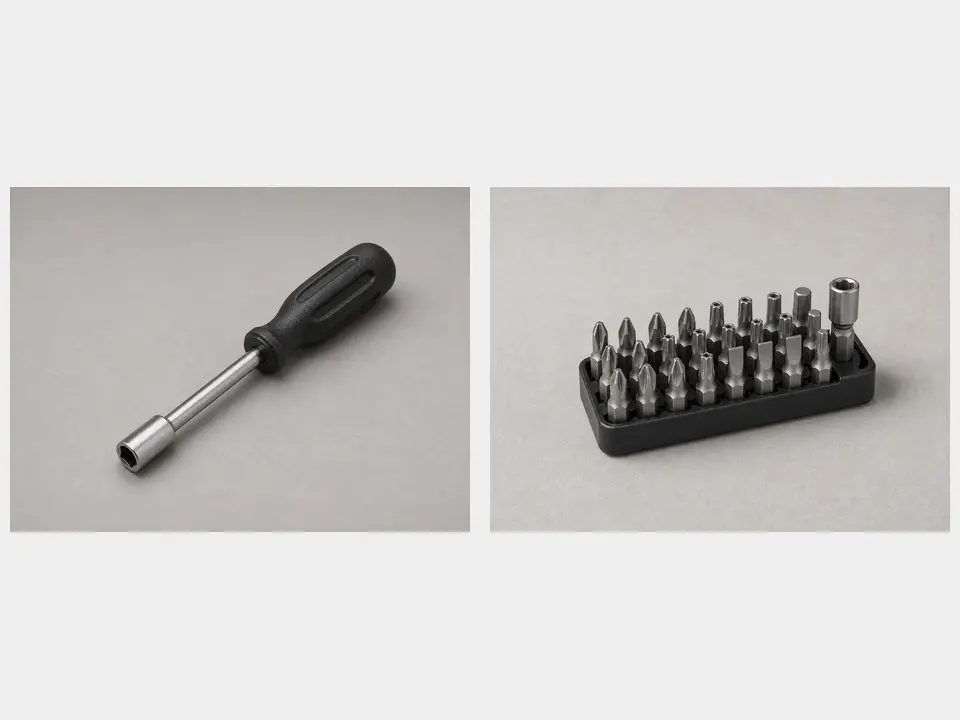
Use it for: To match the screw heads used on the old and new strap.
Find driver bits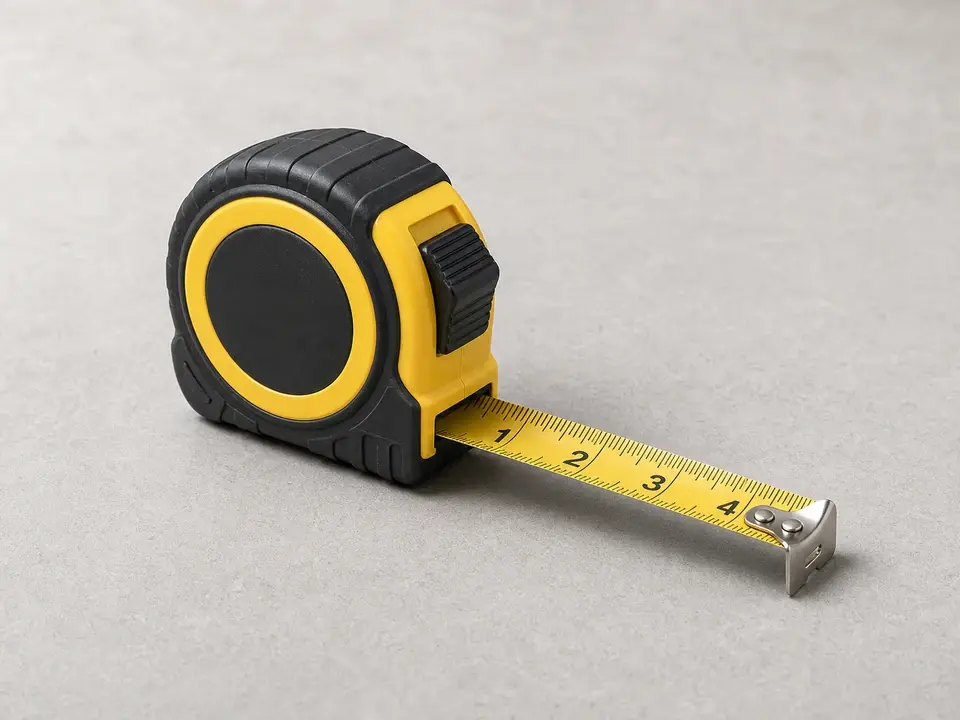
Use it for: To measure the downspout so you buy the right strap size.
Shop tape measures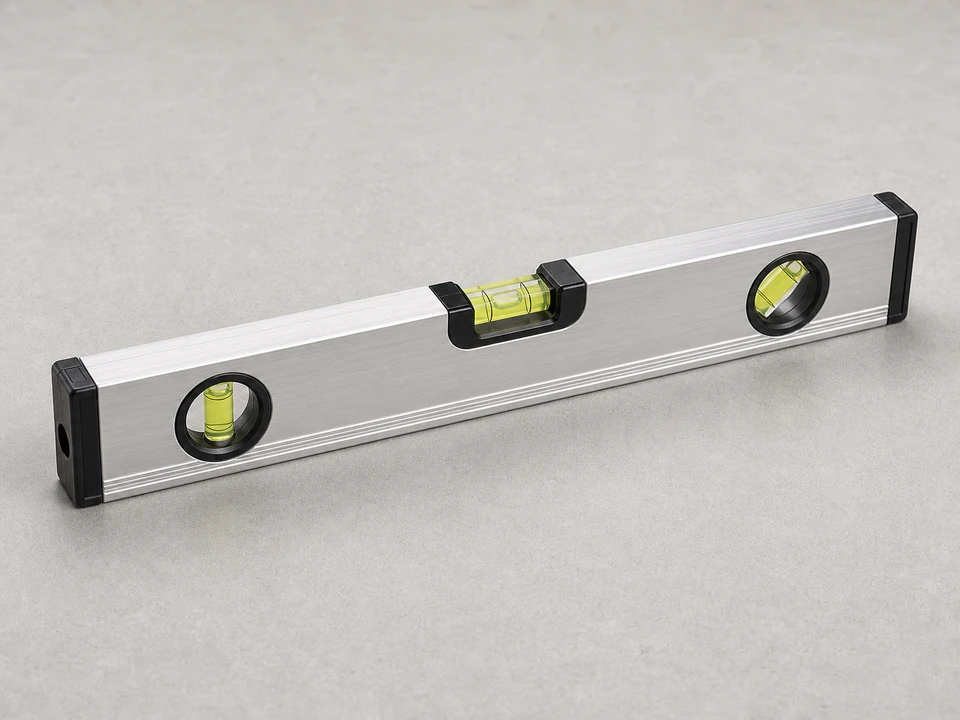
Use it for: To help keep the downspout straight before tightening the strap.
Find a small level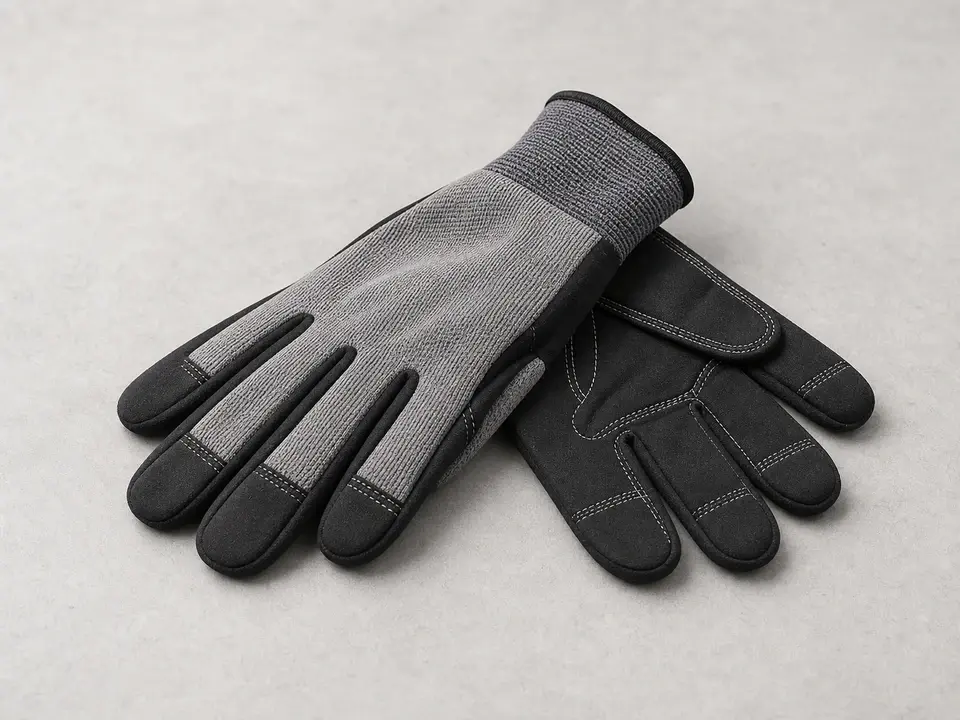
Use it for: To protect your hands from sharp metal edges on the downspout and strap.
Shop work glovesAs an Amazon Associate I earn from qualifying purchases. Repair Riot may earn a commission at no extra cost to you.
If it works: You confirmed the downspout pipe strap or its fasteners failed, and the downspout can still be secured in place.
If it doesn’t: If the downspout is badly crushed, split, or torn at multiple joints, repair or replace the damaged downspout sections before replacing the strap.
If it works: You have a matching downspout pipe strap and the tools and fasteners needed to mount it securely.
If it doesn’t: If you are unsure of the size, measure the downspout width and depth and compare that to the replacement listing before buying.
If it works: The old strap is off, the area is clean, and you have a solid mounting spot ready for the new strap.
If it doesn’t: If the old holes are still solid and line up well, you can often reuse them with the correct fasteners.
If it works: The new strap is installed firmly, and the downspout sits straight against the wall without obvious play.
If it doesn’t: If the downspout shifts while tightening, loosen the strap slightly, realign the pipe, and retighten evenly.
If it works: The downspout is supported along its run and the new strap is part of a stable setup, not a temporary hold.
If it doesn’t: If other straps are failing too, replace them before the next heavy rain so the downspout does not pull loose again.
If it works: The downspout stays secure against the wall during normal movement and water flow, and the new strap remains tight.
If it doesn’t: If the downspout still pulls away, add or replace additional straps as needed and correct any damaged wall backing that is letting the fasteners loosen.
Match the downspout shape and size, the strap style, and the fastener type that works with your siding or wall surface before ordering.
As an Amazon Associate I earn from qualifying purchases. Repair Riot may earn a commission at no extra cost to you.
Measure the downspout shape and size first. Most are rectangular, such as 2x3 or 3x4, but round downspouts need a different strap. The replacement should match the profile closely so it holds the pipe without crushing it.
Yes, if the holes are still solid and the screws tighten firmly. If the old holes are stripped or the material is weak, move the strap slightly to reach sound backing.
That usually means the fasteners are not biting into solid material, or the wall surface behind the strap is damaged. Fix the backing first or move the strap to a stronger mounting point.
If one strap failed from rust or age, check the others closely. Replacing only the bad one is fine if the rest are still solid, but multiple weak straps should be replaced together.
No. The strap should be snug enough to hold the downspout still, but not so tight that it dents the metal or twists the pipe out of alignment.