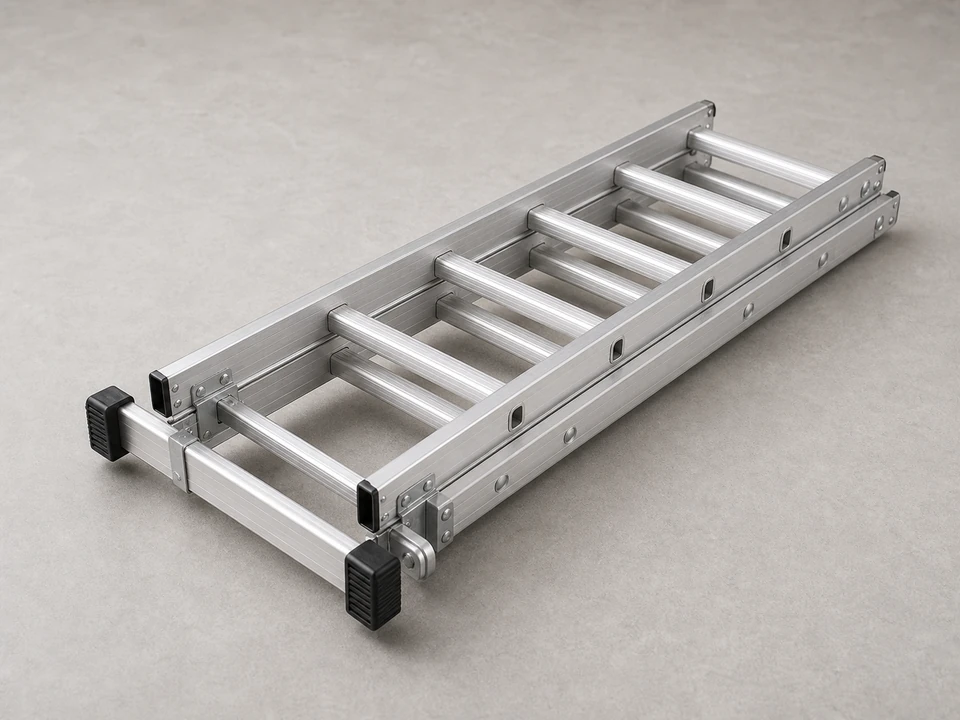
Extension ladder
Use it for: To safely reach the strap and work at a stable height.
Shop extension laddersTo secure a downspout strap, tighten or replace the loose fasteners, reposition the strap onto solid backing if needed, and make sure the downspout sits straight against the wall without wobbling.
A loose strap lets the downspout rattle, pull away from the house, and eventually leak at the joints. This is usually a simple fix if the wall behind the strap is still solid and the downspout is not bent out of shape.
Before you start: Match the strap style and size to your downspout shape and width before ordering, and make sure the fastener holes will land on solid backing. Stop if the repair becomes unsafe or unclear.
Use it for: To safely reach the strap and work at a stable height.
Shop extension ladders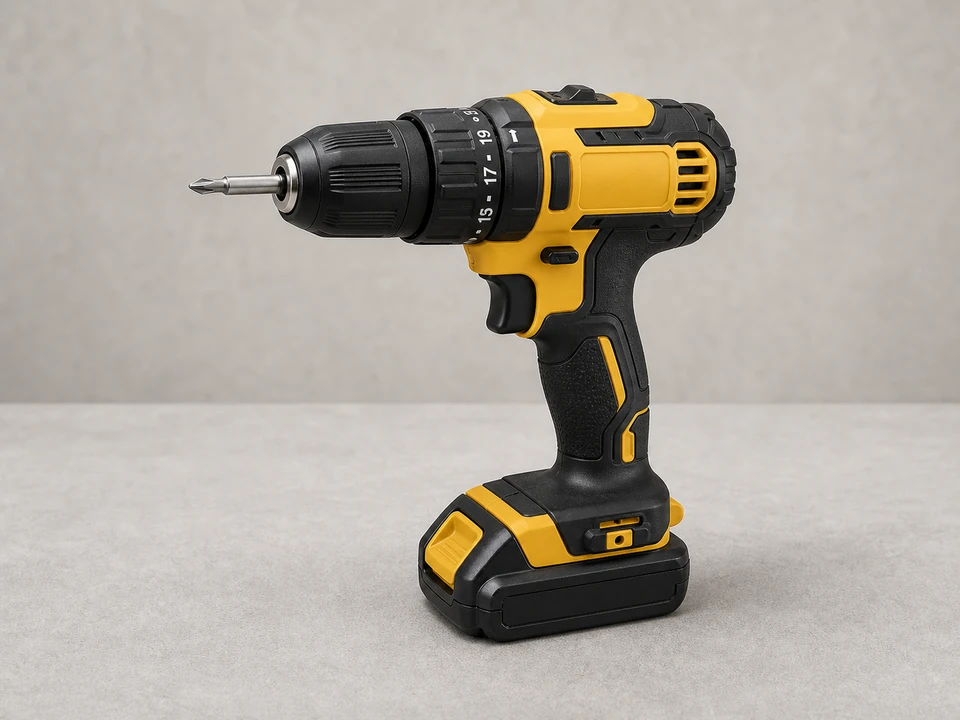
Use it for: To remove loose screws and drive new fasteners.
Shop drill drivers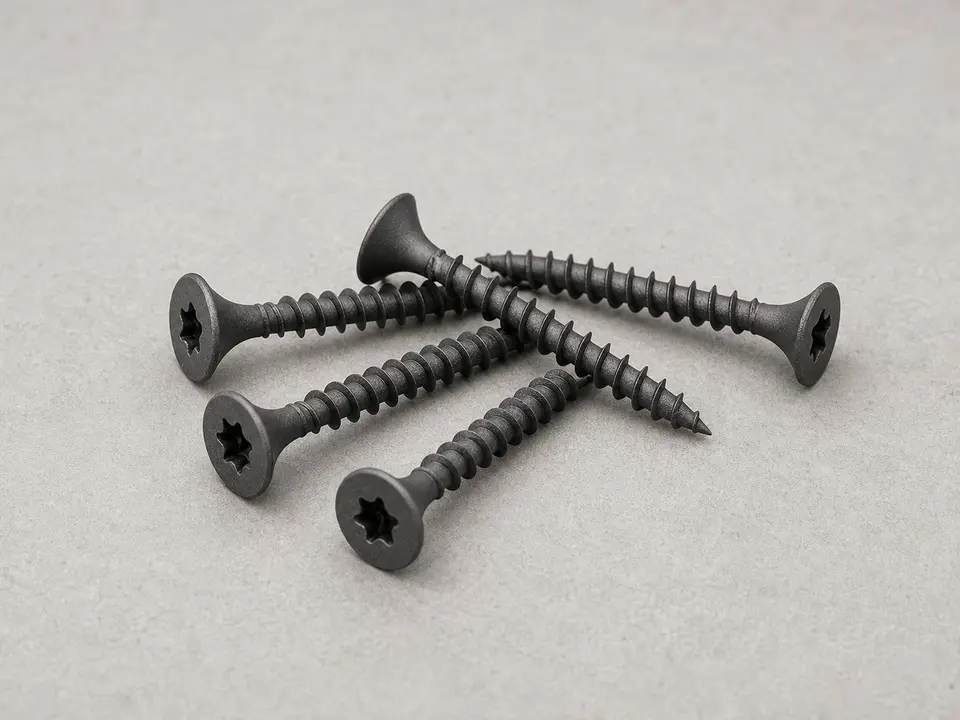
Use it for: To replace rusted or stripped fasteners with ones that hold better outdoors.
Shop exterior screws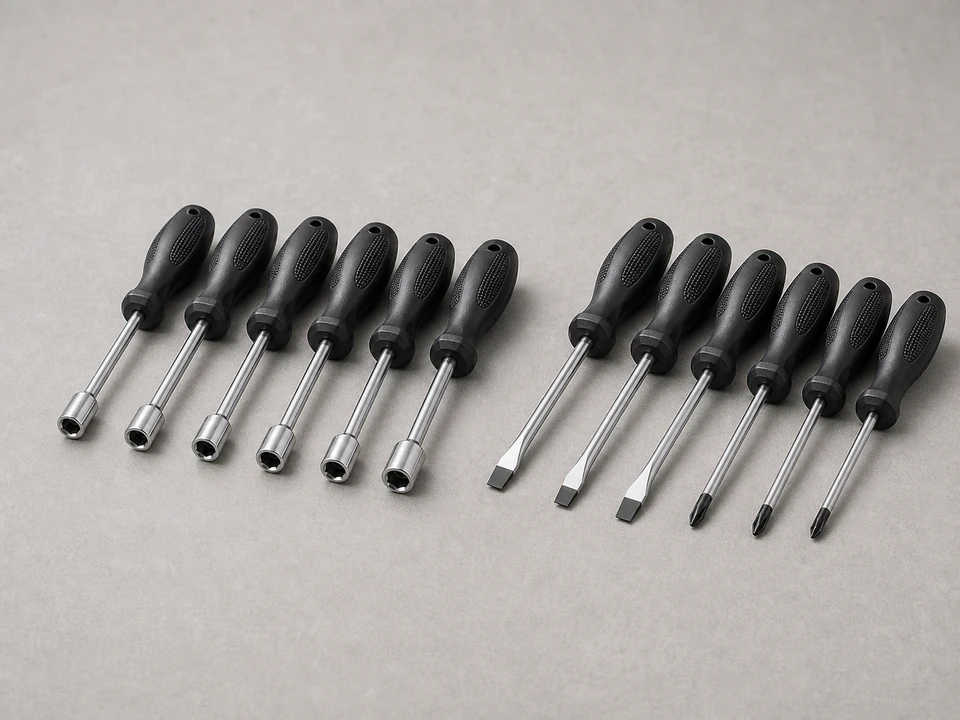
Use it for: To tighten existing strap hardware depending on the fastener head.
Shop screwdriver and nut driver sets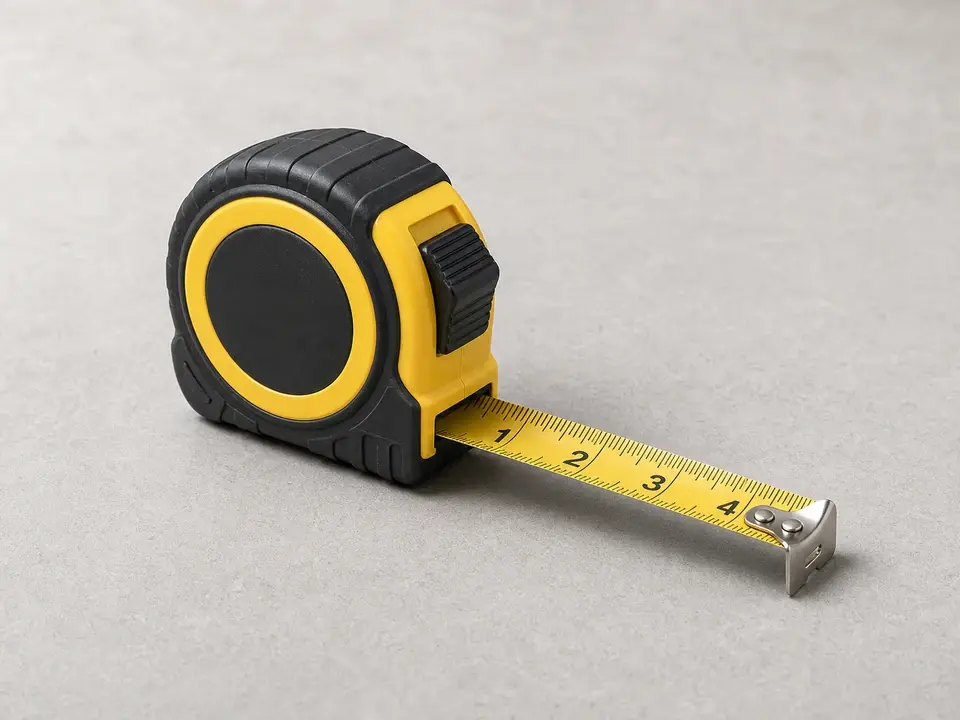
Use it for: To check strap position and confirm the replacement strap fits the downspout.
Shop tape measures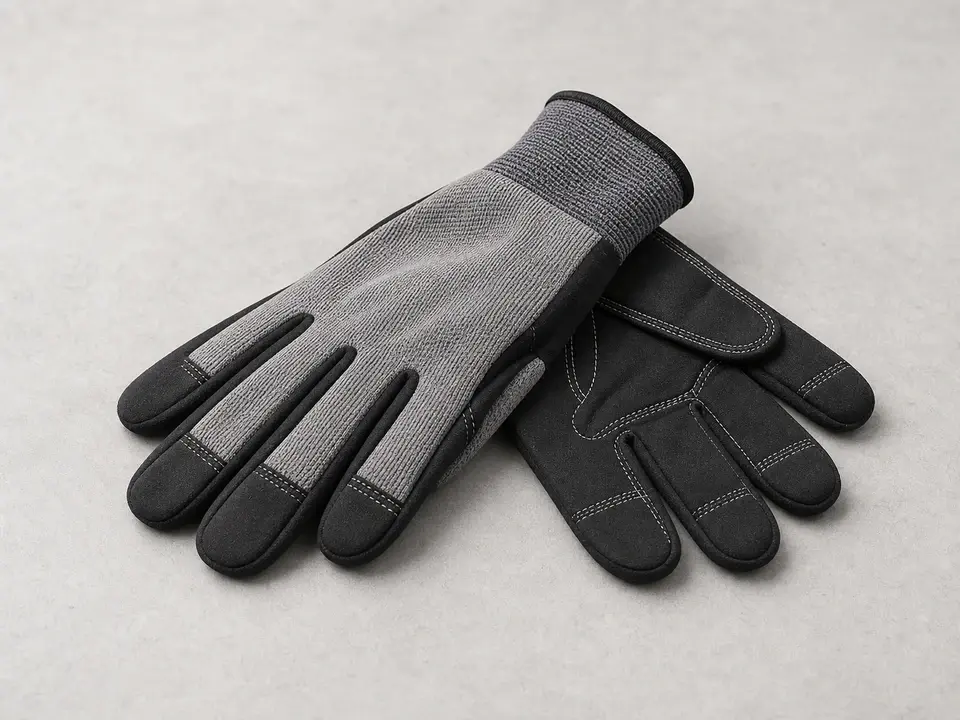
Use it for: To protect your hands from sharp metal edges on the downspout and strap.
Shop work glovesAs an Amazon Associate I earn from qualifying purchases. Repair Riot may earn a commission at no extra cost to you.
If it works: You found a loose or failed strap connection and the downspout itself is still usable.
If it doesn’t: If the downspout is badly bent, split, or disconnected at multiple joints, fix those problems first before securing the strap.
If it works: The downspout is supported, the strap area is easy to reach, and you can work without the pipe pulling away.
If it doesn’t: If the downspout keeps dropping or twisting out of place, add temporary support from below or have another person steady it while you fasten the strap.
If it works: You know whether the original fastener and strap can be reused or need replacement.
If it doesn’t: If the old hole is stripped but the strap is still good, move the fastener slightly to one side into solid backing or use a better holding point nearby.
If it works: The strap is firmly attached and the downspout is held straight against the house.
If it doesn’t: If the strap still feels loose, remove it and shift to a nearby solid mounting point or replace the strap with one that fits the downspout better.
If it works: The downspout is secure, aligned, and not stressing the nearby joints.
If it doesn’t: If a joint has opened up, reconnect or refasten that section before relying on the strap repair alone.
If it works: The downspout stays tight to the wall, drains normally, and the strap remains secure after real movement and water flow.
If it doesn’t: If the strap loosens again, move it to solid backing or replace additional failed straps so the downspout is supported along the full run.
As an Amazon Associate I earn from qualifying purchases. Repair Riot may earn a commission at no extra cost to you.
Yes, if the screw still bites into solid material and the strap is not damaged. If the screw spins or pulls out easily, use a new fastening point or replace the fastener.
Tight enough to stop movement, but not so tight that it dents or crushes the downspout. The pipe should sit snugly against the wall and still keep its shape.
If you can bend it back so it wraps the downspout evenly and still holds flat, you may be able to reuse it. Replace it if it is cracked, badly rusted, or no longer fits the pipe securely.
The usual causes are a stripped fastener hole, weak material behind the strap, a poor strap location, or extra movement from a bent or clogged downspout. Fix the holding surface and any root cause, not just the screw.
It is better to fasten into solid backing. Loose or damaged siding often will not hold the strap for long, especially in wind or when the downspout is full of water.