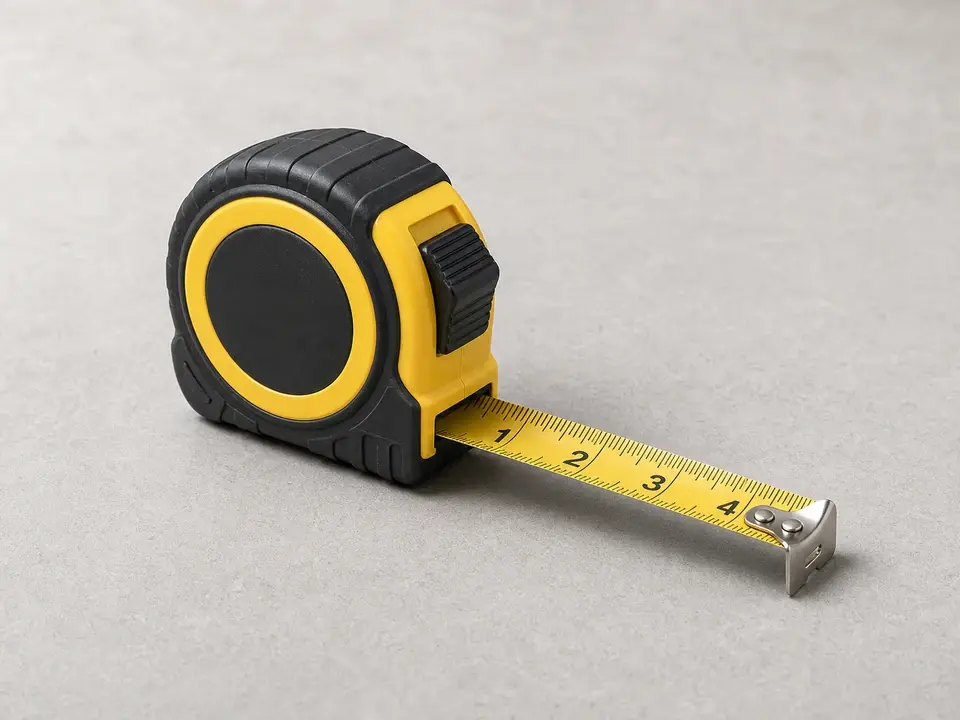
Tape measure
Use it for: To measure the pipe run so you buy and place the correct cable length.
Shop tape measuresTo install self regulating pipe heating cable, first confirm the pipe is exposed, intact, and actually freeze-prone. Then clean and dry the pipe, route the cable exactly as its instructions allow, secure it without crushing it, insulate the pipe, and test that the cable powers up and stays in place during normal use.
This job is usually straightforward, but it mixes electricity, water lines, and cold-weather protection. The goal is to warm a vulnerable section of pipe before it freezes, not to wrap cable randomly and hope for the best. A careful layout and a good final test matter more than speed.
Before you start: Match the replacement cable or tape to the pipe material, protected run length, voltage, thermostat or plug style, and approved installation method before ordering. Stop if the repair becomes unsafe or unclear.
Use it for: To measure the pipe run so you buy and place the correct cable length.
Shop tape measures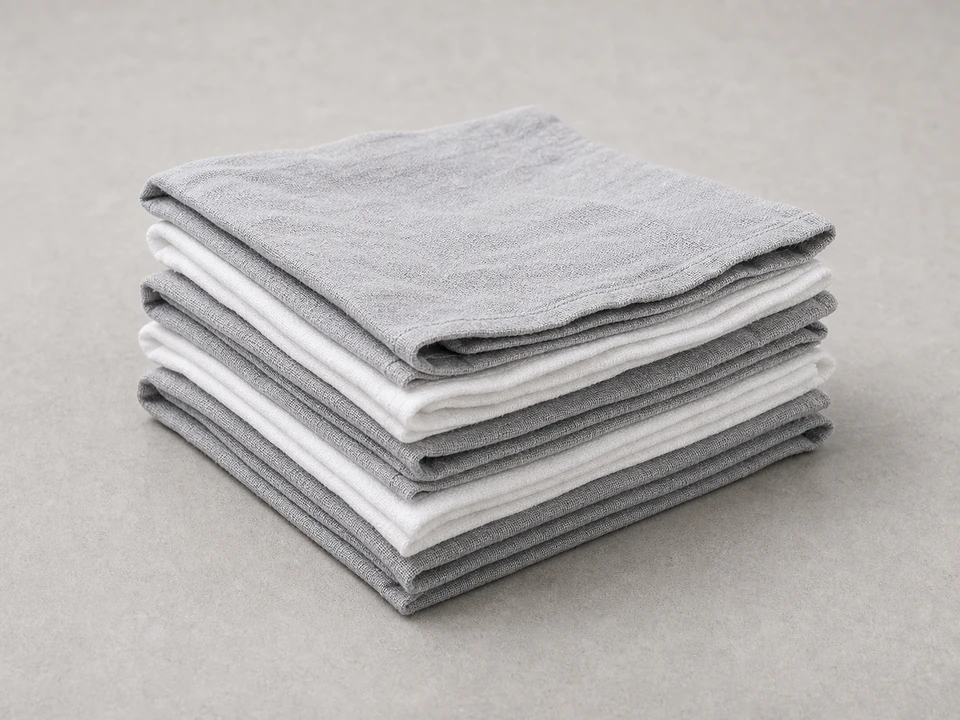
Use it for: To wipe dirt and moisture off the pipe before installing the cable and insulation.
Shop cleaning rags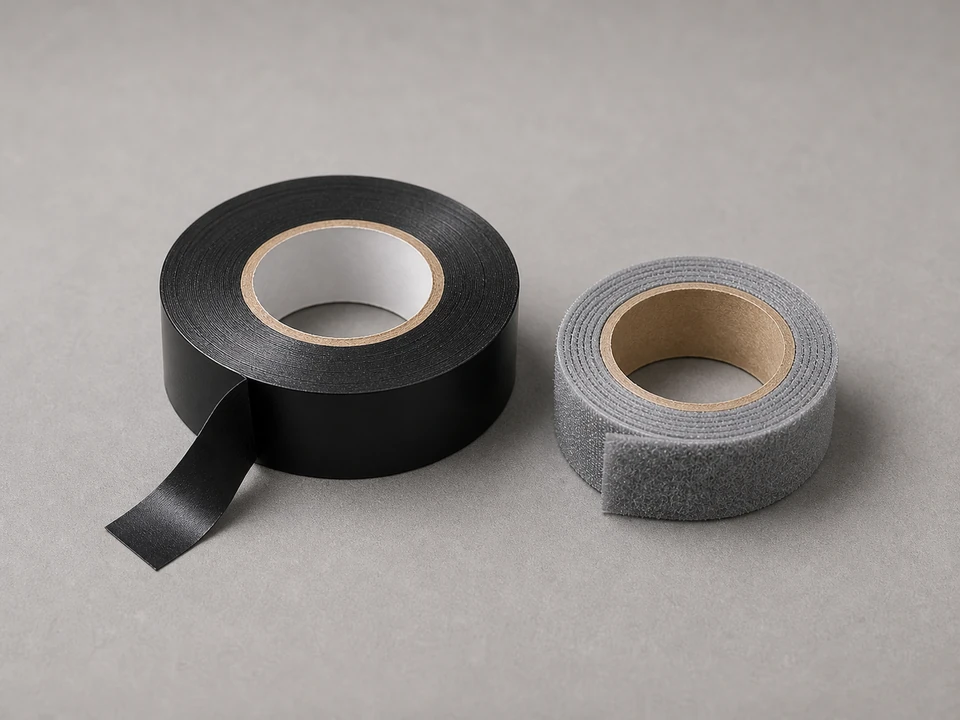
Use it for: To secure the heating cable to the pipe without damaging it.
Shop electrical tape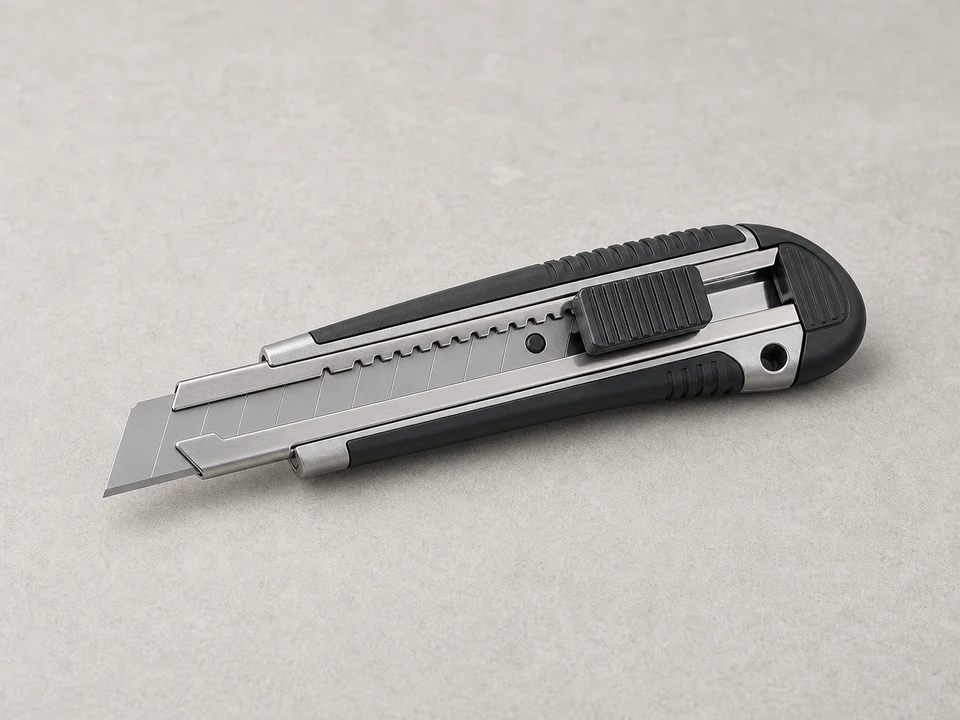
Use it for: To trim insulation or open packaging cleanly.
Shop utility knives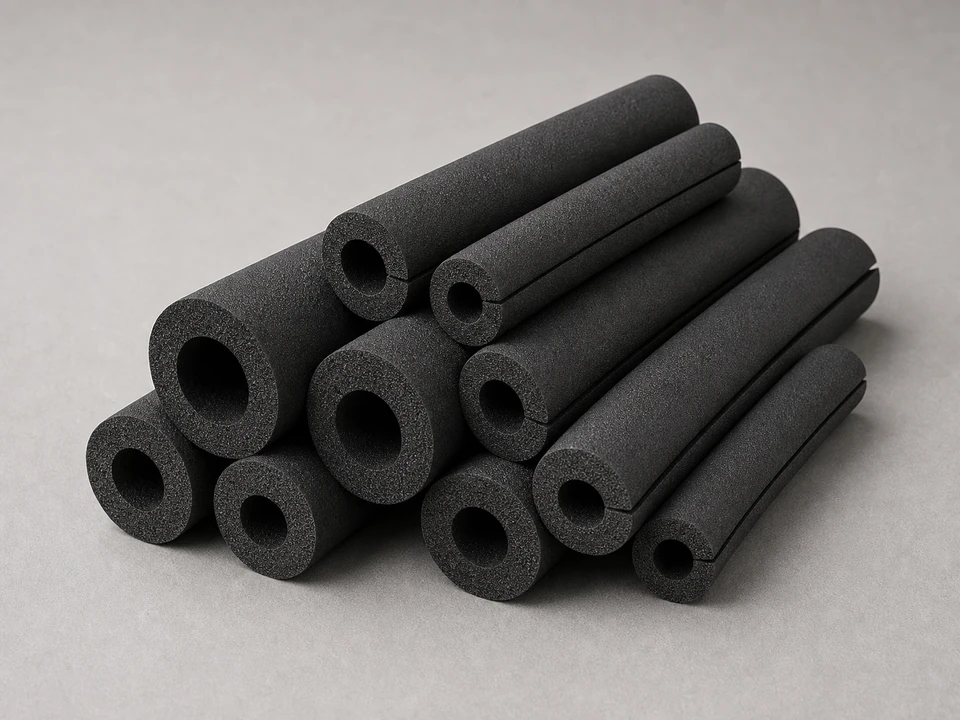
Use it for: To hold heat around the pipe so the cable can protect it more effectively.
Shop pipe insulation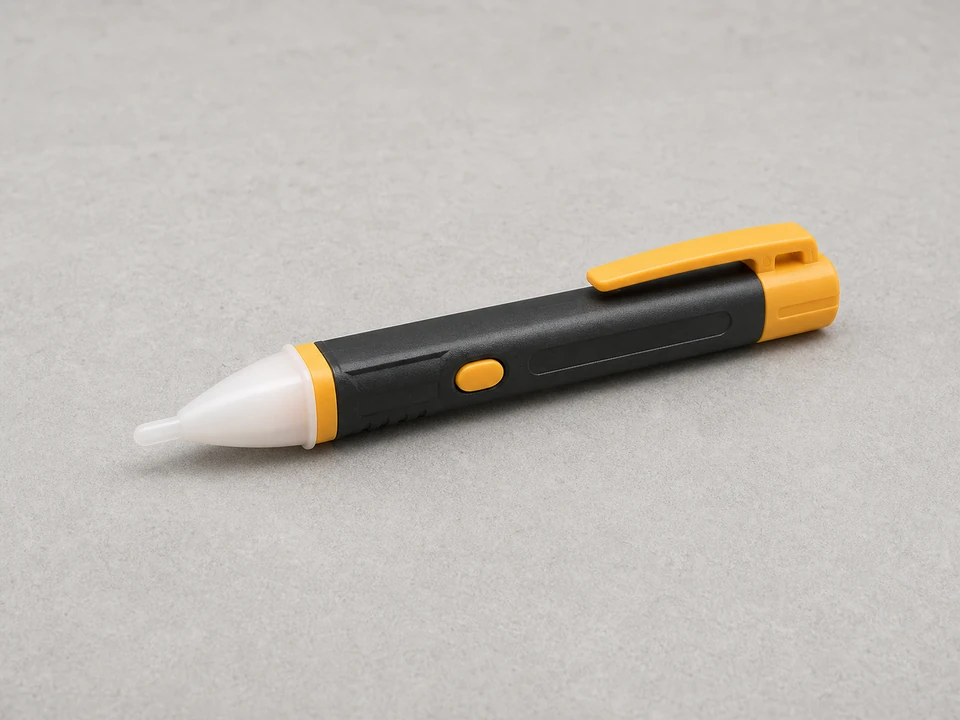
Use it for: To check that the outlet you plan to use is live before testing the cable.
Shop non-contact voltage testersAs an Amazon Associate I earn from qualifying purchases. Repair Riot may earn a commission at no extra cost to you.
If it works: You have an exposed, intact, freeze-prone pipe, a compatible heating cable, and a measured run to protect.
If it doesn’t: If the pipe is hidden inside a wall, already leaking, or the cable is not approved for this use, stop and correct that issue before installing anything.
If it works: The pipe is clean, dry, and ready for the cable to sit flat along the protected run.
If it doesn’t: If the pipe keeps sweating or dripping, dry it again and fix the moisture source first so the cable and insulation are not installed over a wet problem.
If it works: The cable follows the pipe neatly, covers the vulnerable section, and is routed without overlap or sharp stress points.
If it doesn’t: If the cable is too short, do not stretch it or leave the coldest section uncovered. Get the correct length and reroute it cleanly.
If it works: The cable is firmly attached, evenly supported, and still routed correctly from end to end.
If it doesn’t: If the cable slips or lifts off the pipe, add more approved tape and reset the run before covering it with insulation.
If it works: The pipe and cable are insulated, protected from drafts, and still accessible where they need to be.
If it doesn’t: If the insulation will not close without squeezing the cable hard, use insulation sized for the finished pipe diameter and reinstall it.
If it works: The cable is powered, the pipe stays protected in cold conditions, and the installation holds up in normal use.
If it doesn’t: If the pipe still freezes or the cable does not energize, unplug it and recheck cable length, routing, outlet power, and whether the product is appropriate for that pipe and location.
Not automatically. The cable has to be approved for the pipe material and the way you plan to install it. Check the product instructions before putting it on metal or plastic pipe.
Usually yes. The cable adds heat, but insulation helps keep that heat around the pipe so the system can actually protect the line in cold weather.
Only if the product instructions specifically allow that layout. Do not overlap or bunch the cable just to use extra length. That can create an unsafe installation.
Inspect it carefully before installing the cable. A pipe that has already frozen may be cracked or weakened, and heating cable will not fix a damaged pipe.
Many self-regulating products are designed for seasonal freeze protection, but you should still follow the product instructions and inspect the cable periodically for damage, loose insulation, or moisture problems.