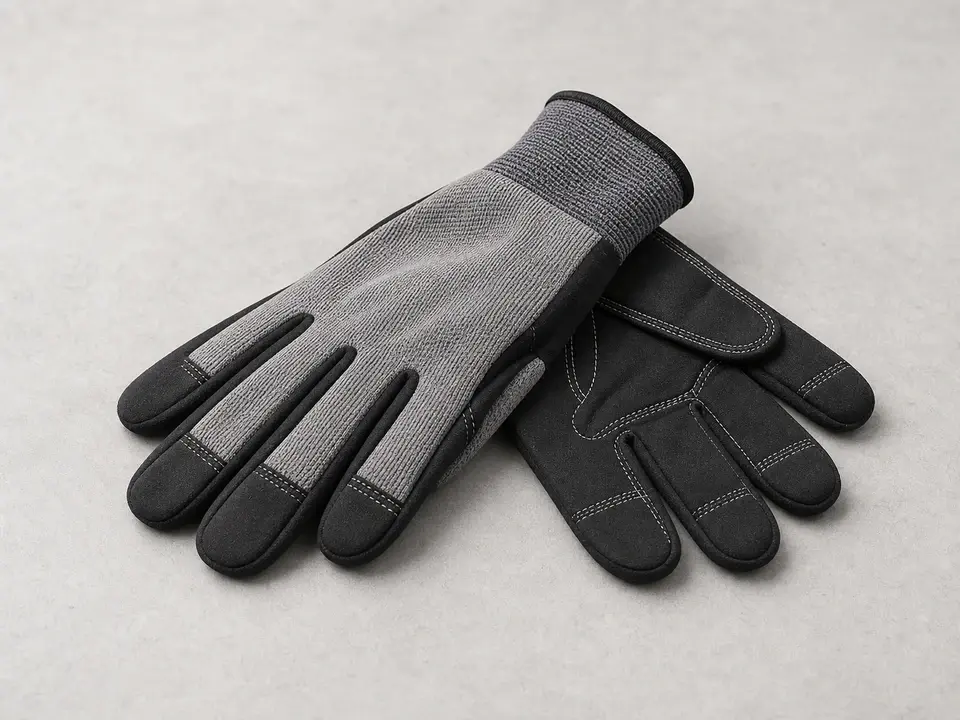
Work gloves
Use it for: Protects your hands while removing old tape, insulation, and cable.
Shop work glovesIf the old heat cable is damaged, no longer warming, or has tripped repeatedly, replacing it can restore freeze protection to a vulnerable shower supply line.
This job is mostly careful prep, removing the old cable without damaging the pipe, and installing the new cable the way its instructions allow. Work only on a dry, accessible line, and stop if you find leaking pipe damage or unsafe wiring.
Before you start: Match the cable length, voltage, plug style or hardwire setup, and whether it is approved for your pipe material and insulation method before ordering.
Use it for: Protects your hands while removing old tape, insulation, and cable.
Shop work gloves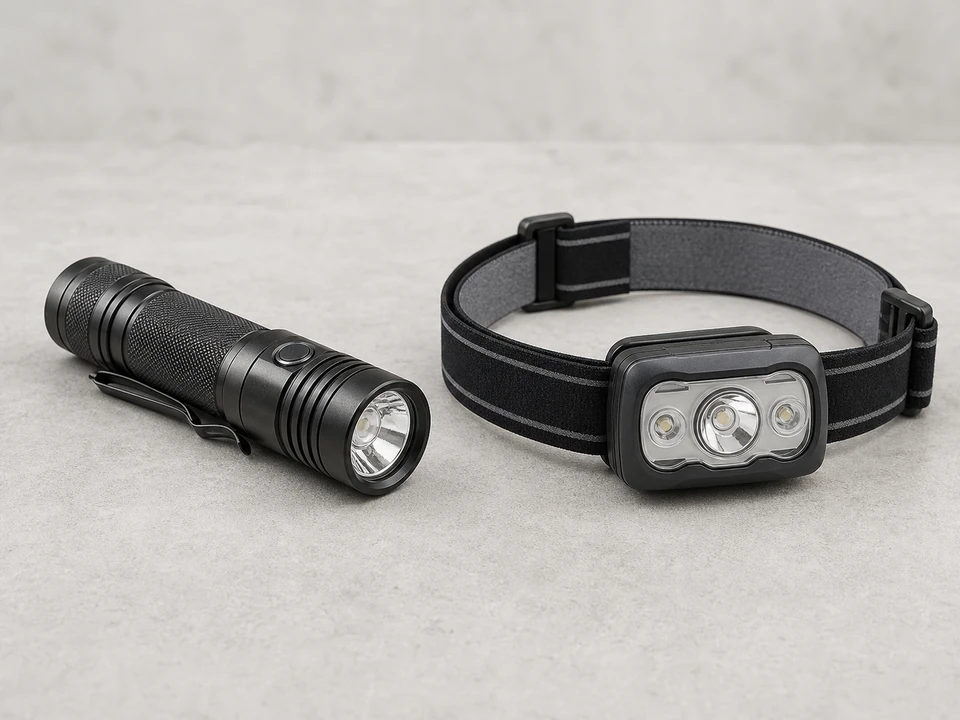
Use it for: Helps you inspect the full pipe run and spot damaged insulation or wet areas.
Shop headlamps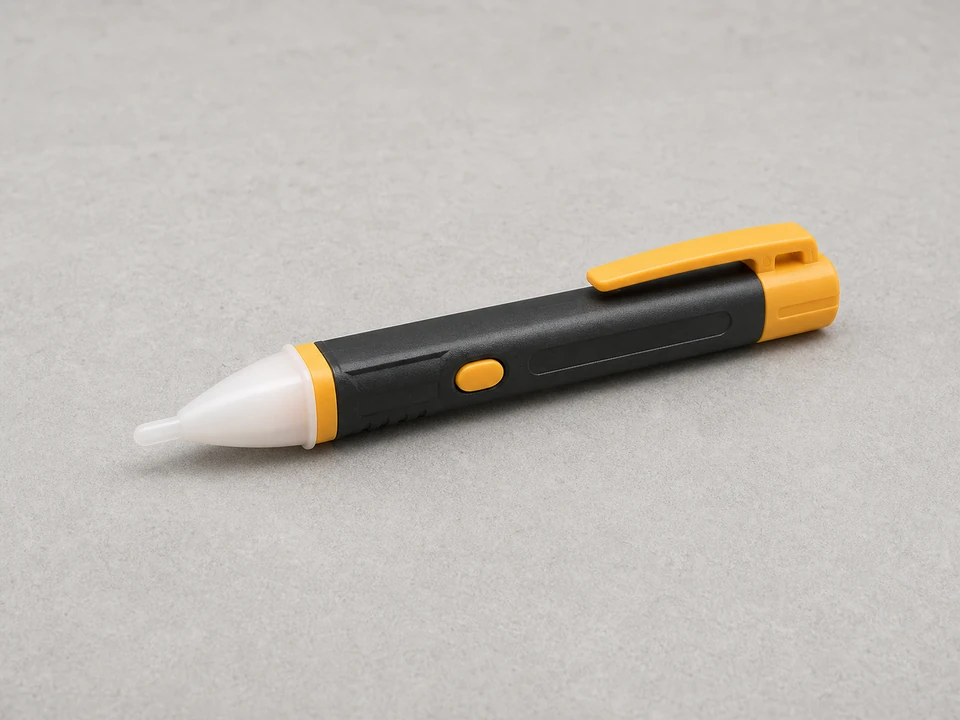
Use it for: Lets you confirm the old cable circuit is off before you touch it.
Shop non-contact voltage testers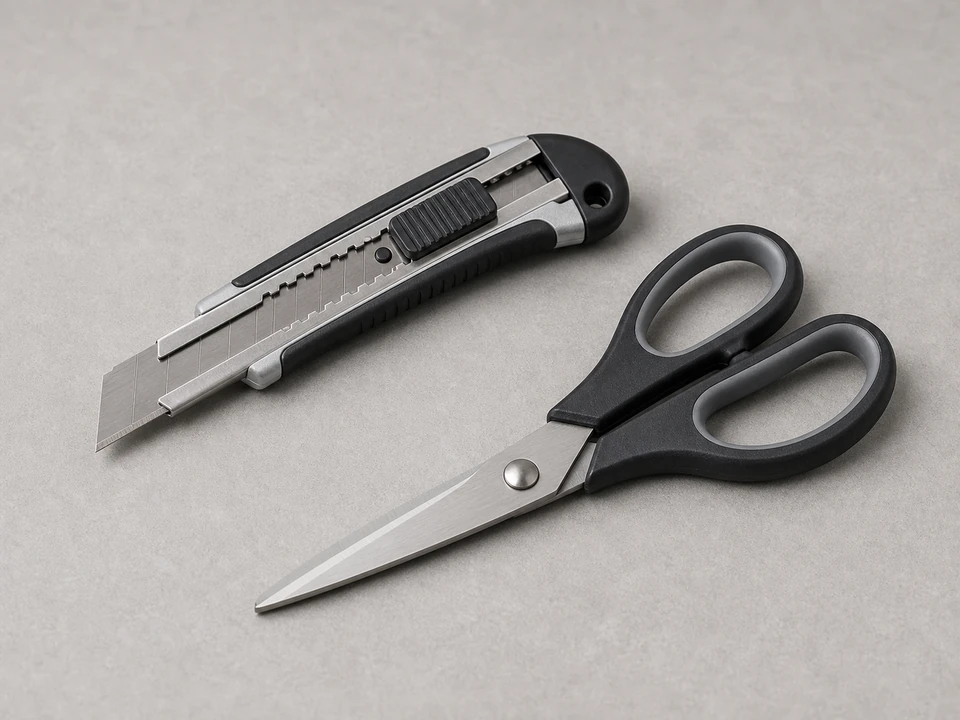
Use it for: Cuts old tape and insulation wrap so you can remove and reinstall materials cleanly.
Shop utility knives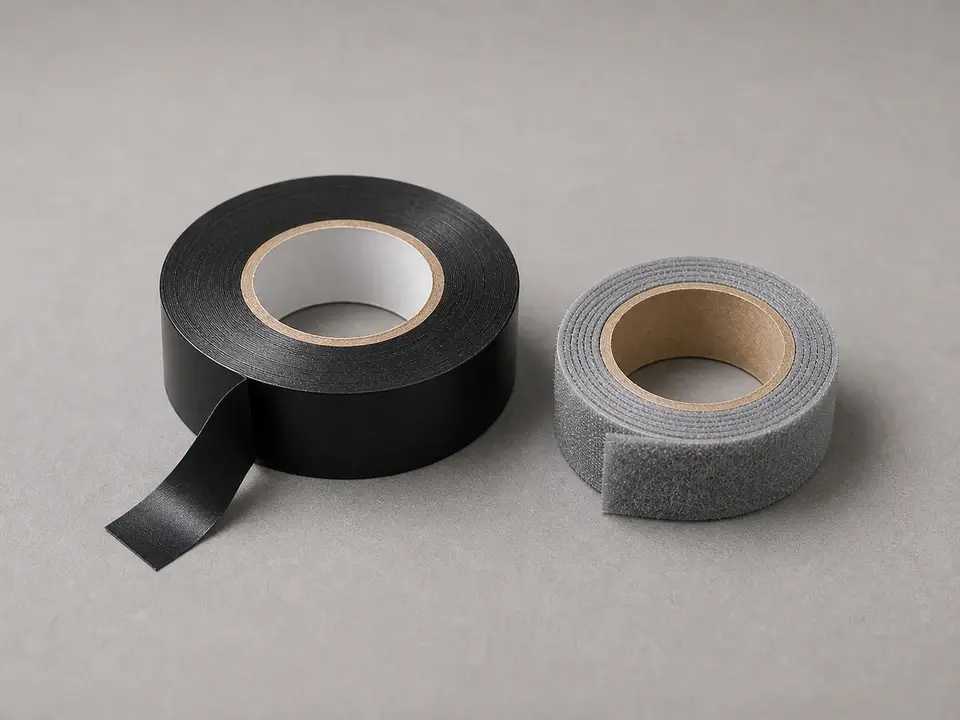
Use it for: Secures the new cable to the pipe if the cable instructions call for it.
Shop electrical tape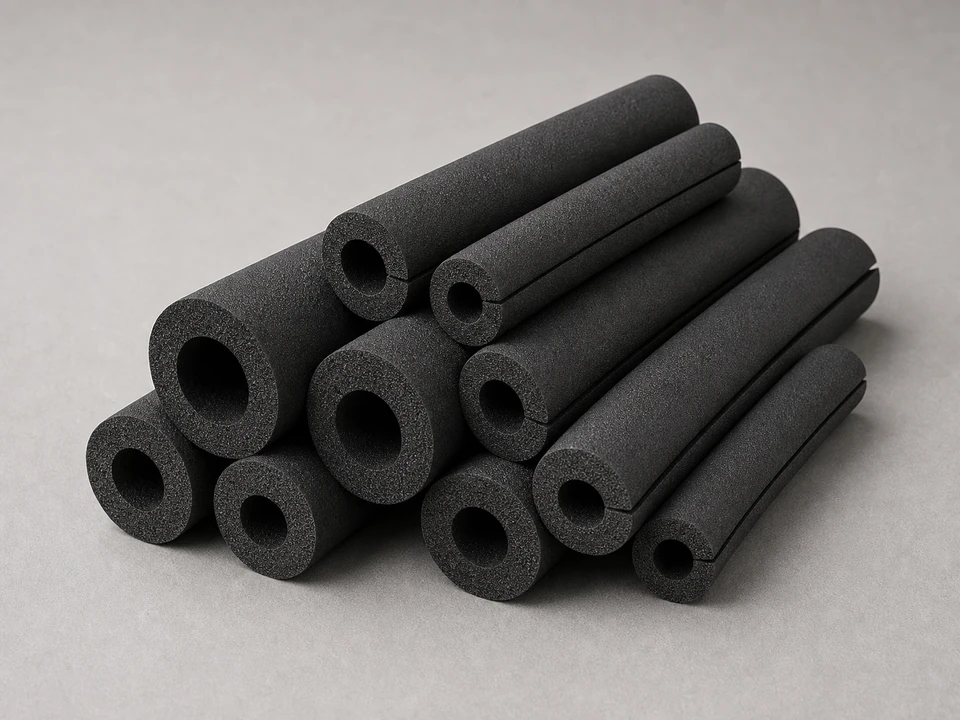
Use it for: Restores the insulation layer over the heated pipe so the cable can do its job.
Shop pipe insulationAs an Amazon Associate I earn from qualifying purchases. Repair Riot may earn a commission at no extra cost to you.
If it works: You have a clear reason to replace the old heating cable and the pipe is accessible enough to work on safely.
If it doesn’t: If the line is not exposed to freezing or the pipe issue points to a valve, blockage, or leak instead, troubleshoot that problem before replacing the cable.
If it works: The old cable is fully exposed, the area is dry, and power to the cable is confirmed off.
If it doesn’t: If you cannot positively identify and shut off the cable power source, get electrical help before continuing.
If it works: The old cable is off the pipe and the pipe surface is clean and ready for the replacement.
If it doesn’t: If old adhesive or tape is stubborn, remove only what is loose enough to clear the new cable path without damaging the pipe.
If it works: The new cable is attached neatly, covers the at-risk pipe section, and is routed without pinches or sharp bends.
If it doesn’t: If the cable does not fit the pipe run cleanly, recheck the length and routing before powering it. A cable that is too short or forced into place should be exchanged, not stretched.
If it works: The pipe is insulated again, the cable is powered, and the line begins to feel protected instead of exposed.
If it doesn’t: If the cable does not seem to energize, verify the outlet or circuit has power and recheck the cable connection and thermostat placement.
If it works: The shower supply line works normally, stays leak-free, and remains protected when temperatures drop.
If it doesn’t: If the line still freezes, improve insulation, check for additional exposed pipe sections, and confirm the new cable is the correct length and installed exactly as directed.
Match the cable length, voltage, plug style or hardwire setup, and whether it is approved for your pipe material and insulation method before ordering.
As an Amazon Associate I earn from qualifying purchases. Repair Riot may earn a commission at no extra cost to you.
Common signs are visible jacket damage, repeated breaker or GFCI trips, a cable that stays cold in freezing conditions, or a pipe that still freezes even though the cable is powered and the insulation is intact.
No. Follow the new cable instructions for straight runs, spiral spacing, overlap limits, and approved attachment methods. Self-regulating cable still has installation limits.
Usually yes, if the cable instructions allow it. Insulation helps the cable hold pipe temperature more effectively and reduces heat loss in cold spaces.
No. Fix the pipe leak first. A heating cable is for freeze protection, not for sealing or reinforcing damaged plumbing.
The most common reasons are missing insulation, an unprotected section of pipe nearby, the wrong cable length, poor thermostat placement, or a larger cold-air exposure around the pipe.