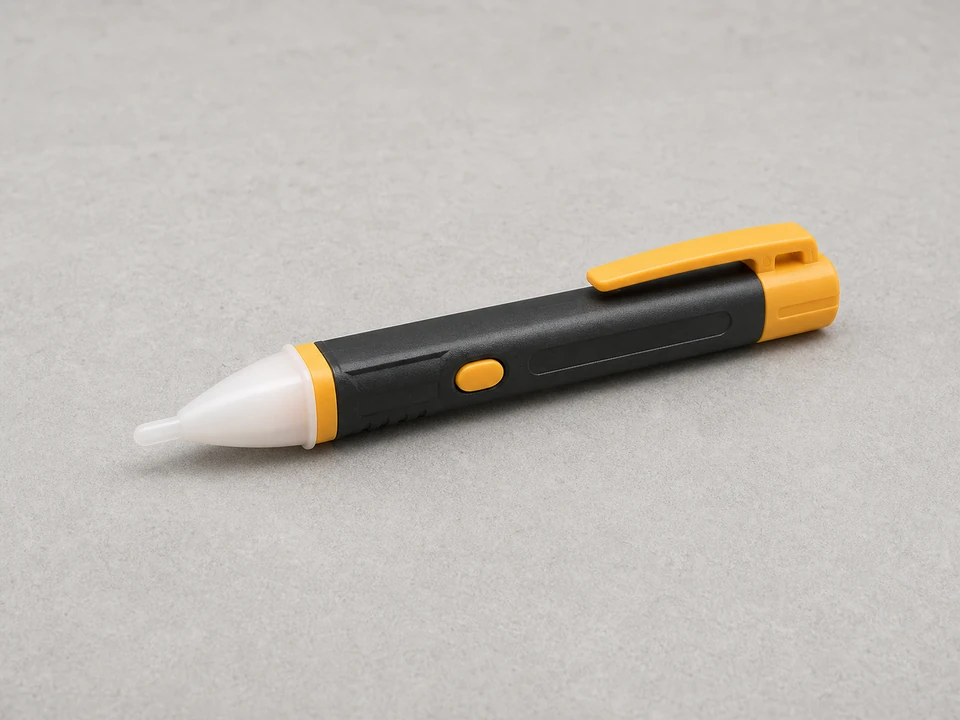
Non contact voltage tester
Use it for: To confirm the outlet or power feed is off before you handle the old cable.
Shop non-contact voltage testersIf the accessible shower supply piping keeps freezing and the existing heat cable is damaged, dead, or no longer warming the pipe, replacing the pipe heating cable can restore freeze protection.
This job is usually straightforward when the piping is fully exposed and easy to reach. The key is using the right replacement cable, fastening it the way the manufacturer allows, and insulating the pipe after the cable is in place.
Before you start: Match the replacement cable or tape to the pipe material, protected run length, voltage, thermostat or plug style, and approved installation method before ordering.
Use it for: To confirm the outlet or power feed is off before you handle the old cable.
Shop non-contact voltage testers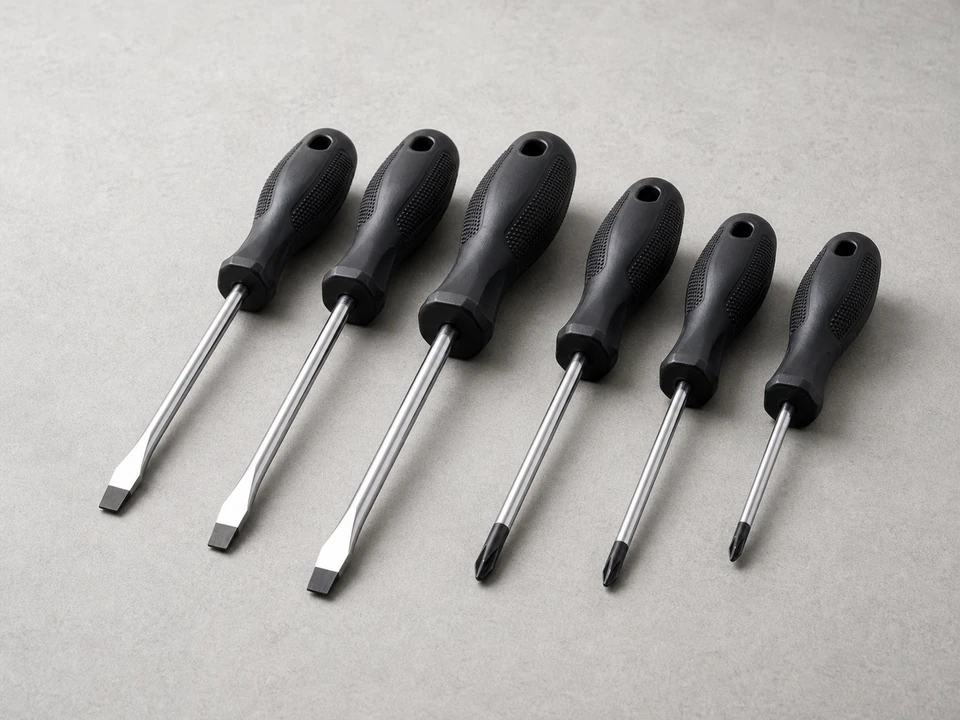
Use it for: To remove access panels, cable clips, or covers around the piping.
Shop screwdriver sets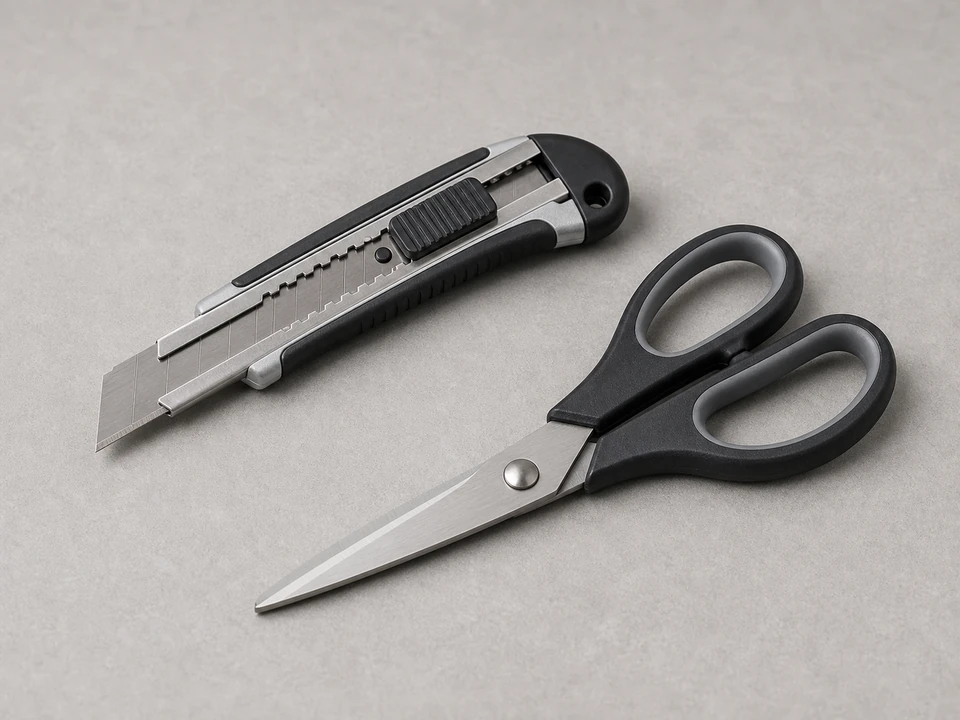
Use it for: To cut old tape, packaging, and new insulation if needed.
Shop utility knives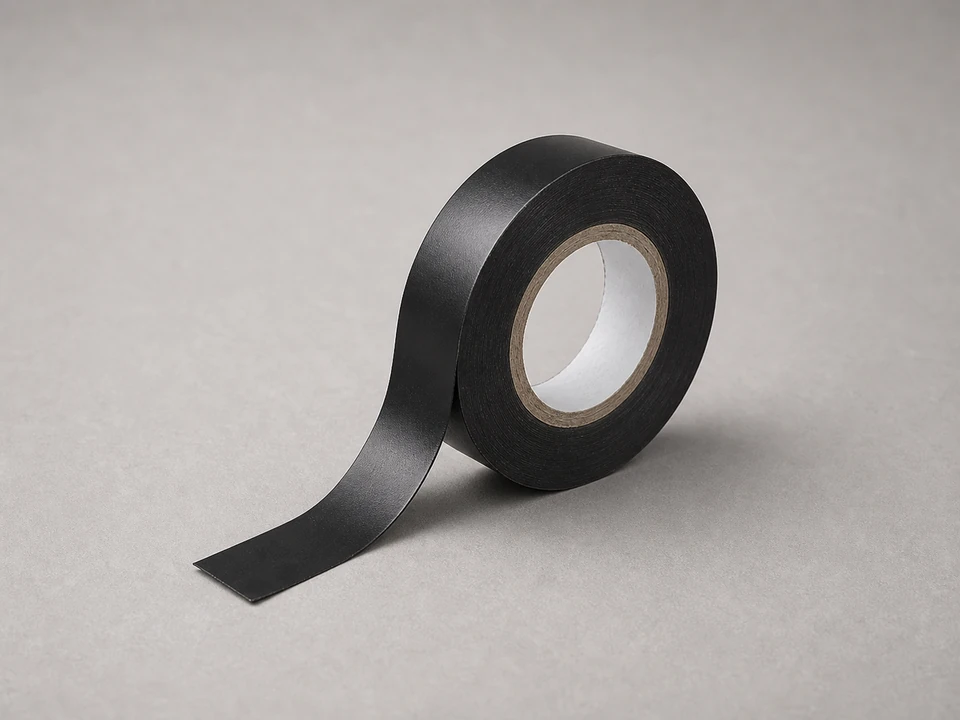
Use it for: To secure the new cable to the pipe if that installation method is allowed.
Shop electrical fastening tape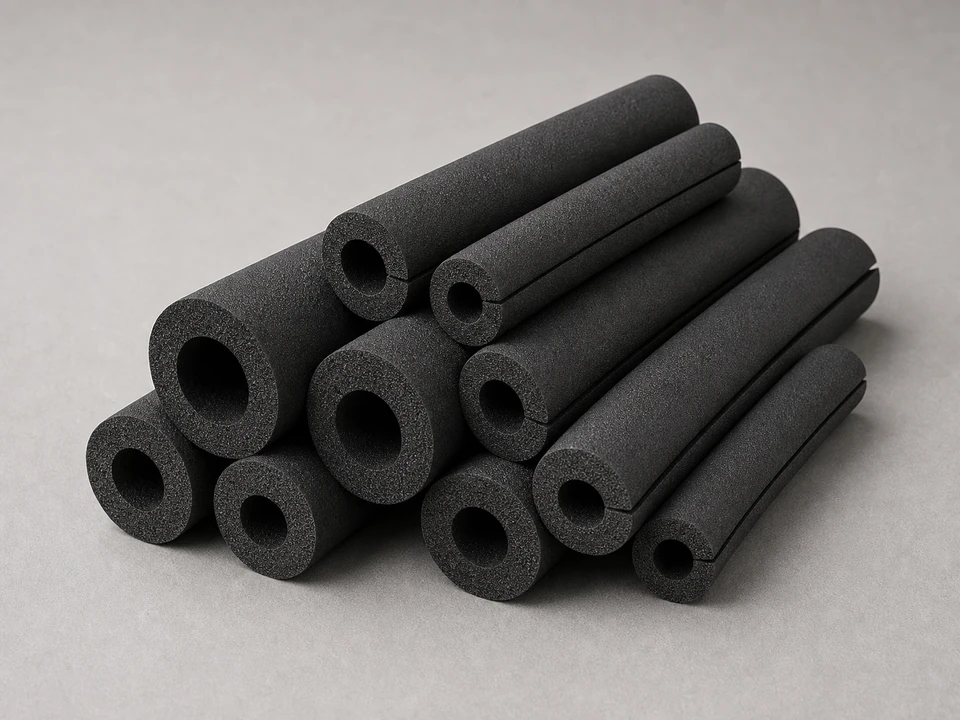
Use it for: To cover the heated pipe so the cable can hold pipe temperature more effectively.
Shop pipe insulation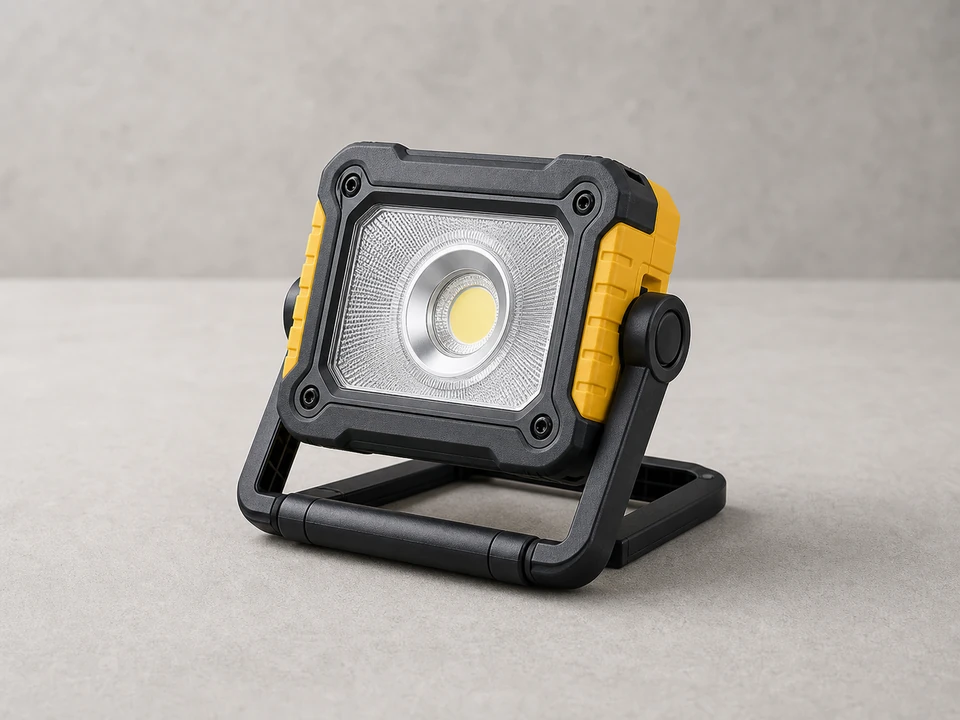
Use it for: To see the full cable path and check for damage along the pipe run.
Shop work lightsAs an Amazon Associate I earn from qualifying purchases. Repair Riot may earn a commission at no extra cost to you.
If it works: You have a failed or damaged heat cable on otherwise accessible shower supply piping, and replacement makes sense.
If it doesn’t: If the cable looks intact and the outlet has no power, restore the power source or troubleshoot the circuit first. If the pipe is freezing because insulation is missing or cold air is blowing directly on it, correct that condition too.
If it works: The cable is de-energized and the full pipe section is visible and ready for removal.
If it doesn’t: If you cannot positively confirm power is off, stop and identify the correct outlet, breaker, or disconnect before touching the cable.
If it works: The old cable is off, the pipe is clean, and you know the length and pipe type for the replacement.
If it doesn’t: If the pipe surface is too dirty, wet, or rough for the cable to sit securely, clean and dry it fully before moving on.
If it works: The new cable is attached neatly, follows the pipe correctly, and is ready to be insulated and powered.
If it doesn’t: If the cable will not lie flat or the run is too long for the replacement, stop and get the correct cable rather than forcing the fit.
If it works: The pipe is insulated again and the new cable is powered safely.
If it doesn’t: If the cable does not seem to energize, recheck the outlet or breaker, then review the thermostat behavior because some cables only warm when the pipe temperature drops.
If it works: The shower supply piping stays protected in cold weather and the replacement cable continues working without leaks or electrical issues.
If it doesn’t: If the pipe still freezes, improve air sealing and insulation around the area, then confirm the cable length, thermostat location, and power source are correct. If freezing continues, have a plumber or electrician inspect the setup.
Match the replacement cable or tape to the pipe material, protected run length, voltage, thermostat or plug style, and approved installation method before ordering.
As an Amazon Associate I earn from qualifying purchases. Repair Riot may earn a commission at no extra cost to you.
Start with the simple check: confirm the outlet or circuit has power. If power is present and the cable has visible damage, never warms when conditions are cold enough, or trips protection devices, replacement is usually the right move.
Yes, if it is dry, intact, and still fits without compressing or shifting the new cable. Replace insulation that is wet, torn, moldy, or missing sections.
Usually no, because you are working on the outside of the pipe. Shut off the water only if you discover a leak or damaged piping that needs plumbing repair.
Not unless the product instructions specifically allow it. Many pipe heating cables can overheat if they cross or overlap, so follow the replacement cable instructions exactly.
Common root causes are a failed cable, lost power, missing insulation, the wrong cable length, poor thermostat placement, or cold air reaching the pipe faster than the cable can protect it.