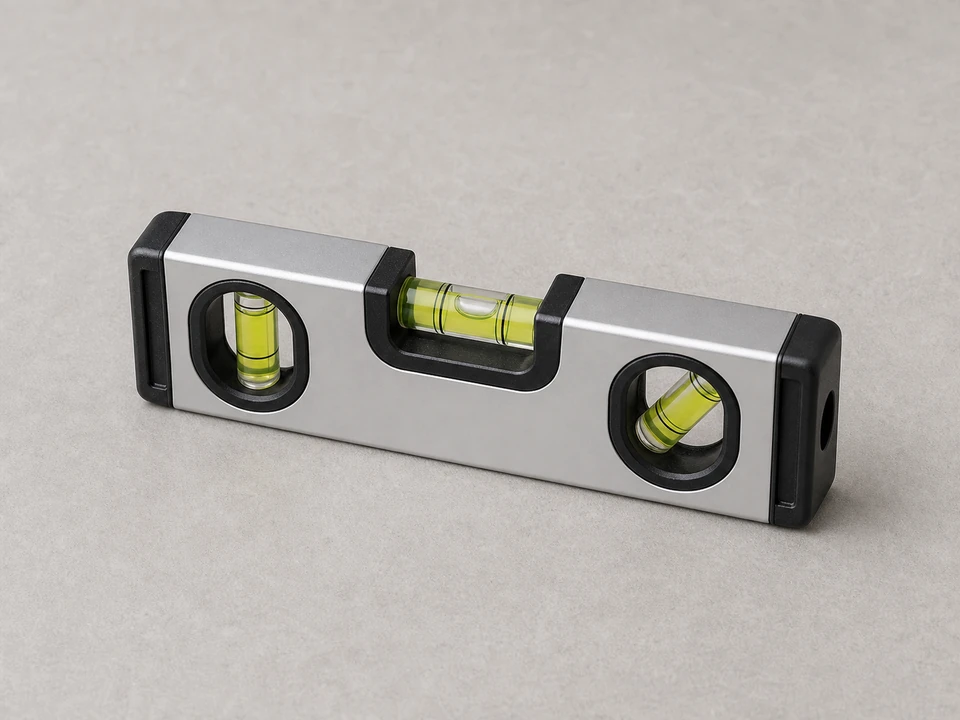
Bubble level
Use it for: Checks side-to-side and front-to-back level on the washer top.
Find a small bubble levelTo level a washer, place it on a solid floor, check side-to-side and front-to-back with a level, adjust the feet until the cabinet sits firmly without rocking, then lock the feet and test a real spin cycle.
A washer that is out of level can walk, bang, or shake harder than it should. In many cases, leveling it correctly fixes the root cause. The goal is simple: all feet should contact the floor firmly, the cabinet should read level, and the machine should stay put during a full-speed spin.
Before you start: Check whether your washer uses adjustable front feet only or adjustable feet on all corners before you buy parts or pads. Stop if the repair becomes unsafe or unclear.
Use it for: Checks side-to-side and front-to-back level on the washer top.
Find a small bubble level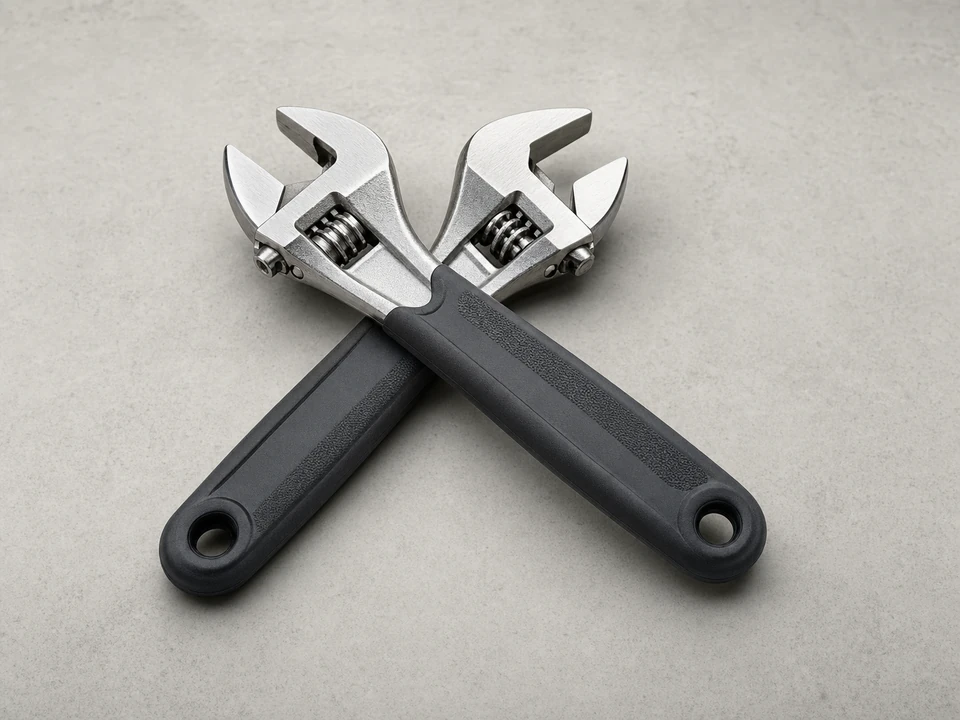
Use it for: Turns leveling feet and tightens lock nuts if your washer has them.
Shop adjustable wrenches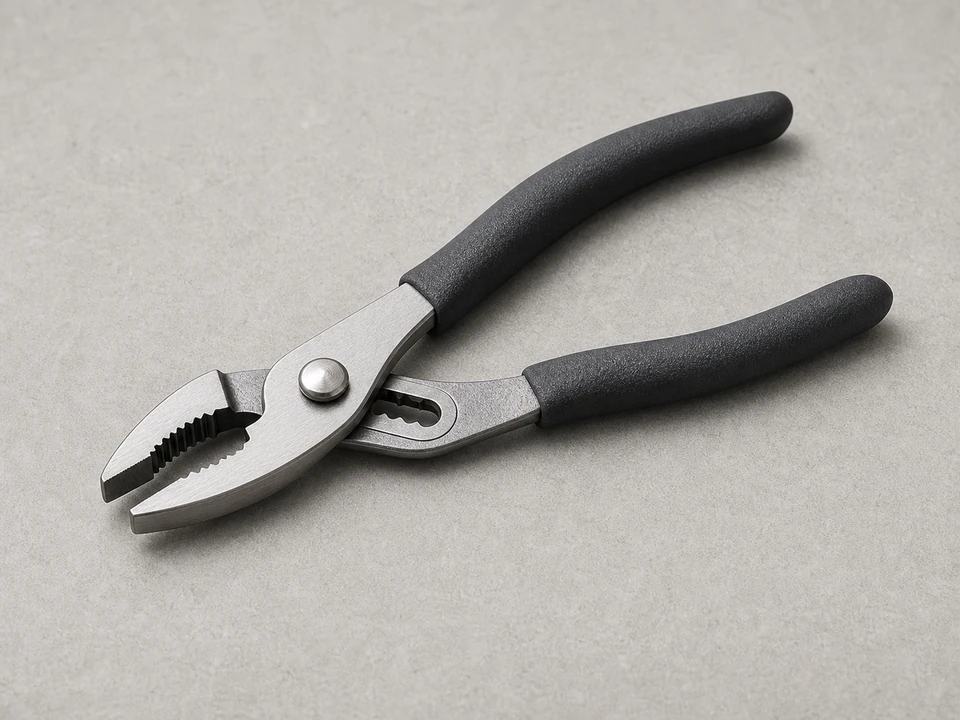
Use it for: Helps hold stubborn feet or lock nuts in tight spots.
Find slip-joint pliers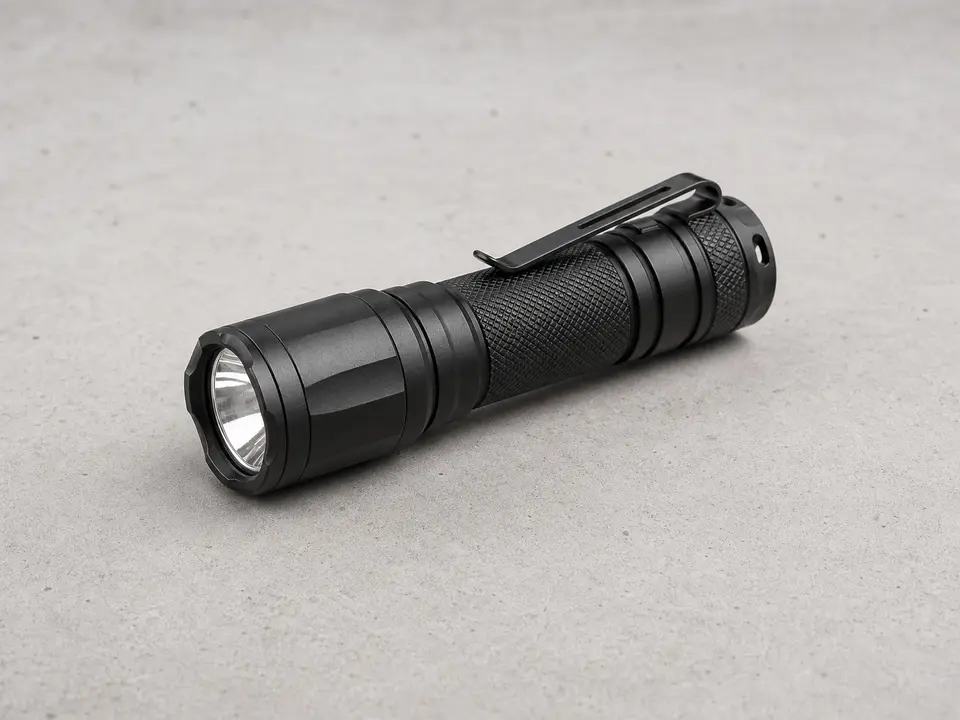
Use it for: Lets you see the feet, floor contact, and lock nuts under the cabinet edge.
Shop LED flashlights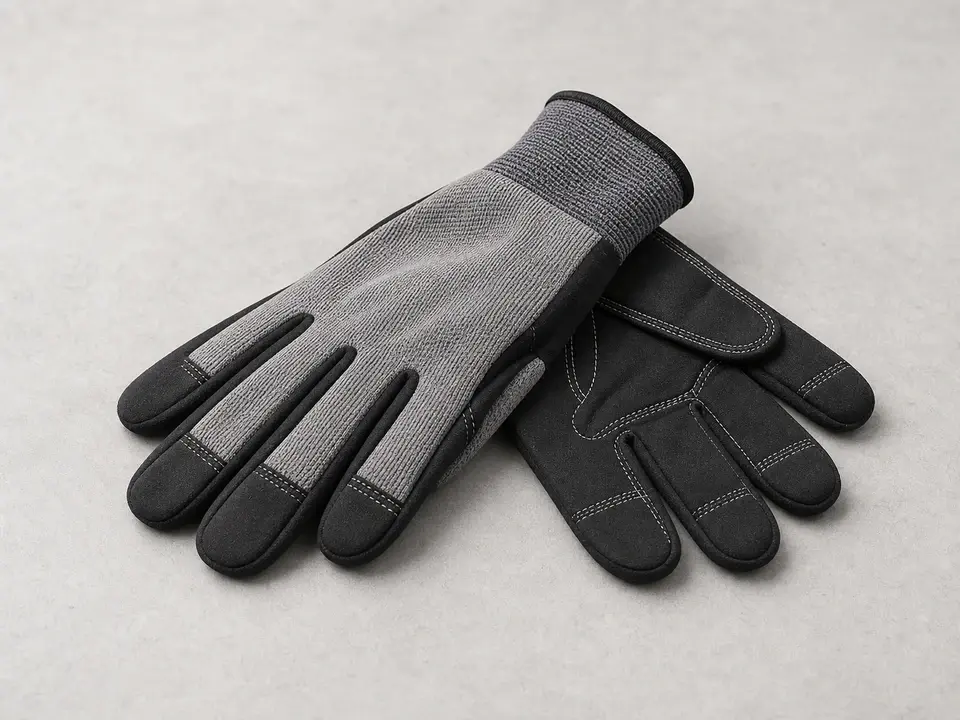
Use it for: Protects your hands while pulling the washer forward and reaching underneath.
Find work glovesAs an Amazon Associate I earn from qualifying purchases. Repair Riot may earn a commission at no extra cost to you.
If it works: The washer rocks or sits unevenly, and leveling is a reasonable next step.
If it doesn’t: If the washer already sits solidly and level, the shaking may be coming from an unbalanced load, shipping hardware left in place, worn suspension parts, or floor flex instead.
If it works: You can reach the feet safely, and the washer is positioned where you can adjust it without stressing the hoses or cord.
If it doesn’t: If the hoses or drain line are too short to move the washer enough, reposition it only as far as the connections allow and work from the front first.
If it works: You know whether the washer is low on one side, low at the front or back, or simply rocking on one corner.
If it doesn’t: If the top surface is curved or uneven, use the flattest section you can find and rely on both the bubble reading and the no-rock test.
If it works: The washer reads level and all feet are firmly planted with no rocking.
If it doesn’t: If you run out of adjustment or the washer still rocks on a hard floor, check for debris under a foot or consider a washer-rated anti-vibration pad only after the feet are adjusted correctly.
If it works: The feet are locked, the washer is back in place, and it still sits level without rocking.
If it doesn’t: If the washer rocks again after sliding it back, pull it forward slightly and fine-tune the feet one more time in the final location.
If it works: The washer stays in place, sounds more controlled, and finishes the cycle without excessive shaking or walking.
If it doesn’t: If the washer is level but still shakes hard during balanced loads, the next likely causes are floor flex, shipping hardware left installed, or worn suspension or drum support parts.
A small bubble level is the easiest way to do it accurately. You can sometimes reduce rocking by feel alone, but using a level helps you get both side-to-side and front-to-back right.
Yes. The washer should sit firmly on all of its feet with no rocking. If one foot is hanging or barely touching, the machine can shake and walk during spin.
If the washer is truly level and still shakes during balanced loads, look for floor flex, shipping bolts or packing left in place, or worn suspension parts. Leveling helps stability, but it cannot fix internal wear or a weak floor.
Pads can help with minor vibration on some floors, but they are not a substitute for proper leveling. Adjust the feet first, then use washer-rated pads only if needed.
They should be snug against the base so the feet cannot turn loose during use. Tight enough to hold the setting is the goal; you do not need to over-muscle them.