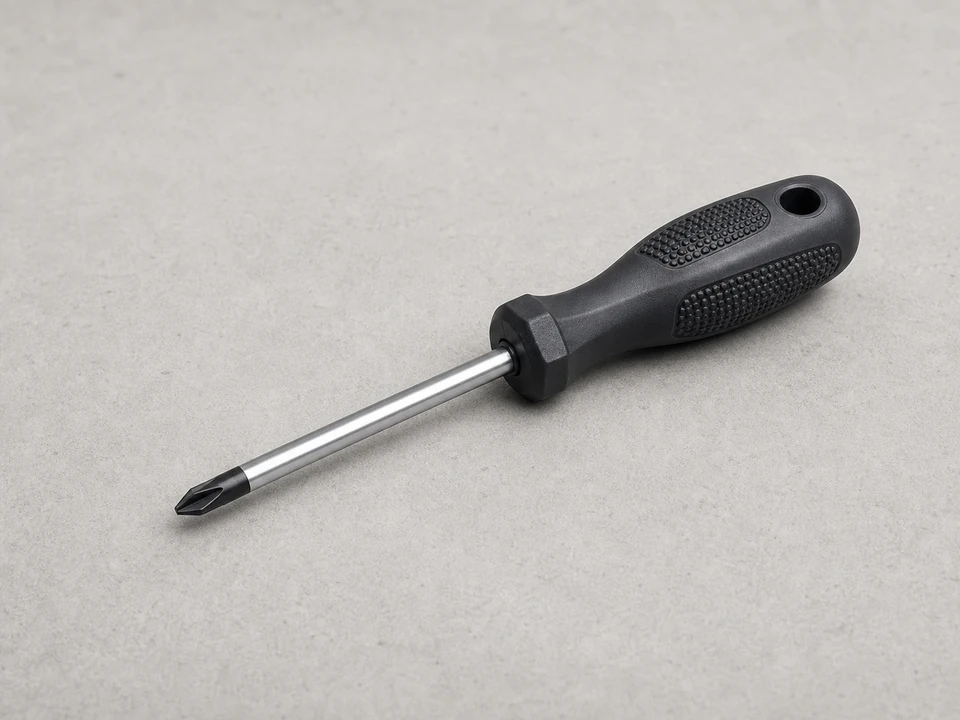
Phillips screwdriver
Use it for: To remove the console or top-panel screws and mount the new switch.
Shop Phillips screwdriversTo replace a washer water level pressure switch, unplug the washer, open the control area, move the wires and pressure hose to the new switch one at a time, reinstall it, and test that the tub fills and stops at the right level.
This switch tells the washer when enough water is in the tub. If it fails, the washer may overfill, underfill, or keep filling longer than it should. The job is usually straightforward, but you need to work carefully around wiring and the small air hose that reads water pressure.
Before you start: Match your washer's model number, terminal layout, mounting style, and pressure hose connection before ordering.
Use it for: To remove the console or top-panel screws and mount the new switch.
Shop Phillips screwdrivers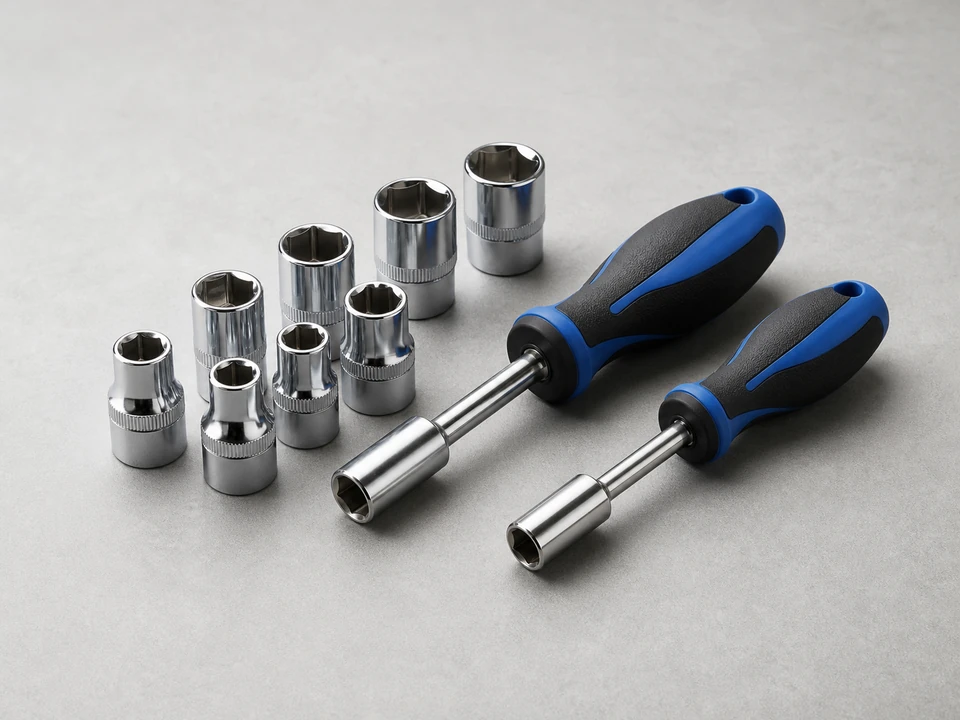
Use it for: Some washers use hex-head screws instead of Phillips screws.
Shop nut driver sets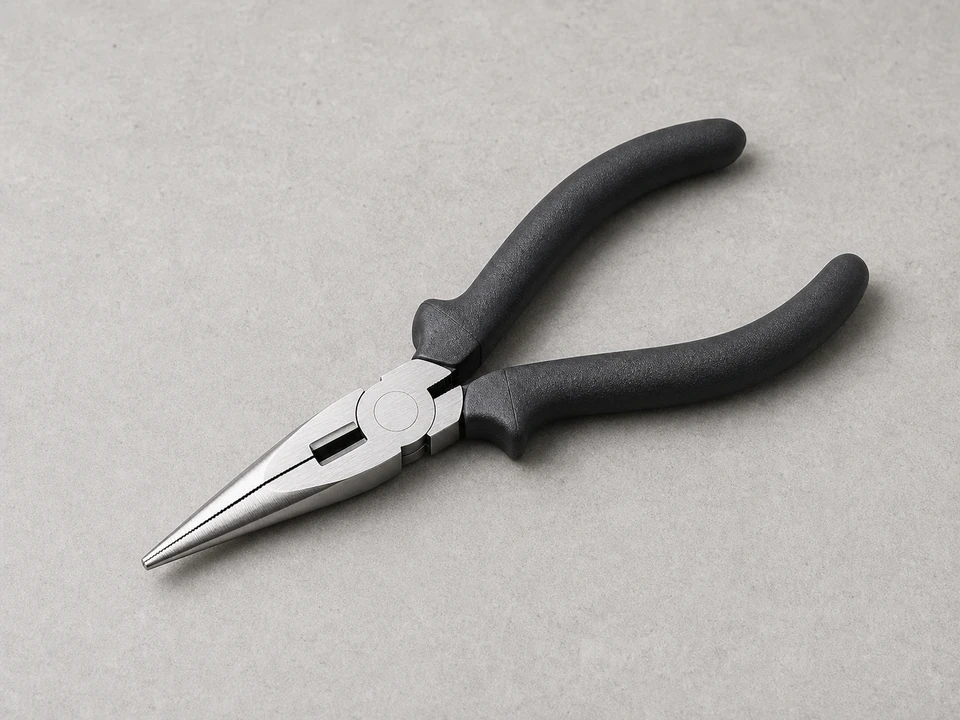
Use it for: To pull wire terminals and hose clamps without damaging them.
Shop needle-nose pliers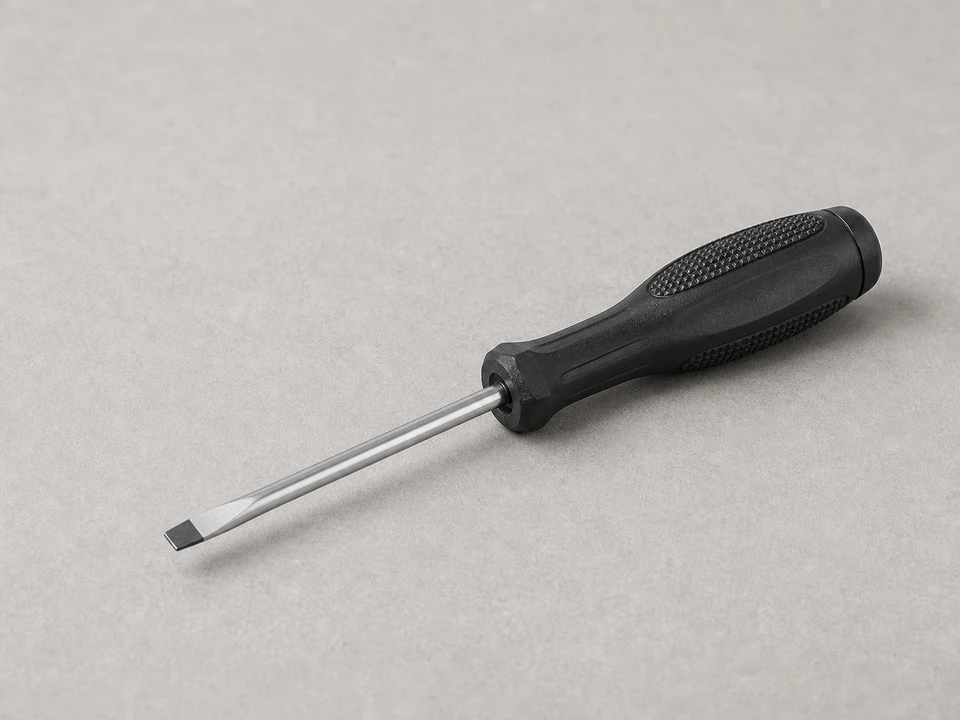
Use it for: To release clips or gently help remove tight wire connectors.
Shop small flat screwdrivers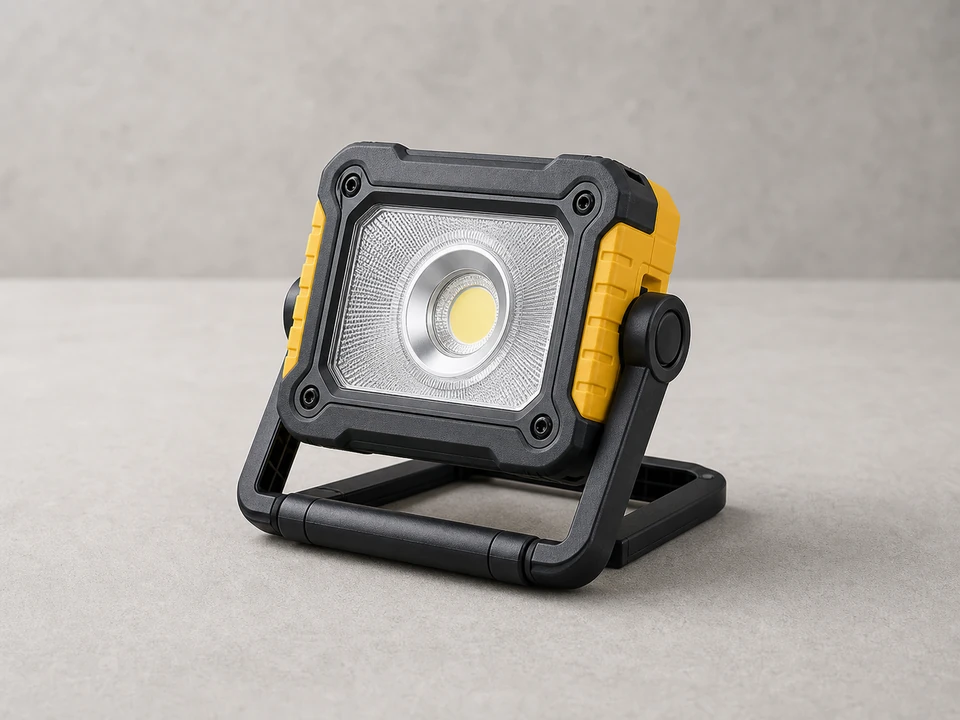
Use it for: To see the switch terminals, hose connection, and mounting points clearly.
Shop work lightsAs an Amazon Associate I earn from qualifying purchases. Repair Riot may earn a commission at no extra cost to you.
If it works: The symptoms point to the water level sensing system, and replacing the pressure switch is a reasonable next repair.
If it doesn’t: If the washer fills normally and stops at the right level, this is probably not the right repair. Recheck the original symptom before taking the machine apart.
If it works: You have safe access to the pressure switch and can see its wiring and small air hose.
If it doesn’t: If you cannot find the switch right away, look for a round or rectangular switch in the control area with several wire terminals and one small hose attached.
If it works: The old switch is out, and you have a clear record of how the wires and hose were connected.
If it doesn’t: If a connector is stuck, wiggle it gently with needle-nose pliers or use a small flat screwdriver to help, but do not pry hard enough to crack the switch housing or terminal block.
If it works: The new pressure switch is mounted securely, and the hose and wires are connected the same way as before.
If it doesn’t: If the new switch does not match the old one closely enough to mount and connect without guessing, stop and verify the replacement part by model number.
If it works: The washer is reassembled and ready for a live test.
If it doesn’t: If the panel does not sit flat, reopen it and check for a trapped wire, misplaced hose, or switch that is not fully seated in its bracket.
If it works: The washer fills to an appropriate level, stops filling on its own, and continues the cycle normally.
If it doesn’t: If the washer still overfills, underfills, or keeps filling, recheck the hose connection, wire placement, and part fit. If those are correct, the problem may be elsewhere in the water level sensing or inlet system.
Match your washer's model number, terminal layout, mounting style, and pressure hose connection before ordering.
As an Amazon Associate I earn from qualifying purchases. Repair Riot may earn a commission at no extra cost to you.
It senses air pressure from a small hose connected to the tub. As the water level rises, pressure changes and the switch tells the washer when to stop filling.
A bad switch and a damaged hose can cause similar symptoms. Check the hose first for cracks, clogs, kinks, or a loose fit. If the hose is sound and connected properly, the switch becomes a stronger suspect.
Many homeowners can. The job is usually manageable if you can safely open the control area, move wires carefully, and match the new part to the old one without guessing.
Recheck the pressure hose, wire placement, and part fit first. If those are correct, the issue may be with the inlet valve, the hose path, or another control problem rather than the new switch.
Most simple replacements do not involve homeowner calibration. Install the matching part, reconnect the hose and wires correctly, and verify the washer fills and stops at the proper level.