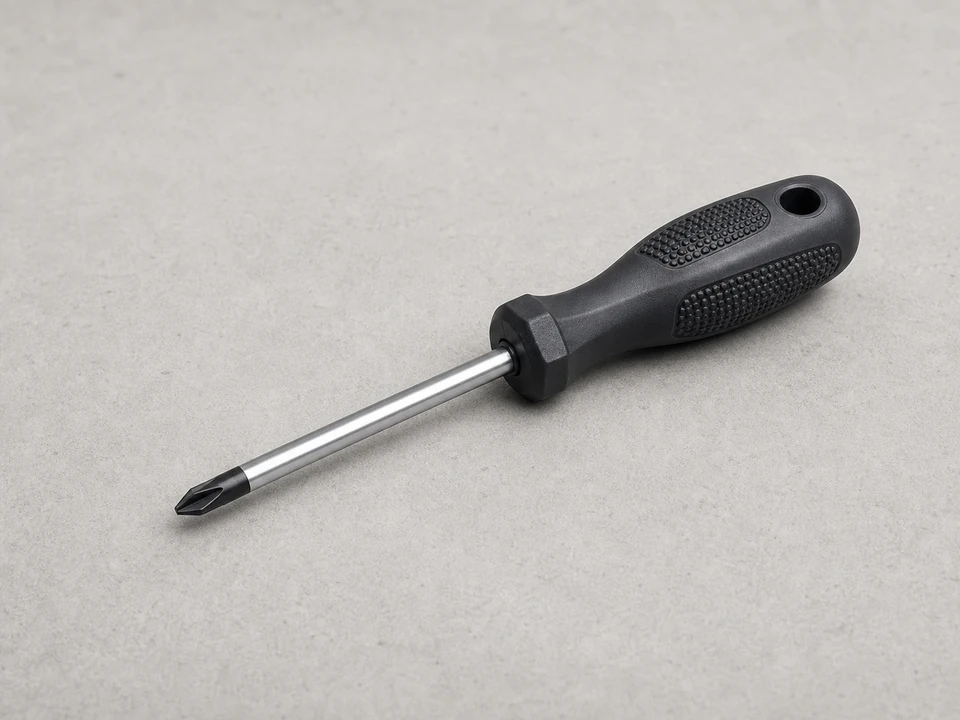
Phillips screwdriver
Use it for: To remove the control panel or top screws on many washers.
Shop Phillips screwdriversTo replace a washer pressure switch, first confirm the washer is overfilling, not advancing, or staying stuck in drain because it is not sensing water level correctly. Then unplug the washer, open the control area, move the wire connector and pressure hose to the new switch, reinstall it, and test a full cycle.
The pressure switch tells the washer when the tub has reached the selected water level. When it fails, the washer may overfill, underfill, keep draining, or refuse to move into the next part of the cycle. This is a moderate repair because you will be working around wiring and the control area, but it is usually straightforward if you take pictures and move one connection at a time.
Before you start: Match your washer's model number, terminal layout, mounting style, and pressure hose connection before ordering.
Use it for: To remove the control panel or top screws on many washers.
Shop Phillips screwdrivers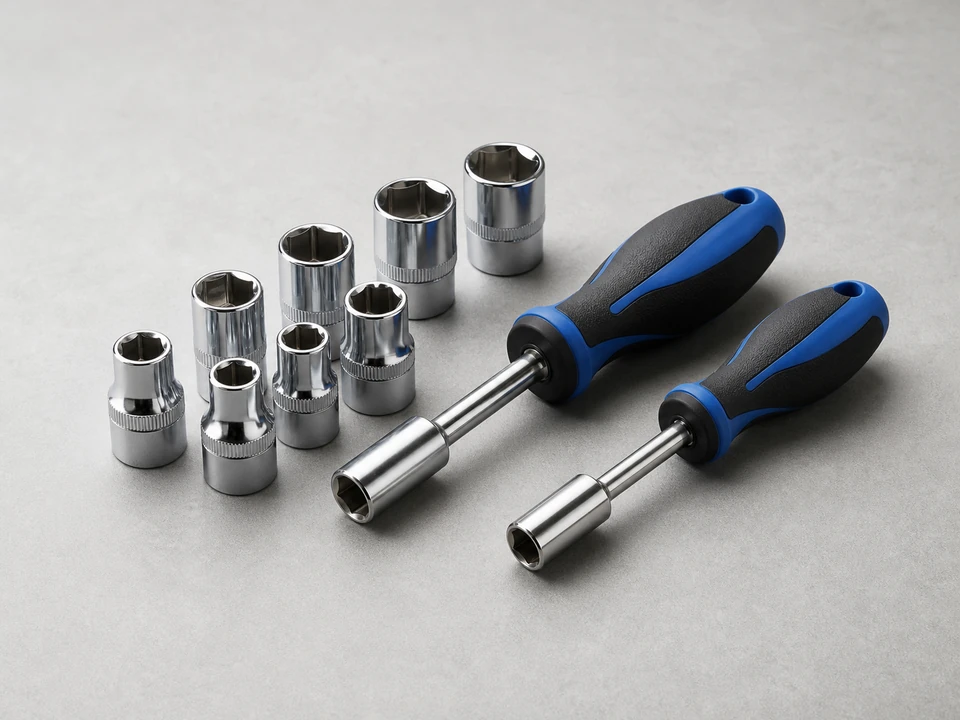
Use it for: Some washers use hex-head screws instead of Phillips screws.
Shop nut driver sets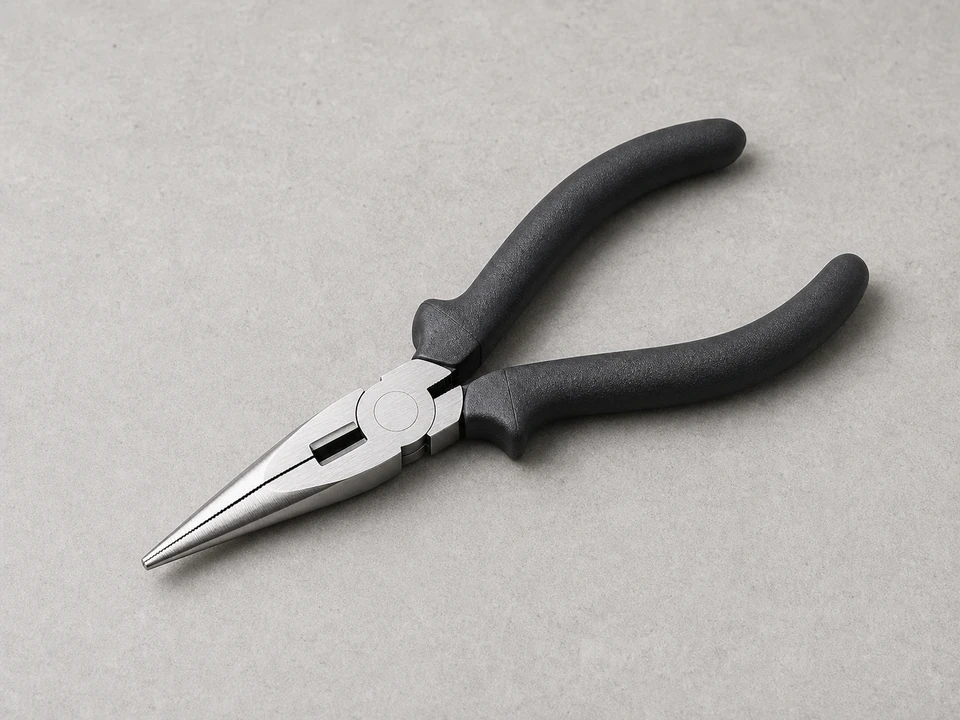
Use it for: To pull wire terminals or spring clamps without damaging them.
Shop needle-nose pliers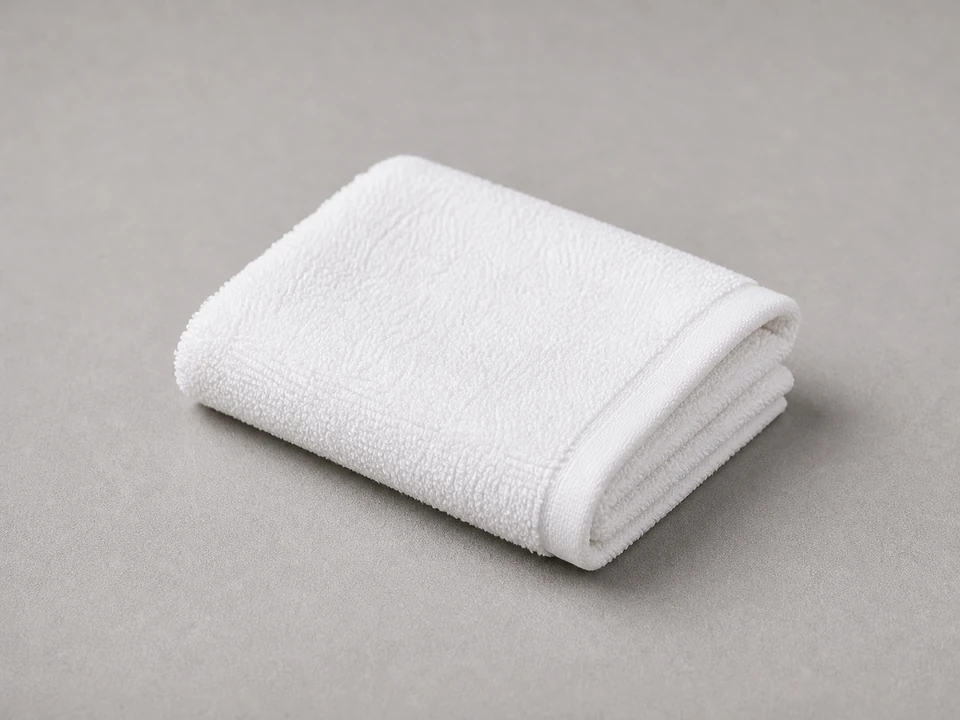
Use it for: To catch any water left in the pressure hose.
Shop shop towels
Use it for: To photograph wire and hose positions before you disconnect anything.
Shop phone tripods and holdersAs an Amazon Associate I earn from qualifying purchases. Repair Riot may earn a commission at no extra cost to you.
If it works: The symptoms still point to a water-level sensing problem, and replacing the pressure switch is a reasonable next step.
If it doesn’t: If the washer has no fill problem, no drain-cycle issue, and no water-level symptoms, pause here and diagnose the main symptom before replacing parts.
If it works: You can see the pressure switch area and safely work with the washer disconnected from power.
If it doesn’t: If you cannot access the control area from the top or console, look for hidden screws at the back or under trim caps and try again.
If it works: The old switch is fully disconnected and you have a photo showing exactly how it was installed.
If it doesn’t: If the hose is stuck, twist it gently to break it loose instead of yanking hard on the switch or hose.
If it works: The new pressure switch is mounted securely with the wiring and hose connected in the same positions as the original.
If it doesn’t: If the new switch does not match the old one closely, stop and verify the replacement using your washer model number before going further.
If it works: The washer is reassembled, powered, and ready for a live test.
If it doesn’t: If a panel does not sit flat, reopen it and look for a trapped wire, hose, or misaligned tab.
If it works: The washer fills to the correct level, advances normally, drains properly, and completes the test without overfilling or getting stuck.
If it doesn’t: If the washer still overfills, underfills, or stays stuck in drain, recheck the hose connection and wiring photo. If those are correct, the problem may be in the pressure hose, air dome path, wiring, or main control.
Match your washer's model number, terminal layout, mounting style, and pressure hose connection before ordering.
As an Amazon Associate I earn from qualifying purchases. Repair Riot may earn a commission at no extra cost to you.
It senses water level in the tub through air pressure in a small hose. When the selected level is reached, it tells the washer to stop filling and move to the next part of the cycle.
A bad pressure switch often causes wrong water-level behavior or a cycle that will not advance after filling. If the washer keeps filling even when unplugged, that points more toward a stuck water inlet valve than the pressure switch.
Yes, if it is flexible, clean, and seals tightly with no cracks or splits. If it is brittle, loose, or clogged, replace it or clear the blockage before relying on the new switch.
Most homeowner replacements do not involve calibration. The main job is installing the correct switch and reconnecting the hose and wiring exactly as they were.
The pressure hose may be clogged, kinked, or leaking air, or the wiring or control may have a separate fault. Recheck the hose path and connector first, then continue diagnosis if the symptoms stay the same.