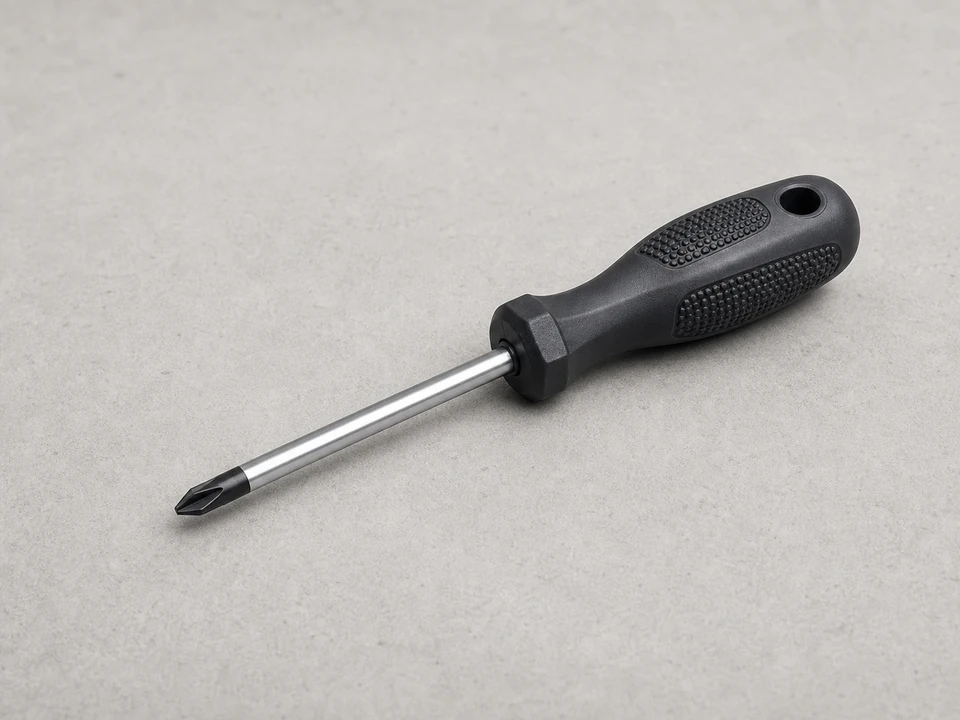
Phillips screwdriver
Use it for: To remove the top, control panel, or rear access screws on many washers.
Shop Phillips screwdriversTo replace a washer pressure switch hose, unplug the washer, shut off the water, open the cabinet or top panel, remove the old air hose from the pressure switch and tub air dome, install the new hose without kinks, and test a fill cycle to make sure the washer stops at the correct water level.
This hose carries air pressure from the tub to the water level switch. If it is cracked, loose, pinched, or clogged, the washer may overfill, underfill, or stop sensing water level correctly.
Before you start: Match the hose length, inside diameter, end style, and washer model compatibility before ordering.
Use it for: To remove the top, control panel, or rear access screws on many washers.
Shop Phillips screwdrivers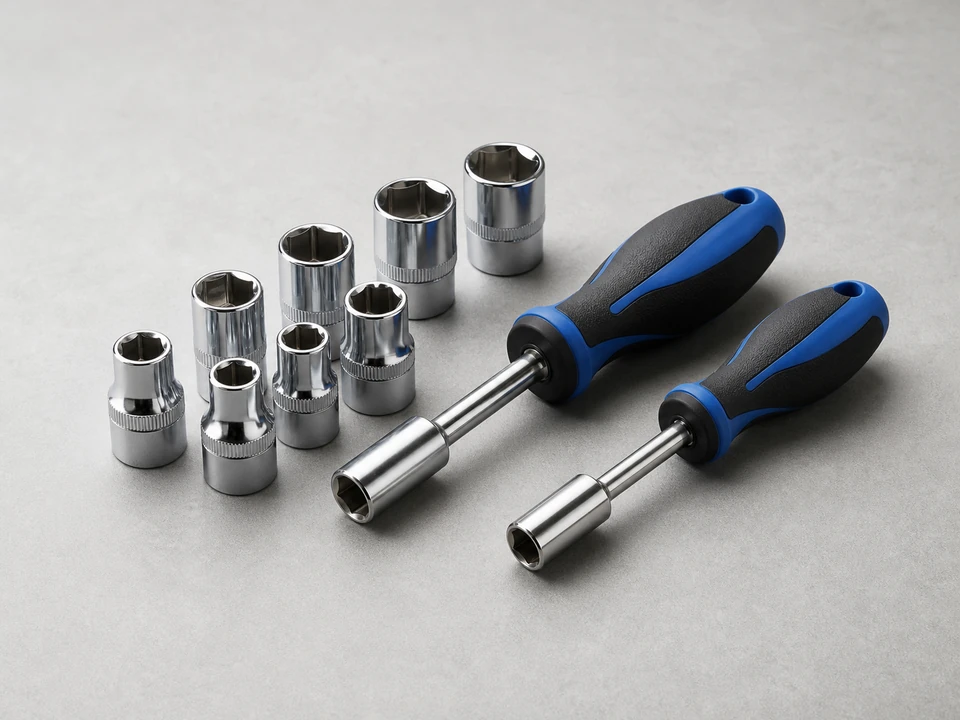
Use it for: Some washer panels use hex-head screws instead of standard screwdriver screws.
Shop nut driver sets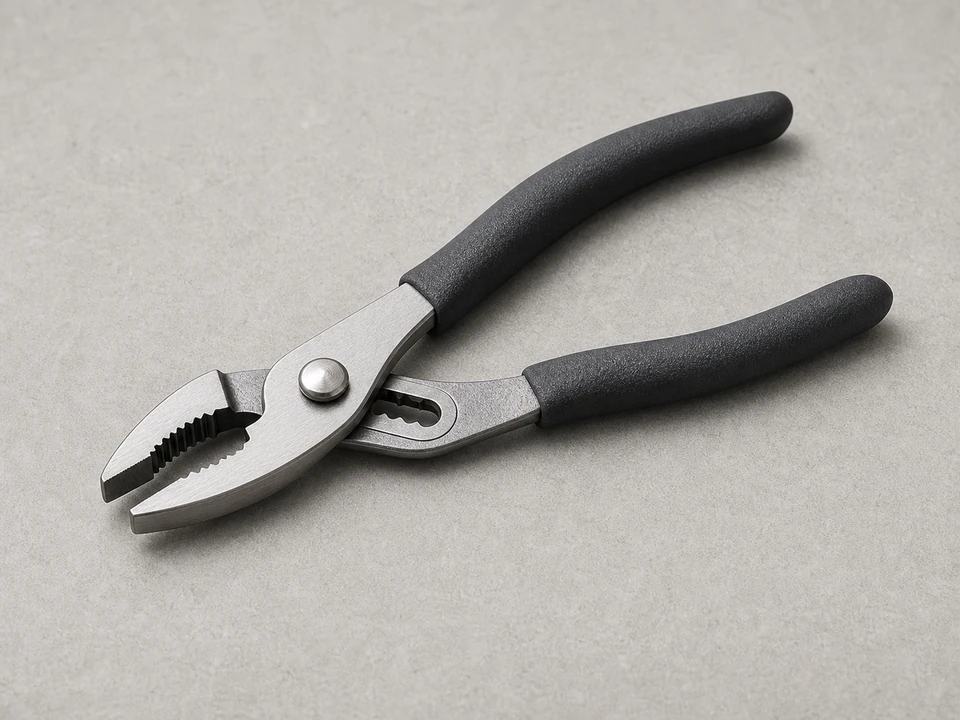
Use it for: To loosen spring clamps or help pull a stubborn hose off its fittings.
Shop slip-joint pliers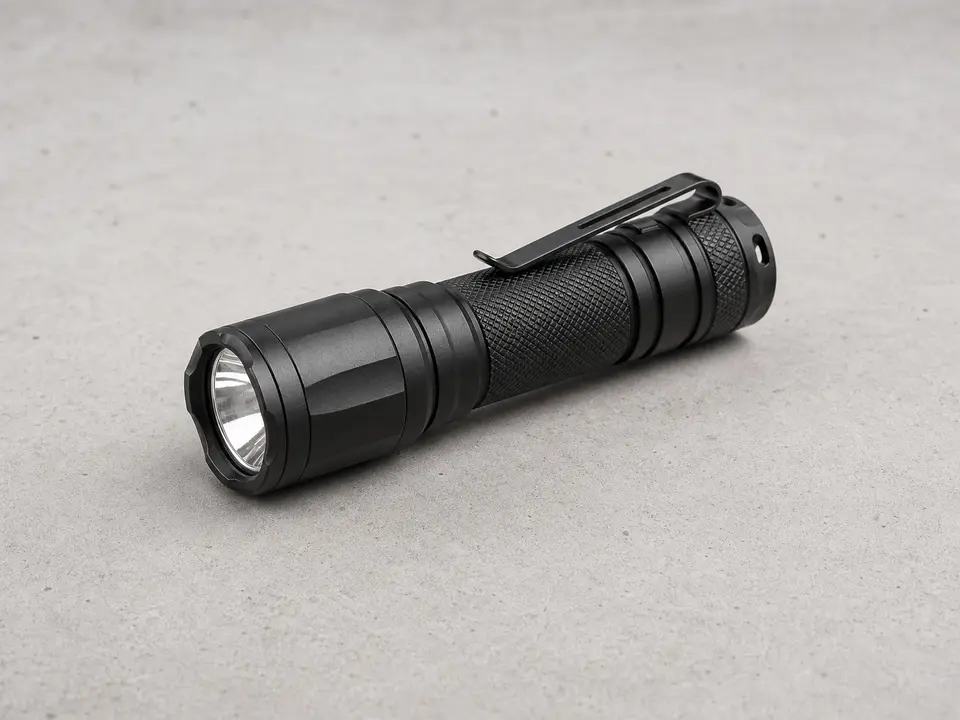
Use it for: To see the pressure switch, hose routing, and tub connection clearly inside the cabinet.
Shop flashlights
Use it for: To catch any drips and protect the floor while you work.
Shop shop towelsAs an Amazon Associate I earn from qualifying purchases. Repair Riot may earn a commission at no extra cost to you.
If it works: You have a good reason to replace the hose and the symptoms match a water-level sensing problem.
If it doesn’t: If the hose looks intact and firmly connected, the pressure switch or another fill-control problem may be the real cause.
If it works: The washer is safely opened and you can see both ends of the pressure switch hose.
If it doesn’t: If you still cannot trace the hose from the switch to the tub, remove one more access panel or reposition the washer for a better view.
If it works: The old hose is fully removed and you know how the new one needs to be routed.
If it doesn’t: If the hose is stuck, work it loose with a careful twist rather than prying hard on the plastic fittings.
If it works: The new hose is fully seated at both ends and routed without kinks or rubbing points.
If it doesn’t: If the hose seems too loose, too short, or too tight, stop and verify you have the correct replacement.
If it works: The washer is reassembled, powered, and ready for a live test.
If it doesn’t: If a panel does not sit flat, reopen the washer and make sure the hose or wiring is not trapped behind it.
If it works: The washer fills to the correct level, stops filling when it should, and runs without overfilling or water-level errors.
If it doesn’t: If the washer still overfills or does not sense water level correctly, the pressure switch, air dome, inlet valve, or control may need further diagnosis.
Match the hose length, inside diameter, end style, and washer model compatibility before ordering.
As an Amazon Associate I earn from qualifying purchases. Repair Riot may earn a commission at no extra cost to you.
It carries air pressure from the outer tub to the pressure switch. As water rises, air pressure in the hose changes and tells the washer when to stop filling.
Common signs are overfilling, underfilling, filling that does not stop at the right level, a hose that has popped off, or visible cracks and pinholes in the hose.
Usually yes, if it still grips well and is not rusted or bent. If the clamp is weak, replace it so the hose stays sealed and does not slip off during use.
Not always. If the old hose was cracked, clogged, or loose, replacing it may solve the problem. If the new hose is installed correctly and the washer still does not sense water level properly, the switch or another fill-control part may be faulty.
Yes. A clog can block the air signal, while a crack can leak it off. Either problem can confuse the pressure switch and cause incorrect water levels.