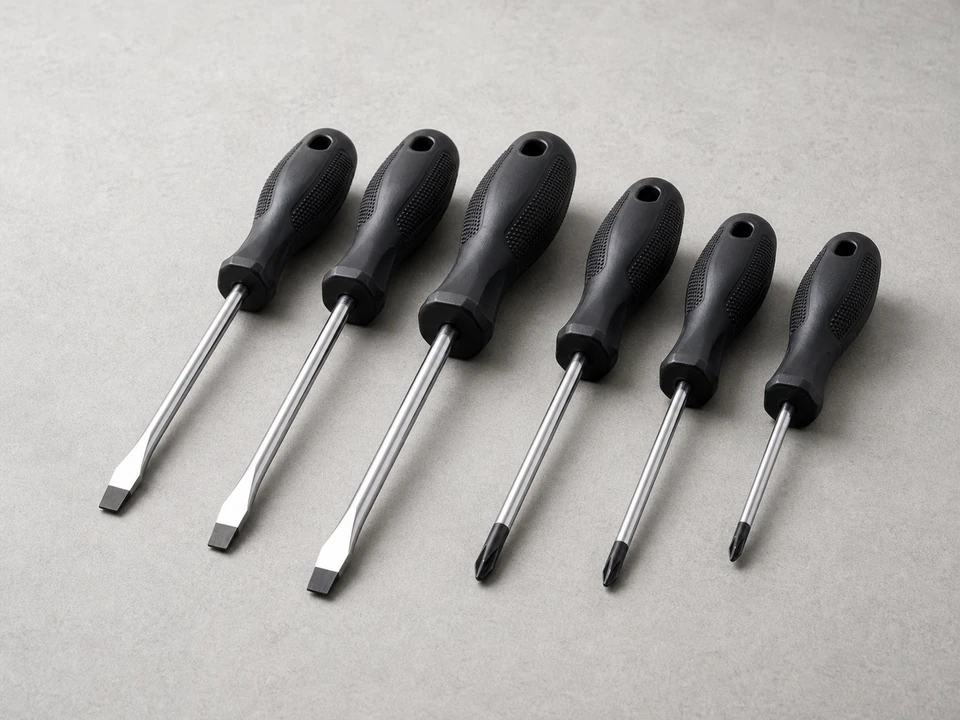
Screwdriver set
Use it for: To remove the top, rear, or control panel screws and reach the hose connection points.
Shop screwdriver setsTo replace a washer pressure hose, unplug the washer, access the pressure switch hose, remove the old hose, install the matching replacement, and test the washer through a fill and rinse cycle.
The pressure hose helps the washer sense water level. If it is cracked, loose, pinched, or clogged, the washer may overfill, underfill, stop at the wrong water level, or leave soap behind. This is a moderate repair because you will be opening the washer cabinet or access panel, but it is usually straightforward if you work carefully.
Before you start: Match the replacement part to your exact washer before ordering.
Use it for: To remove the top, rear, or control panel screws and reach the hose connection points.
Shop screwdriver sets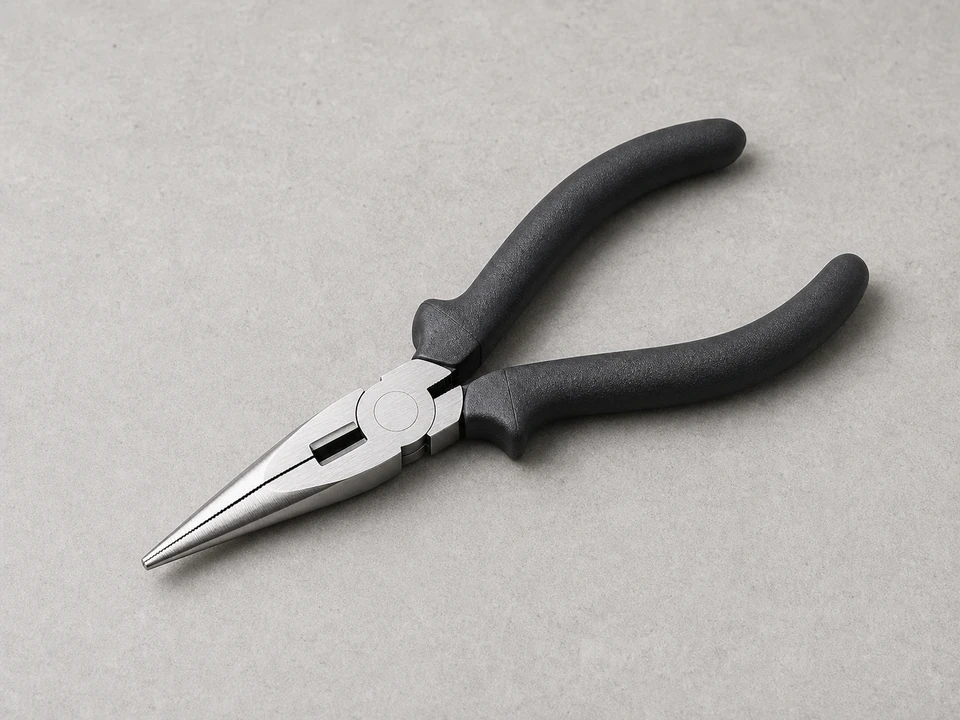
Use it for: To release spring clamps and help pull the old hose off without tearing nearby parts.
Find needle-nose pliers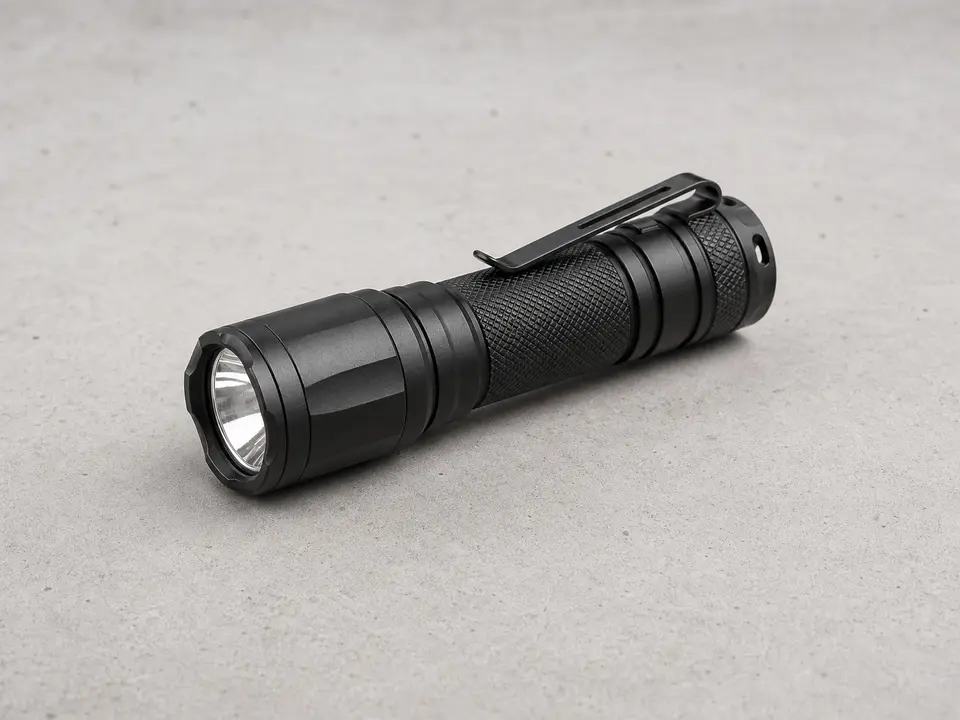
Use it for: To see the pressure switch, hose routing, and clamp position inside the washer cabinet.
Get a repair flashlight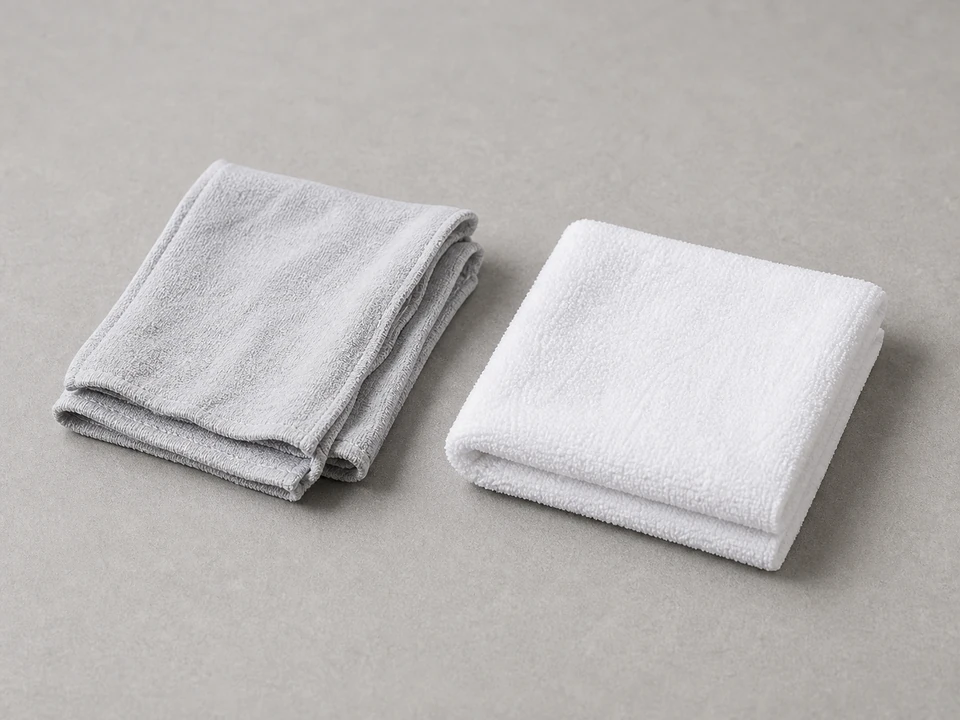
Use it for: To catch any water drips and wipe the hose connection clean before reinstalling.
Shop shop towels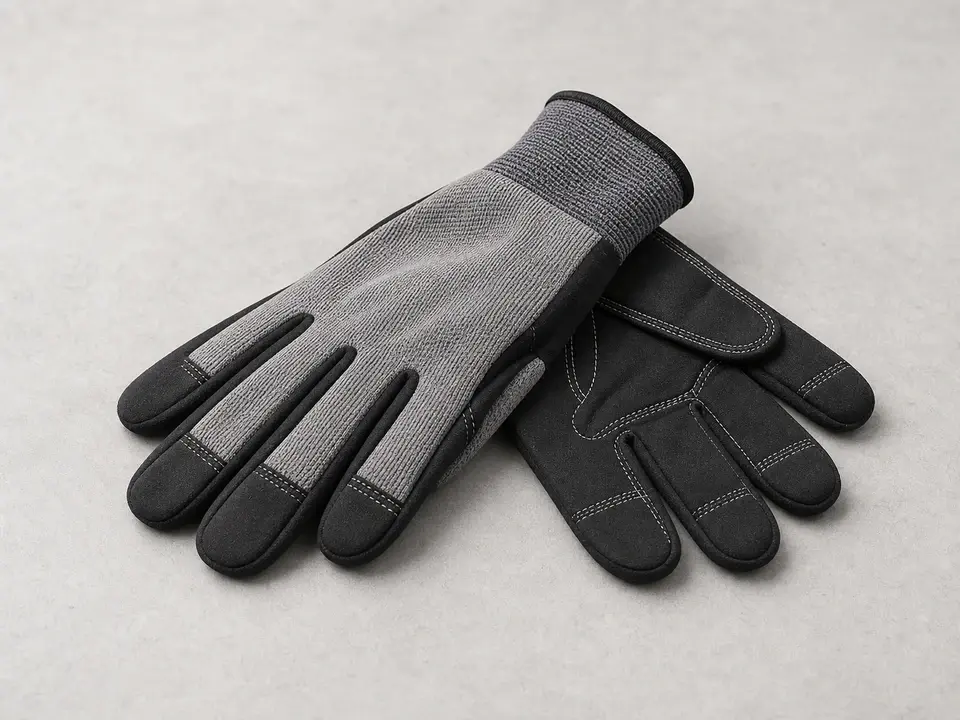
Use it for: To protect your hands from sharp cabinet edges while reaching inside the washer.
Find work glovesAs an Amazon Associate I earn from qualifying purchases. Repair Riot may earn a commission at no extra cost to you.
If it works: You found visible hose damage, a loose connection, or symptoms that clearly point to a water-level sensing problem.
If it doesn’t: If the washer fills normally and the hose looks intact, the problem may be elsewhere, such as the pressure switch, inlet valve, drain issue, or detergent use.
If it works: You can clearly see both ends of the pressure hose and how it is routed.
If it doesn’t: Check for another access panel or follow the hose from the pressure switch side until you find the lower connection.
If it works: The old hose is off cleanly and both fittings are intact and ready for the replacement.
If it doesn’t: If the hose is stuck, rotate it gently and work it loose instead of prying against a plastic fitting.
If it works: The new hose is fully seated at both ends, clamped securely, and routed without kinks or pinch points.
If it doesn’t: If the new hose does not match well, stop and verify the replacement part before forcing it into place.
If it works: The washer is back together, powered, and ready for a live test.
If it doesn’t: If a panel does not fit back into place, reopen it and check for a misrouted hose or trapped wire.
If it works: The washer fills to the correct level, completes the test normally, and the new hose stays dry and secure.
If it doesn’t: If the washer still misreads water level, the pressure switch, air dome connection, control issue, or another water-handling problem may need diagnosis next.
Match the replacement part to your exact washer before ordering.
As an Amazon Associate I earn from qualifying purchases. Repair Riot may earn a commission at no extra cost to you.
It carries air pressure from the tub area to the water-level switch so the washer knows how much water is inside. If that hose leaks air, clogs, or slips off, the washer can read the water level wrong.
A bad hose often shows visible cracks, loose ends, kinks, or blockage. If the hose is damaged or will not hold a solid connection, replace it first. If the new hose is installed correctly and the washer still misreads water level, the switch or another related part may be the issue.
Usually yes, if it still grips firmly and is not rusted or bent. If the clamp feels weak or does not hold the hose securely, replace it so the hose cannot slip off during use.
Not always, but it is a good idea if you need to pull the washer out or move hoses around for access. It adds a little protection against accidental leaks while you work.
A kinked hose can trap or distort the air signal and cause the same water-level problems you were trying to fix. Route the hose in a smooth path with no sharp bends before closing the washer back up.