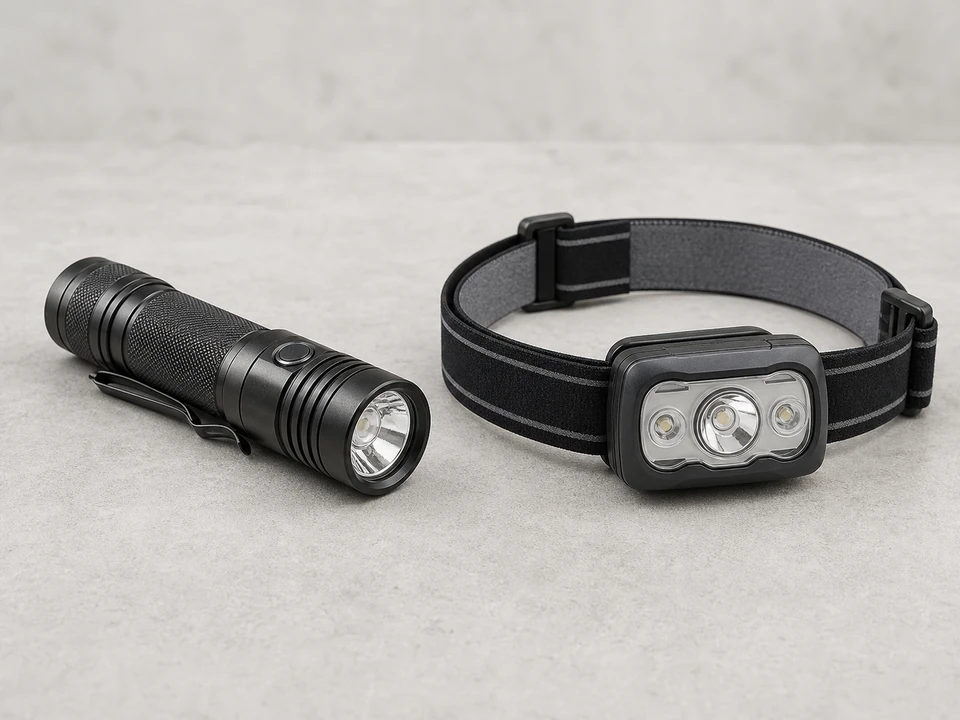
Flashlight or headlamp
Use it for: Helps you see damper handles and markings in an attic, basement, crawlspace, or utility area.
Shop flashlights for duct checksIf one vent or room has weak airflow, a nearby branch damper may be partly or fully closed. You can usually check it by finding the small handle on the branch duct, confirming the handle position, and opening it so the blade lines up with the airflow path.
This is a simple airflow check, not a full duct repair. The goal is to confirm whether a local branch damper is choking off air to one room and to set it back to an open position without damaging the duct or insulation.
Before you start: Match the duct size and damper style if you end up replacing one. Many dampers are sized to the round or rectangular branch duct they control. Stop if the repair becomes unsafe or unclear.
Use it for: Helps you see damper handles and markings in an attic, basement, crawlspace, or utility area.
Shop flashlights for duct checks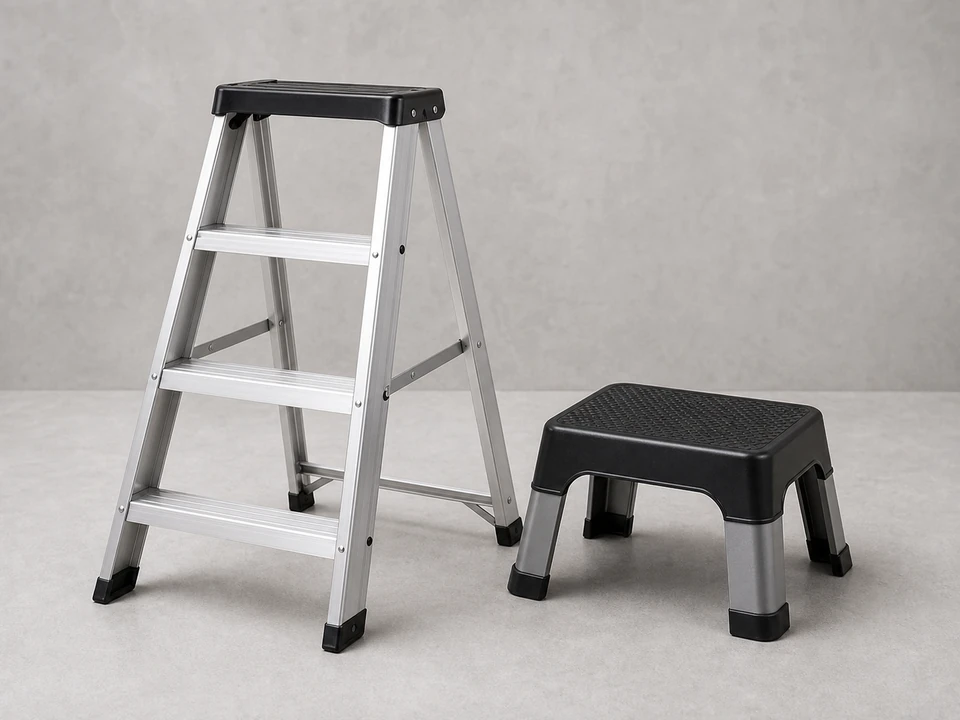
Use it for: Lets you safely reach overhead branch ducts near the air handler or ceiling.
Shop step ladders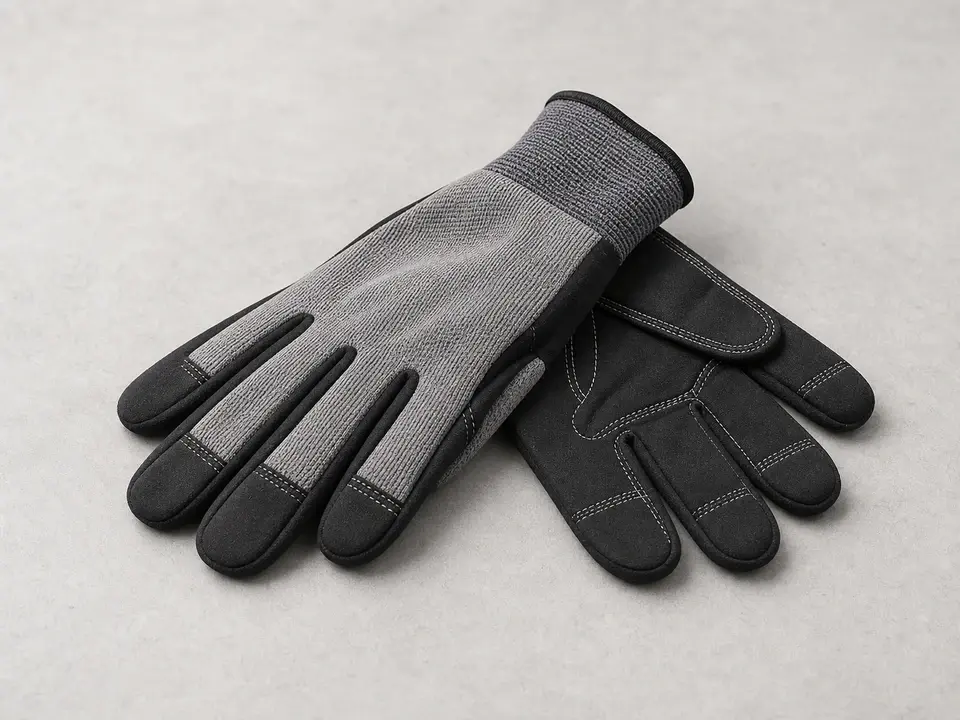
Use it for: Protects your hands from sharp sheet metal edges and rough insulation.
Shop work gloves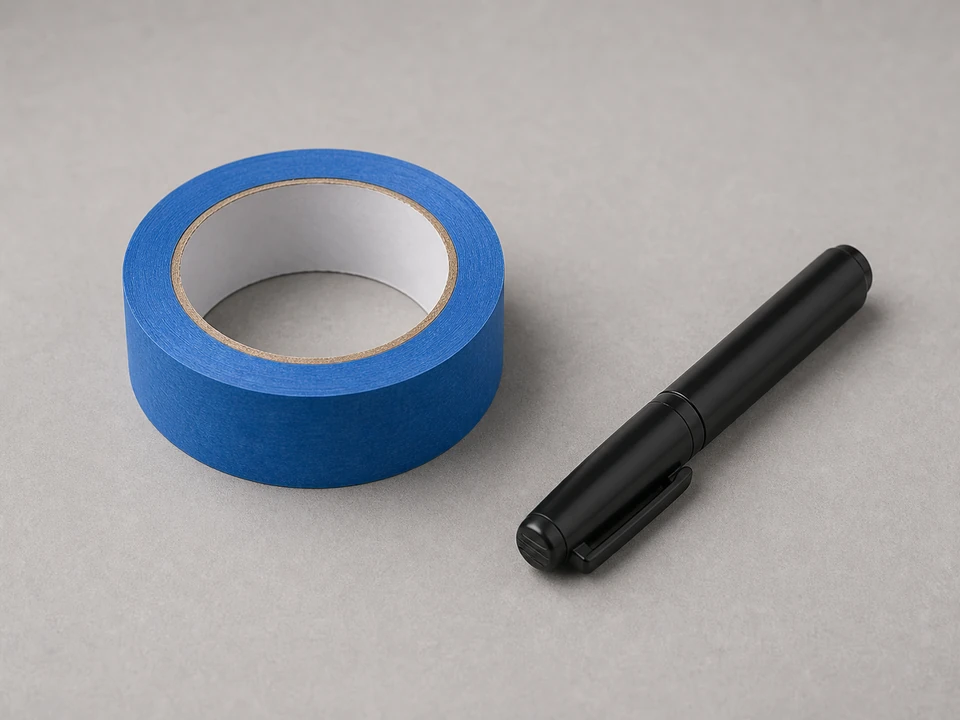
Use it for: Lets you label the branch you checked or mark the handle position before and after adjustment.
Shop painter's tape and markersAs an Amazon Associate I earn from qualifying purchases. Repair Riot may earn a commission at no extra cost to you.
If it works: You have a good reason to inspect the branch duct serving that room.
If it doesn’t: If airflow is weak throughout the house, troubleshoot the filter, blower, thermostat, or main duct issues instead of focusing on one branch damper.
If it works: You have located the branch duct and found the damper handle or confirmed where it should be.
If it doesn’t: If you cannot trace the branch or cannot safely reach the duct, check from another access point or have an HVAC pro identify the run.
If it works: You know whether the damper appears open, partly closed, or fully closed before making an adjustment.
If it doesn’t: If there are no markings and the handle position is unclear, make only a small adjustment and verify airflow at the vent before changing it further.
If it works: The branch damper is now set to a more open position and secured.
If it doesn’t: If the handle will not move or will not stay put, the damper may be damaged and may need repair or replacement.
If it works: Airflow at the problem vent is improved or you have ruled out the damper as the main cause.
If it doesn’t: If the vent still has poor airflow, the issue may be a blocked duct, disconnected run, crushed flex duct, closed register, or a larger system airflow problem.
If it works: The room now gets normal airflow and the damper stays in position during real use.
If it doesn’t: If airflow changes again, the handle slips, or balancing one room hurts the rest of the house, have the duct system inspected and balanced.
On many manual dampers, the handle is open when it runs parallel with the duct and closed when it sits across the duct. If there are markings on the hardware, trust those first.
Yes. A local branch damper usually controls airflow to one branch run or a small group of vents, so one room can lose airflow while the rest of the house seems normal.
Some branches do not have a manual balancing damper, and some are hidden under insulation or located closer to the main trunk. If you cannot find one, the airflow problem may be caused by the register, the duct itself, or a larger system issue.
Not always. Dampers are often used to balance airflow between rooms. Fully opening one branch can sometimes steal air from another area, so make small changes and recheck the whole area.
That usually points to another problem, such as a blocked or disconnected duct, a closed register, a crushed flex run, or weak system airflow overall.